
fomox
MarketsPerpsSpotSwap
Meme
Referral
More
Search Token/Wallet
/

Satoshi to Bitcoin Calculator: Effortless Conversion
2025-12-06 07:22:49
Bitcoin
Blockchain
Crypto Insights
Crypto Tutorial
Investing In Crypto
Article Rating : 4
158 ratings
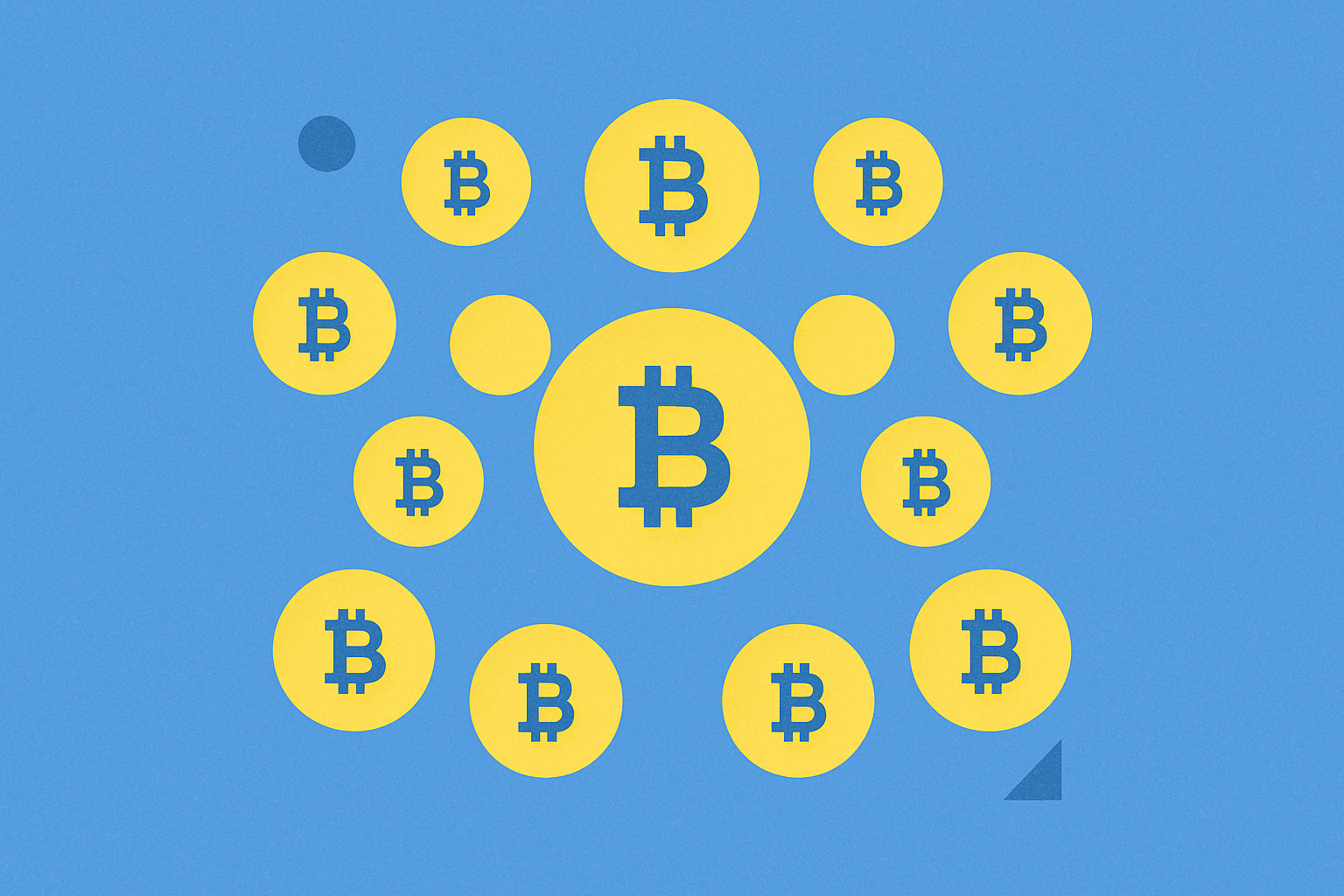
A straightforward satoshi-to-bitcoin conversion calculator helps new crypto investors grasp the fundamentals of Bitcoin and its unit structure. Discover how many satoshis make up one bitcoin and learn how to use them for transactions on platforms like Gate.
Satoshi to Bitcoin Calculator: Effortless Conversion

What is a satoshi?

A satoshi is the smallest unit of Bitcoin, equal to one hundred millionth of a bitcoin (0.00000001 BTC). Named after the enigmatic creator of the Bitcoin protocol, Satoshi Nakamoto, the satoshi helps make Bitcoin transactions practical as the value of a single BTC has climbed into the tens of thousands of dollars. While Bitcoin was once priced in cents, dividing it into satoshis makes it easier to use today.

Even with Bitcoin’s significant price growth, satoshis remain accessible to a broad range of cryptocurrency users. For instance, if BTC reaches $1 million per coin, one satoshi would still be worth only $0.01. This divisibility allows Bitcoin to serve not just institutional investors and high-net-worth individuals, but also everyday users who can transact with small fractions of BTC.

History of satoshi

The story of the satoshi is closely tied to the development of Bitcoin and its protocol. On October 31, 2008, Satoshi Nakamoto published the Bitcoin whitepaper, introducing the world to a decentralized network powered by blockchain technology and a new digital currency.

On January 3, 2009, Nakamoto mined the Genesis Block—the first block in the Bitcoin blockchain—launching the network. Bitcoin was designed from the beginning to be divisible into smaller units, with the satoshi representing the smallest, at one hundred millionth of a BTC. The name satoshi honors Bitcoin’s creator.

The term “satoshi” was first proposed by the user ribuck on the BitcoinTalk forum on November 15, 2010. Initially, it referred to one hundredth of a BTC, but the community later agreed to use it for the smallest possible unit of Bitcoin.

How does the satoshi work?

Satoshis function just like BTC within Bitcoin’s decentralized network. Users can send, receive, trade, and pay with satoshis, just as they do with BTC. Amounts can be specified in either BTC or satoshis, depending on user preference and transaction size.

For example, 0.00912295 BTC is equal to 912,295 satoshis. This flexibility allows users to choose the most convenient way to express their transactions. The answer to “how many satoshis in a bitcoin” is straightforward: one bitcoin contains exactly 100,000,000 satoshis. Smaller amounts are often easier to express in satoshis, while larger transactions are typically quoted in BTC.

How can you use satoshis?

Satoshis can be used interchangeably with Bitcoin for a variety of purposes. Key use cases include:

Buying and selling on nearly any crypto platform. Most exchanges support trading in both whole BTC and fractional amounts denominated in satoshis, making it accessible for all investors.

Swapping for other cryptocurrencies on exchanges and trading services. Satoshis can be converted into altcoins just like whole bitcoins.

Purchasing goods or paying for services wherever Bitcoin is accepted. As crypto adoption grows, more merchants accept Bitcoin payments, and satoshis make it possible to pay for low-value items and services through micropayments.

Speculative investment and asset accumulation. Investors can accumulate satoshis gradually, even with modest budgets.

Acquiring satoshis is simple: buy any amount of Bitcoin on a trading platform, and your balance can be displayed in satoshis.

Satoshi in Bitcoin and US dollar

The ratio of satoshi to Bitcoin and the US dollar is key for understanding this smallest unit’s value. Knowing how many satoshis are in a bitcoin is fundamental for working with crypto:

1 BTC equals 100,000,000 satoshis. This ratio is hardcoded into the Bitcoin protocol and will never change.

1 satoshi equals 0.00000001 BTC.

The dollar value of a satoshi fluctuates with Bitcoin’s market price. When BTC trades at tens of thousands of dollars, a satoshi is worth less than a cent. For example, if BTC is $90,000, one satoshi is $0.0009, so $1 would buy about 1,111 satoshis.

One million satoshis equal 0.01 BTC. The dollar value of satoshis changes constantly as the market moves, but 1 BTC will always equal 100,000,000 satoshis.

How does satoshi differ from other digital denominations?

Many cryptocurrencies use unique denominations to split their base currencies into smaller units. Bitcoin uses satoshis; Ethereum and other coins have their own systems.

Bitcoin denominations include: 1 satoshi (0.00000001 BTC, the smallest unit); 100 satoshis, also called microbitcoin (µBTC, 0.000001 BTC); and 100,000 satoshis, or millibitcoin (0.001 BTC). Knowing that one bitcoin equals 100 million satoshis helps users understand these units.

For comparison, Ethereum uses wei as its smallest unit. 1 wei is equal to 0.000000001 Gwei or 0.000000000000000001 ETH. One billion wei equals 1 Gwei (0.000000001 ETH). To get 1 ETH, you need one quintillion wei or a billion Gwei.

Each cryptocurrency features its own denomination system, designed for its technical requirements and user needs.

Legacy of Satoshi Nakamoto

Satoshi Nakamoto launched Bitcoin in response to the 2008 financial crisis, creating a decentralized alternative to fiat currencies and traditional banking. While Bitcoin has evolved beyond just currency, it still serves as a medium of exchange thanks to its underlying technology and code.

Satoshis make Bitcoin more inclusive by providing a practical unit for microtransactions and small investments. More than sixteen years after Nakamoto’s disappearance, his innovation continues to reshape the financial landscape.

Bitcoin and satoshis remain Nakamoto’s lasting legacy, demonstrating the strength of decentralized technology and expanding opportunities for financial inclusion and independence.

Conclusion

The satoshi is the core unit of the Bitcoin ecosystem, representing the smallest divisible part of the currency. Named for the legendary Satoshi Nakamoto, the satoshi is essential for making Bitcoin accessible and usable for a broad audience.

By enabling Bitcoin to be split into 100 million satoshis, the currency remains practical regardless of its price. Knowing how many satoshis are in a bitcoin allows anyone to participate in the Bitcoin ecosystem, transact, invest, and use cryptocurrency for everyday payments, regardless of financial status.

The satoshi continues to embody the vision of a decentralized financial system set forth by Satoshi Nakamoto over fifteen years ago. As the crypto industry grows and Bitcoin adoption increases, satoshis will play a bigger role in financial inclusion and democratizing access to digital assets.

FAQ

What is 1 satoshi?

1 satoshi is 0.00000001 bitcoin—the smallest unit of bitcoin. One bitcoin contains 100 million satoshis.

How much BTC does Satoshi have?

Satoshi Nakamoto is estimated to hold about 1 million BTC, which accounts for roughly 4.8% of the total supply of 21 million bitcoins.

How many sats are in 1 bitcoin?

One bitcoin equals 100 million sats. 1 BTC = 100,000,000 sats.

How much is 1 satoshi in US dollars?

As of 12/06/2025, 1 satoshi is worth roughly $0.0009. This is a tiny amount, but the value of a satoshi changes with Bitcoin’s price.

* The information is not intended to be and does not constitute financial advice or any other recommendation of any sort offered or endorsed by Gate.

Share

Content

History of satoshi

How does the satoshi work?

How can you use satoshis?

Satoshi in Bitcoin and US dollar

How does satoshi differ from other digital denominations?

Legacy of Satoshi Nakamoto

Conclusion

FAQ

Related Articles
Understanding Bitcoin Units: Satoshi to Bitcoin Conversion Guide

Understanding Bitcoin Units: Satoshi to Bitcoin Conversion Guide

The article delves into the fundamental unit of Bitcoin, the satoshi, and its significance in ensuring Bitcoin's divisibility and accessibility. It covers the history, functionality, and practical use cases of satoshis, making it ideal for both new and existing cryptocurrency users who seek to understand Bitcoin's value structure. Explaining how 100 million satoshis equal one Bitcoin, the article serves as a conversion guide, helping users navigate trading, payments, and investments. Key topics include satoshi conversions, its market influence, and its role in honoring Bitcoin's creator, Satoshi Nakamoto.
2025-12-04 15:42:35
Understanding HODL: A Key Cryptocurrency Investment Strategy

Understanding HODL: A Key Cryptocurrency Investment Strategy

Explore HODL, a vital cryptocurrency investment strategy that promotes holding assets long-term against market volatility. This article elucidates its origins from a popular Bitcoin forum and how it has solidified into a universal crypto investment philosophy. It examines the benefits of simplicity and stress reduction and discusses potential risks like missed short-term trading opportunities. Ideal for novice and seasoned investors, the HODL approach requires patience and a firm belief in cryptocurrency's future value growth. Optimize your investment understanding with insights into HODLing against trading.
2025-11-06 04:07:23
Understanding the Concept of HODLing in Crypto Investments

Understanding the Concept of HODLing in Crypto Investments

The article "Understanding the Concept of HODLing in Crypto Investments" delves into the HODLing strategy, a renowned approach in the cryptocurrency realm. Originating from a notable 2013 forum typo, HODL signifies holding crypto assets long-term amidst market volatility. It highlights the simplicity and market timing avoidance offered to investors, while acknowledging the need for patience and resilience. The article addresses both pros and cons, catering to individuals with a long-term interest in digital assets' value growth. It demystifies HODLing, providing insights for both novice and experienced investors.
2025-11-23 06:58:48
Secure Your Future with Crypto: Retirement Planning Made Easy

Secure Your Future with Crypto: Retirement Planning Made Easy

"Secure Your Future with Crypto: Retirement Planning Made Easy" introduces Crypto IRAs as an innovative retirement solution. The guide details how crypto IRAs work, their pros and cons, and the steps to open an account, emphasizing the benefits of tax advantages and portfolio diversification. It addresses the needs of investors seeking to incorporate cryptocurrencies into their retirement strategies amid market volatility. Navigating regulations, choosing reliable providers like Gate, and understanding contribution limits are crucial. This article is ideal for individuals exploring new financial avenues with an informed approach to retirement planning.
2025-11-12 05:52:30
Understanding the Satoshi to Bitcoin Conversion Ratio

Understanding the Satoshi to Bitcoin Conversion Ratio

The article "Understanding the Satoshi to Bitcoin Conversion Ratio" explores the significance of the satoshi, the smallest unit of Bitcoin, which makes Bitcoin accessible through micro-transactions. It outlines how many satoshis are in Bitcoin, the history of the unit, its functionality, and usage in transactions at various price points. The piece compares satoshi to other digital denominations, reflecting Bitcoin's decentralized legacy. Key answers include satoshi's conversion to BTC and USD, and insights into historical investment value, targeting cryptocurrency enthusiasts seeking deeper insights into digital finance.
2025-11-24 09:37:27
Understanding the Hodling Strategy in Cryptocurrency

Understanding the Hodling Strategy in Cryptocurrency

Dive into the world of cryptocurrency where "HODL," a term born from a common typo, has become a guiding investment strategy. Discover its origins, significance, and how it embodies a long-term, buy-and-hold approach for crypto investors like HODLers at Gate. Learn the pros and cons of this strategy, weighing its simplicity against the patience required to withstand market fluctuations. Ideal for novices and seasoned investors, this article guides you through the potential rewards and challenges of embracing HODLing in the crypto realm.
2025-11-18 05:47:58
Recommended for You
Polymarket: A Decentralized Prediction Market Platform

Polymarket: A Decentralized Prediction Market Platform

This article provides a comprehensive exploration of how decentralized prediction markets operate, using Polymarket as a primary example. It covers what defines Polymarket—a blockchain-based platform enabling users to trade predictions on diverse events including politics, sports, and economics—and explains its technical infrastructure built on Polygon Layer-2 solutions and smart contracts. The guide outlines three market types: binary, categorical, and scalar predictions, each designed for different forecasting scenarios. Key advantages include monetizing analytical expertise, accessing real-time probability data through crowd wisdom, and engaging with a vibrant community. However, participants should carefully consider inherent risks: market volatility, regulatory uncertainties following the CFTC settlement, and potential financial losses. The article emphasizes Polymarket's distinctive features—permissionless participation, complete decentralization, and transparent blockchain recording—while providing pra
2026-01-11 20:38:44
Leading Web3 Wallet Launches K-NFT Week to Strengthen Presence in Asian Markets
Leading Web3 Wallet Launches K-NFT Week to Strengthen Presence in Asian Markets

This article explores significant growth opportunities within Asia's NFT market, focusing on Korea's emergence as a dynamic blockchain hub powered by advanced technology and cultural industries including gaming, K-pop, and entertainment. The article spotlights an innovative K-NFT Week initiative by a leading Web3 wallet platform that showcases eight prominent Korean NFT projects through structured engagement phases: online roundtables, listing incentives, trading rewards, and flash sales. These projects leverage Klaytn blockchain infrastructure, offering users streamlined NFT trading experiences with multi-token purchases, bulk operations, and innovative features. The platform serves millions globally while emphasizing strategic partnerships to strengthen regional NFT ecosystems and connect them to international audiences, positioning itself as a comprehensive gateway to the Web3 ecosystem.
2026-01-11 20:36:12
Buy U.S. Stocks with Crypto: How to Use xStock Feature in Web3 Wallets
Buy U.S. Stocks with Crypto: How to Use xStock Feature in Web3 Wallets

This comprehensive guide explores how crypto users can seamlessly invest in U.S. stocks using Web3 wallets, eliminating traditional banking barriers. The article addresses the growing demand among cryptocurrency holders to diversify into equities like Apple, Tesla, and Microsoft through tokenized stocks backed by real assets. Learn how xStock functionality enables instant purchases using USDT, USDC, or SOL directly within your wallet—without yen conversion, complex brokerage accounts, or multi-day settlements. Perfect for Japanese investors seeking fast, transparent access to global equity markets. The guide covers step-by-step trading instructions, portfolio tracking, regulatory considerations, and essential risk factors. Discover how blockchain technology bridges traditional finance and Web3, empowering crypto-native users to build unified investment portfolios spanning both digital assets and world-class companies in one convenient platform.
2026-01-11 20:34:09
Social Metaverse Launchpad: Daoversal Subscription Launching Soon

Social Metaverse Launchpad: Daoversal Subscription Launching Soon

This comprehensive guide explores the Daoversal social metaverse launchpad on Solana, a decentralized platform combining community engagement with DAOT token launches. The article details the token subscription mechanism featuring a whitelist round (12,000 DAOT at $2.5 per token) and public round (28,000 DAOT), with eligibility requiring prior swap transactions on Gate. It covers essential details including cross-chain subscription using USDC on Base network, proportional allocation formulas, and step-by-step participation instructions. The guide emphasizes thorough preparation, wallet setup, and risk assessment while explaining how Daoversal differentiates itself through immersive metaverse experiences and authentic community governance compared to traditional launchpads.
2026-01-11 20:28:23
What Is Goggles (GOGLZ)? Exploring the Meme-Powered Token on Sonic Blockchain
What Is Goggles (GOGLZ)? Exploring the Meme-Powered Token on Sonic Blockchain

This comprehensive investment guide explores GOGLZ, a meme-driven token built on the Sonic blockchain that combines internet culture with decentralized finance principles. GOGLZ distinguishes itself through its focus on simplicity, community engagement, and robust trading functionality across multiple decentralized platforms on Gate and other compatible venues. The guide examines GOGLZ's market performance, volatility characteristics, and trading accessibility for participants worldwide. Key features include decentralized trading infrastructure, community-driven campaigns with gamified rewards, and governance mechanisms enabling token holder participation in project decisions. The operational framework emphasizes ecosystem sustainability through liquidity provision, community engagement initiatives, and strategic integration within the Sonic blockchain infrastructure. Participants should recognize that meme tokens carry elevated volatility and speculative risk, requiring thorough research and risk management
2026-01-11 20:17:24
What Is Griffain Crypto? The Complete Guide to AI-Powered DeFi Tokens

What Is Griffain Crypto? The Complete Guide to AI-Powered DeFi Tokens

Explore Griffain (GRIFFAIN), the AI-powered DeFi governance token on Solana. Uncover its core mechanisms, staking rewards, decentralized DAO structure, and yield-generating potential via AI Agents. This guide provides essential investment insights for Web3 and DeFi beginners.
2026-01-11 20:11:42