The Definitive Guide to Trading NFTs on Solana
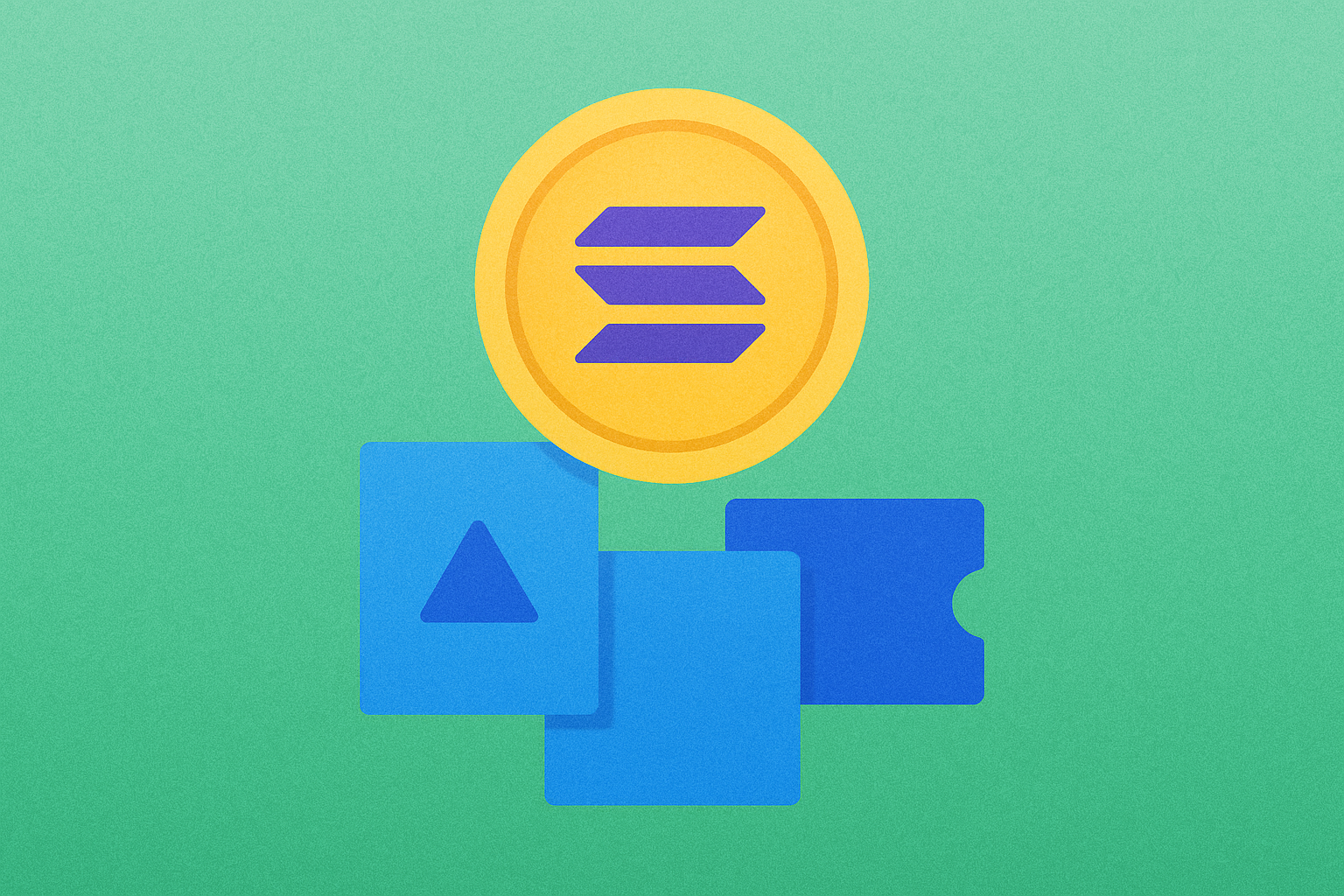
What Are NFTs?
An NFT (Non-Fungible Token) is a unique digital asset that signifies ownership of a specific item. Unlike standard tokens, which are interchangeable and identical in value, each NFT is one-of-a-kind. This guide provides an in-depth look at NFT fundamentals, technical implementation on the Solana network, and real-world use cases.
Understanding Non-Fungibility
Comprehending non-fungibility is essential to understanding NFTs. “Fungible” refers to assets that are interchangeable, while “non-fungible” means assets are unique and cannot be exchanged on a one-to-one basis.
Fungible assets (standard tokens) have units that are identical and freely interchangeable. For example, one USDC is equal to any other USDC. Currencies and stocks fall into this category, making them ideal for monetary transactions and liquidity.
Non-fungible assets, by contrast, each have unique characteristics and cannot be directly exchanged. Examples include artworks and real estate. A Monet painting and a Picasso painting may both be valuable, but each has its own distinct attributes and cannot be swapped one-for-one. NFTs operate on this principle—every NFT is distinguishable by its unique properties.
Typical NFT Use Cases
NFT technology enables transformative applications across numerous sectors. The following are some key use cases.
In digital art and collectibles, NFTs are reshaping the traditional art market. Artists can sell directly to collectors without intermediaries and automatically receive royalties from secondary sales. Blockchain ensures authenticity and grants digital artworks access to global markets.
Within gaming assets, NFTs are revolutionizing in-game economies. Players can trade items freely and use assets across compatible games. Even if a game shuts down, players retain ownership of their digital assets, establishing true digital property rights.
In music and media, NFTs foster direct relationships between artists and audiences. Fans support artists directly, and royalties are distributed transparently. NFTs also allow access to exclusive content and unique media experiences, paving the way for new monetization models.
For event tickets, NFTs enhance anti-counterfeiting and unlock new sources of value. Ticket authenticity is verifiable, and resale restrictions can prevent marketplace abuse. After events conclude, tickets may retain value as collectibles.
Regarding membership and access control, NFTs allow for transferable memberships and tiered access levels. Members can participate in community governance and enjoy exclusive benefits.
NFTs on Solana: How It Works
Solana’s NFT implementation features several competitive advantages over other blockchains.
The technical architecture includes three main components. The asset account acts as a unique identifier, storing critical NFT data on Solana. Plugins extend basic functionality with additional features. Associated files are typically stored off-chain using decentralized solutions like IPFS or Arweave.
Why Solana stands out: First, NFT creation costs are extremely low compared to other networks. Second, transaction speeds are exceptionally fast, enabling near-instant transfers and purchases. NFT compression further reduces costs for large collections. Finally, Solana boasts a vibrant ecosystem, active marketplaces, and a dynamic community.
NFT Costs on Solana
Solana offers significantly lower NFT-related expenses than competing blockchains.
Typical fees include minimal costs to mint NFTs. Buying NFTs incurs a marketplace fee of 2–3% and a small network fee. Listing NFTs for sale is usually free, and transfers cost very little.
NFT compression enables even deeper cost savings, especially for in-game assets. This approach retains ownership benefits while optimizing technical structure.
NFT Storage and Management
Proper storage and management are vital for NFT holders.
Most Solana wallets automatically display NFT collections, including images and metadata. Collections are organized for easy access and transfer.
Key best practices: Use trusted wallets, always verify NFT authenticity, and stay alert for suspicious messages. For valuable assets, consider a hardware wallet. Fully understanding ownership concepts is crucial.
Minting NFTs
Minting NFTs on Solana is straightforward. Create or acquire digital content, upload it to storage, generate a metadata file, and mint the NFT on Solana. The asset can then be listed for sale in a marketplace.
Conclusion
NFTs represent an innovation that redefines digital ownership. Their non-fungible nature enables wide-ranging applications in digital art, gaming, event ticketing, membership, and more. The Solana network delivers optimal NFT implementation with low costs, rapid processing, and a robust ecosystem. As NFT technology matures and adoption grows, Solana’s role in the digital economy will become increasingly significant.
FAQ
What Is an NFT on Solana?
Solana NFTs are unique digital tokens minted on the blockchain. They use cryptographic properties to represent ownership of art, collectibles, and more. Compared to Ethereum, Solana offers lower costs and faster transactions.
How Much Are Solana NFTs Worth?
As of December 2025, Solana NFT market capitalization is roughly $14.27 million, with a floor price averaging 11.01 SOL. Leading collections reach floor prices of 19.99 SOL, and the market continues to expand.
Are Solana NFTs Valuable?
Yes. Solana’s low transaction costs make NFT minting and trading more accessible, reducing barriers for creators and collectors.
What Are the Advantages of Solana NFTs over Ethereum NFTs?
Solana NFTs feature much faster transactions (2,600 per second compared to Ethereum’s 15) and substantially lower gas fees, offering superior user experiences and efficient trading.
How Do I Buy and Mint NFTs on Solana?
Connect a Solana wallet to a marketplace such as Metaplex and purchase NFTs using SOL tokens. To mint NFTs, use the SPL Token Program, set the quantity to 1 and decimals to 0, and disable future minting.
What Risks and Scams Exist When Trading Solana NFTs?
Be cautious of rug pulls, phishing, and fake NFT drops. Scammers often disappear after collecting funds. Always verify project legitimacy, check official communities, and review contract details before investing.
Mastering Solscan: A Comprehensive Guide to Blockchain Explorer Usage
Exploring Compressed NFTs: Ultimate Solana Usage Guide

Discover the Power of Solana with an Innovative Blockchain Explorer
Essential Guide to Trading NFTs on the Solana Blockchain
NFT Essentials: Key Concepts and Practical Insights for Beginners

Comprehensive Guide to Solana Blockchain Exploration

What is project fundamentals analysis and why does it matter for crypto investors in 2026
What Causes Crypto Price Volatility and How Do Support and Resistance Levels Impact Trading
OGCommunity Premarket Guide: $OGC Early Access to Trading and Key Listing Info
What is a token economic model and how does allocation, inflation, and governance affect crypto value
Backpack Airdrop Guide: How to Participate and Claim $BACK Rewards?