fomox
MarketsPerpsSpotSwap
Meme
Referral
More
Search Token/Wallet
/

TPS là gì?

2026-01-04 14:02:05
Blockchain
Crypto Tutorial
Layer 2
Web 3.0
Zero-Knowledge Proof
Рейтинг статті : 3
124 рейтинги
# Khái Niệm Về TPS Trong Công Nghệ Blockchain TPS (Transactions Per Second) là chỉ số then chốt đo lường khả năng xử lý giao dịch của blockchain, ảnh hưởng trực tiếp đến tốc độ, khả năng mở rộng và trải nghiệm người dùng. Bài viết cung cấp cái nhìn toàn diện về cơ chế hoạt động của TPS, tầm quan trọng của nó đối với nhà đầu tư và trader trên các sàn giao dịch như Gate, cùng với so sánh TPS giữa các blockchain hàng đầu (Bitcoin, Ethereum, Solana). Ngoài ra, bài viết phân tích ưu điểm, rủi ro và cách thức cân bằng giữa hiệu suất cao và bảo mật, đồng thời khám phá mối liên hệ phức tạp giữa TPS và phân tán hóa.
TPS là gì?

Tầm quan trọng của TPS đối với nhà đầu tư, trader và người dùng

TPS không chỉ là một chỉ số kỹ thuật; nó còn có ý nghĩa thiết thực đối với nhà đầu tư, trader và người dùng cuối. Một TPS cao cho thấy một hệ thống có khả năng xử lý giao dịch nhanh chóng, giảm thiểu thời gian chờ và tăng cường trải nghiệm người dùng. Điều này đặc biệt quan trọng trong các thị trường tài chính, nơi mà tốc độ có thể ảnh hưởng trực tiếp đến lợi nhuận của các nhà giao dịch. Khi một nền tảng có TPS cao, người dùng có thể thực hiện các giao dịch của họ mà không phải chịu những độ trễ không cần thiết, từ đó cải thiện hiệu suất giao dịch tổng thể.

TPS hoạt động như thế nào?

TPS, viết tắt của "Transactions Per Second", được tính bằng cách đo số lượng giao dịch hoàn thành trong một khoảng thời gian nhất định và chia cho số giây trong khoảng thời gian đó. Ví dụ, nếu một hệ thống xử lý được 1000 giao dịch trong 10 giây, thì TPS của nó là 100. Công thức này cho phép đánh giá khả năng xử lý giao dịch của bất kỳ hệ thống nào một cách khách quan. Để tăng TPS, các hệ thống có thể tối ưu hóa cơ sở dữ liệu, cải thiện thuật toán xử lý, hoặc sử dụng phần cứng mạnh mẽ hơn. Ngoài ra, việc áp dụng các giải pháp công nghệ tiên tiến cũng có thể giúp nâng cao chỉ số này một cách đáng kể.

Ví dụ và ứng dụng thực tế của TPS

Trong lĩnh vực blockchain, Ethereum và Bitcoin là hai ví dụ điển hình về tầm quan trọng của TPS. Ethereum, với các cải tiến như sharding và Ethereum 2.0, đang nỗ lực nâng cao TPS để hỗ trợ nhiều ứng dụng hơn. Trong khi đó, các giải pháp như Lightning Network của Bitcoin cũng nhằm mục đích tăng TPS bằng cách xử lý giao dịch ngoài chuỗi chính. Những nỗ lực này cho thấy rằng cộng đồng blockchain nhận thức rõ về tầm quan trọng của TPS trong việc phát triển các ứng dụng quy mô lớn và hiệu quả hơn.

Ưu điểm và rủi ro của TPS cao

Một TPS cao mang lại nhiều lợi ích như tốc độ giao dịch nhanh, khả năng mở rộng tốt và trải nghiệm người dùng suôn sẻ. Khi TPS cao, các nhà giao dịch có thể thực hiện nhiều giao dịch trong thời gian ngắn mà không gặp phải tình trạng tắc nghẽn hoặc độ trễ. Tuy nhiên, việc tăng TPS có thể dẫn đến các vấn đề về an toàn và bảo mật, vì các hệ thống phải xử lý một lượng lớn dữ liệu trong thời gian ngắn, có thể làm tăng khả năng xảy ra lỗi hoặc lỗ hổng. Do đó, việc cân bằng giữa hiệu suất cao và bảo mật là một thách thức quan trọng mà các nhà phát triển hệ thống phải đối mặt.

So sánh TPS trong các dự án blockchain khác nhau

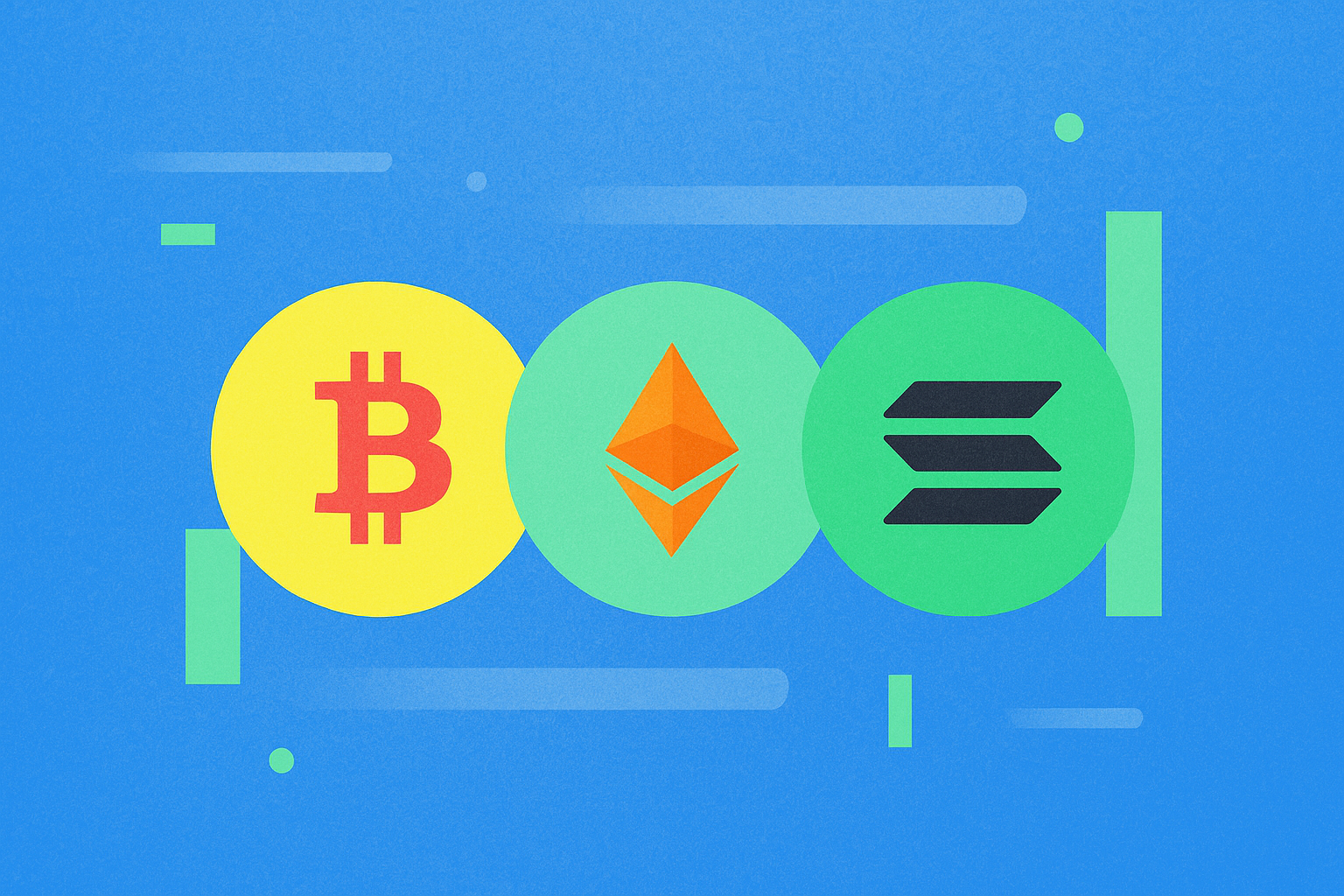
So sánh TPS giữa các blockchain như Ethereum, Bitcoin và các đối thủ mới nổi như Solana hay Cardano có thể giúp nhà đầu tư hiểu rõ hơn về tiềm năng và hạn chế của từng nền tảng. Solana, ví dụ, được biết đến với TPS rất cao, lên đến hàng chục nghìn, trong khi Bitcoin chỉ có TPS khoảng 7 giao dịch mỗi giây. Sự khác biệt này phản ánh các lựa chọn thiết kế khác nhau giữa các blockchain, trong đó một số ưu tiên tốc độ cao trong khi những cái khác tập trung vào tính phân tán và bảo mật.

TPS trên các nền tảng giao dịch hàng đầu

Các sàn giao dịch tiền điện tử hàng đầu luôn chú trọng đến việc cải thiện TPS để đảm bảo trải nghiệm giao dịch mượt mà và hiệu quả cho người dùng. Việc tăng cường TPS giúp các nền tảng xử lý lượng lớn giao dịch trong thời gian ngắn, làm giảm độ trễ và cải thiện độ tin cậy của sàn giao dịch. Điều này đặc biệt quan trọng trong các thời kỳ có khối lượng giao dịch cao, khi số lượng người dùng tăng đột biến và nhu cầu xử lý giao dịch nhanh chóng trở nên cấp bách hơn bao giờ hết.

FAQ

TPS là gì? Nó có ý nghĩa gì trong blockchain?

TPS là viết tắt của Transactions Per Second(mỗi giây xử lý được bao nhiêu giao dịch)。Chỉ số này thể hiện khả năng xử lý giao dịch của blockchain。TPS càng cao,blockchain càng có khả năng mở rộng tốt hơn,xử lý nhiều giao dịch đồng thời。

TPS cao hay thấp tốt hơn? Tại sao TPS lại quan trọng?

TPS cao thường tốt hơn vì xử lý giao dịch nhanh chóng và hiệu quả hơn。TPS quan trọng vì nó ảnh hưởng trực tiếp đến tốc độ mạng,khả năng xử lý khối lượng giao dịch lớn,và trải nghiệm người dùng。

Bitcoin, Ethereum, Solana có TPS bao nhiêu? So sánh TPS giữa các blockchain

Bitcoin có TPS khoảng 7, Ethereum khoảng 30, còn Solana lên tới 65.000 TPS. Solana nhanh hơn Ethereum 2.000 lần và Bitcoin 9.000 lần, là blockchain có tốc độ xử lý giao dịch cao nhất trong ba đối tượng so sánh này。

Làm thế nào để tăng TPS của một blockchain?

Để tăng TPS,có thể sử dụng giải pháp Layer 2 như Rollup(Optimistic Rollup hoặc Zero-Knowledge Proof)để xử lý giao dịch ngoài lớp chính,hoặc tối ưu hóa cơ chế đồng thuận và tăng kích thước khối。

TPS và độ phân tán (decentralization) có mối liên hệ như thế nào?

TPS và decentralization có mối liên hệ phức tạp:tăng decentralization thường giảm TPS do nhiều nút xác thực gây chậm đồng thuận,ngược lại tập trung hóa có thể nâng TPS nhưng giảm an toàn tính。Cân bằng giữa hai yếu tố này là thách thức cốt lõi của thiết kế blockchain。

* Ця інформація не є фінансовою порадою чи будь-якою іншою рекомендацією, запропонованою чи схваленою Gate, і не є нею.

Поділіться

Контент

Tầm quan trọng của TPS đối với nhà đầu tư, trader và người dùng

TPS hoạt động như thế nào?

Ví dụ và ứng dụng thực tế của TPS

Ưu điểm và rủi ro của TPS cao

So sánh TPS trong các dự án blockchain khác nhau

TPS trên các nền tảng giao dịch hàng đầu

FAQ

Пов’язані статті
Optimizing Blockchain Data Structures: Exploring Verkle Trees

Optimizing Blockchain Data Structures: Exploring Verkle Trees

The article delves into blockchain data structures, specifically Merkle trees and their advanced variant, Verkle trees, explaining their roles in ensuring data integrity and security. It addresses the need for efficient transaction verification and transparency through Proof of Reserves, benefiting users and platforms like Gate. The structure covers hashing fundamentals, Merkle tree mechanisms, and Proof of Reserves protocols, enhancing reader understanding of how trust is established in decentralized systems. Emphasizing key data structure innovations, it highlights the shift from faith-based to verifiable trust systems in cryptocurrency.
2025-12-06 14:00:40
Exploring Plonky2 and the Future of Zero-Knowledge Proofs

Exploring Plonky2 and the Future of Zero-Knowledge Proofs

This article dives deep into Plonky2, a cutting-edge zero-knowledge proving system developed by Polygon, enhancing the efficiency and scalability of blockchain technologies. It resolves key performance and cost challenges, optimizing both proving time and proof size through its use of FRI commitment scheme and Goldilocks Field. By integrating with Starky, Plonky2 offers unrivaled recursion capabilities, compressing transaction proofs into single compact proofs. Ideal for blockchain developers seeking efficient layer-2 solutions, this groundbreaking system promises to revolutionize zero-knowledge proof applications and blockchain performance.
2025-12-22 20:31:40
Exploring Fraud Proof Mechanisms in Layer 2 Blockchain Solutions

Exploring Fraud Proof Mechanisms in Layer 2 Blockchain Solutions

The article explores fraud proof mechanisms in Layer 2 blockchain solutions, highlighting issues, solutions, and innovations within Optimistic Rollups. It examines the workflow, efficiency, and security challenges of fraud proofs compared to validity proofs, emphasizing their importance in mitigating dishonest behavior. The piece analyzes historical and current advancements, showcasing Optimism's Cannon project as a significant development in on-chain execution efficiency. Suitable for blockchain developers and enthusiasts, the article addresses transaction integrity and scalability, providing insights into evolving technological improvements in Layer 2 environments.
2025-12-24 11:41:24
Uncovering StarkNet: Understanding Cairo

Uncovering StarkNet: Understanding Cairo

This article explores Cairo, the foundational programming language powering StarkNet's Layer 2 scaling solution on Ethereum. Cairo enables developers to build high-performance decentralized applications leveraging zero-knowledge proofs and STARK cryptography without requiring deep cryptographic expertise. The article examines Cairo's Von Neumann architecture for flexible memory allocation, its Goldilocks principle balancing code expressibility with proof efficiency, and its computational integrity approach using cryptographic proofs instead of traditional fraud mechanisms. Key highlights include Cairo's impressive adoption metrics—ranking fourth by TVL among smart contract languages—with over 300 million transactions facilitated. The Cairo 1.0 upgrade introduces Rust-like syntax and Sierra intermediate representation, significantly lowering the learning curve for mainstream developers. This comprehensive guide equips both newcomers and experienced developers with essential knowledge to leverage Cairo and Star
2026-01-11 04:27:19
Enhancing Cross-Chain Connectivity with Advanced Bridge Solutions
Enhancing Cross-Chain Connectivity with Advanced Bridge Solutions

The article discusses advanced bridge solutions enhancing cross-chain connectivity and interoperability among blockchains. It guides users on bridging assets to Layer 2 solutions, highlighting the importance of selecting secure wallets and compatible assets. The piece delves into various bridge services, detailing a step-by-step bridging process while emphasizing security measures and best practices. It addresses issues like fees, timelines, and troubleshooting. Aimed at cryptocurrency users looking to streamline their transactions, the article offers practical advice for safely navigating blockchain ecosystems.
2025-11-08 10:27:59
What is Layer 2

What is Layer 2

Discover effective Layer 2 scaling solutions for the Ethereum blockchain. Learn how technologies like Rollups and Plasma reduce gas fees and improve transaction speeds. Explore leading Layer 2 projects, and see how Gate ecosystem integration enhances blockchain scalability and security.
2025-12-30 04:01:54
Рекомендовано для вас
What are the biggest cryptocurrency security risks and exchange hacks in 2025

What are the biggest cryptocurrency security risks and exchange hacks in 2025

This comprehensive guide examines the critical cryptocurrency security landscape in 2025, covering $14.7 billion in smart contract losses driven by reentrancy attacks and logic errors. It analyzes major exchange security breaches stemming from centralized custody risks and protocol failures, contrasting hot wallet vulnerabilities with distributed storage solutions. The article explores network attack vectors including cross-chain bridge exploits and DeFi protocol vulnerabilities that cascade through interconnected platforms. Practical sections address common security threats like phishing and inadequate wallet protection, while providing actionable defense strategies including two-factor authentication, hardware wallets, and cold storage best practices. Whether trading on platforms like Gate or managing personal assets, readers gain essential knowledge to identify risks, evaluate exchange security infrastructure, and implement robust protection mechanisms aligned with their risk tolerance in the evolving cryp
2026-01-12 05:28:40
What Is Taiko?

What Is Taiko?

This comprehensive guide explores Taiko, an open-source ZK-Rollup Layer 2 solution designed to address Ethereum's scalability challenges and high transaction fees. The article examines Taiko's innovative architecture that consolidates transactions into batches validated through Zero-Knowledge proofs, delivering up to 100x throughput improvements while preserving decentralization and security. Key sections cover how Taiko differentiates itself through permissionless accessibility and Ethereum compatibility, analyze market dynamics including current token pricing between $2.50-$2.85, and provide investment considerations requiring thorough due diligence. The guide evaluates Taiko's promising future backed by $22 million in funding from prominent investors, explores its strategic positioning within the blockchain scalability narrative, and explains wallet accessibility. A practical FAQ section covers technical architecture, use cases across DeFi and gaming, and community participation opportunities for users see
2026-01-12 05:28:40
How does Federal Reserve policy and inflation data impact crypto prices in 2026

How does Federal Reserve policy and inflation data impact crypto prices in 2026

This article examines how Federal Reserve monetary policy and inflation data directly influence cryptocurrency valuations in 2026. It explores the inverse correlation between interest rate decisions and Bitcoin/Ethereum prices, explaining how rate hikes compress crypto valuations while rate cuts support price appreciation. The analysis reveals that CPI releases trigger significant market reactions, with elevated inflation typically pressuring digital assets downward. The article demonstrates cross-market transmission mechanisms through traditional assets like S&P 500 and gold, showing how macroeconomic indicators propagate through interconnected financial systems. Ideal for traders and investors monitoring Fed announcements and inflation trends on platforms like Gate, this guide provides frameworks for anticipating cryptocurrency market shifts based on fundamental macroeconomic dynamics and real-time policy expectations.
2026-01-12 05:27:00
How to Swap Tokens on a Multi-Chain Wallet: A Beginner's Guide
How to Swap Tokens on a Multi-Chain Wallet: A Beginner's Guide

This comprehensive beginner's guide walks you through token swapping on decentralized platforms using multi-chain wallets. Learn how to securely set up your wallet, navigate intuitive interfaces, and execute both standard and cross-chain swaps seamlessly. Understand critical concepts including transaction fees, slippage management, and gas optimization strategies. The guide covers everything from initial wallet creation and recovery phrase backup to performing actual token exchanges across 100+ supported blockchains. Discover how multi-chain wallets eliminate the need for centralized exchanges while providing robust security features. Whether you're diversifying your portfolio or exploring different blockchain ecosystems, this guide equips you with essential knowledge to swap tokens confidently and manage crypto assets efficiently across multiple networks.
2026-01-12 05:26:46
What is the whitepaper logic and technical innovation behind this crypto project in 2026
What is the whitepaper logic and technical innovation behind this crypto project in 2026

This article provides a comprehensive analysis of a cryptocurrency project's whitepaper logic and technical innovations in 2026. It examines the core value proposition addressing market inefficiencies through innovative problem-solving mechanisms and tokenomics design. The whitepaper core logic section details how this crypto project differentiates itself through blockchain architecture advances, including optimized consensus mechanisms and layer-two solutions for superior scalability. Technical innovation highlights protocol differentiation, smart contract optimization, and enhanced interoperability frameworks that deliver measurable user benefits. The article evaluates real-world applications within the Solana ecosystem and adoption trajectory across major exchanges including Gate. Additionally, it assesses roadmap progress and team execution credentials, demonstrating the project's capability to deliver promised technical breakthroughs. A detailed FAQ section clarifies key technical innovations, consensus
2026-01-12 05:22:02
What Does On-Chain Data Analysis Reveal About Crypto Whale Movements and Active Addresses in 2026

What Does On-Chain Data Analysis Reveal About Crypto Whale Movements and Active Addresses in 2026

This article provides a comprehensive guide to on-chain data analysis in 2026, revealing how blockchain metrics decode cryptocurrency market movements. It explores three core pillars: active address trends indicating genuine network participation and adoption health, whale accumulation patterns showing institutional positioning through wallet-level distribution analysis, and transaction volume dynamics reflecting economic activity intensity. By examining these interconnected metrics—tracked through platforms like Gate—readers gain strategic insights into market sentiment shifts before price movements materialize. The guide distinguishes between retail engagement and whale-driven speculation, helping investors identify accumulation phases, predict volatility patterns, and recognize ecosystem health indicators for informed trading decisions.
2026-01-12 05:20:07