Understanding Decentralized Autonomous Organizations in Cryptocurrency

What is a DAO?
Decentralized Autonomous Organizations (DAOs) have emerged as a significant force in the cryptocurrency and Web3 landscape, despite the challenges faced by the broader crypto market. These organizations represent a new paradigm in governance and decision-making, leveraging blockchain technology to create transparent, community-driven entities.
What is a DAO in Crypto?
A DAO is a blockchain-based governance structure that operates without centralized control. Unlike traditional organizations, DAOs use smart contracts on blockchain networks to facilitate voting and decision-making processes. This structure allows for peer-to-peer governance, where all participants have equal access to propose and vote on decisions affecting the organization.
How do DAOs Work?
DAOs typically operate through the use of governance tokens, which grant voting rights to holders. These tokens are used to participate in decision-making processes within the DAO's dedicated governance portals. Proposals are submitted, voted on, and executed through smart contracts, ensuring transparency and eliminating the need for intermediaries.
How to Join a DAO
Joining a DAO involves acquiring the specific governance tokens associated with the project. These tokens can often be purchased on cryptocurrency platforms or earned through participation in the project's activities. Once obtained, token holders can link their wallets to the DAO's platform and engage in voting and discussions.
What are the Benefits of Crypto DAOs?
The primary advantages of DAOs lie in their decentralization and transparency. They offer a more democratic approach to decision-making, allowing all token holders to have a say in the organization's direction. The use of blockchain technology ensures that voting processes are secure, transparent, and resistant to manipulation.
What are the Risks of Crypto DAOs?
Despite their benefits, DAOs face several challenges. Security risks, such as smart contract vulnerabilities, remain a concern. Additionally, the decentralized nature of DAOs can lead to slow decision-making processes. There are also questions about the true level of decentralization in some DAOs, where a small number of participants may hold a majority of voting power.
What's the Most Known DAO in Crypto?
Several prominent DAOs have emerged in the crypto space, each serving different purposes:
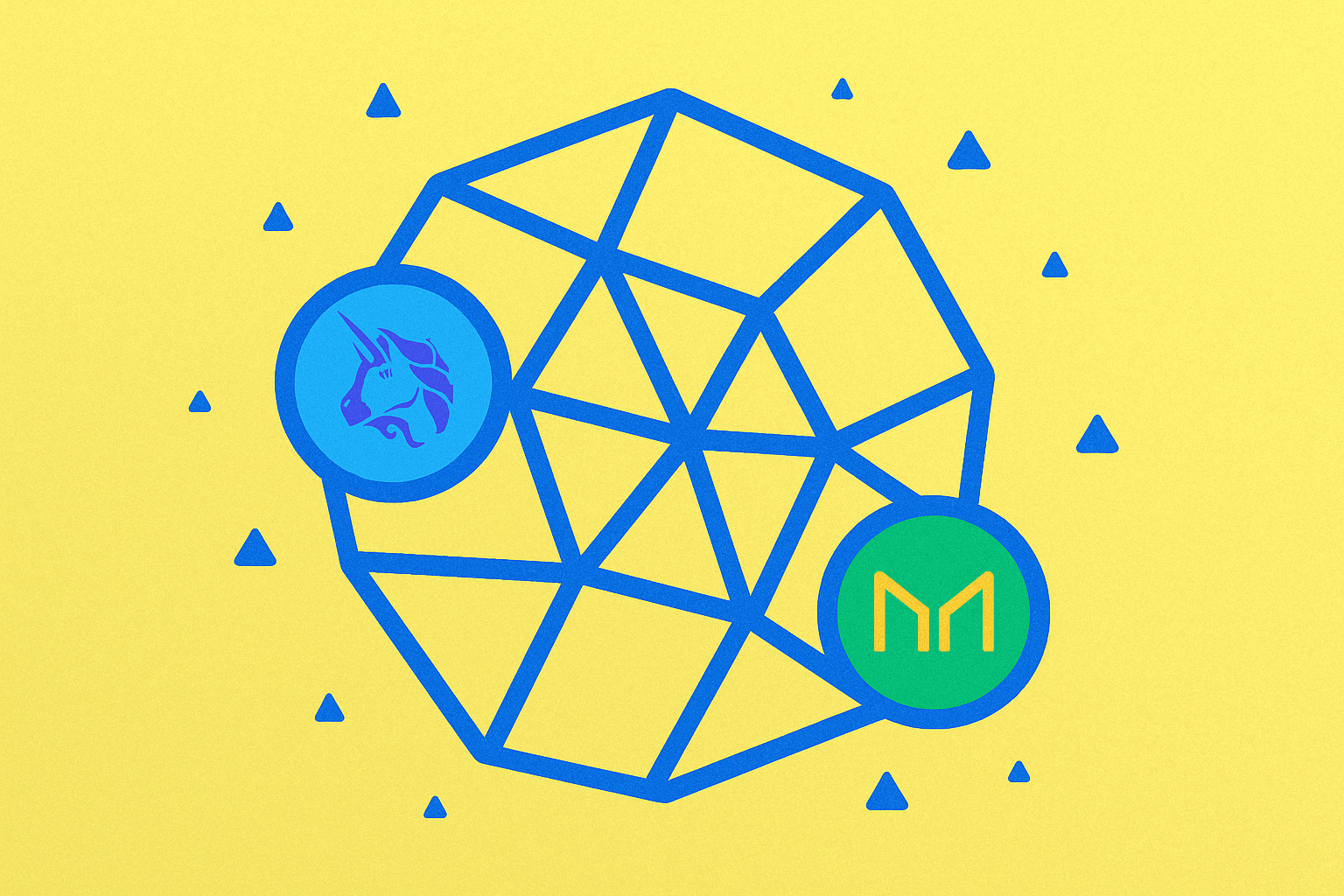
- A popular decentralized exchange DAO: Governs one of the most widely-used decentralized exchanges.
- A stablecoin management DAO: Manages a well-known stablecoin and related lending protocols.
- A liquid staking DAO: Focuses on liquid staking solutions for various cryptocurrencies.
Conclusion
DAOs represent a revolutionary approach to organizational governance in the digital age. By leveraging blockchain technology, they offer a transparent, decentralized alternative to traditional decision-making structures. While challenges remain, particularly in security and efficiency, DAOs continue to evolve and play an increasingly important role in the Web3 ecosystem. As the technology matures, DAOs have the potential to reshape not only the crypto industry but also broader concepts of governance and community organization.
FAQ
What is a DAO in crypto?
A DAO (Decentralized Autonomous Organization) is a blockchain-based entity governed by smart contracts and community members, operating without central authority.
What is an example of a DAO?
MakerDAO is a prominent example of a DAO in the crypto space. It governs the Dai stablecoin and allows token holders to vote on key decisions.
Is DAO crypto a good investment?
Yes, DAO crypto can be a good investment. It offers potential for high returns and decentralized governance. As the crypto market grows, DAOs are likely to play a larger role in the ecosystem.

Understanding Sybil Attacks: Enhancing Security in Blockchain Networks
Top DAO Crypto Initiatives for New Enthusiasts

What Are the Compliance and Regulatory Risks in DeFi and Crypto Exchanges in 2025?
What Is Tokenomics: Token Distribution, Inflation Mechanisms, and Burn Strategies Explained

What Is a Token Economics Model and How Do Allocation, Inflation, and Governance Work?

What is a Token Economy Model: How Distribution, Inflation, and Governance Mechanisms Work in Crypto?
What is Fuel Network (FUEL)? Everything You Need to Know about FUEL

Zora (ZORA) Airdrop Guide: Participation Steps, Reward Collection, and Price Predictions
What Is BNB Chain?

All You Need To Know About Yescoin
How to Buy Baron ($BARRON) Coin: What is Baron Trump Cryptocurrency?