

Understanding the Cycles of Cryptocurrency Through the History of Crypto Winters
The Crypto Carousel: Explaining Cryptocurrency Cycles
The cryptocurrency market, while known for its volatility and unpredictability, may follow certain patterns that some traders believe reflect natural market rhythms. This phenomenon, known as crypto cycle theory, suggests that beneath the surface of seemingly random price movements lies a predictable structure driven by market dynamics and trader psychology. Understanding these cycles has become an essential tool for many traders seeking to optimize their entry and exit positions in the digital asset market, particularly when navigating through periods commonly referred to as crypto winter history.
Understanding crypto market cycles
Crypto market cycles represent observable long-term patterns in price movements and trading behaviors across the cryptocurrency ecosystem. These cycles are identified through careful analysis of historical price data combined with fundamental principles of trading psychology. Traders who study these patterns look for correlations between past and present market conditions to forecast potential future scenarios.
The core principle behind crypto cycle theory is that regardless of external economic factors or breaking news, cryptocurrencies tend to move through predictable phases characterized by distinct market behaviors and sentiment shifts. Each phase exhibits unique characteristics in terms of price action, trading volume, and investor psychology. By recognizing these patterns, traders attempt to position themselves advantageously for different market conditions.
Proponents of this theory argue that while history doesn't guarantee future outcomes, the recurring nature of these cycles provides a framework for understanding market dynamics. This seasonality in cryptocurrency markets manifests through four distinct phases, each marking a transition in market sentiment from extreme pessimism to euphoria and back again. Understanding crypto winter history has become particularly important for long-term investors who seek to identify optimal accumulation periods.
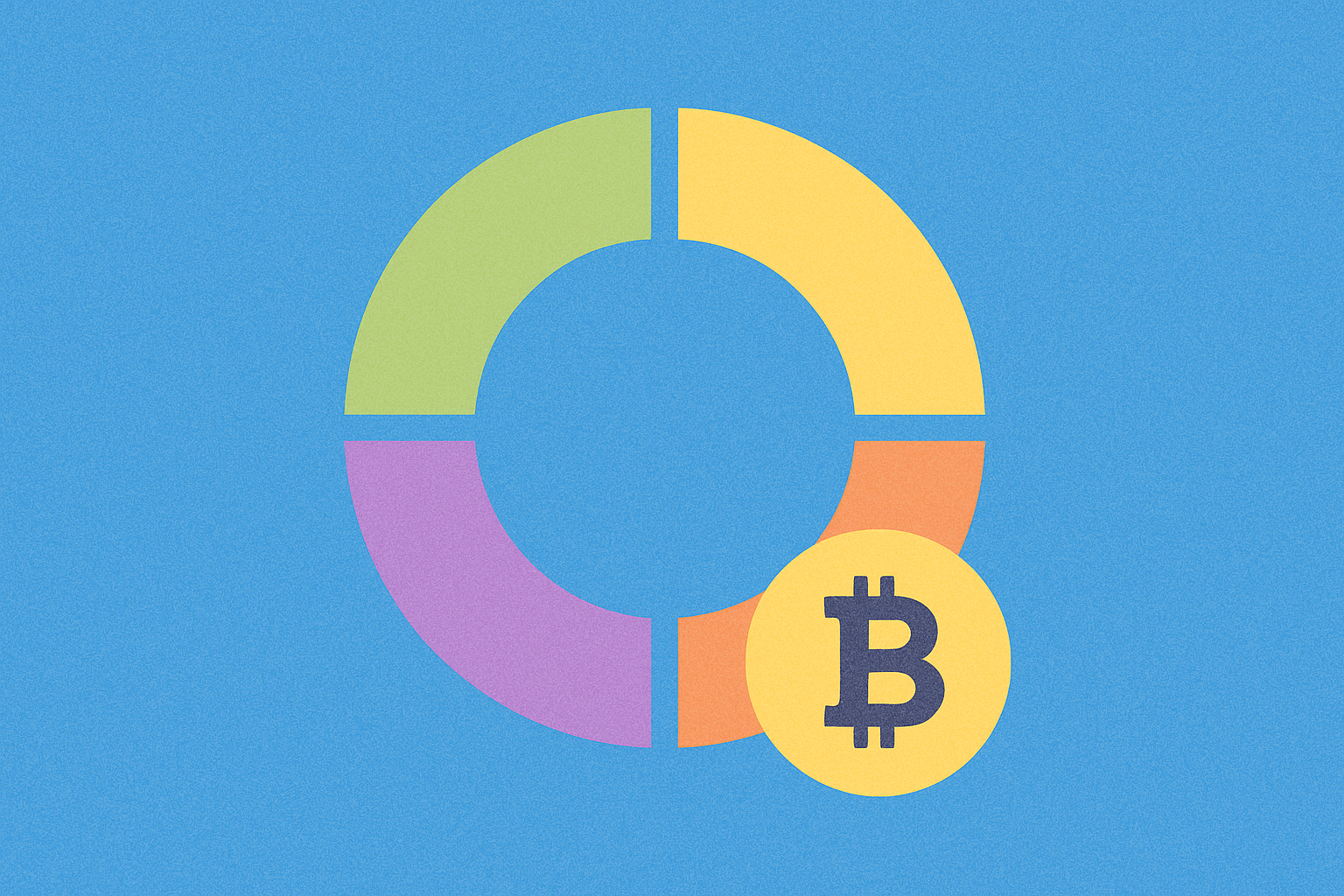
The purported four phases of a crypto cycle chart
The crypto market cycle theory identifies four major phases that digital assets typically progress through. Each phase has distinct characteristics that help traders assess current market conditions and adjust their strategies accordingly.
The first phase, known as consolidation or accumulation, represents the quietest period in the crypto cycle. This phase follows significant price declines and is characterized by minimal trading activity, tight price ranges, and limited media attention. Often referred to as "crypto winter," this period sees prices at their lowest levels with pervasive pessimism throughout the market. Examining crypto winter history reveals that these periods, while psychologically challenging, have historically presented significant opportunities. Long-term investors often view this as an opportunity to acquire assets at discounted prices, building positions for future appreciation. Notable examples from crypto winter history include the extended bear markets of 2014-2015 and 2018-2019, where prices remained suppressed for extended periods before eventual recovery.
The second phase, called the markup phase, marks the transition from pessimism to optimism. During this period, the market begins to recover as more traders enter positions, reflected in higher trading volumes and upward price trends. This phase often follows positive news events or significant network upgrades, though the exact catalyst isn't always clear. A notable characteristic of this phase is the prevalence of FOMO (fear of missing out), which can drive irrational trading behavior as prices reach new highs.
The third phase, distribution, represents a critical turning point where early investors begin taking profits while new participants continue entering the market. Prices typically remain elevated but show less dramatic growth compared to the markup phase. This creates a standoff between buyers hoping for further gains and sellers looking to secure profits. The market becomes increasingly uncertain as traders debate whether the bull run has more momentum or is nearing exhaustion.
The fourth and final phase, markdown, occurs when selling pressure overwhelms buying interest. Prices decline sharply, and market sentiment shifts from cautious to panicked. Fear, uncertainty, and doubt dominate this period, often accompanied by negative headlines and market scandals. As the selling pressure subsides and most participants exit their positions, trading volumes decrease, and prices stabilize at lower levels, setting the stage for a new consolidation phase and potentially another chapter in crypto winter history.
How long do crypto cycles last?
While crypto cycles don't follow a fixed schedule, many traders observe a recurring four-year pattern in cryptocurrency markets. This theory suggests that the complete progression through accumulation, markup, distribution, and markdown phases occurs within approximately four years, and crypto winter history provides considerable support for this timeframe.
A significant factor influencing this four-year cycle is Bitcoin's halving event, which occurs roughly every four years. During a halving, Bitcoin's inflation rate is cut in half, and miners receive 50% fewer BTC rewards for validating transactions. Given Bitcoin's dominant position as the largest cryptocurrency by market capitalization, these halvings significantly impact overall market sentiment and behavior.
Crypto winter history shows notable patterns following Bitcoin halvings that occurred in 2012, 2016, and 2020. For example, the bull market that peaked in late 2017 saw Bitcoin reach nearly $20,000 per coin before entering a prolonged bear market that lasted through 2018 and much of 2019. The market didn't achieve new highs until the 2020-2021 bull run, roughly four years later. More recently, following the 2020 halving, the market experienced another significant bull run before entering a consolidation period. The most recent halving occurred in 2024, and historical patterns suggest potential market developments in the subsequent periods. However, while this correlation is compelling, debate continues over whether this pattern will reliably repeat and how strong the causal relationship truly is between halvings and market cycles.
How to identify a crypto market cycle
Identifying the current phase of a crypto market cycle requires careful analysis of multiple indicators and tools. While perfect foresight is impossible, traders use various metrics to make educated assessments about market conditions and potential opportunities, drawing valuable lessons from crypto winter history.
The Bitcoin halving cycle chart serves as a primary tool for many traders. Whether halvings directly cause bull runs or simply create self-fulfilling prophecies through market expectations, these events significantly influence crypto market psychology. Historical patterns from crypto winter history show markup phases typically beginning within a year after halvings, followed by multi-year consolidation periods.
The Bitcoin dominance chart measures Bitcoin's market capitalization relative to the total crypto market, indicating the percentage of capital allocated to BTC versus altcoins. Higher Bitcoin dominance often suggests a risk-off environment characteristic of markdown or consolidation phases, as traders seek the relative safety of the most established cryptocurrency. Conversely, declining Bitcoin dominance may indicate a risk-on environment typical of markup or distribution phases, as capital flows into more speculative altcoins. Crypto winter history demonstrates that Bitcoin dominance tends to increase during bear markets as investors retreat to perceived safety.
Average trading volume provides crucial insights into market activity levels. Volume bars displayed at the bottom of price charts show daily trading amounts for digital assets. Rising volume typically accompanies volatile phases like markup or markdown, while diminished volume and narrow price ranges correlate with consolidation and distribution periods. Reviewing crypto winter history reveals that trading volumes typically decline significantly during prolonged bear markets.
The Crypto Fear and Greed Index, created by Alternative.me, aggregates multiple metrics including price volatility, social media sentiment, and Bitcoin dominance to gauge overall market sentiment. This index assigns daily scores from 0 to 100, with 0 representing extreme fear and 100 indicating extreme greed. While not scientifically rigorous, it helps traders understand prevailing market emotions and identify potential entry or exit opportunities. During periods that later became part of crypto winter history, this index consistently showed extreme fear readings for extended periods.
Additionally, traders can analyze their positions through various centralized trading platforms and decentralized protocols, each offering different tools and perspectives for understanding market cycles. The choice of platform depends on individual preferences for security, features, and trading options.
Conclusion
Crypto market cycles represent a framework for understanding the recurring patterns of boom and bust in cryptocurrency markets. While debate continues over the predictive power and scientific validity of cycle theory, crypto winter history and historical patterns provide valuable context for traders navigating volatile digital asset markets. The four-phase cycle model—encompassing consolidation, markup, distribution, and markdown—offers a structured approach to analyzing market dynamics and trader psychology.
The correlation between Bitcoin halvings and subsequent bull markets, combined with tools like dominance charts, volume analysis, and sentiment indicators, provides traders with multiple perspectives for assessing current market conditions. Lessons drawn from crypto winter history emphasize the importance of patience, risk management, and emotional discipline during extended bear markets. However, it's crucial to remember that these patterns don't guarantee future outcomes, and markets can deviate from historical norms due to unprecedented events or changing market structures.
Ultimately, whether crypto cycles are driven by fundamental market mechanics or function as self-fulfilling prophecies, understanding these patterns—including the valuable lessons from crypto winter history—remains a valuable component of cryptocurrency market analysis. Traders who combine cycle theory with comprehensive risk management and diverse analytical tools position themselves to navigate the crypto market's characteristic volatility more effectively, regardless of which phase the market currently occupies. By studying crypto winter history, investors can better prepare psychologically and strategically for inevitable market downturns while maintaining perspective on long-term opportunities.
FAQ
How many crypto winters have there been?
There have been four major crypto winters up to 2025. Each was triggered by different events, including exchange hacks, ICO collapse, and stablecoin failures.
Is December a good month for crypto historically?
Yes, December has historically been a strong month for crypto. Bitcoin has averaged a 9.2% gain in December since 2014, making it one of the most favorable months for cryptocurrency performance.
What happens during a crypto winter?
During a crypto winter, cryptocurrency prices plummet, trading volume decreases, and market activity slows. Investors face losses, projects struggle, and the industry experiences a prolonged downturn.
How long do crypto winters last?
Crypto winters typically last from three months to several years, with their duration varying based on market conditions and external factors.

Understanding Cross-Chain Solutions: A Guide to Blockchain Interoperability

Understanding Bitcoin's Supply Limit: How Many Bitcoins Exist?

Ultimate Guide to Top Crypto Exchange Aggregators for Efficient Trading

What Is the Current Market Overview for Cryptocurrencies in December 2025?

How Does Solana (SOL) Compare to Ethereum and Bitcoin in 2025?
How Does On-Chain Data Analysis Reveal Bitcoin Market Trends in 2025?

What is BULLA coin: analyzing whitepaper logic, use cases, and team fundamentals in 2026

How does MYX token's deflationary tokenomics model work with 100% burn mechanism and 61.57% community allocation?

What Are Derivatives Market Signals and How Do Futures Open Interest, Funding Rates, and Liquidation Data Impact Crypto Trading in 2026?

How do futures open interest, funding rates, and liquidation data predict crypto derivatives market signals in 2026?

What is a token economics model and how does GALA use inflation mechanics and burn mechanisms
