Understanding the Importance of Private Keys in Cryptocurrency


Private key explained
Private keys are a fundamental concept in the world of digital assets, playing a crucial role in securing and managing cryptocurrencies. This article will explore the nature of private keys, their functionality, and the importance of keeping them secure.
How do private keys work?
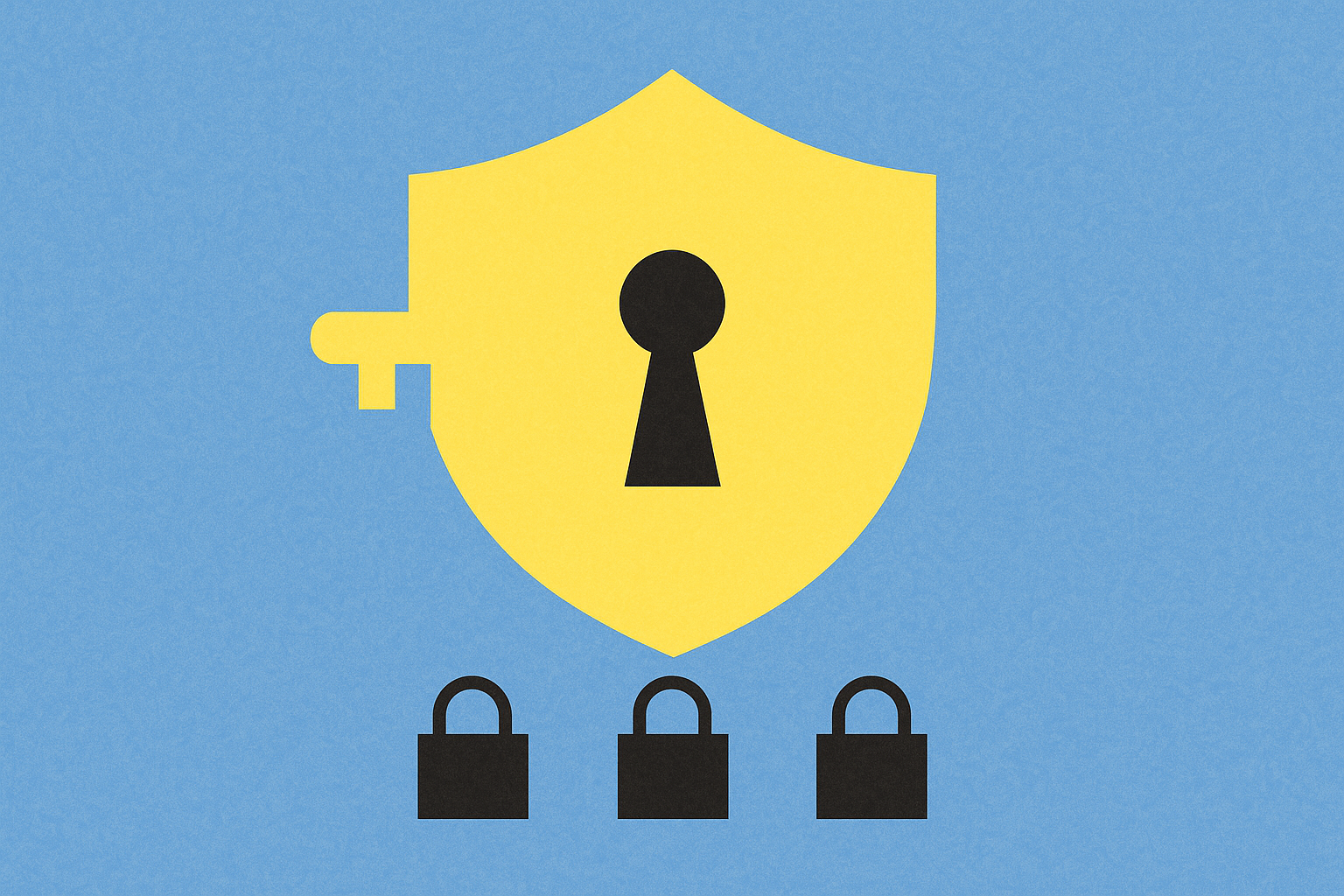
Private keys are an essential component of the cryptographic system that underpins blockchain technology. They function as a unique identifier that proves ownership and allows control over digital assets associated with a specific blockchain address.
In essence, private keys work by:
- Verifying ownership: They serve as proof that you are the rightful owner of the cryptocurrency linked to a particular address.
- Signing transactions: When you want to send cryptocurrency, your private key is used to create a digital signature that validates the transaction.
- Providing access: Private keys grant access to the funds stored in a cryptocurrency wallet.
It's important to note that while public addresses can receive funds from anyone, only the holder of the corresponding private key can initiate outgoing transactions. This system ensures that cryptocurrency ownership remains secure and verifiable.
Keeping private keys secure
The security of private keys is paramount in the cryptocurrency ecosystem. Losing access to your private keys essentially means losing access to your digital assets. Similarly, if someone else gains access to your private keys, they can potentially steal your funds. Therefore, implementing robust security measures for private key storage is crucial.
There are several methods for securely storing private keys:
-
Hardware wallets: These are physical devices designed to store private keys offline. They offer a high level of security by keeping the keys isolated from potentially compromised computers or internet-connected devices.
-
Paper wallets: While somewhat outdated, paper wallets involve printing out the private key and QR code on a physical piece of paper. This method keeps the keys offline but requires careful storage to prevent physical damage or theft.
-
Digital wallets: These include desktop, mobile, and browser-based wallets. While connected to the internet and potentially more vulnerable, reputable digital wallets employ various security measures to protect private keys.
-
Seed phrases: Many modern wallets use seed phrases (a series of words) to generate and recover private keys. These phrases should be stored securely, as they essentially represent the private keys themselves.
Regardless of the method chosen, it's crucial to implement best practices such as using strong passwords, enabling two-factor authentication when available, and being cautious of phishing attempts or suspicious links.
Conclusion
Private keys are the cornerstone of cryptocurrency ownership and security. Understanding how they work and implementing proper security measures is essential for anyone involved in the cryptocurrency space. The phrase "not your keys, not your coins" emphasizes the importance of maintaining control over your private keys to ensure true ownership of your digital assets. As the cryptocurrency ecosystem continues to evolve, the significance of private key security remains a constant, fundamental principle for all users to uphold.
FAQ
What is a private key example?
A private key example is a long string of alphanumeric characters, such as '5Kb8kLf9zgWQnogidDA76MzPL6TsZZY36hWXMssSzNydYXYB9KF'.
How do I get my private key?
Your private key is typically generated when you create a wallet. Never share it. Access it through your wallet's settings or backup options. Always store it securely offline.
Is a private key a password?
No, a private key is not a password. It's a unique cryptographic code that gives you access to your cryptocurrency and should be kept secret.
What is a crypto wallet private key?
A crypto wallet private key is a unique, secret code that allows you to access and control your cryptocurrency funds. It's like a digital signature that proves ownership of your crypto assets.
Understanding the Basics of Private Keys in Cryptocurrency

Mastering the Basics: A Comprehensive Guide to Private Keys

Exploring Differences Between Centralized and Decentralized Crypto Wallets

How to Recover Funds from a Crypto Fraud
Unlocking Blockchain Visibility: A Comprehensive Guide to Wallet Exploration

Understanding Custodial and Non-Custodial Crypto Wallets

Aptos Mainnet Launch and Noteworthy Ecosystem Projects

Decentralized Perpetual Exchange GMX Integrates Leading Multi-Chain Wallet for Enhanced Trading Access

What is TON PUNKS?

Polymarket: A Decentralized Prediction Market Platform

Leading Web3 Wallet Launches K-NFT Week to Strengthen Presence in Asian Markets