What Causes Bitcoin to Rise and Fall: Exploring the Factors
Supply and Demand
One of the most fundamental factors that determine the price of Bitcoin is the classic economic principle of supply and demand. Just like any other asset in financial markets, the price of Bitcoin is directly influenced by how much people are willing to buy and sell it for at any given moment.
Bitcoin has a unique characteristic that sets it apart from traditional currencies: its supply is strictly limited. The total supply of Bitcoin is capped at 21 million coins, a feature hardcoded into its protocol by its creator. This scarcity is further emphasized by the halving mechanism, which occurs approximately every four years and reduces the rate at which new Bitcoins are created by half. This built-in scarcity creates a deflationary pressure that can drive prices upward when demand increases.
When there is high demand for Bitcoin and a limited supply available on exchanges, buyers compete to acquire the cryptocurrency, pushing prices higher. This scenario often occurs during bull markets when investor enthusiasm is high and new participants enter the market. Conversely, when demand weakens and holders begin selling their Bitcoin holdings, an excess supply floods the market, causing prices to fall. The balance between these forces creates the constant price fluctuations that characterize the Bitcoin market.
The supply side is also affected by factors such as mining difficulty, energy costs, and miner behavior. When mining becomes less profitable, some miners may sell their Bitcoin reserves to cover operational costs, increasing supply pressure on the market.
Market Sentiment
Market sentiment plays a crucial and often decisive role in the price movements of Bitcoin. The cryptocurrency market is particularly sensitive to news, social media trends, and the overall mood of investors, making sentiment analysis an essential tool for understanding price dynamics.
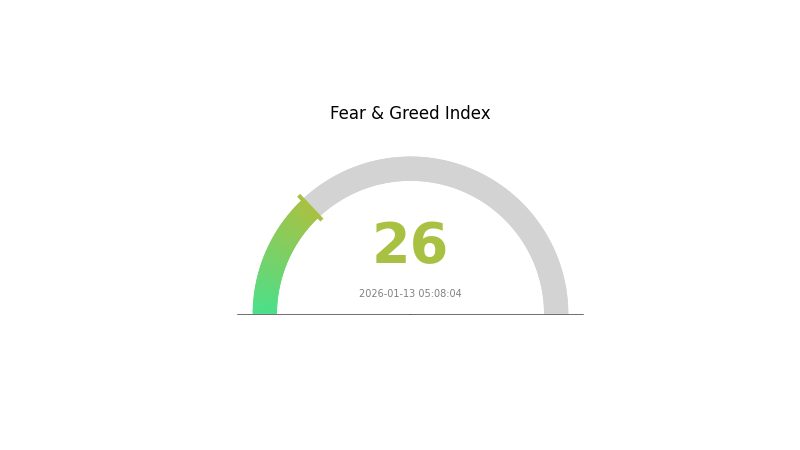
Positive news and developments in the cryptocurrency space can lead to a significant increase in investor confidence, causing the price of Bitcoin to rise rapidly. For example, announcements of major corporations adopting Bitcoin as a payment method, institutional investors allocating funds to cryptocurrency, or countries considering Bitcoin as legal tender can create waves of optimism that drive prices upward. The fear of missing out (FOMO) phenomenon often amplifies these movements, as retail investors rush to buy Bitcoin before prices climb even higher.
On the other hand, negative news can have an equally powerful but opposite effect. Regulatory crackdowns, security breaches at major platforms, negative comments from influential figures, or concerns about environmental impact can make investors nervous and trigger widespread sell-offs. These events can create a cascade effect where falling prices lead to more selling, further depressing the market.
Social media platforms, particularly Twitter and Reddit, have become powerful forces in shaping market sentiment. Influential figures and cryptocurrency communities can sway public opinion and drive significant price movements through their posts and discussions. The viral nature of information in the digital age means that sentiment can shift rapidly, contributing to Bitcoin's notorious volatility.
Regulatory Environment
The regulatory environment surrounding cryptocurrency has a major and often immediate impact on the price of Bitcoin. As governments and financial authorities around the world grapple with how to regulate this emerging asset class, their decisions and statements can create significant market movements.
News of potential regulations, restrictions, or outright bans on cryptocurrency trading in certain countries can create substantial uncertainty in the market, leading to sharp price fluctuations. When major economies announce stricter regulations or enforcement actions, investors may panic and sell their holdings, causing prices to drop. The fear that widespread regulatory crackdowns could limit Bitcoin's utility or accessibility weighs heavily on market psychology.
Conversely, regulatory clarity and positive developments can have a profoundly positive effect on the price of Bitcoin. When governments establish clear legal frameworks that legitimize cryptocurrency trading and usage, it reduces uncertainty and encourages both retail and institutional investment. The approval of Bitcoin exchange-traded funds (ETFs) in major markets, for instance, has historically been associated with significant price increases, as it provides traditional investors with easier access to Bitcoin exposure through regulated financial products.
Different countries take varying approaches to cryptocurrency regulation, and these differences create a complex global landscape. Some nations embrace Bitcoin and blockchain technology, while others remain skeptical or hostile. This patchwork of regulations means that news from any major economy can impact global Bitcoin prices, as investors assess the implications for adoption and market access.
Market Manipulation
Another significant factor that can cause Bitcoin to rise and fall is market manipulation, a concern that has plagued the cryptocurrency market since its inception. With the cryptocurrency market being largely unregulated compared to traditional financial markets, it remains susceptible to various forms of manipulation that can create artificial price movements.
The market is particularly vulnerable to manipulation by so-called "whales" - individuals or groups who hold large amounts of Bitcoin and can influence market prices by buying or selling substantial quantities of the cryptocurrency. These large holders can execute coordinated trading strategies that move prices in their favor, often at the expense of smaller retail investors. A whale might sell a large amount of Bitcoin to drive prices down, triggering stop-loss orders and panic selling, then buy back at lower prices to profit from the manufactured decline.
Pump and dump schemes represent another form of manipulation common in the cryptocurrency space. Coordinated groups artificially inflate the price of Bitcoin or other cryptocurrencies through misleading information and coordinated buying, only to sell their holdings at the peak, leaving other investors with losses when prices crash.
Spoofing and wash trading are additional manipulative tactics where traders place large orders they intend to cancel or trade with themselves to create false impressions of market activity and demand. These practices can mislead other market participants about the true supply and demand dynamics, causing them to make poor trading decisions.
The relatively low liquidity in cryptocurrency markets compared to traditional financial markets makes them more susceptible to manipulation. A single large trade can have outsized effects on prices, especially during periods of low trading volume.
Technological Advances
Technological advances in the blockchain and cryptocurrency space represent a fundamental driver that can significantly impact the price of Bitcoin. The continuous evolution of Bitcoin's underlying technology and the broader cryptocurrency ecosystem influences investor confidence and the cryptocurrency's practical utility.
Upgrades to the Bitcoin network can lead to increased adoption and corresponding price increases. For example, the implementation of the Lightning Network, a second-layer solution designed to enable faster and cheaper transactions, addresses one of Bitcoin's major scalability challenges. Such improvements make Bitcoin more practical for everyday transactions and increase its appeal to users and businesses, potentially driving demand and prices higher.
The development of improved security features, privacy enhancements, and more efficient consensus mechanisms can also positively impact Bitcoin's value proposition. When the network demonstrates its ability to evolve and address technical challenges, it reinforces confidence in Bitcoin's long-term viability as both a store of value and a medium of exchange.
Conversely, security vulnerabilities, network congestion, or scalability issues can have negative impacts on Bitcoin's price. High transaction fees during periods of network congestion can make Bitcoin less attractive for smaller transactions, potentially limiting adoption. Discovery of critical security flaws, even if quickly patched, can shake investor confidence and trigger sell-offs.
Competition from other cryptocurrencies with superior technology can also affect Bitcoin's price. While Bitcoin enjoys first-mover advantage and the strongest network effect, technological innovations in competing cryptocurrencies can draw investment away from Bitcoin, affecting its market dominance and price.
The broader technological context, including developments in quantum computing, cryptography, and distributed systems, also influences Bitcoin's long-term prospects and current valuation.
Market Speculation
Market speculation plays a significant and often dominant role in the price volatility of Bitcoin, making it one of the most important factors to understand when analyzing cryptocurrency markets. The cryptocurrency market is highly speculative by nature, with many investors buying and selling Bitcoin based primarily on price predictions, technical analysis, and perceived market trends rather than fundamental value assessments.
This speculative trading behavior can lead to rapid and dramatic price movements in either direction, causing Bitcoin to rise and fall unpredictably. During bull markets, speculative fever can drive prices to levels that seem disconnected from any fundamental analysis, as investors bet on continued price appreciation. The self-fulfilling nature of speculation means that when enough people believe prices will rise, their buying activity actually drives prices higher, at least temporarily.
The cryptocurrency market operates 24/7, unlike traditional stock markets, which means speculative trading never stops. This continuous trading creates opportunities for rapid price swings based on global events, news, and sentiment shifts occurring at any time of day or night. The lack of circuit breakers and trading halts that exist in traditional markets means that speculative cascades can run their full course without intervention.
Leverage and derivatives trading amplify the impact of speculation on Bitcoin prices. Many cryptocurrency exchanges offer high leverage ratios, allowing traders to control large positions with relatively small amounts of capital. This leverage magnifies both gains and losses, and can lead to forced liquidations that create additional price volatility. When large numbers of leveraged positions are liquidated simultaneously, it can trigger dramatic price movements that feed further speculation.
Market cycles driven by speculation tend to follow predictable psychological patterns: accumulation, markup, distribution, and markdown. Understanding these cycles and the role of speculation in each phase can help investors navigate Bitcoin's volatile price movements, though timing these cycles remains extremely challenging even for experienced traders.
The price of Bitcoin is influenced by a complex interplay of multiple interconnected factors, including supply and demand dynamics, market sentiment, the regulatory environment, market manipulation, technological advances, and market speculation. Each of these factors can independently affect Bitcoin's price, but they often interact in ways that amplify or dampen their individual effects. Understanding these factors and how they relate to one another can help investors navigate the volatile cryptocurrency market and make more informed decisions when buying or selling Bitcoin. However, the inherent complexity and unpredictability of these interactions mean that Bitcoin's price will likely remain volatile for the foreseeable future, presenting both opportunities and risks for market participants.
FAQ
What causes Bitcoin price to rise and fall? What are the main influencing factors?
Bitcoin price fluctuates due to supply-demand dynamics, market sentiment, regulatory changes, and macroeconomic factors. Limited supply with increasing demand drives prices up. Regulatory news, technological developments, and economic conditions significantly impact its value.
How do macroeconomic factors such as inflation, interest rates, and US dollar movements affect Bitcoin's price?
Inflation, interest rates, and US dollar movements significantly impact Bitcoin's price. High inflation and low interest rates typically enhance Bitcoin's appeal as an alternative asset. A weaker US dollar generally pushes Bitcoin prices higher, as it becomes more attractive to international investors seeking value preservation.
How do regulatory policies and government attitudes impact Bitcoin's price?
Government stance and regulatory policies directly influence Bitcoin's price. Strict regulations may trigger price declines, while favorable policies can drive price increases. Market expectations of regulatory changes also cause significant price volatility.
How do market sentiment and investor psychology drive Bitcoin's price fluctuations?
Market sentiment and investor psychology significantly drive Bitcoin price volatility. Fear and greed cycles cause dramatic swings, especially during major events. Positive news triggers buying euphoria, while negative news sparks panic selling, creating cyclical price waves.
Why does Bitcoin's supply halving event affect its price?
Bitcoin halving reduces the rate of new supply, increasing scarcity and typically driving price appreciation. Historical data shows prices often rise following each halving event due to reduced inflation and increased demand relative to available supply.
What is the impact of institutional investors and whale holdings changes on Bitcoin price?
Institutional investors and whale holding changes significantly influence Bitcoin price through large transaction volumes that rapidly shift market sentiment. Increased whale accumulation typically drives prices higher, while position reductions often trigger price declines. These movements reflect market expectations about future price trends.
Can technical analysis (support levels, resistance levels, trend lines) predict Bitcoin price movements?
Technical analysis provides reference signals for Bitcoin price movements but cannot predict future trends with certainty. Support and resistance levels help identify potential entry and exit points, yet market volatility and external factors have greater impact on price direction.
How do overall cryptocurrency market sentiment and the performance of other coins affect Bitcoin?
Market sentiment and altcoin performance significantly influence Bitcoin through multiple channels. Positive sentiment typically drives capital inflows across the crypto market, boosting Bitcoin as the leading asset. When alternative coins surge, it often signals risk appetite, benefiting Bitcoin. Conversely, negative sentiment or altcoin crashes can trigger flight-to-safety flows into Bitcoin. Additionally, crypto adoption trends and risk premium shifts directly impact Bitcoin's valuation, while traditional financial market dynamics amplify these effects through spillover mechanisms.

How Does Cryptocurrency Price Volatility Compare to Traditional Markets?

How Has Bitcoin's Price Volatility Evolved in 2025?

How Does the Price Volatility of Cryptocurrencies Compare to Traditional Markets?
Comparing Bitcoin's Influence: Market Cap and Dominance Chart Analysis

How Does LITKEY Price Volatility Compare to Bitcoin in Q1 and Q4 2025?

Understanding Bitcoin's Market Share and Influence

How do macroeconomic factors and Fed policy impact cryptocurrency prices in 2026?

What is Cryptocurrency Compliance and Regulatory Risk: A Complete Guide to SEC Regulations, Audit Transparency, and KYC/AML Policies

What is WeFi (WFI) market overview: price, market cap, trading volume and liquidity in 2026

How does on-chain data analysis reveal Virtuals Protocol's market potential in 2025?

What is TEXITcoin (TXC) market overview: price, trading volume, and market cap analysis