What is Cryptocurrency? How Does Cryptocurrency Work? Complete Guide for Beginners to Digital Assets

What is Cryptocurrency?
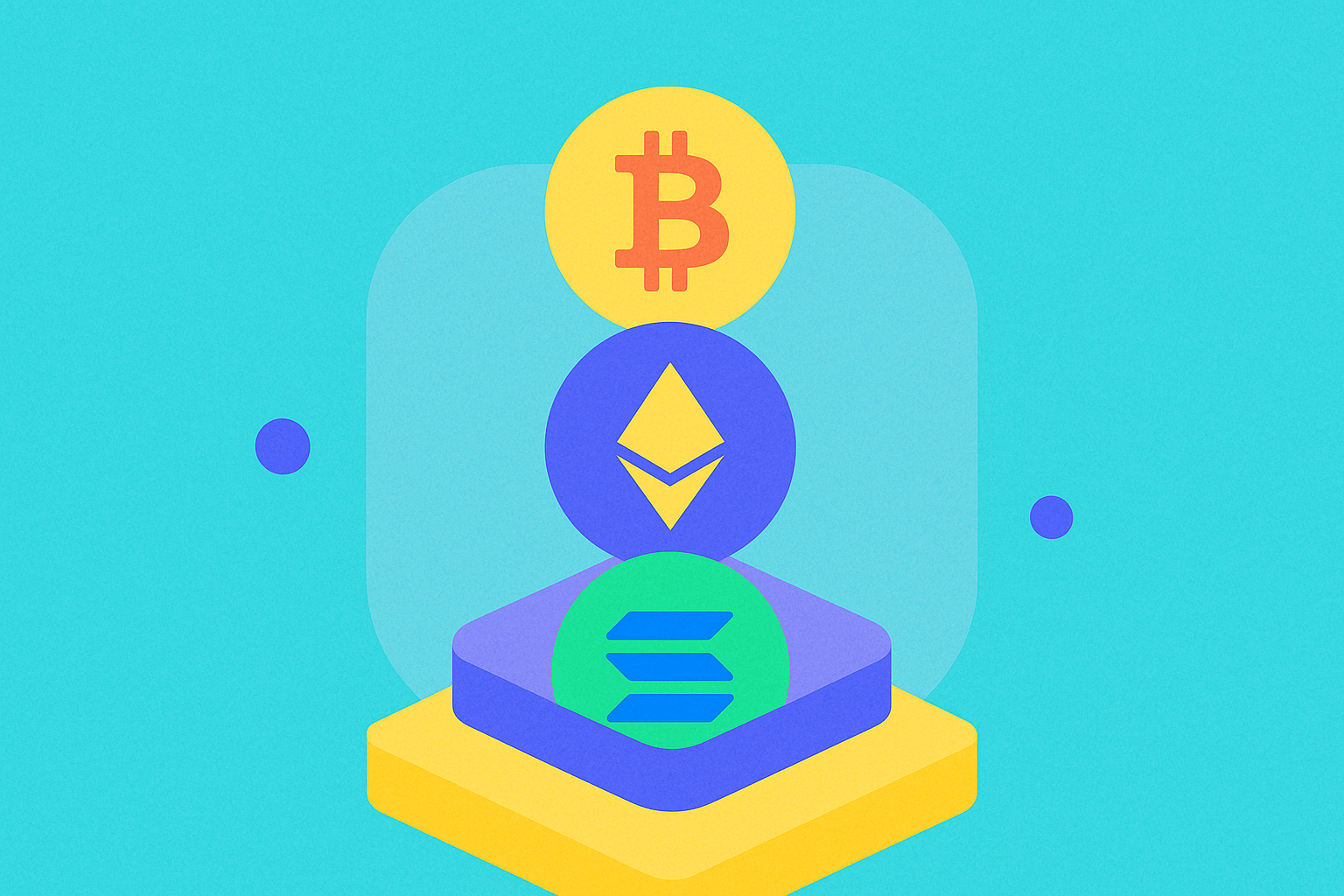
Cryptocurrency is a digital or virtual currency secured by cryptography, making it nearly impossible to counterfeit or double-spend. These currencies operate on decentralized networks based on blockchain technology without requiring central authorities such as banks or governments.
Cryptocurrencies derive their value from their underlying technology, utility, community adoption, and market dynamics, in contrast to traditional currencies that derive value from government backing.
How Does Cryptocurrency Work?
Blockchain: The Foundation
Blockchain is a chain of chronologically arranged data blocks containing transaction records. Each block contains a timestamp, transaction data, a cryptographic hash of the previous block, and a nonce.
Detailed Transaction Process
- Transaction Initiation
- Digital Signature
- Broadcasting to the Network
- Verification Pool
- Validation Process
- Block Creation
- Consensus Achievement
- Block Addition
- Confirmation
- Completion
Consensus Mechanisms
Proof of Work (PoW): Requires miners to solve complex mathematical problems to add new blocks to the blockchain.
Proof of Stake (PoS): A more energy-efficient alternative where validators are chosen based on their stake in the network.
Other Mechanisms: Delegated Proof of Stake, Proof of Authority, and Proof of History represent alternative approaches to achieving consensus.
Types of Cryptocurrency
Bitcoin (BTC)
The first cryptocurrency, launched in 2009, designed as a peer-to-peer electronic cash system with a fixed supply cap of 21 million coins. Bitcoin pioneered the use of blockchain technology and remains the most recognized cryptocurrency.
Ethereum (ETH)
A platform that enables developers to build decentralized applications and smart contracts. Ethereum introduced programmable blockchain functionality, allowing for diverse use cases beyond simple transactions.
Stablecoins
Cryptocurrencies designed to minimize volatility by pegging their value to external assets such as the US dollar or other fiat currencies, providing stability for transactions and storage of value.
Altcoins
Any cryptocurrency other than Bitcoin, including XRP, Cardano, Solana, and Litecoin. Altcoins often introduce new features, improved technology, or alternative use cases compared to Bitcoin.
Memecoins
Cryptocurrencies inspired by internet jokes and memes, such as Dogecoin and Shiba Inu. While often created humorously, some memecoins have developed active communities and market value.
Utility Tokens
Tokens that provide access to specific products or services within blockchain ecosystems, functioning as a means of exchange within their respective platforms.
Security Tokens
Tokens that represent ownership of external assets such as stocks or bonds, subject to securities regulations and offering legal rights to holders.
Advantages of Cryptocurrency
- Financial freedom and control over personal assets
- Global accessibility without geographic restrictions
- Lower transaction fees compared to traditional banking
- Fast international transfers
- Enhanced privacy and anonymity
- Protection against inflation through fixed or controlled supply
- Potential for significant returns on investment
- Transparency through public ledgers
- Programmable money enabling automated transactions
Disadvantages of Cryptocurrency
- High price volatility and market fluctuations
- Steep technical learning curve for new users
- Security risks including hacking and theft
- Environmental concerns related to energy consumption
- Regulatory uncertainty and changing legal frameworks
- Limited merchant acceptance and adoption
- Vulnerability to market manipulation
- Scalability challenges affecting transaction speed
Cryptocurrency Wallets and Security
Types of Wallets
Hot Wallets (Connected to the Internet):
- Web Wallets: Accessible through browsers but more vulnerable to online attacks
- Mobile Wallets: Convenient for everyday transactions on smartphones
- Desktop Wallets: Installed on personal computers for better control
Cold Wallets (Offline Storage):
- Hardware Wallets: Physical devices providing maximum security
- Paper Wallets: Printed private keys stored in secure locations
- Steel/Metal Wallets: Durable physical backups resistant to damage
Multi-Signature Wallets
Multi-signature wallets require multiple private keys to authorize a transaction, providing enhanced security by distributing control among several parties.
Security Best Practices
- Use strong, unique passwords for all accounts
- Enable two-factor authentication on all platforms
- Backup your private keys in secure locations
- Use only trusted wallets and exchanges
- Remain cautious of phishing attempts and scams
- Consider cold storage for long-term holdings
- Update software regularly to patch vulnerabilities
- Use a dedicated device for cryptocurrency activities
- Ensure physical security of hardware wallets and backups
- Create an inheritance plan for your digital assets
- Test transactions with small amounts before larger transfers
- Carefully verify recipient addresses before sending funds
How to Buy Cryptocurrency on a Leading Exchange
Creating an Account
- Visit the exchange website or download the mobile application
- Register using your email address or phone number
- Complete identity verification (KYC) requirements
Purchase Methods
- Credit and debit cards for instant purchases
- Peer-to-peer (P2P) and over-the-counter (OTC) trading
- Bank transfers for larger transactions
- Third-party payment services for additional options
Order Types
- Limit Orders: Buy or sell at a specific price
- Market Orders: Execute immediately at current market prices
- Stop-Limit Orders: Combine stop and limit functionality
- OCO (One-Cancels-the-Other): Execute one order while canceling another
Cryptocurrency Regulations and Legal Status
The legal status of cryptocurrency varies significantly across different jurisdictions. Some countries embrace cryptocurrency and blockchain technology, while others have imposed restrictions or outright bans on their use.
Cryptocurrencies are typically treated as property for tax purposes in most jurisdictions, meaning that transactions may trigger capital gains taxation. Users should consult local tax regulations to understand their specific obligations.
The Future of Cryptocurrency
- Increased institutional adoption and investment
- Evolution of regulatory frameworks
- Development of central bank digital currencies (CBDCs)
- Technological advancements improving scalability and efficiency
- Expanded real-world applications beyond financial speculation
- Integration with traditional financial systems
Conclusion
Cryptocurrency represents one of the most significant financial innovations, combining cutting-edge technology with novel economic models. For beginners entering this space, several key principles are essential: thoroughly understanding blockchain technology and its implications, recognizing the different types of cryptocurrencies and their use cases, prioritizing security through best practices and reliable platforms, using only reputable exchanges and wallets, and maintaining continuous learning as the cryptocurrency landscape continues to evolve and mature.
FAQ
Can I make $100 a day from crypto?
Yes, it's possible to earn $100 daily through crypto trading, staking, or yield farming. Success depends on capital size, market conditions, and strategy. Beginners typically start smaller, while experienced traders with substantial holdings can achieve daily profits through active trading or passive income strategies.
Does crypto pay real money?
Yes, cryptocurrency can be converted to real money. You can sell crypto on exchanges to receive fiat currency in your bank account, or use it for purchases, staking rewards, and lending to generate income.
How much is $100 worth in cryptocurrency?
$100 in cryptocurrency value depends on which coin you choose. Bitcoin, Ethereum, and other assets have different prices. $100 can purchase fractions of major cryptocurrencies or substantial amounts of altcoins. The exact worth varies by market conditions and your selected digital asset.
What is the 30 day rule in crypto?
The 30 day rule in crypto refers to tax regulations in certain jurisdictions requiring investors to wait 30 days before repurchasing the same or substantially identical cryptocurrency after a loss sale to claim the loss for tax purposes. Buying within this window disqualifies the loss deduction.

Spotting Fraudulent Crypto Wallets: Essential Tips to Protect Your Investments

What is cryptocurrency? How does cryptocurrency work? A comprehensive beginner’s overview of digital assets

Protecting Your Seed Phrase: Essential Security Tips

Protecting Your Seed Phrase: Essential Security Tips

Download and Set Up a Secure Cryptocurrency Wallet

Complete Guide to Mining Pi Network Safely

How to Withdraw from 1inch Wallet

What Happened to Gerald from Black Gold: Latest Updates
Cash App Bitcoin Withdrawal: Step-by-Step Guide and Key Insights

How to Withdraw from Trust Wallet: A Step-by-Step Guide

Is Crypto Legal in Pakistan?