


What is OpenSea? Complete Guide to the Leading NFT Marketplace
What is OpenSea NFT Marketplace?
OpenSea is the world's largest decentralized marketplace for non-fungible tokens (NFTs), facilitating the buying, selling, and trading of unique digital assets across multiple blockchain networks. Founded in 2017, the platform has evolved into a comprehensive ecosystem that supports everything from digital artwork and collectibles to virtual real estate and gaming items. OpenSea operates as a peer-to-peer marketplace where users maintain full control of their assets through cryptocurrency wallets, eliminating the need for traditional intermediaries while ensuring transparent, secure transactions through smart contracts.
In the rapidly expanding world of digital assets, OpenSea stands as the premier destination for NFT trading, connecting millions of users worldwide with unique digital collectibles, art, and virtual assets. This comprehensive guide explores everything you need to know about OpenSea—from its founding story and core features to practical tutorials and safety considerations. Whether you're a complete beginner curious about NFTs or an experienced trader looking to optimize your OpenSea experience, this article provides essential insights into navigating the world's largest NFT marketplace effectively and securely.
OpenSea Platform Overview
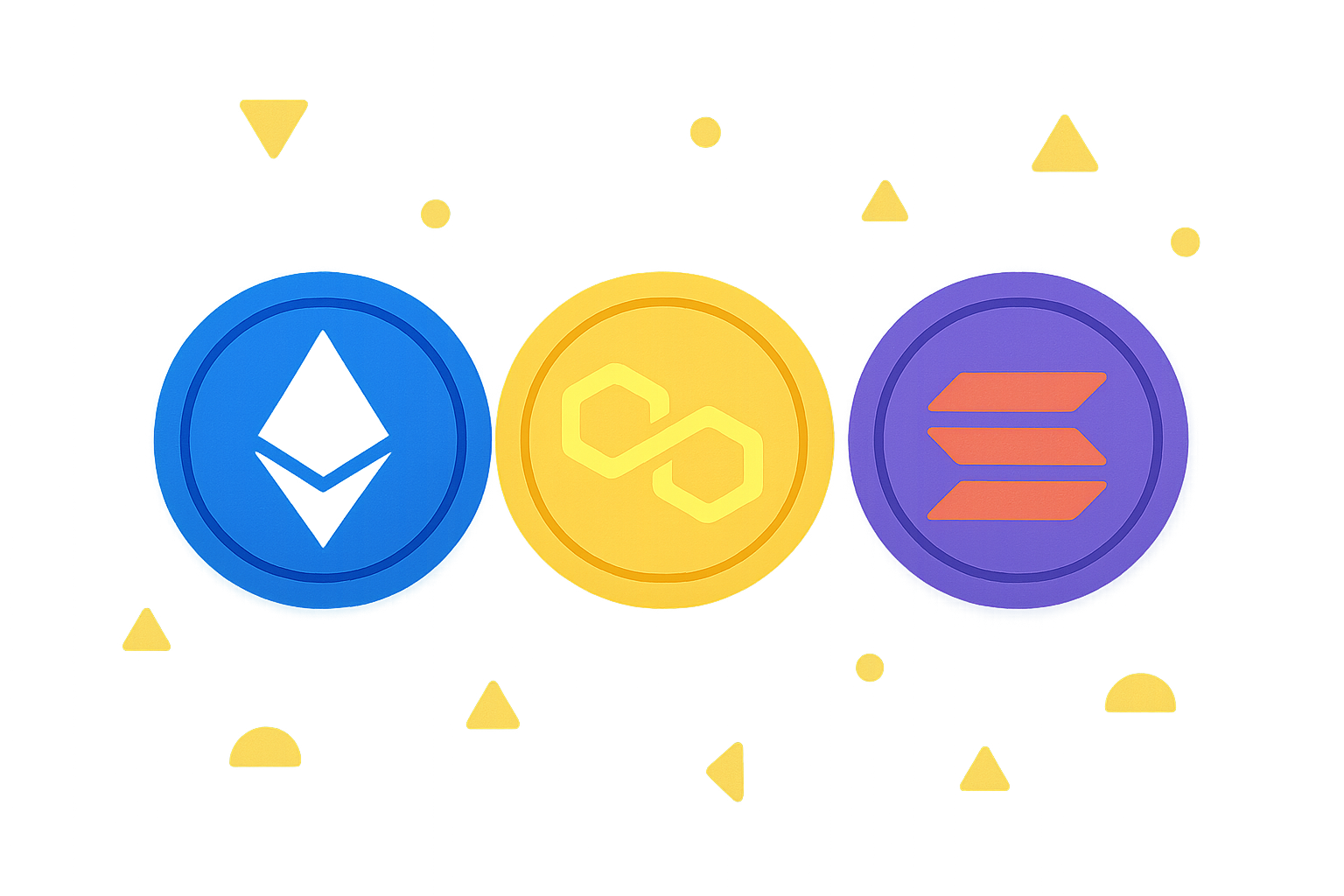
OpenSea functions as a decentralized aggregator marketplace specifically designed for NFT transactions, operating similarly to established e-commerce platforms like eBay but with a crucial difference—it deals exclusively with blockchain-based digital assets. The platform supports multiple token standards including ERC-721 and ERC-1155 on Ethereum, as well as assets from other blockchains like Polygon, Solana, and Arbitrum. Users can discover, purchase, and sell NFTs across diverse categories including digital art, music, collectibles, virtual worlds, sports memorabilia, and domain names. The marketplace operates through self-executing smart contracts that ensure fair and secure exchanges without requiring centralized oversight, while OpenSea collects a standard 2.5% fee from secondary sales to maintain platform operations.
OpenSea History and Founding Story
OpenSea was founded in December 2017 by Devin Finzer and Alex Atallah, who were inspired by the success of CryptoKitties—a blockchain-based game featuring collectible NFTs that had gained massive popularity earlier that year. Recognizing the potential for a broader marketplace where users could trade various NFT tokens, the founders created OpenSea as a "peer-to-peer marketplace for cryptogoods." The project gained early validation when Y Combinator accepted OpenSea into its accelerator program in 2018, followed by significant venture capital funding rounds that valued the company at $1.5 billion by July 2021 and reached $13.3 billion by January 2022. The platform experienced explosive growth during the NFT boom, with monthly transaction volumes jumping from $1.1 million in March 2020 to $3.4 billion by August 2021.
OpenSea Features and Benefits
Multi-Blockchain Support and Accessibility
OpenSea distinguishes itself through comprehensive blockchain integration, supporting Ethereum, Polygon, Solana, and other blockchain networks. This multi-chain approach allows users to access lower transaction fees through Layer 2 solutions like Polygon while maintaining compatibility with Ethereum's extensive NFT ecosystem. The platform offers seamless switching between networks with a single click, making it particularly beneficial for newcomers who want to avoid high gas fees.
User-Friendly Interface and Functionality
The marketplace features an intuitive design that simplifies complex blockchain interactions for users of all experience levels. OpenSea provides advanced search and filtering capabilities, allowing users to browse by price range, blockchain, category, and rarity. The platform also offers customizable storefronts for creators, enabling them to showcase their collections with personalized branding and detailed descriptions.
Free Minting and Creation Tools
OpenSea offers free NFT minting, allowing creators to list their digital assets without upfront costs. The platform uses lazy minting technology, where NFTs are only minted on the blockchain when they're actually purchased, reducing barriers to entry for new creators while maintaining the authenticity and ownership verification that NFTs provide.
OpenSea Use Cases and Applications
Digital Art and Creative Expression
OpenSea serves as the primary marketplace for digital artists to monetize their work through NFTs, providing creators with direct access to global collectors without traditional gallery intermediaries. Artists can set royalty fees to earn ongoing revenue from secondary sales, creating sustainable income streams from their digital creations.
Gaming and Virtual Assets
The platform facilitates trading of in-game items, characters, and virtual real estate from blockchain-based games and metaverse projects. Players can buy, sell, and trade gaming assets across different games, creating true digital ownership that extends beyond individual game ecosystems.
Collectibles and Memorabilia
OpenSea hosts some of the most valuable NFT collections, including profile picture projects, sports memorabilia, and limited-edition digital collectibles. These assets often appreciate in value based on rarity, community engagement, and cultural significance within the NFT space.
Domain Names and Utility NFTs
The marketplace supports trading of blockchain domain names (like .eth addresses) and utility NFTs that provide access to exclusive communities, events, or services. These functional NFTs demonstrate the technology's potential beyond pure collectibles.
How OpenSea Marketplace Works
OpenSea operates as a decentralized marketplace built on blockchain technology, where users interact directly through cryptocurrency wallets without creating traditional accounts. The platform utilizes smart contracts—self-executing programs that automatically enforce transaction terms—to facilitate secure peer-to-peer exchanges. When users list NFTs for sale, they create smart contract listings that specify price, duration, and sale conditions. Buyers can then interact with these contracts to complete purchases, with ownership automatically transferring upon successful payment. OpenSea migrated to its proprietary Seaport protocol in 2022, improving transaction efficiency and reducing gas costs compared to the previous Wyvern protocol. The platform supports both fixed-price sales and auction-style bidding, with all transactions recorded permanently on the blockchain for transparency and verification.
OpenSea Fees and Business Model
OpenSea generates revenue primarily through a 2.5% fee collected on all secondary NFT sales, which covers platform operational costs and development. Unlike traditional e-commerce platforms, OpenSea doesn't charge listing fees, making it free for creators to showcase their work. The platform also benefits from the network effects of increased transaction volume, as higher trading activity directly correlates with increased fee revenue. This model aligns OpenSea's interests with user success—the platform profits when the NFT market thrives and users complete more transactions.
How to Buy and Sell NFTs on OpenSea
- Step 1: Set Up a Cryptocurrency Wallet: Download and install a compatible wallet like MetaMask, Coinbase Wallet, or Trust Wallet. Create your wallet and securely store your seed phrase in a safe location.
- Step 2: Fund Your Wallet: Purchase cryptocurrency (ETH for Ethereum, MATIC for Polygon) through a cryptocurrency exchange. Transfer funds to your wallet address.
- Step 3: Connect to OpenSea: Visit opensea.io and click "Connect Wallet" in the top menu. Select your wallet type and approve the connection.
- Step 4: Browse and Search NFTs: Use the search bar or browse categories to find NFTs of interest. Apply filters for price, blockchain, and collection type.
- Step 5: Purchase an NFT: Click on your chosen NFT and select "Buy Now" for fixed-price items or "Make Offer" for auctions. Confirm the transaction in your wallet.
- Step 6: Create and List Your Own NFTs: Click "Create" to mint new NFTs by uploading your digital file and adding metadata. Set your price and listing duration to complete the process.
OpenSea vs Other NFT Marketplaces
OpenSea faces competition from several established NFT marketplaces, each targeting different market segments and user preferences. Primary competitors include Rarible, Magic Eden, LooksRare, Foundation, and newer platforms like Blur. Magic Eden focuses heavily on Solana-based NFTs, while Foundation caters to curated digital art.
OpenSea's key competitive advantages include its first-mover advantage as the original major NFT marketplace, comprehensive multi-blockchain support, and massive liquidity that ensures buyers and sellers can easily find counterparts for transactions. The platform's extensive category coverage—from art and collectibles to gaming assets and domain names—provides a one-stop solution that competitors often can't match. Additionally, OpenSea's established brand recognition and user base of over three million active users create strong network effects that make it difficult for new competitors to gain significant market share.
OpenSea Trading Costs and Fees
OpenSea charges a standard 2.5% fee on all secondary sales, which is automatically deducted when transactions complete. The platform doesn't charge listing fees, making it free to showcase NFTs for sale. However, users must pay blockchain gas fees for certain actions like accepting offers, canceling listings, or transferring NFTs. Gas fees vary based on network congestion and can be minimized by using Layer 2 solutions like Polygon. Creator royalties are additional costs paid by buyers to support original artists on secondary sales.
OpenSea Security Features
OpenSea implements multiple security measures including wallet signature verification, smart contract audits, and fraud detection systems. The platform is non-custodial, meaning users maintain full control of their assets through their personal wallets rather than storing them on OpenSea's servers. Users should verify collection authenticity by checking for verified badges, examining creator social media links, and researching project legitimacy before making purchases. Common security best practices include using hardware wallets for valuable assets, enabling two-factor authentication, and never sharing wallet seed phrases or private keys.
OpenSea Future Updates and Roadmap
OpenSea launched its major platform overhaul, OS2, supporting token and NFT trading across 19 blockchains with improved search capabilities, aggregated marketplace listings, and cross-chain purchasing functionality. The platform continues to focus on reducing fees, improving user experience, and expanding blockchain support. Future developments include enhanced creator tools, better mobile functionality, and deeper integration with emerging Web3 technologies. OpenSea's evolution reflects the broader maturation of the NFT market from speculative trading toward practical utility and mainstream adoption.
OpenSea App and Website Access
OpenSea is accessible through its official website at opensea.io and mobile applications available for both Android and iOS devices. The platform supports all major web browsers including Chrome, Firefox, Safari, and Edge. While the mobile app allows browsing and collection management, NFT purchases and sales must be completed through the web interface as the mobile app currently does not support these transactions. Users should always verify they're accessing the legitimate OpenSea domain to avoid phishing sites.
OpenSea Beginner Setup Guide
- Step 1: Research and Education: Learn about NFTs, blockchain basics, and wallet security before making any purchases. Understand the risks and potential benefits of digital asset ownership.
- Step 2: Choose Your Wallet: Select a reputable wallet compatible with OpenSea, such as MetaMask for beginners. Download only from official sources and secure your recovery phrase.
- Step 3: Start Small: Begin with low-value purchases on Polygon to minimize gas fees while learning the platform. Practice buying, selling, and transferring NFTs with minimal financial risk.
- Step 4: Join Communities: Follow NFT projects on social media and join Discord communities to stay informed about market trends. Engage with other collectors to learn best practices and avoid common mistakes.
- Step 5: Develop Your Strategy: Decide whether you're collecting for personal enjoyment, investment purposes, or supporting creators. Set budgets and stick to them to avoid overextending financially.
OpenSea Support and Troubleshooting
Users frequently encounter issues with wallet connections, which can usually be resolved by refreshing the browser or switching networks within their wallet. High gas fees on Ethereum can be avoided by using Polygon or waiting for periods of lower network congestion. Failed transactions typically result from insufficient funds to cover gas fees or network timeouts during high-traffic periods. OpenSea provides customer support through their help center and official social media channels, though response times can vary during peak usage. Users should always verify they're communicating with official OpenSea support to avoid scammer impersonation.
Conclusion
OpenSea has established itself as the cornerstone of the NFT ecosystem, providing millions of users with a secure, accessible platform for discovering, trading, and creating digital assets. From its humble beginnings inspired by CryptoKitties to becoming a multi-billion dollar marketplace supporting 19 different blockchains, OpenSea continues to evolve alongside the broader adoption of blockchain technology. While the NFT market faces ongoing challenges and volatility, OpenSea's commitment to innovation, user experience, and creator empowerment positions it as an essential platform for anyone looking to participate in the digital ownership revolution. Whether you're an artist seeking new monetization opportunities, a collector building a digital portfolio, or simply curious about blockchain technology, OpenSea offers the tools and community to explore this exciting frontier safely and effectively.
FAQ
What is OpenSea? How does it work?
OpenSea is the leading NFT marketplace enabling users to buy, sell, and trade digital assets on blockchain. It verifies ownership through smart contracts, supports multiple chains, and connects creators with collectors globally through a secure, decentralized platform.
How to create an account on OpenSea and start trading NFTs?
Visit OpenSea's website and click Sign Up. Register with your email, then connect your crypto wallet. You can immediately browse and trade NFTs on the platform.
What are OpenSea's transaction fees? Which blockchain networks are supported?
OpenSea charges a 2.5% fee per transaction. Supported networks include Ethereum, Polygon, and Solana. Gas fees vary by network—Ethereum charges gas, while Polygon typically has zero gas fees, and Solana offers low costs.
How to safely buy and sell NFTs on OpenSea? What risks should be noted?
Use ETH for payments on OpenSea. Be aware of high gas fees and smart contract risks. Enable strong passwords and two-factor authentication to protect your account from unauthorized access and theft.
What wallets does OpenSea support and how do I connect my wallet to the platform?
OpenSea supports all EIP-6963 compatible wallets including MetaMask and Coinbase Wallet. To connect, click "Connect Wallet" on OpenSea and select your preferred wallet from the available options.
What are the differences between OpenSea and other NFT marketplaces such as Blur and Magic Eden?
OpenSea offers broader blockchain integration and wider NFT collection support compared to competitors. It maintains the largest user base and trading volume in the NFT market, providing more diverse asset listings and better liquidity for traders and collectors.
What conditions must be met to create an NFT collection on OpenSea?
To create an NFT collection on OpenSea, you need a verified wallet, at least one NFT, and sufficient funds to cover network gas fees. All NFTs in the collection must belong to the same smart contract.
What are the advantages and disadvantages of the OpenSea platform?
Advantages: user-friendly interface, largest NFT marketplace with diverse assets, low entry barriers. Disadvantages: high gas fees, slower transaction speeds, intense market competition, occasional platform congestion during peak periods.
Comprehensive Analysis of Leading Multi-Chain Wallet for Web3 Advancement
Choosing Your Ideal Digital Wallet in 2025: A Starter's Guide

Understanding the NFT Creation Process: A Step-by-Step Guide

Understanding DApps: The Ultimate Guide to Decentralized Applications

Exploring the Evolution and Future of Blockchain-Powered Gaming

Top GameFi Tokens to Watch in 2024

What is BULLA coin: analyzing whitepaper logic, use cases, and team fundamentals in 2026

How does MYX token's deflationary tokenomics model work with 100% burn mechanism and 61.57% community allocation?

What Are Derivatives Market Signals and How Do Futures Open Interest, Funding Rates, and Liquidation Data Impact Crypto Trading in 2026?

How do futures open interest, funding rates, and liquidation data predict crypto derivatives market signals in 2026?

What is a token economics model and how does GALA use inflation mechanics and burn mechanisms
