What is the current crypto market overview and which coins have the highest market cap in 2026?
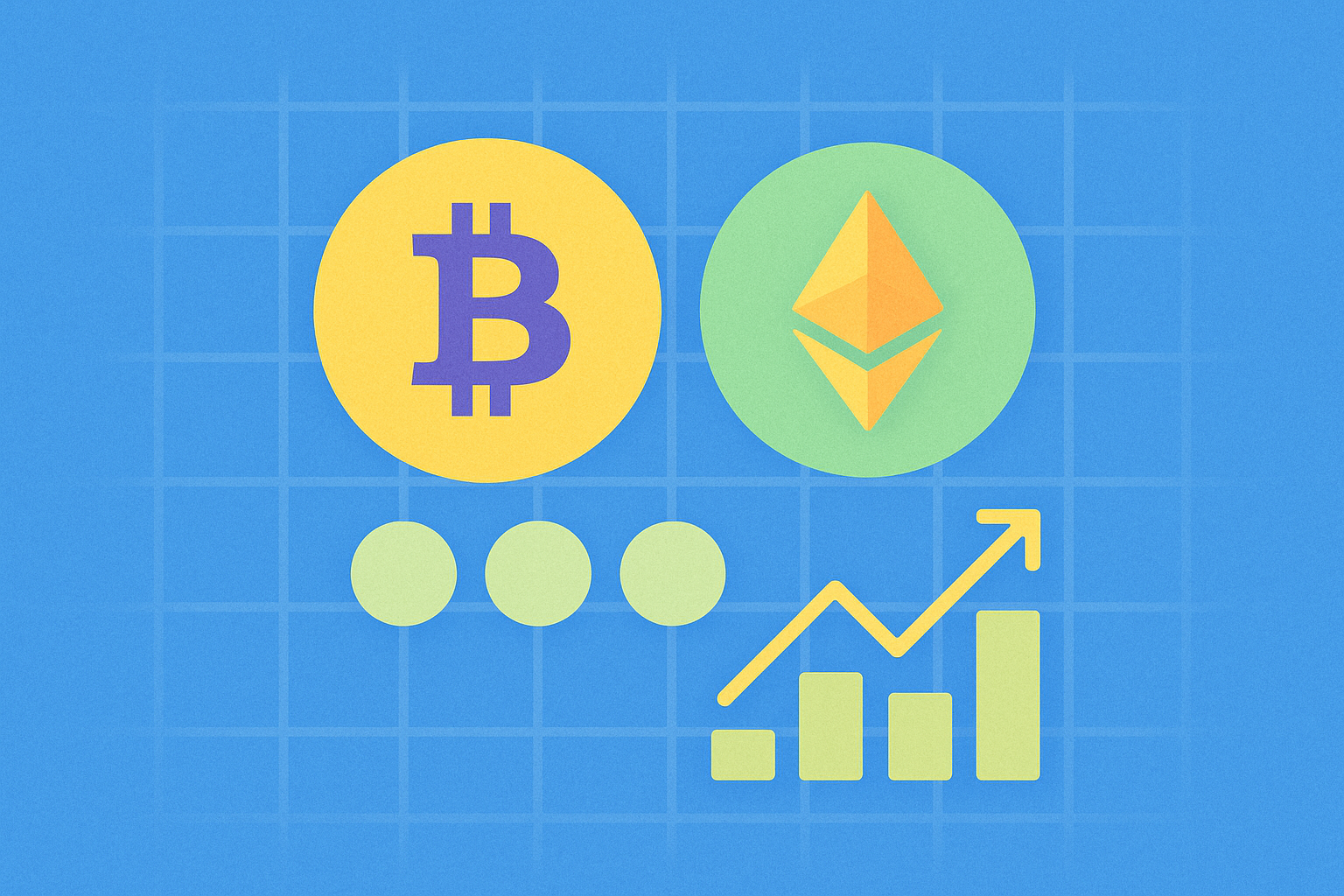
Bitcoin and Ethereum dominate 2026 crypto market with combined market capitalization exceeding $2 trillion
The combined market capitalization of Bitcoin and Ethereum exceeding $2 trillion represents a watershed moment for digital assets in 2026. This milestone underscores how these two cryptocurrencies have solidified their position as the dominant forces in the broader crypto ecosystem, with Bitcoin alone now recognized as an undisputed $1 trillion asset class.
Institutional adoption has emerged as the primary catalyst propelling this market capitalization growth. Major developments include a 14% surge in institutional users and a 13% increase in institutional trading volume, signaling deepening integration into traditional financial systems. More than 200 public companies globally now hold Bitcoin on their balance sheets, fundamentally reshaping perceptions around digital asset legitimacy and risk management.
Regulatory clarity has proven instrumental in enabling this institutional influx. Clear frameworks across jurisdictions like the US, UAE, and Australia have removed barriers to entry for institutional investors, making it easier for corporations to incorporate cryptocurrency holdings into treasury operations. Approval of spot Bitcoin and Ethereum ETFs, combined with enhanced custody solutions, has accelerated the pathway for capital deployment from traditional finance into digital assets.
JPMorgan's projection that 2026 will see capital inflows exceeding 2025's $130 billion record reinforces this trajectory. The integration of tokenized dollars and stablecoins into core banking infrastructure, alongside growing real-world utility applications, continues creating compelling use cases beyond speculation. This convergence of institutional participation, regulatory progression, and technological maturation has collectively driven Bitcoin and Ethereum's market dominance to unprecedented levels, establishing them as essential components of institutional investment portfolios.
Top 10 cryptocurrencies show varied circulation rates and trading volumes across major exchanges including gate, Binance, and Coinbase
The leading cryptocurrencies demonstrate substantial variation in their circulation metrics and trading activity patterns across different platforms. Bitcoin and Ethereum maintain dominant positions with the highest daily trading volumes, while emerging assets like BNB showcase interesting circulation dynamics. Across major exchanges including gate, these top 10 cryptocurrencies exhibit trading volumes ranging from millions to billions of USDT daily, reflecting diverse liquidity conditions and investor interest levels.
Circulation rates reveal important distinctions among the top cryptocurrencies. Bitcoin's fixed supply creates scarcity dynamics, whereas newer tokens feature varying circulating percentages of their total supply. The 2025 trading landscape demonstrated exceptional activity, with spot markets reaching $18.6 trillion and derivatives markets surpassing $61.7 trillion. Gate and similar platforms report that trading volume concentration varies significantly, with Bitcoin consistently accounting for substantial daily volume while altcoins show more volatile patterns. These circulation and volume variations directly influence price stability and liquidity available to traders. Understanding these differences helps investors evaluate market depth and trading costs across different cryptocurrencies and platforms.
Market liquidity and exchange coverage reveal concentrated trading activity with Bitcoin maintaining 40% of total crypto market depth
Bitcoin's commanding 40% share of total crypto market depth reflects a deeply concentrated trading landscape where institutional capital flows follow predictable patterns across major exchanges. This concentration emerged prominently as central bank liquidity expansion and institutional ETP adoption reshaped 2026's market structure. The institutional influx created significant exchange coverage clustering, where most significant trading activity consolidates on platforms offering robust risk management and regulatory compliance.
This concentrated market depth reveals how modern crypto trading differs from decentralized ideology. Large institutions require reliable counterparties, sophisticated order matching, and transparent settlement mechanisms—all concentrated within regulated exchange infrastructure. Dollar liquidity becomes the essential lubricant enabling this market structure; BitMEX co-founder Arthur Hayes emphasized that Bitcoin's potential to reach new all-time highs fundamentally depends on renewed dollar liquidity expansion rather than retail enthusiasm alone.
The year-end funding stress of 2025 temporarily disrupted this dynamic as banks pulled back lending to clean balance sheets before reporting periods. However, the Federal Reserve's elevated reserve management purchases signaled a normalization pathway into 2026. This policy response proved crucial because institutional adoption of Bitcoin and crypto assets through ETFs depends heavily on stable dollar availability and favorable funding conditions.
Market confidence is slowly rebuilding as funding stress eases and central bank accommodation persists. The concentrated trading activity reflects not market inefficiency but rather rational institutional behavior seeking proven liquidity providers. This structure suggests that Bitcoin's 40% market depth share will persist as long as dollar liquidity expansion continues supporting the macroeconomic bull case institutional investors now price into digital assets.
Daily and weekly trading volumes demonstrate market volatility with institutional adoption driving liquidity improvements across tier-1 trading pairs
The cryptocurrency market's daily and weekly trading volumes serve as critical indicators of market health and investor sentiment. These metrics fluctuate substantially in response to market volatility, which has become increasingly pronounced across digital asset exchanges. When price swings intensify, retail and institutional traders amplify their activity, creating a cyclical relationship where volatility begets higher transaction volumes.
Institutional adoption has fundamentally transformed this dynamic. As major financial players entered the crypto space, trading volumes on platforms expanded dramatically, particularly in tier-1 trading pairs like Bitcoin and Ethereum futures. These established partnerships and infrastructure improvements enabled smoother order execution and reduced slippage for large transactions.
The impact on liquidity has been substantial. Enhanced institutional adoption across crypto exchanges means deeper order books and tighter bid-ask spreads on primary trading pairs. Platforms offering sophisticated trading tools attracted institutional capital, which in turn improved overall market efficiency. This liquidity enhancement extends beyond just the largest cryptocurrencies, benefiting secondary assets as well.
Weekly volume patterns reveal interesting trends in market volatility cycles. Typically, trading activity peaks during major news events or regulatory announcements, with institutional investors adjusting positions en masse. The improved liquidity from their participation reduces price distortion and creates more efficient price discovery mechanisms.
For traders monitoring crypto markets in 2026, tracking daily and weekly trading volumes alongside volatility metrics provides valuable insights into market participation levels and potential price movements. The continued growth of institutional adoption suggests these volume-driven liquidity improvements will remain central to crypto market dynamics, influencing everything from individual asset pricing to broader market sentiment.
FAQ
What is the estimated total market capitalization of cryptocurrencies in 2026?
The crypto market is projected to reach approximately 6 trillion USD in 2026, driven by institutional adoption, Bitcoin ETF inflows, stablecoin expansion, and real-world asset tokenization.
How will the market capitalization rankings of Bitcoin and Ethereum change in 2026?
Bitcoin maintains dominance, but Ethereum gains ground through protocol upgrades and increased activity. BTC's market share declined from 66% peak, while ETH/BTC ratio rose 3.59% yearly. Ethereum's sustained outperformance depends on ETF demand, protocol advancements, and macro liquidity conditions.
Which emerging coins are likely to enter the top ten by market cap in 2026?
Emerging coins with strong potential include Avalanche, Polygon, and Solana. Layer-2 solutions and AI-integrated blockchain platforms show promising growth trajectories. Coins with solid fundamentals, increasing transaction volumes, and growing developer ecosystems are most likely to break into the top ten.
What are the main risks and challenges facing the cryptocurrency market in 2026?
The crypto market in 2026 faces three major challenges: regulatory uncertainty despite progress on legislation like the CLARITY Act, market volatility from large liquidations impacting investor confidence, and correlation risks with traditional stock markets during downturns. Additionally, inflation sensitivity and potential policy shifts could limit digital asset growth momentum.
Compared with 2024, what structural changes will occur in the cryptocurrency market in 2026?
By 2026, the crypto market will shift toward greater institutional participation, regulatory clarity, and tokenized real-world assets. Bitcoin remains dominant but faces competition from RWA tokens. Market structure becomes more mature with improved risk management and stablecoin liquidity at record highs.

How Does Macroeconomic Correlation Impact Crypto Prices in 2025?
How Does Macroeconomic Policy Impact Cryptocurrency Prices in 2025?

How Does Macroeconomic Correlation Affect Cryptocurrency Prices in 2025?

How Does Macroeconomic Information Influence Cryptocurrency Prices?

How Does Macroeconomic Policy Impact Cryptocurrency Prices: Fed Rate Changes, Inflation Data, and Traditional Market Volatility Effects

How Does Fed Policy and Inflation Data Impact Cryptocurrency Price Movements in 2026

Hamster Kombat Daily Cipher Code Guide: Unlock Your Bonus Rewards

How Many Pi Coins Are Mined Till Now?

Is ETH Mining Dead? Can You Still Mine Ethereum in Recent Years?

Can Avalanche Reach $10,000?

Why Is CVX Stock Down Recently: Key Factors Explained