What is the difference between major cryptocurrencies: market cap, performance, and user adoption compared

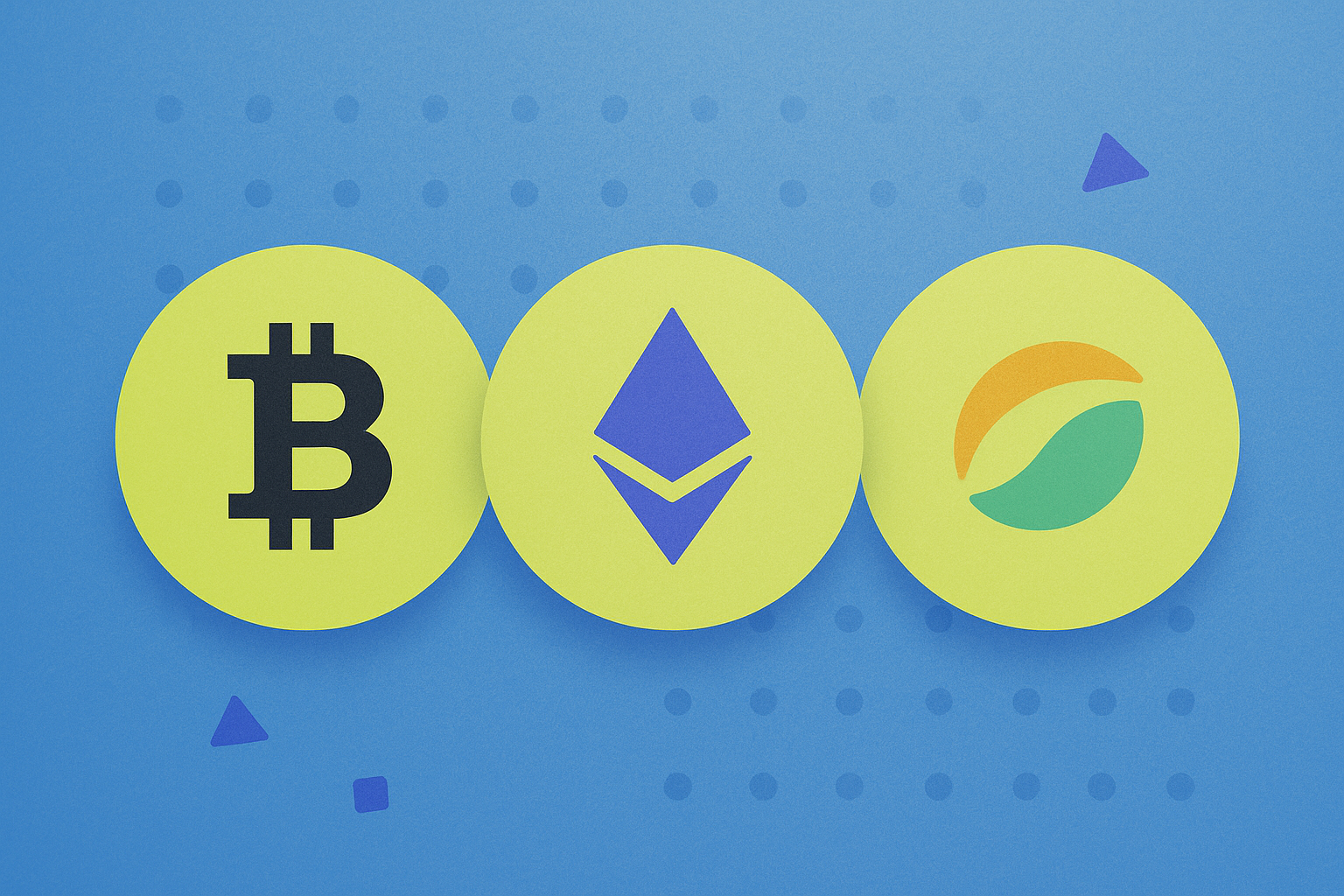
Market capitalization comparison: Bitcoin, Ethereum, and emerging altcoins lead the cryptocurrency landscape
The market capitalization of cryptocurrencies serves as the primary metric determining their prominence within the digital asset ecosystem. Bitcoin and Ethereum maintain their dominant positions as the top-ranked assets, controlling substantial portions of the total cryptocurrency market value and shaping investor sentiment across exchanges including gate. Their established market positions reflect years of user adoption, network effects, and institutional confidence.
Beyond these established leaders, the cryptocurrency landscape encompasses thousands of altcoins competing for market share and investor attention. Emerging projects like Mango Network demonstrate the diversity of innovation within this space. With a total market cap of approximately $212.3 million and ranking at position 682, Mango Network exemplifies how next-generation Layer 1 infrastructure attracts capital despite the crowded altcoin market. This positioning illustrates the tiered structure of cryptocurrency valuations, where Bitcoin and Ethereum occupy a separate tier above most competitors.
The market capitalization comparison reveals critical insights about cryptocurrency maturity and adoption patterns. Larger market caps typically correlate with greater liquidity, exchange availability, and user acceptance. However, the gap between top-tier cryptocurrencies and emerging altcoins continues to present opportunities for growth-focused investors seeking exposure to innovative blockchain technology. Projects entering the market with differentiated value propositions—such as cross-chain interoperability solutions—attract distinct communities despite lower initial valuations. Understanding these hierarchical relationships helps participants evaluate risk profiles and identify where emerging altcoins fit within the broader digital asset ecosystem evolving alongside established cryptocurrency giants.
Performance metrics analysis: volatility, returns, and trading volume across major cryptocurrencies
Understanding performance metrics is essential for comparing how different cryptocurrencies behave in the market. Key indicators like volatility, returns, and trading volume reveal critical patterns that distinguish active trading assets from those with lower market participation.
Volatility measures price fluctuation intensity over specific periods. For instance, MGO demonstrated a 24-hour volatility of -0.65%, with a 7-day return of +4.64%, illustrating how cryptocurrencies experience different price swings across timeframes. Some assets show wider daily fluctuations, indicating higher risk and potentially greater trading opportunities, while others maintain more stable price movements.
| Timeframe | Price Change | Trading Volume Impact |
|---|---|---|
| 1 Hour | -0.19% | Lower activity |
| 24 Hours | -0.65% | Moderate activity |
| 7 Days | +4.64% | Increased volume |
| 30 Days | +5.89% | Sustained trading |
Trading volume directly reflects market interest and liquidity. MGO's 24-hour volume reached 1.1+ million, demonstrating active participation. Higher volumes typically correlate with better price discovery and lower slippage for traders on platforms like gate. Returns across different timeframes show whether momentum is building or fading—positive returns over 7 and 30 days suggest growing investor confidence, while negative short-term returns might indicate market consolidation or correction phases in major cryptocurrencies.
User adoption rates and network growth: measuring active users and transaction volume by blockchain
Measuring blockchain adoption requires examining multiple indicators beyond price movements. Active users and transaction volume serve as fundamental metrics for assessing how extensively a blockchain's network is being utilized. Different blockchains adopt varying measurement methodologies, making direct comparisons essential for investors evaluating growth potential.
Transaction volume represents the total value or number of transactions processed on a blockchain during a specific period. Mango Network, for instance, demonstrates substantial network activity with daily transaction volumes frequently ranging between 44 million to 86 million dollars, reflecting consistent user engagement across its multi-virtual machine infrastructure. This metric reveals genuine user adoption patterns beyond speculative trading.
The distinction between active daily users and monthly active users provides deeper insight into network growth trajectories. Some blockchains prioritize high transaction counts through automated processes, while others emphasize genuine user participation. By analyzing transaction patterns, address diversity, and smart contract interactions, analysts can distinguish between organic adoption and artificial inflation. Mango Network's sustained transaction volume alongside its Layer 1 positioning demonstrates healthy ecosystem development, illustrating how measuring blockchain adoption through multiple on-chain indicators provides clearer understanding of which networks achieve genuine user traction and long-term viability.
Competitive advantages: technology innovation, security features, and ecosystem development differentiation
Mango Network distinguishes itself through cutting-edge technology innovation built on a Layer 1 multi-virtual machine infrastructure. Unlike traditional blockchains, MGO leverages a unique combination of Move, OPStack, and ZK Rollup technologies to create a comprehensive ecosystem development strategy that addresses fragmentation challenges across Web3 and DeFi protocols. This technological differentiation enables cross-chain communication and multi-virtual machine interoperability, supporting MoveVM, EVM, and SVM simultaneously.
Security features form a cornerstone of Mango Network's competitive advantages. The platform employs advanced security mechanisms within its modular architecture, providing developers and users with robust protection while maintaining high performance standards. With a current market capitalization of $212.3 million and trading volume demonstrating consistent ecosystem engagement, the network's architecture supports secure, scalable transactions. The security innovation extends beyond basic transaction validation—it encompasses the entire infrastructure design, allowing developers to build with confidence. Mango Network's ecosystem development reflects strategic focus on reducing liquidity fragmentation and creating seamless user experiences across multiple virtual machines, positioning it as a differentiated player in the competitive cryptocurrency landscape where unified infrastructure solutions are increasingly valuable.
FAQ
What are the market capitalizations of Bitcoin, Ethereum, and other major cryptocurrencies?
Bitcoin leads with approximately $2.3 trillion market cap, followed by Ethereum at around $450 billion. Other major cryptocurrencies like BNB, Solana, and XRP have market caps ranging from $50-150 billion. These rankings fluctuate based on market conditions and crypto adoption trends.
What is the difference between Bitcoin and Ethereum in transaction speed and performance?
Bitcoin processes approximately 7 transactions per second with 10-minute block times, primarily designed for value transfer. Ethereum handles around 30 transactions per second with 12-second block times, enabling smart contracts and complex applications. Ethereum offers superior scalability and functionality, while Bitcoin prioritizes security and decentralization.
Which cryptocurrencies have the highest user adoption rates, and why?
Bitcoin and Ethereum lead in user adoption due to their first-mover advantage, robust security, and extensive ecosystem development. Bitcoin dominates as digital gold, while Ethereum powers smart contracts and DeFi applications. Stablecoins like USDT and USDC also show massive adoption for payments and trading.
What are the main uses and application scenarios of different cryptocurrencies?
Bitcoin serves as digital gold and store of value. Ethereum enables smart contracts and decentralized applications. Stablecoins facilitate payments and trading. Other cryptocurrencies target specific use cases: supply chain tracking, privacy transactions, gaming tokens, and DeFi protocols. Each cryptocurrency addresses distinct market needs and user requirements.
How do the historical price performances of major cryptocurrencies like Bitcoin, Ethereum, and Dogecoin compare?
Bitcoin has shown the strongest long-term growth, increasing from under $1 to $40,000+. Ethereum launched at $1 and reached $3,000+. Dogecoin experienced volatile spikes but remained significantly lower. Bitcoin dominates in market stability and adoption, while Ethereum and Dogecoin show higher volatility with periodic rallies driven by market sentiment.
How should investors choose different cryptocurrencies, and what are their respective risks and opportunities?
Select cryptocurrencies based on market cap stability, technology fundamentals, and adoption rate. Bitcoin offers security, Ethereum provides smart contract utility. Altcoins present higher growth potential but greater volatility. Diversify across different use cases: payments, DeFi, infrastructure. Assess team credibility and real-world applications. Higher market cap generally means lower risk, while emerging projects offer significant upside opportunities with increased risk exposure.

Understanding Alternative Cryptocurrencies: A Guide to Alt Coins

How Does Litecoin Compare to Its Competitors in 2025?

How Has the Crypto Market Volatility Affected Price Trends in 2025?
How does SUI price volatility compare to Bitcoin and Ethereum in 2026?

Understanding Blockchain Forks: An Essential Guide

How High Can Polkadot (DOT) Price Go by 2032?

What is The White Whale (WHITEWHALE) meme coin and why does it lack fundamental support despite 2500% surge

How active is the Kaspa (KAS) community and ecosystem in 2026?
How does Kaspa (KAS) price volatility compare to Bitcoin and Ethereum in 2026?

How to Remove a Wallet

Sui TVL Soars, Which DeFi Projects Should You Pay Attention To?