What is Tron Coin: A Comprehensive Guide
If you're interested in the world of cryptocurrencies, you've likely come across Tron coin at some point. But what exactly is Tron coin? In this comprehensive guide, we will delve into the origins of Tron, its technical architecture, practical applications, and its potential impact in the evolving cryptocurrency landscape.
Origins of Tron Coin
Tron was founded by Justin Sun in 2017 with an ambitious vision to create a truly decentralized platform for content sharing and entertainment. The fundamental philosophy behind Tron is to eliminate intermediaries and enable content creators to connect directly with their audience, fostering a more equitable digital ecosystem.
The project emerged during a period when blockchain technology was gaining significant traction, and concerns about centralized control over digital content were becoming increasingly prominent. Traditional content distribution platforms often take substantial commissions from creators, impose restrictive policies, and maintain control over content visibility. Tron sought to address these challenges by building a decentralized infrastructure where creators retain ownership and control of their work.
The Tron network is built on a delegated proof-of-stake (DPoS) consensus mechanism, which allows for high transaction throughput and scalability. This technical foundation enables the platform to handle millions of transactions per day, making it suitable for real-world applications beyond simple cryptocurrency transfers. The network's architecture consists of three layers: the storage layer for distributed data storage, the core layer for smart contract execution, and the application layer for user-facing dApps.
By cutting out the middleman, Tron not only reduces costs for both creators and consumers but also provides creators with greater autonomy over their content distribution, monetization strategies, and audience engagement. This democratization of content sharing represents a paradigm shift in how digital media can be produced, distributed, and consumed in the blockchain era.
Uses of Tron Coin
Tron coin, also known as TRX, serves as the native cryptocurrency of the Tron network and plays a multifaceted role within its ecosystem. Understanding the various use cases of TRX is essential for appreciating the token's utility and value proposition.
Transaction Payments: TRX is primarily used to pay for transaction fees on the Tron network. Unlike some blockchain networks where transaction costs can be prohibitively high, Tron offers relatively low fees, making it attractive for frequent transactions and microtransactions. This cost efficiency is particularly beneficial for content creators who need to conduct numerous small-value transactions.
Decentralized Applications (dApps): The Tron ecosystem hosts a growing number of decentralized applications spanning various sectors including gaming, social media, decentralized finance (DeFi), and entertainment. TRX is used to interact with these dApps, whether for purchasing in-game assets, accessing premium content, or participating in DeFi protocols. For example, users might stake TRX in a DeFi application to earn yields, or spend TRX to acquire digital collectibles in a blockchain-based game.
Governance Participation: TRX holders have the ability to participate in network governance by voting on important protocol decisions and electing Super Representatives (SRs) who validate transactions and maintain the network. This governance mechanism ensures that the Tron community has a voice in the platform's development and evolution. Token holders can freeze their TRX to gain voting power, demonstrating their commitment to the network's long-term success.
Staking and Rewards: Users can stake their TRX tokens to support network operations and earn rewards in return. This staking mechanism not only secures the network but also provides passive income opportunities for token holders. Additionally, staking TRX grants users bandwidth and energy resources, which are necessary for executing transactions and smart contracts on the Tron network.
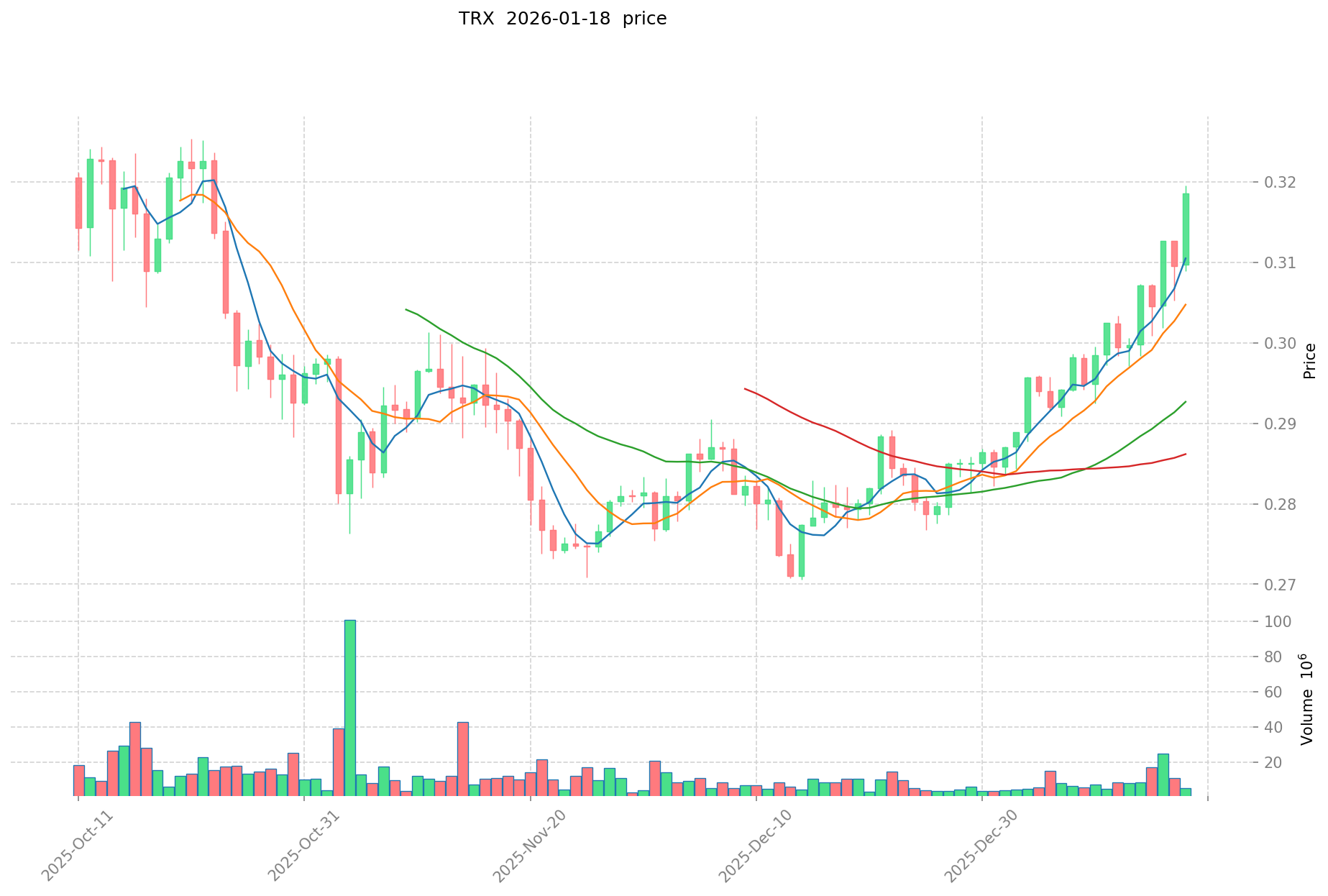
Trading and Investment: TRX can be traded on various cryptocurrency exchanges worldwide, making it accessible to investors and traders. Its liquidity and market presence have made it a popular choice for those seeking exposure to blockchain-based content distribution platforms. The token's price dynamics are influenced by network adoption, technological developments, and broader cryptocurrency market trends.
Potential Impact in the Cryptocurrency Market
As one of the leading cryptocurrencies by market capitalization, Tron coin has demonstrated significant potential to influence the broader cryptocurrency landscape. Several factors contribute to its market position and future prospects.
Differentiation Through Decentralization: Tron's unwavering focus on decentralization and content sharing distinguishes it from many other cryptocurrency projects. While numerous blockchain platforms exist, Tron's specific emphasis on empowering content creators and eliminating centralized intermediaries resonates with users who value digital sovereignty and fair compensation. This unique positioning has helped Tron carve out a distinct niche in the competitive cryptocurrency market.
Strategic Partnerships and Ecosystem Growth: Tron's partnerships with established industry players have significantly enhanced its credibility and adoption. Collaborations with technology giants like Samsung, which integrated TRX into its blockchain wallet, and the acquisition of BitTorrent, a peer-to-peer file-sharing protocol with millions of users, have expanded Tron's reach beyond the cryptocurrency community. These strategic moves have introduced Tron to mainstream audiences and demonstrated real-world utility for its technology.
Technical Performance and Scalability: The Tron network's ability to process thousands of transactions per second positions it favorably compared to earlier blockchain platforms that struggle with scalability issues. This technical capability makes Tron suitable for applications requiring high throughput, such as gaming platforms, social networks, and payment systems. As blockchain adoption grows, networks that can handle large-scale usage without compromising on speed or cost will likely gain competitive advantages.
DeFi and NFT Integration: Tron has actively expanded into the decentralized finance (DeFi) and non-fungible token (NFT) sectors, which have experienced explosive growth in recent years. The network hosts various DeFi protocols offering lending, borrowing, and yield farming services, while also supporting NFT marketplaces for digital art and collectibles. This diversification beyond content sharing demonstrates Tron's adaptability and commitment to remaining relevant in the evolving blockchain ecosystem.
Community Support and Development Activity: A strong and engaged community is crucial for any cryptocurrency project's long-term success. Tron has cultivated an active global community of developers, content creators, and token holders who contribute to the ecosystem's growth. Regular network upgrades, developer incentive programs, and community initiatives have fostered a vibrant ecosystem that continues to attract new participants.
Regulatory Considerations: As regulatory frameworks for cryptocurrencies evolve globally, Tron's approach to compliance and its ability to navigate different jurisdictions will impact its future trajectory. The project's emphasis on legitimate use cases in content distribution and entertainment may position it favorably compared to cryptocurrencies with less clear utility.
In conclusion, Tron coin represents more than just a digital asset – it embodies a vision for a decentralized internet where content creators and consumers interact directly without intermediaries extracting value. By understanding the origins of Tron, its multifaceted uses within the ecosystem, and its potential to reshape content distribution and blockchain adoption, stakeholders can make informed decisions about engaging with the Tron network.
Whether you're a content creator seeking a platform that respects your ownership rights, a developer looking to build decentralized applications, or an investor evaluating opportunities in the cryptocurrency market, Tron coin offers compelling value propositions worth considering. As the blockchain industry continues to mature, projects like Tron that combine technological innovation with clear real-world applications are well-positioned to drive the next wave of mainstream adoption.
FAQ
What is TRON Coin (TRX)? What are its core functions and features?
TRON Coin (TRX) is the native token of the TRON blockchain, serving as fuel for transaction fees and smart contract execution. It powers decentralized applications, supports consensus mechanisms, and enables value transfer across the network ecosystem.
What are the advantages and differences of TRON blockchain compared to Ethereum and Bitcoin?
TRON offers superior transaction speed with higher TPS than Ethereum and Bitcoin, enabling faster processing and reduced network congestion. TRON's high throughput makes it ideal for large-scale applications and decentralized services.
How to buy and store TRON coin (TRX)? What are the safe wallet options?
Purchase TRX through reputable exchanges using fiat or crypto. For storage, use secure wallets like hardware wallets (Ledger, Trezor), mobile wallets, or desktop wallets. Hardware wallets offer maximum security for long-term holding.
TRON网络上的智能合约和DeFi应用生态如何?
TRON network features robust smart contract capabilities with a thriving DeFi ecosystem. JustLend DAO and other protocols enable automated lending and trading through algorithmic interest rates. The platform supports high transaction volume with low fees, attracting numerous DeFi applications and users. TRON's ecosystem continues expanding rapidly.
What are the risks of investing in TRON coin and what matters should be noted?
TRON investment risks include price volatility and regulatory changes. Investors should monitor market uncertainty and potential legal impacts. Conduct thorough research and risk assessment before investing.
What is TRON's development outlook and roadmap? What are the future plans?
TRON aims to enhance Layer 2 solutions and strengthen Bitcoin interoperability through cross-chain technology. Future initiatives include launching user-friendly wallet tools, supporting BRC-20 tokens, establishing Bitcoin Layer 2 partnerships, and eventually deploying a comprehensive Layer 2 solution combining PoS efficiency with PoW security.
Justin Sun
Justin Sun
Justin Sun
Justin Sun

Understanding DApps: The Ultimate Guide to Decentralized Applications

Understanding ENS: A Comprehensive Guide to Ethereum Name Service

What are the compliance and regulatory risks in cryptocurrency: SEC enforcement, audit transparency, and KYC/AML policies explained

What is on-chain data analysis: active addresses, transaction volume, whale movements, and fee trends explained

How to Analyze PAAL On-Chain Data: Active Addresses, Transaction Volume, Whale Distribution and Trading Trends

How does QNT face regulatory compliance risks in 2025 and what are the SEC implications?
What drives QNT price volatility: support and resistance levels, Bitcoin correlation, and 2026 market outlook