

LCP_hide_placeholder
fomox
MarketsPerpsSpotSwapMeme Referral
More
Smart Money Recruitment
Search Token/Wallet
/

Vitalik Buterin's Net Worth


2026-01-18 05:06:22
Blockchain
Crypto Ecosystem
DeFi
Ethereum
Web 3.0
Xếp hạng bài viết : 4.5
half-star
101 xếp hạng
Explore Vitalik Buterin's net worth in 2025 and how it influences the crypto market. Get an in-depth look at the Ethereum founder's holdings, DeFi investments, and philanthropy. Find all the essential details for investors and traders on Gate.
Vitalik Buterin's Net Worth

Vitalik Buterin’s Net Worth: Market Implications

Vitalik Buterin’s net worth is critically important for investors, traders, and cryptocurrency users, as both his actions and investment decisions can significantly affect overall market dynamics. As the founder of Ethereum and a central figure in blockchain, Buterin not only shapes the development path of the world’s second-largest cryptocurrency by market capitalization, but also serves as a bellwether for assessing the stability and outlook of blockchain technology at large. image_url
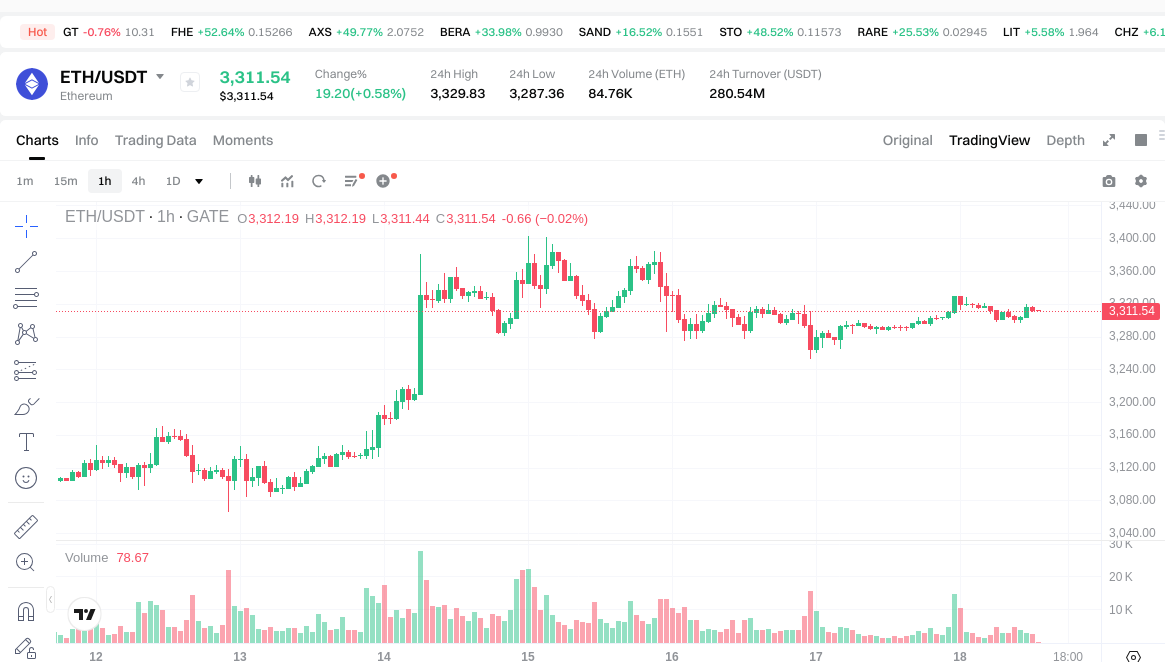
Analysts estimate Vitalik Buterin’s net worth in the billions of dollars. These estimates are based on his publicly known cryptocurrency investments and the value of his holdings in Ethereum and other blockchain projects. This figure is highly variable, fluctuating in line with ETH’s market price and the performance of his investment projects.

Buterin’s influence reaches well beyond asset ownership. His public remarks, technical proposals, and philosophical stances on decentralized technology shape investor sentiment and guide developers worldwide. Whenever Vitalik voices opinions on Ethereum’s future or critiques certain industry approaches, the market listens closely.

Recent Examples and Practical Impact

In recent years, Vitalik Buterin has actively contributed to several breakthrough blockchain projects. He has invested heavily in advanced scaling solutions for Ethereum, such as the shift to the Proof-of-Stake consensus mechanism and the rollout of sharding technology. These innovations have dramatically improved network throughput, reduced energy costs, and strengthened security—attracting new investment and fueling ETH’s price growth.

Apart from technical improvements to the Ethereum mainnet, Buterin is an active supporter of initiatives aimed at building decentralized financial services (DeFi) and expanding the non-fungible token (NFT) ecosystem. His involvement in these areas drives interest in Ethereum as a versatile platform for decentralized application (DApp) development, pushing blockchain’s potential well beyond simple monetary transactions.

Vitalik places special emphasis on blockchain projects with social impact, including digital identity systems, quadratic funding for public goods, and solutions that enhance transparency in charitable giving. These initiatives show his interests extend beyond commercial success, highlighting his commitment to using technology to address global social challenges.

Statistics and Key Data

Industry research shows Ethereum’s market capitalization has reached remarkable highs in recent years, frequently crossing the $100 billion threshold. This growth stems in part from successful tech upgrades and the expansion of the DeFi sector. As a major ETH holder, Vitalik Buterin’s wealth has grown alongside this rise, although he has consistently stated that financial gain is not his main motivation.

Market analysis reveals that Buterin’s actions and statements often signal major trends in the crypto sector, making him a key reference point for investors and analysts. For instance, when Vitalik publicly supports certain technological solutions or critiques popular but risky practices, the market typically responds accordingly.

It’s notable that Buterin is well-known for his philanthropy within crypto. He has donated substantial amounts in cryptocurrency to various charitable causes, such as COVID-19 relief and support for scientific research. These actions reflect his values and shape public perception of cryptocurrencies, showcasing their potential for positive societal impact.

Summary and Key Insights

Vitalik Buterin’s net worth is more than a measure of personal achievement as a tech entrepreneur and visionary—it is also a key indicator of the health and potential of the broader cryptocurrency sector. His investments and ongoing innovation continue to shape the market, making him a crucial figure for both institutional and retail participants.

Investors and traders should keep a close eye on Buterin’s activities and public commentary, as his decisions and perspectives often offer valuable insights into future market directions and potential investment opportunities. Understanding his philosophy and technical priorities helps forecast long-term trends in the crypto space.

For blockchain users and developers, projects supported by Vitalik are especially valuable, as they typically represent the leading edge of technological advancement and drive blockchain adoption across diverse economic sectors. Engaging with the Ethereum ecosystem and following Buterin’s technical vision can open new pathways for innovation.

In conclusion, Vitalik Buterin’s net worth and ongoing contributions to the cryptocurrency industry remain crucial markers for assessing the current state and future outlook of blockchain technology. His influence extends far beyond financials, shaping the philosophy and direction of decentralized technology worldwide.

FAQ

What is Vitalik Buterin’s estimated total net worth?

As of 2026, Vitalik Buterin’s net worth is estimated at around $8.3 billion, including his known crypto assets. The real figure may be higher, as it may include undisclosed holdings.

How does Vitalik Buterin primarily accumulate wealth?

Vitalik Buterin primarily accumulates wealth by holding Ethereum (ETH) tokens. He owns about 246,730 ETH, valued at roughly $553 million in 2026. As Ethereum’s founder, most of his wealth comes from the appreciation of ETH tokens he created and held since the project’s inception.

How much Ethereum (ETH) does Vitalik Buterin hold?

Vitalik Buterin holds approximately 320,000 ETH (about 0.3% of the total supply). He has repeatedly donated and burned ETH to support the ecosystem, prioritizing Ethereum’s growth over personal gain.

How has Vitalik Buterin’s asset portfolio changed in recent years?

Vitalik Buterin’s net worth has increased dramatically—more than 900-fold since 2015. His wealth is mainly tied to early investments in Ethereum and the rise in crypto valuations.

Does Vitalik Buterin own cryptocurrencies besides Ethereum?

Yes, in addition to Ethereum, Vitalik Buterin also holds other crypto tokens, including those from DeFi projects. These holdings are related to his involvement in various projects within the Ethereum ecosystem.

* Thông tin không nhằm mục đích và không cấu thành lời khuyên tài chính hay bất kỳ đề xuất nào được Gate cung cấp hoặc xác nhận.

Mời người khác bỏ phiếu

Nội dung

Vitalik Buterin’s Net Worth: Market Implications

Recent Examples and Practical Impact

Statistics and Key Data

Summary and Key Insights

FAQ

Bài viết liên quan
ENS Domains: Your Gateway to Ethereum Identities

ENS Domains: Your Gateway to Ethereum Identities

Explore how the Ethereum Name Service (ENS) makes working with the Ethereum network easier. This article discusses the advantages of ENS domains, their operational mechanics, and their significance in decentralizing the web. Find out how to register an ENS domain and use it with cryptocurrency wallets and on Gate, while understanding how ENS could shape the future of Web3.
2025-12-04 11:06:00
Exploring Chainlink's Integration with Ethereum Network

Exploring Chainlink's Integration with Ethereum Network

Discover how Chainlink's integration with the Ethereum network empowers Web3 connectivity by serving as a decentralized oracle powerhouse. This article delves into Chainlink's pivotal role in bridging smart contracts with real-world data, transforming decentralized finance, NFTs, gaming, insurance, and enterprise applications. Tailored for blockchain enthusiasts and investors, it highlights Chainlink's innovative features such as cross-chain interoperability and its secure incentive model. Familiarize yourself with Chainlink's ecosystem dynamics and roadmap, offering insights into its critical infrastructure in the blockchain industry and potential value increase.
2025-12-04 07:27:24
Exploring the Role of Utility Tokens in Blockchain Ecosystems

Exploring the Role of Utility Tokens in Blockchain Ecosystems

This article explores the pivotal role of utility tokens in blockchain ecosystems, highlighting their evolution beyond simple value transfer to enabling diverse applications within decentralized platforms. It demystifies the distinction between coins and tokens, underscoring utility tokens' specific functions like governance, virtual property, and digital asset representation. Examples such as SAND, LDO, LINK, and BAT showcase the practical uses of utility tokens. The content aids crypto traders in understanding acquisition methods through exchanges like Gate or participating in decentralized applications. Readers will gain insights into how utility tokens enhance user interaction and drive the Web3 economy.
2025-12-01 12:40:32
Unlocking Blockchain Connectivity: Exploring Cross-Chain Interoperability Solutions

Unlocking Blockchain Connectivity: Exploring Cross-Chain Interoperability Solutions

The article explores the concept and implementation of blockchain bridges, crucial for enabling cross-chain interoperability. It details how token bridges work, their utility in connecting isolated blockchain ecosystems, and the potential risks associated with their use. Readers will understand the mechanisms behind cross-chain asset movement, such as mint and burn, and the distinction between centralized and decentralized bridge models. The content addresses developers and users seeking to navigate multichain environments and highlights the importance of evaluating bridge security. Keywords include blockchain bridging, cross-chain interoperability, and asset transfer.
2025-12-05 15:08:27
Understanding Utility Tokens in the Digital Economy

Understanding Utility Tokens in the Digital Economy

The article provides a comprehensive understanding of utility tokens, highlighting their functionalities and distinct role within digital economies. It contrasts crypto coins with tokens, focusing on how utility tokens power specific functions in decentralized applications. Readers will learn about various token examples like SAND, UNI, and BAT, illustrating their diverse applications from gaming to governance. Guidance is offered on acquiring utility tokens through platforms like Gate. The article concludes by emphasizing the importance of utility tokens in the innovation of blockchain technologies, catering to investors and users eager for decentralized growth opportunities.
2025-11-06 08:27:32
Exploring the Future of Decentralized Domain Names: ENS Insights

Exploring the Future of Decentralized Domain Names: ENS Insights

Explore the transformative potential of the Ethereum Name Service (ENS) in simplifying Ethereum interactions through human-readable domain names, akin to internet domains for IP addresses. This article delves into the functionality, importance, and applications of ENS domains, addressing challenges in user adoption, scalability, and decentralized governance. It guides users on registering ENS names and highlights their significance in DeFi and decentralized identity systems. For developers and blockchain enthusiasts seeking an accessible, efficient, and decentralized web, ENS offers a promising infrastructure to enhance user experience and foster web3 adoption.
2025-11-27 04:04:28
Đề xuất dành cho bạn
What is XLM market overview: Price, market cap ranking, supply and trading volume in 2026

What is XLM market overview: Price, market cap ranking, supply and trading volume in 2026

This comprehensive XLM market overview provides investors and traders with essential data on Stellar Lumens' current market position in 2026. With a $7.38 billion market capitalization ranking XLM at #16, the cryptocurrency demonstrates solid positioning within the digital asset ecosystem. The analysis covers critical metrics including 32.35 billion circulating supply tokens, 24-hour price volatility between $0.2271-$0.2384, and robust $183.01 million daily trading volume. XLM's multi-exchange availability on Gate, Binance, and Coinbase ensures optimal liquidity and execution efficiency for market participants. The article examines Stellar's utility as a cross-border payment and settlement layer, addressing key market characteristics that influence investor confidence. Whether you're evaluating entry points, monitoring market momentum, or understanding XLM's competitive landscape, this overview delivers actionable insights for navigating the 2026 cryptocurrency market.
2026-01-18 06:36:13
How do MACD, RSI, and KDJ technical indicators predict crypto price movements in 2026?
How do MACD, RSI, and KDJ technical indicators predict crypto price movements in 2026?

This comprehensive guide explores how MACD, RSI, and KDJ technical indicators function as market sentiment gauges to identify overbought/oversold conditions and momentum reversals in crypto trading. The article demonstrates how combining these three indicators creates confluence signals that significantly increase prediction reliability. Beyond individual indicators, moving average crossover strategies reveal trend direction through golden and death cross patterns, while volume-price divergence analysis identifies weak trends lacking market participation. Rather than relying on single indicators, professional traders integrate MACD for trend confirmation, RSI for extreme readings, and KDJ for momentum validation on Gate and other platforms. The guide emphasizes that these tools, combined with volume analysis and proper risk management, enhance crypto price prediction accuracy despite inherent limitations in volatile market conditions.
2026-01-18 06:33:00
How do Federal Reserve policy and inflation data impact cryptocurrency prices in 2026

How do Federal Reserve policy and inflation data impact cryptocurrency prices in 2026

This article examines how Federal Reserve monetary policy decisions and inflation data directly shape cryptocurrency valuations in 2026. It analyzes the transmission mechanisms linking interest rate adjustments, liquidity conditions, and market sentiment to Bitcoin and altcoin price movements. The piece explores how inflation data releases trigger immediate capital reallocation, how traditional assets like stocks and gold serve as leading indicators for crypto direction, and how macroeconomic uncertainty drives risk-on/risk-off cycles affecting digital assets differently. Readers learn to interpret Fed communications, anticipate price volatility around FOMC meetings and CPI releases, and understand why cryptocurrencies increasingly correlate with broader financial markets. Perfect for investors seeking to navigate crypto markets through macroeconomic fundamentals and policy-driven price discovery on Gate and other platforms.
2026-01-18 06:31:05
What are the legal risks and compliance challenges facing Pump.fun in 2025?

What are the legal risks and compliance challenges facing Pump.fun in 2025?

Pump.fun confronts substantial legal risks in 2025 as the SEC escalates scrutiny over unregistered securities allegations, with a $5.5 billion class action lawsuit filed in New York's Southern District Court challenging whether platform tokens meet the Howey Test criteria for investment contracts. Beyond litigation, the platform faces critical compliance vulnerabilities stemming from absent KYC and AML mechanisms that expose it to money laundering risks and regulatory violations, particularly as global enforcement actions intensify with institutions facing billions in fines. Additionally, the co-founder's public admission that most users lose money has intensified fraud accusations and damaged platform credibility, creating documentary evidence for regulatory proceedings. These converging challenges—securities law exposure, inadequate financial crime controls, and transparency deficits—position Pump.fun at the intersection of innovation and regulation, requiring immediate operational and compliance restructur
2026-01-18 06:29:13
How does macroeconomic policy affect crypto prices: Fed rates, inflation, and traditional markets impact on PUMP token and the broader crypto market in 2026

How does macroeconomic policy affect crypto prices: Fed rates, inflation, and traditional markets impact on PUMP token and the broader crypto market in 2026

This article examines how macroeconomic policy shapes cryptocurrency prices, focusing on PUMP token dynamics in 2026. It explores three critical transmission channels: Federal Reserve interest rate decisions that directly impact PUMP volatility through liquidity and risk appetite shifts; inflation data and traditional market correlations revealing crypto's decoupling from gold but increasing sensitivity to equity volatility; and PUMP's demonstrated resilience through $1.039 billion whale accumulation despite macroeconomic uncertainty. The analysis reveals that PUMP benefits from improved protocol fundamentals like Pump.fun's revised fee model, while broader crypto sentiment remains tied to Fed policy expectations, dollar strength, and institutional capital flows. Key insights address how rate cuts, inflation trends, and traditional market movements create predictable patterns for crypto investors, with 2026 positioned as a pivotal year as expected Fed rate reductions enhance liquidity conditions for risk asse
2026-01-18 06:27:17
What is Bittensor (TAO) whitepaper: core logic, use cases, and technical innovation explained

What is Bittensor (TAO) whitepaper: core logic, use cases, and technical innovation explained

Bittensor (TAO) is a decentralized artificial intelligence protocol that revolutionizes AI model development through blockchain-based orchestration and the innovative Yuma Consensus Algorithm. The network operates 125+ active subnets specializing in data processing, natural language processing, and image recognition, enabling composable AI applications across multiple domains. Bittensor's technical architecture evolved from centralized Yuma Consensus to Dynamic TAO (DTAO), introducing subnet-level token incentives that distribute rewards based on performance and adoption rather than predetermined criteria. Validators stake TAO tokens to assess model quality, while miners earn rewards for genuine AI contributions, creating a market-driven ecosystem. The founding team's expertise attracted institutional validation, culminating in Grayscale's December 2025 spot ETF filing, signaling confidence in Bittensor's sustainable fee revenue model and decentralized AI infrastructure vision.
2026-01-18 06:25:20