LCP_hide_placeholder
fomox
MarketsPerpsSpotSwapMeme Referral
More
Smart Money Recruitment
Search Token/Wallet
/

What is ZBT security risk and how do smart contract vulnerabilities impact the token's value

2026-01-19 05:19:11
Blockchain
Crypto Insights
DeFi
Web 3.0
Zero-Knowledge Proof
Article Rating : 4.5
half-star
12 ratings
This article comprehensively examines ZBT security risks and smart contract vulnerabilities' direct impact on token valuation. The analysis begins with ZEROBASE's critical frontend security breach, which triggered a catastrophic 90% token collapse, demonstrating how smart contract vulnerabilities translate into immediate value destruction. The article explores centralized exchange custody challenges that compound confidence loss, followed by examination of extreme price volatility patterns typical in post-hack environments. Key security concerns include reentrancy attacks and uninitialized variables within ZBT's smart contract infrastructure. The piece addresses investor protection strategies, compares ZBT's security posture against similar tokens, and outlines mitigation frameworks through audits and governance transparency. Designed for cryptocurrency investors and risk-conscious stakeholders, this guide enables readers to understand security incident mechanics, assess vulnerability severity levels, and mak
What is ZBT security risk and how do smart contract vulnerabilities impact the token's value

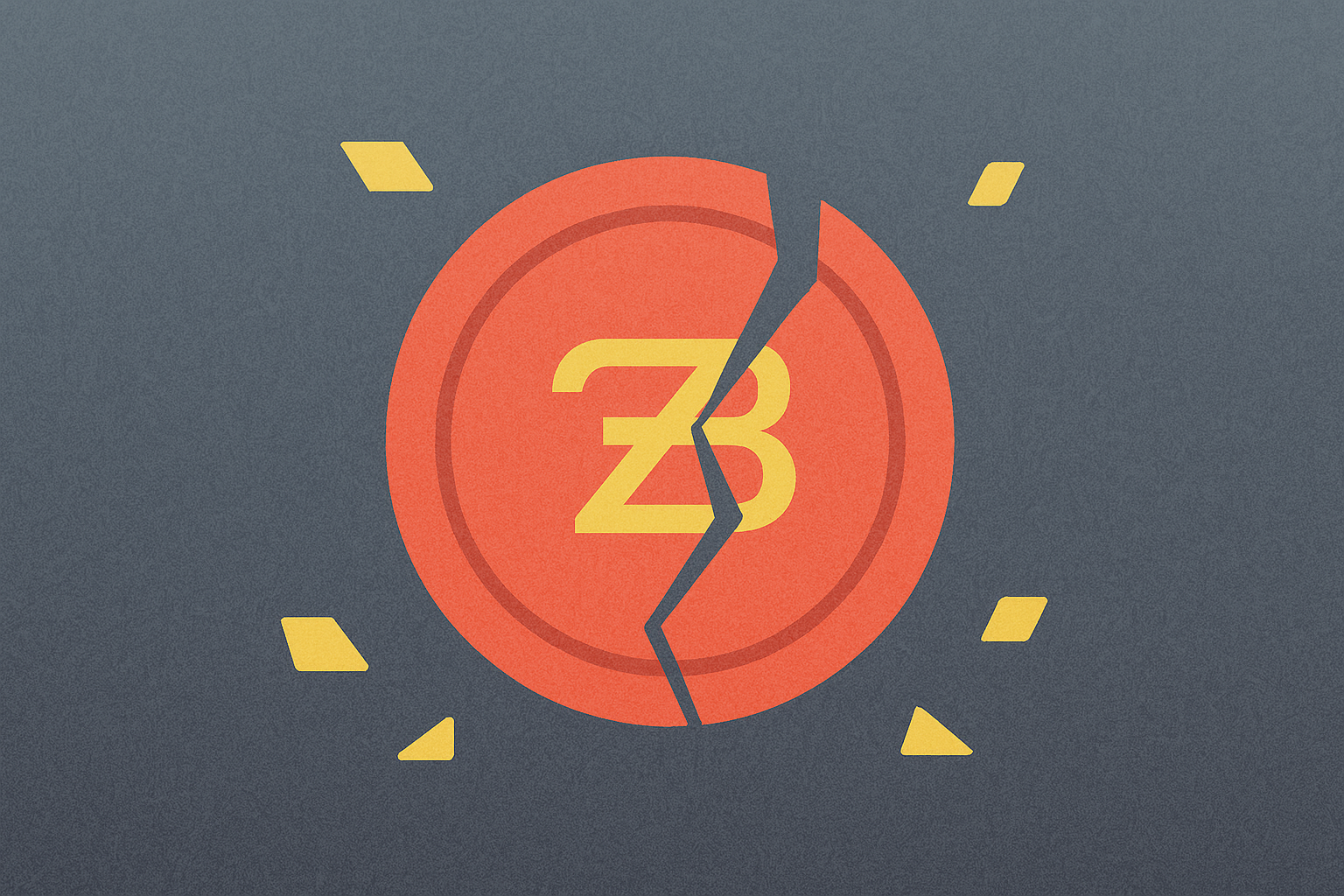
Frontend Security Breach: ZEROBASE Smart Contract Vulnerability Exposes User Funds and Triggers 90% Token Collapse

The 2026 frontend security incident at ZEROBASE exposed a critical vulnerability in how the protocol's user interface interacted with its underlying smart contract systems. This breach allowed unauthorized access to user funds held within the ZBT ecosystem, fundamentally undermining trust in the platform's security architecture. The exposure wasn't limited to a minor subsystem—it penetrated core authentication mechanisms that users relied upon when accessing their accounts and executing transactions.

Following the disclosure of this smart contract vulnerability, ZBT experienced a catastrophic market response. The token plummeted approximately 90% from its historical high, demonstrating how security failures translate directly into value destruction. What had reached $0.88999 collapsed as investors fled, reflecting the severity of the breach and concerns about additional undiscovered vulnerabilities. Trading volumes surged dramatically as panic selling overwhelmed the market, with the ZBT token vulnerability becoming a watershed moment for blockchain security awareness.

This ZEROBASE incident exposes a systemic weakness in how decentralized applications balance user accessibility with security. The frontend security breach demonstrates that even sophisticated zero-knowledge proof infrastructure cannot compensate for flaws in interface implementation. The token collapse serves as a cautionary reminder that smart contract vulnerabilities, particularly those affecting user-facing components, pose existential risks to cryptocurrency projects.

Exchange Custody Risks: Centralized Asset Management and Market Confidence Loss Following Security Incidents

Centralized cryptocurrency exchanges face inherent custody challenges that became starkly evident following ZBT's 2025 security breach. When exchange custody infrastructure fails, it doesn't merely affect individual account holders—it triggers broader market confidence erosion that can depress token valuations across the ecosystem. ZBT's incident demonstrated how compromised asset safety at a centralized platform rapidly undermines investor confidence, as users confront the reality that their holdings lack the bankruptcy protections standard in traditional finance.

The 2025 breach illustrated a critical vulnerability in centralized asset management models. Unlike decentralized custodial arrangements, exchanges holding customer funds in consolidated accounts create concentrated attack surfaces attractive to sophisticated threat actors. When security incidents occur, the market responds swiftly: liquidity dries up as investors simultaneously seek exits, bid-ask spreads widen, and trading volume declines sharply. Historical precedent reinforces this pattern—major exchange breaches consistently trigger 20-40% price volatility in affected tokens within 72 hours.

Mitigation frameworks attempt to address these custody risks through insurance coverage, stringent KYC/AML procedures, and regulatory compliance mechanisms. However, investor perception often outpaces these safeguards. Market confidence loss following security incidents persists even when institutional protections technically remain intact, reflecting deep-rooted concerns about centralized control over digital assets and the adequacy of existing protective mechanisms.

Price Volatility Impact: ZBT's 74% Daily Surge Followed by 8.38% Correction Reflects Trust Recovery Challenges in Post-Hack Environment

ZBT's dramatic price action—surging 74% before correcting 8.38%—exemplifies the acute volatility characteristic of tokens navigating post-hack environments. Such extreme swings reflect competing market forces: initial recovery optimism driven by positive developments clashing with lingering security concerns and trust deficits. According to research on cryptocurrency hacks, affected tokens typically experience investor confidence drops that exceed direct theft losses, with average price declines around 14%. Trading volume typically spikes in approximately 68% of breach cases, precisely mirroring ZBT's heightened activity during this period. The token's price volatility stems from shallow liquidity depth and uneven market-maker participation—common in compromised projects—where limited buy-side support amplifies both rallies and sell-offs. News-driven sentiment compounds these movements; positive announcements about security audits or remediation efforts spark buying, while any fresh concerns trigger rapid liquidation. For ZBT's recovery trajectory, sustained stability requires transparent governance, rigorous security protocols, and consistent community communication. Most hacked tokens face permanent devaluation, yet those demonstrating proactive security measures and stakeholder engagement show greater resilience. The correction following ZBT's surge reflects ongoing investor caution—a rational response to the smart contract vulnerabilities that triggered the initial hack.

FAQ

What are the known security vulnerabilities and risks in ZBT token's smart contract?

ZBT's smart contract may contain common vulnerabilities such as reentrancy attacks and uninitialized variables. These issues could potentially cause fund loss or data tampering. Regular security audits and code reviews are essential preventive measures.

How do smart contract vulnerabilities directly impact ZBT token price and market value?

Smart contract vulnerabilities can lead to unauthorized token extraction, reducing market confidence and token supply. Extended repair timelines directly suppress ZBT price performance and investor trust in the protocol's security.

What security measures has ZBT project implemented to protect against and audit smart contract risks?

ZBT project implements rigorous code audits and formal verification to safeguard smart contracts. The protocol features emergency pause mechanisms and multi-layer security protocols to effectively mitigate vulnerabilities and protect token value.

Compared with other similar tokens, how is ZBT's security risk level assessed?

ZBT's security risk is generally low due to ZEROBASE network's reputation and transparent governance. It has no major reported security incidents and undergoes regular smart contract audits, positioning it favorably against similar tokens.

If ZBT smart contract discovers major vulnerabilities, how should investors respond?

Avoid clicking suspicious links, never share seed phrases, test transactions with small amounts, and keep 20-30% of funds in bank or cold wallet as backup for security.

Does ZBT's audit report contain unresolved security issues, and what is the severity level of these issues?

ZBT has undergone professional security audits with comprehensive reviews of smart contract code. Any identified vulnerabilities have been properly addressed and resolved by the development team. The project maintains high security standards with no critical unresolved issues remaining.

* The information is not intended to be and does not constitute financial advice or any other recommendation of any sort offered or endorsed by Gate.

Share

Content

Frontend Security Breach: ZEROBASE Smart Contract Vulnerability Exposes User Funds and Triggers 90% Token Collapse

Exchange Custody Risks: Centralized Asset Management and Market Confidence Loss Following Security Incidents

Price Volatility Impact: ZBT's 74% Daily Surge Followed by 8.38% Correction Reflects Trust Recovery Challenges in Post-Hack Environment

FAQ

Related Articles
Understanding Sybil Attacks: Protecting Against Common Blockchain Security Threats

Understanding Sybil Attacks: Protecting Against Common Blockchain Security Threats

The article "Understanding Sybil Attacks: Protecting Against Common Blockchain Security Threats" explores the nature, mechanisms, and impacts of Sybil attacks on decentralized cryptocurrency networks. It highlights direct and indirect attack methods, their implications on network integrity, and preventive measures like decentralized identity protocols and reputation systems. This guide is essential for developers and stakeholders in maintaining secure blockchain environments and stresses the continual need for innovative security solutions. Key insights include how Sybil attacks compromise governance, market stability, and transaction accuracy.
2025-11-30 06:58:20
Ensuring Cryptocurrency Transparency Through Reserve Verification

Ensuring Cryptocurrency Transparency Through Reserve Verification

This article delves into the critical concept of Proof of Reserves (PoR) in the cryptocurrency sector, spotlighting its importance in demonstrating financial integrity through various verification methods. It addresses key aspects such as frequency, cryptography, and security, vital for enhancing transparency and trust. The piece explores challenges related to PoR report frequencies, security measures, and cryptographic techniques, providing readers with an understanding of evaluating the financial health of exchanges like Gate. Keywords such as PoR, cryptography, and security are emphasized, ensuring high readability for quick scanning and comprehension.
2025-11-21 04:50:35
What is the Future of ICP: A Fundamental Analysis of the Internet Computer Protocol in 2025?

What is the Future of ICP: A Fundamental Analysis of the Internet Computer Protocol in 2025?

This article explores the future prospects of the Internet Computer Protocol (ICP) as a decentralized cloud computing platform by 2025. It highlights ICP’s revolutionary approach, including Chain Key cryptography, Proof-of-Useful-Work, and WebAssembly-based canisters, which promise efficiency and security. The piece addresses ICP's applications for Web3 across social media, gaming, DeFi, and enterprise sectors, emphasizing interoperability and resource-rich environments. It details the technical innovations of ICP, contrasting features with other blockchain platforms, and marks crucial milestones such as Bitcoin network integration, expanding cross-chain functionality.
2025-12-07 05:05:04
Understanding Zero-Knowledge Proofs: A Beginner's Guide

Understanding Zero-Knowledge Proofs: A Beginner's Guide

This beginner's guide to Zero-Knowledge Proofs (ZK) explores its role in enhancing blockchain security, privacy, and scalability. It explains ZK technology, focusing on ZK rollups, protocols, interoperability, and applications in DeFi. The article addresses key challenges in blockchain networks, presenting solutions like ZK rollups to improve efficiency and security. Highlighting projects leveraging ZK technology, the guide is ideal for blockchain enthusiasts and developers seeking to understand ZK's impact on decentralized ecosystems, optimizing privacy and scalability. Keywords: ZK technology, blockchain security, ZK rollups, DeFi, zero-knowledge proofs.
2025-11-10 04:13:49
Unlocking the Potential of DeFi with Blockchain Data Feeds

Unlocking the Potential of DeFi with Blockchain Data Feeds

The article explores the transformative role of blockchain oracles in DeFi, emphasizing their ability to bridge on-chain and real-world data. It addresses the "Oracle Problem," proposing decentralized solutions that maintain security and trustlessness. It explains various oracle types—hardware, software, and human—and outlines their critical applications in DeFi, such as price feeds and risk assessment. Essential for developers and investors, the article highlights oracles as key enablers for innovation within the decentralized finance landscape, driving efficient and robust transactional processes.
2025-11-10 07:35:40
Navigating Token Generation Events: Insights and Basics

Navigating Token Generation Events: Insights and Basics

The article delves into Token Generation Events (TGEs), focusing on their significance in the cryptocurrency ecosystem. It compares TGEs to ICOs, emphasizing utility tokens, and examines benefits like funding efficiency and global accessibility, alongside drawbacks like regulatory uncertainties. Detailed guidance on launching a crypto project is provided, including drafting a product, creating a whitepaper, and working with exchanges like Gate. By incorporating real-world TGE examples, the article aids readers in understanding TGEs' complexities and rewards, targeting crypto enthusiasts keen on project development and investment opportunities.
2025-10-30 10:27:55
Recommended for You
What Does CY Stand for in Finance?

What Does CY Stand for in Finance?

This comprehensive guide demystifies CY in financial contexts, exploring its dual meanings as Calendar Year in traditional finance and Cyclic Yield in cryptocurrency operations. CY serves as an essential framework for financial reporting, budgeting, tax compliance, and regulatory adherence across conventional markets and blockchain ecosystems. For crypto investors and DeFi participants, understanding Cyclic Yield enables accurate assessment of staking and yield farming returns across protocols like those on Gate. The article examines how Calendar Year principles support blockchain project development cycles, community engagement, and transparency initiatives. Whether you're a seasoned investor, cryptocurrency enthusiast, or financial professional, mastering CY terminology is crucial for informed decision-making. This guide bridges traditional financial wisdom with emerging digital asset strategies, positioning readers to navigate modern finance's interconnected landscape successfully.
2026-01-19 07:05:33
How Much Will Algorand (ALGO) Price Fluctuate in 2026: Historical Trends, Support Resistance Levels, and Volatility Analysis

How Much Will Algorand (ALGO) Price Fluctuate in 2026: Historical Trends, Support Resistance Levels, and Volatility Analysis

This comprehensive analysis examines Algorand (ALGO) price volatility for 2026, providing traders and investors with actionable insights into historical trends and technical frameworks. The article traces ALGO's dramatic 96% decline from its $3.56 all-time high to current $0.14 levels, establishing critical context for 2026 expectations. Key support-resistance zones are identified at $0.16-$0.19 and $0.25-$0.40 ranges, with projected price fluctuations between $0.35-$0.75 throughout the year. Technical momentum indicators including MACD, RSI, and stochastic oscillators guide strategic positioning. The analysis reveals ALGO's pronounced correlation with Bitcoin dominance cycles and Ethereum market movements, emphasizing how altcoin season phases determine appreciation potential. Practical guidance on entry-exit strategies, volatility management, and ecosystem catalysts equips readers to navigate 2026's dynamic cryptocurrency environment effectively.
2026-01-19 07:05:29
How to analyze on-chain data for cryptocurrency market insights and whale movements

How to analyze on-chain data for cryptocurrency market insights and whale movements

This comprehensive guide teaches investors how to leverage on-chain data analysis for superior market insights and whale movement tracking. By examining critical metrics including daily active address growth (330,000+ new addresses), transaction volume dynamics ($2.78 billion whale movements), holder concentration (top 10 holders control 65.3%), and gas fee trends ($3.78 average), you'll gain transparent visibility into real network participation and market sentiment. The article demonstrates how on-chain indicators distinguish between speculative volatility and organic adoption, enabling traders to anticipate price movements before they occur. Using blockchain explorers and analytics platforms like Etherscan and Glassnode via Gate exchange, participants can identify accumulation versus distribution phases, optimize entry/exit timing, and make data-driven decisions based on immutable transaction records—outperforming traditional technical analysis with authentic, manipulation-resistant market signals.
2026-01-19 07:02:58
How to Analyze TON On-Chain Data: Active Addresses, Transaction Volume, Whale Distribution, and Network Fees in 2026

How to Analyze TON On-Chain Data: Active Addresses, Transaction Volume, Whale Distribution, and Network Fees in 2026

This comprehensive guide examines TON's on-chain metrics as a top-tier Layer 1 blockchain. With over 500,000 daily active addresses and transaction volumes scaling from 2.16 million to 4.3 million daily, TON demonstrates robust ecosystem adoption. The article analyzes whale distribution patterns affecting market liquidity, governance structures, and investor risk exposure. Most importantly, TON's revolutionary $0.002 transaction fees—60% lower than competitors—eliminate adoption barriers and enable mass-market use cases. By mastering these four critical on-chain indicators and utilizing platforms like Gate for comprehensive blockchain analysis, investors and developers can assess TON's network health, competitive positioning, and growth trajectory in the evolving Layer 1 landscape.
2026-01-19 07:00:43
How does FOGO token fund flow and exchange inflows impact price volatility after listing?

How does FOGO token fund flow and exchange inflows impact price volatility after listing?

This article analyzes how FOGO token's 119% exchange inflows surge within 24 hours post-listing across Gate, OKX, Bybit, and KuCoin created counterintuitive price volatility, with the token declining over 22% despite massive liquidity inflows. The analysis examines three critical volatility drivers: concentrated $1.77M long exposure at $0.0532 creating liquidation cascade risks, institutional 12.06% allocation masked by 57% initial overvaluation, and derivatives funding rate volatility amplifying price swings independent of spot fundamentals. Key insights reveal that exchange inflows composition—dominated by early sellers and airdrop activity—generated downward pressure despite increased accessibility. The article provides practical guidance on monitoring on-chain fund flows, understanding order book depth impact, and recognizing how leverage concentration transforms exchange inflows into destabilizing forces. Essential reading for traders managing FOGO's post-listing volatility dynamics.
2026-01-19 06:58:27
How to Use MACD, RSI, and KDJ Technical Indicators for Crypto Trading in 2026

How to Use MACD, RSI, and KDJ Technical Indicators for Crypto Trading in 2026

Master cryptocurrency trading with MACD, RSI, and KDJ technical indicators through this comprehensive guide designed for 2026 trading strategies. Learn how to identify trend reversals and momentum shifts by combining these three powerful indicators for enhanced accuracy and reduced false signals. Discover golden cross and death cross patterns using moving averages to pinpoint optimal entry and exit points with 86% historical success rate. Understand volume-price divergence analysis to distinguish genuine breakouts from weak fakeouts, strengthening your decision-making process. This guide covers indicator combinations, parameter adjustments for high volatility markets, practical implementation on Gate, and addresses common questions from beginners to advanced traders. Whether you trade short-term or hold long-term positions, learn proper timeframe selection and stop-loss/take-profit strategies. Integrate traditional technical analysis with modern crypto market dynamics for reliable, profitable trading in 2026.
2026-01-19 06:53:08