When Are Gas Fees Lowest in Crypto Transactions?
Understanding Gas Fees
In the realm of cryptocurrency, gas fees represent a fundamental transaction charge that users pay to miners for processing and confirming transactions on blockchain networks, particularly within the Ethereum ecosystem. These fees serve as compensation for miners who dedicate computational energy to verify transactions and add new blocks to the blockchain ledger.
To fully grasp the concept of gas fees, one must understand the underlying mechanics of the Ethereum network, which hosts the majority of decentralized applications (dApps) in the crypto space. Within this network, gas functions similarly to fuel in a vehicle—it powers all operations, from simple token transfers to complex smart contract executions. The pricing mechanism operates on supply and demand principles: as network usage intensifies with more users competing for limited block space, gas prices naturally escalate. This dynamic system ensures miners receive fair compensation for their computational work while incentivizing users to transact efficiently and avoid network spam.
The gas fee structure consists of two components: the base fee (which is burned and removed from circulation) and the priority fee (which goes directly to miners as a tip). This dual-layer system, introduced through Ethereum Improvement Proposal (EIP-1559), aims to make fee estimation more predictable while maintaining network security through miner incentives.
Importance of Timing
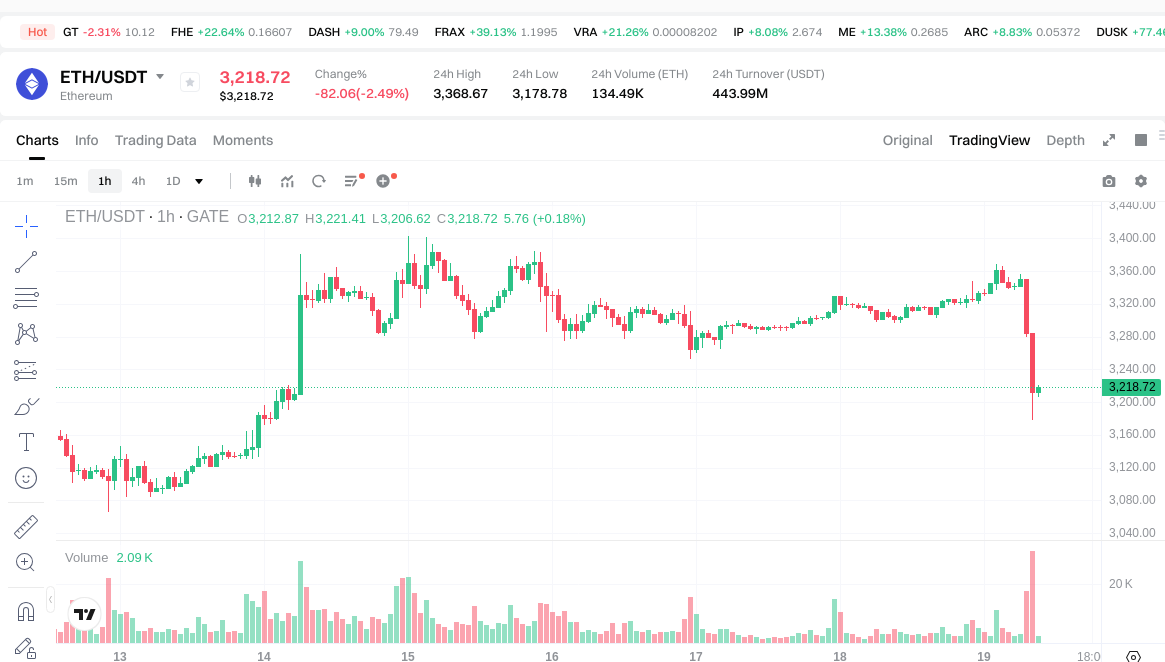
Much like traditional financial markets where timing can determine profit margins, the cryptocurrency space demands strategic timing for transaction execution. Gas fees exhibit significant volatility, fluctuating based on multiple interconnected factors including network congestion levels, time-of-day patterns, and prevailing market conditions. Mastering the art of timing transactions during low-fee periods can substantially impact your overall transaction costs and investment returns.
For active traders and frequent users of decentralized finance (DeFi) platforms, understanding these timing dynamics becomes even more critical. A transaction executed during peak hours might cost several times more than the same operation performed during off-peak periods. This differential can accumulate to substantial amounts over time, particularly for users conducting frequent transactions or interacting with gas-intensive smart contracts.
Factors Affecting Gas Fees
-
Network Congestion: Network congestion occurs when a high volume of users simultaneously attempt to execute transactions or interact with decentralized applications. During these periods, competition for limited block space intensifies, driving gas prices upward. Major events such as popular NFT drops, DeFi protocol launches, or significant market movements can trigger sudden congestion spikes, causing gas fees to multiply within minutes.
-
Time of Day: Transaction activity on the Ethereum network follows predictable daily patterns influenced by global time zones. Early morning hours in the United States or late evening hours in Asia typically experience reduced network activity, resulting in lower gas fees. Understanding these cyclical patterns allows users to schedule non-urgent transactions during these quieter periods, achieving significant cost savings.
-
Market Sentiments and Events: Major market events, breaking news, or dramatic price movements can trigger sudden surges in network activity as users rush to execute time-sensitive transactions. During bull markets or periods of high volatility, gas fees tend to remain elevated as trading activity intensifies across exchanges and DeFi platforms.
-
Network Upgrades: Structural changes and protocol upgrades on the Ethereum network can temporarily affect gas fee dynamics. While long-term improvements such as the transition to Ethereum 2.0 and the implementation of Layer 2 scaling solutions promise reduced fees, the immediate aftermath of major upgrades may experience volatility as the network adjusts to new parameters.
When Are Gas Fees Usually Lowest?
Identifying optimal transaction windows requires careful observation of daily, weekly, and seasonal patterns in network activity. Historical data analysis reveals consistent trends that savvy users can leverage to minimize transaction costs.
Typical Low Gas Fee Times
-
Nights and Early Mornings: Gas fees typically reach their lowest points during off-peak hours that span late nights and early mornings across major geographic regions. Specifically, the window between 2 AM and 6 AM EST often presents favorable conditions, as this period captures low-activity hours across North American, European, and Asian markets simultaneously.
-
Weekends: Weekend periods consistently demonstrate reduced gas fees compared to weekday averages. With traditional financial markets closed and corporate blockchain activity minimal, overall network congestion decreases substantially. Saturday mornings and Sunday afternoons particularly stand out as cost-effective transaction windows.
-
Holidays: Public holidays, especially those observed across multiple major economies, create extended periods of reduced network activity. These occasions provide excellent opportunities for executing non-urgent transactions at minimal cost. International holidays that span multiple regions offer the most pronounced fee reductions.
-
Right After Significant Network Events: Following major network upgrades, maintenance periods, or the resolution of technical issues, there often emerges a brief lull in activity as users exercise caution and wait to confirm network stability. This temporary hesitation can create windows of reduced congestion and lower fees.
Strategies to Minimize Gas Fees
While gas fee volatility remains an inherent characteristic of blockchain networks, implementing strategic approaches can significantly optimize your transaction costs and timing decisions.
1. Transaction Scheduling
Leverage specialized gas tracking platforms and analytical tools to forecast optimal transaction windows. Services like Eth Gas Station provide real-time gas price data and historical trend analysis, while browser extensions such as GasNow offer instant fee estimates before transaction confirmation. By monitoring these tools regularly, users can identify emerging low-fee periods and schedule their transactions accordingly. Setting up price alerts can notify you when gas fees drop below your target threshold.
2. Using Layer 2 Solutions
Layer 2 scaling solutions represent a paradigm shift in transaction cost management. Platforms like Optimism, Arbitrum, and Polygon offer dramatically reduced fees—often 10 to 100 times lower than mainnet Ethereum—while maintaining security through their connection to the main chain. These solutions process transactions off the main Ethereum network before batching and settling them on the mainnet, significantly reducing individual transaction costs. For users conducting frequent transactions or interacting with supported DeFi protocols, migrating to Layer 2 networks can yield substantial long-term savings.
3. Gas Price Setting
Most modern cryptocurrency wallets allow manual gas price configuration, providing users with direct control over transaction costs and confirmation times. By setting a lower gas price during periods of reduced urgency, you can potentially save significantly, though transactions may take longer to confirm. Conversely, during time-sensitive operations, setting a higher gas price ensures faster processing. Understanding the relationship between gas price and confirmation time empowers users to make informed cost-benefit decisions.
4. Batch Transactions
For users planning multiple transactions, batching operations into a single transaction can distribute gas costs more efficiently. Many DeFi platforms and wallet interfaces now support batch transaction functionality, allowing users to combine multiple operations—such as token swaps, liquidity provisions, or NFT transfers—into one consolidated transaction. This approach particularly benefits users managing multiple positions or conducting regular portfolio rebalancing.
The Future of Gas Fees
The blockchain technology landscape continues evolving rapidly, with numerous developments promising to reshape the gas fee paradigm. Ethereum's ongoing transition toward a more scalable infrastructure represents the most significant development in this domain.
The full implementation of Ethereum's scaling roadmap, including sharding and continued Layer 2 adoption, anticipates delivering substantially lower and more predictable transaction fees. The EIP-1559 protocol upgrade already introduced more transparent fee mechanisms, and future improvements build upon this foundation. These developments aim to make Ethereum accessible to a broader user base by reducing the barrier of high transaction costs.
Moreover, increasing competition from other major blockchain platforms and alternative Layer 1 solutions creates healthy pressure on Ethereum to optimize its fee structures continuously. This competitive landscape benefits users as different networks innovate on scalability and cost-efficiency, ultimately driving the entire industry toward more affordable transaction processing.
The integration of zero-knowledge rollups and optimistic rollups continues maturing, offering users multiple pathways to reduced fees while maintaining security guarantees. As these technologies gain adoption and more applications migrate to Layer 2 solutions, the overall pressure on mainnet Ethereum should decrease, potentially leading to lower base layer fees as well.
Understanding when gas fees reach their lowest points represents a valuable skill in navigating the cryptocurrency ecosystem effectively. This knowledge equips traders, investors, and everyday users with strategic advantages, enabling more cost-effective interaction with Ethereum's expansive decentralized ecosystem. By combining timing strategies with technological solutions like Layer 2 networks and careful transaction planning, users can significantly reduce their operational costs. Remember that with proper research, monitoring, and strategic timing, you can transform gas fee management from a frustrating obstacle into an optimized component of your cryptocurrency strategy.
FAQ
What is gas fees in crypto transactions and why do they occur?
Gas fees are transaction processing costs paid in cryptocurrency on blockchain networks. They occur because validators need compensation for computational resources consumed during transaction execution. Fees vary based on network demand, transaction complexity, and congestion, serving to prioritize transactions and secure the network.
What time of day are gas fees lowest in crypto transactions? How to choose the optimal trading time?
Gas fees are typically lowest on Friday evenings to Saturday mornings (ET) when trading volume decreases. Monitor real-time gas trackers and avoid peak hours during weekday business hours for optimal transaction costs.
What are the gas fee differences across different blockchain networks (Ethereum, Polygon, Arbitrum, etc.)?
Ethereum has high gas fees due to network congestion, while Polygon and Arbitrum offer significantly lower fees through Layer 2 solutions. Solana and BSC also provide cheaper alternatives with faster transaction speeds and different consensus mechanisms.
How to set Gas fees in transactions to reduce costs?
Set a lower Gas Price during off-peak hours when network congestion is minimal. Adjust Gas Limit appropriately to match your transaction type. Monitor network conditions and use Gas estimation tools to find optimal pricing that balances transaction speed with cost efficiency.
What is the relationship between gas fees and network congestion?
Gas fees rise with network congestion. During peak periods with high transaction volume, fees increase significantly. When the network is busy, users must pay higher gas fees to prioritize their transactions.
Is there a significant difference in gas fees between weekends and weekdays?
Yes, gas fees are typically lower on weekends, especially Saturdays, due to reduced transaction volume. Use gas tracking tools to monitor prices in real-time and execute transactions when fees are lowest.
Optimal Times to Minimize Ethereum Transaction Fees
Optimizing Ethereum Transactions: Discover the Cheapest Times for ETH Gas

Understanding Gas Fees in Cryptocurrency Transactions

Efficient Cross-Chain Solutions with Optimism Bridge

How to Bridge Ethereum to Arbitrum: A Comprehensive Guide

Understanding Gas Fees in Cryptocurrency Transactions

How does JASMY community engagement and DApp ecosystem drive token value in 2026
Why is Bitcoin Going Up? Key Factors Behind Bitcoin's Price Up
How does JASMY price volatility compare to Bitcoin and Ethereum with current support at $0.0075-$0.0080?
How does Render (RENDER) price volatility compare to Bitcoin and Ethereum in 2026?

What is Elon Musk's Project Omega?