Why is Bitcoin so expensive?
The Importance of Bitcoin’s High Value for Market Participants
Grasping the reasons behind Bitcoin’s elevated price is essential for all types of market participants. For long-term investors, Bitcoin offers an effective way to diversify investment portfolios and serves as a reliable hedge against inflation in traditional currencies. Many see it as digital gold, capable of maintaining purchasing power during periods of economic uncertainty.
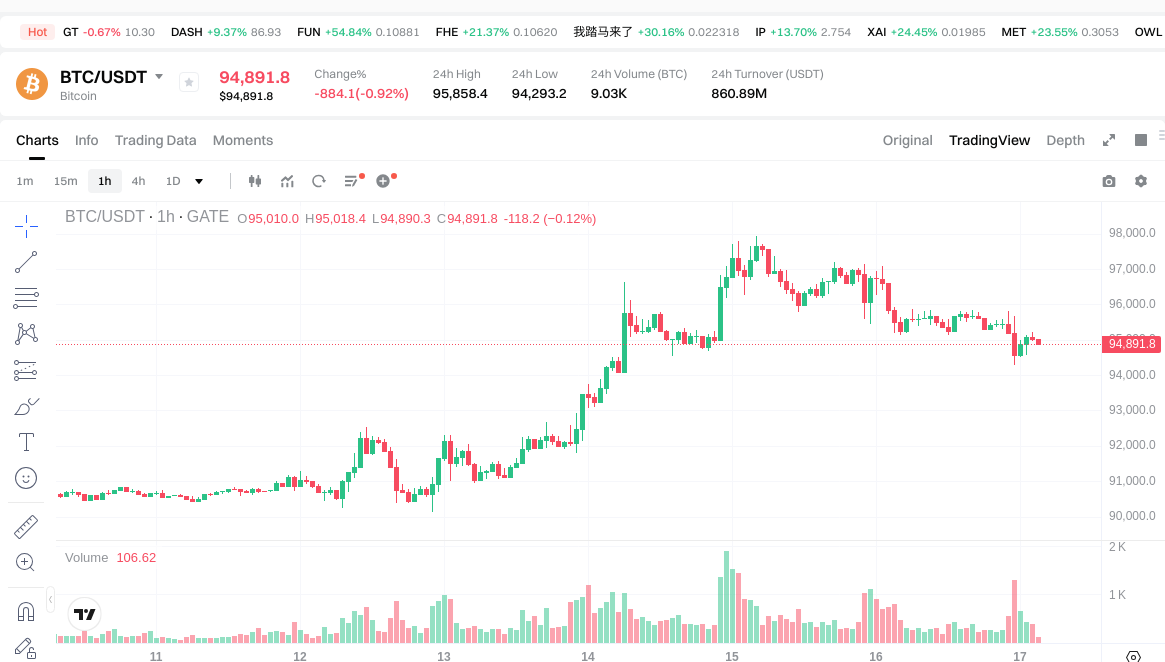
Traders capitalize on Bitcoin’s volatility for short-term speculation and profit from price swings. With round-the-clock trading and global liquidity, they can respond instantly to market shifts. Everyday users appreciate Bitcoin as a store of value—especially in countries with unstable national currencies—and as a means for fast, relatively low-cost cross-border payments without banking intermediaries.
Bitcoin’s high price also shapes risk management strategies, requiring market participants to carefully analyze conditions and make well-informed decisions on entry and exit timing.
Recent Examples and Practical Uses of Bitcoin
In recent years, Bitcoin has expanded its reach across multiple economic sectors, evolving from an experimental asset into a recognized financial instrument. Many large and mid-sized companies worldwide now accept Bitcoin as a legitimate payment method for goods and services, streamlining international business transactions.
Businesses benefit from using Bitcoin through lower transaction fees compared to traditional payment systems, faster settlements between global partners, and reduced dependence on banking infrastructure. This is especially relevant for companies operating internationally, where conventional bank transfers can take days and entail significant fees.
Furthermore, more governments are considering legalizing Bitcoin as an official payment method or recognizing it as a legitimate financial asset. Some countries have already integrated cryptocurrencies into their financial systems, reinforcing Bitcoin’s status as a global alternative currency and increasing trust among institutional investors.
Bitcoin Statistics and Data
Recent analytics show that Bitcoin’s total market capitalization has topped $1.5 trillion, cementing its position as the world’s largest cryptocurrency by market cap. Its high value is driven by strictly limited supply—the network protocol ensures the total number of Bitcoins will never exceed 21 million.
The actual number of coins in circulation continues to approach this cap, while new coin issuance (mining) is growing increasingly complex and resource-intensive. This scarcity effect is a primary driver of rising prices.
Bitcoin’s daily trading volume regularly surpasses $10 billion, demonstrating robust liquidity and popularity among individual and institutional investors alike. Such liquidity allows for rapid position changes with minimal price impact, making Bitcoin an appealing investment asset.
More than 60% of all Bitcoins have remained unmoved for extended periods, reflecting a long-term holding strategy (HODL) by major holders and their confidence in the asset’s continued appreciation.
Summary and Conclusions
Bitcoin remains a highly valued and sought-after asset thanks to a unique blend of key factors. The cap of 21 million coins creates fundamental scarcity, which becomes more pronounced as circulation nears the limit. Meanwhile, demand from all types of market participants continues to grow.
Institutional adoption by major financial institutions, investment funds, and corporations further legitimizes and stabilizes Bitcoin. Its role as an alternative to traditional financial systems and as a hedge against inflation is increasingly recognized amid global economic uncertainty.
Together, these factors make Bitcoin attractive to a wide range of market participants—from individual investors seeking portfolio diversification to large corporations leveraging it for risk hedging and optimizing international transactions.
To succeed in the Bitcoin market, it is crucial to monitor market trends, follow regulatory developments across jurisdictions, and assess macroeconomic factors that may impact Bitcoin’s value and utility in the future. Mastering these elements enables sound investment decisions and effective risk management in the fast-evolving cryptocurrency market.
FAQ
Why is Bitcoin so expensive?
Bitcoin’s high price is driven by its limited supply (maximum 21 million coins), growing demand, institutional investment, and recognition as digital gold and a store of value.
What determines Bitcoin’s value?
Bitcoin’s value is set by market supply and demand. When demand outpaces supply, the price rises. The supply of Bitcoin is capped at 21 million coins, creating scarcity and supporting its price.
Why is Bitcoin more expensive than other cryptocurrencies?
Bitcoin commands a higher price due to its status as the original cryptocurrency, strong market trust, and powerful network effects. Its leading position and substantial trading volume drive its price and attract investors.
Will Bitcoin’s price rise or fall in the future?
Over time, Bitcoin tends to appreciate because of its limited supply and rising demand. Analysts expect further price increases in the years ahead.
Is it worth investing in Bitcoin at this price?
Yes, Bitcoin is a worthwhile investment. Its price is expected to reach new record highs as demand grows and supply remains limited. Bitcoin’s elevated price reflects its value as a digital asset and protection against inflation.

Top Bitcoin Ownership: Discover the Biggest Holders
What Is the Current Market Overview for Bitcoin in 2025?

Exploring the Concept of Circulating Supply in Cryptocurrency

Factors Influencing the Value of Cryptocurrencies

How Does Cryptocurrency Competitor Analysis Impact Market Share in 2025?

Top Bitcoin Holders in the World

How Old is Charles Hoskinson: Beyond the Numbers
DOGE Price Prediction & Analysis: Will Dogecoin Hit $50 by 2030?
Bitcoin's September 2025 Price Prediction: Can It Break the Curse?

A Company Sells 10000 Shares of Previously Authorized Stock: Key Insights

Is There Gold on the Moon: Facts, Myths, and Blockchain Insights