Will USDC Ever Go Up? Exploring Its Future in Crypto

Understanding USDC and Its Established Role
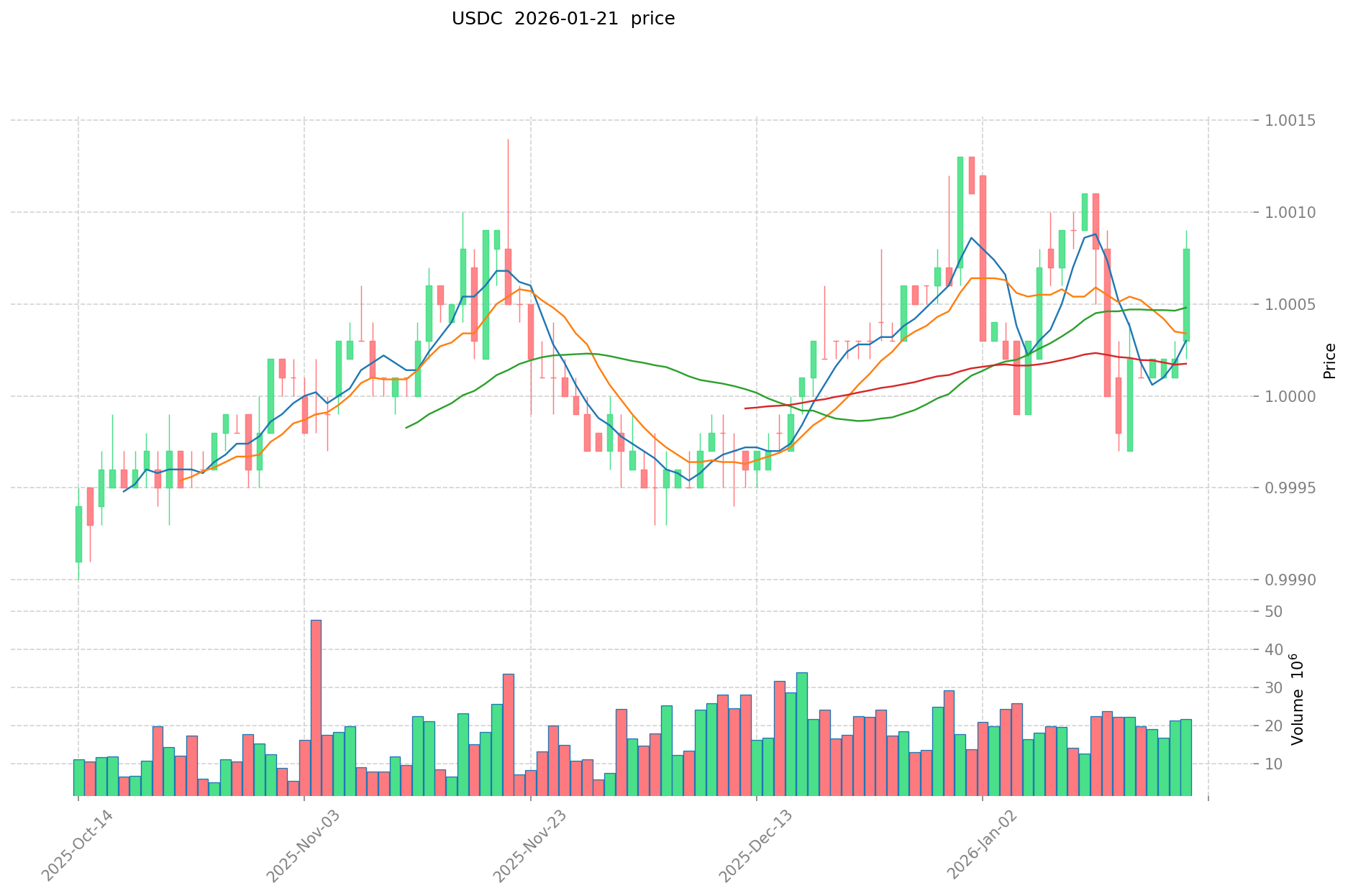
USD Coin (USDC) is a digital stablecoin founded by Circle in partnership with a leading cryptocurrency platform, and it has become one of the most widely adopted stablecoins since its introduction in 2018. The primary purpose of USDC is to offer a digital asset that emulates the value of the US dollar, enabling users to transfer value across platforms with minimal volatility.
 This stands in stark contrast to the inherent price fluctuations typically seen with other cryptocurrencies like Bitcoin or Ethereum.
USDC achieves its stability through a mechanism called full collateralization. Each USDC token is backed by a corresponding amount of US dollars or dollar-denominated assets held in reserve by regulated financial institutions. This 1:1 backing is regularly audited by independent accounting firms, providing a crucial layer of transparency and confidence to users. The auditing process ensures that the reserves match the circulating supply of USDC tokens, fostering trust in its dollar parity and making it a reliable medium of exchange in the digital economy.
Beyond simple value transfer, USDC has found extensive applications in various blockchain ecosystems. It serves as a bridge currency in decentralized exchanges, a collateral asset in lending protocols, and a settlement token in cross-border payments. The stablecoin's integration with major blockchain networks including Ethereum, Solana, and Avalanche has further expanded its utility and accessibility across the crypto landscape.
Can USDC Go Up in Value?
A Theoretical Appreciation
While direct appreciation of USDC seems unlikely due to its pegged nature to the US dollar, several indirect mechanisms could potentially drive up its effective value for holders. Understanding these pathways is essential for investors considering USDC as part of their portfolio strategy:
-
Interest on Stablecoin Holdings:
- Depending on the platform used, holders of USDC can find opportunities to earn interest on their holdings, effectively increasing the total value of their investment over time. Centralized lending platforms and decentralized finance (DeFi) protocols offer varying annual percentage yields (APYs) ranging from conservative single-digit returns to more aggressive double-digit rates.
- Yield farming and liquidity provision in DeFi platforms further enhance this prospect. By depositing USDC into liquidity pools on automated market makers (AMMs) or lending protocols, users can earn trading fees, governance tokens, or additional interest rewards. Even as the principal amount of USDC remains constant at its dollar peg, the accumulated interest or rewards can result in a significantly increased total value over extended periods.
- For example, providing USDC liquidity to popular DeFi protocols can generate returns through multiple streams: transaction fees from trades, incentive tokens distributed by the protocol, and potential appreciation of those reward tokens.
-
Strategic Utility Increases:
- If emerging technologies or new functionalities enhance USDC's utility or demand in financial transactions, its perceived value and adoption rate could rise substantially. This increased demand, while not affecting the 1:1 peg directly, can create more opportunities for USDC holders to generate returns.
- USDC is frequently integrated into decentralized finance (DeFi) protocols as a preferred stablecoin, thereby benefiting from the general increase in DeFi adoption and operations. As DeFi continues to mature and attract institutional participation, the demand for reliable stablecoins like USDC grows correspondingly.
- The expansion of USDC into emerging use cases such as Web3 payments, tokenized real-world assets, and blockchain-based gaming economies could further solidify its position as the stablecoin of choice for various applications.
The Effect of External Factors
-
Regulatory Developments:
- Regulatory clarity could impact USDC's market position positively in multiple ways. Should there be favorable regulatory frameworks specifically designed for stablecoins, USDC might see a broader adoption boost among institutional investors and traditional financial institutions, indirectly elevating its market presence and utility value.
- Clear regulations could enable USDC to be integrated into traditional payment systems, banking infrastructure, and investment products, opening new avenues for growth and adoption. For instance, regulatory approval for stablecoins in payment processing could lead to USDC being accepted by major merchants and payment processors.
- Conversely, stringent regulatory restrictions or unclear legal frameworks might hinder growth scenarios or use case expansions. However, USDC's commitment to compliance and transparency positions it favorably compared to less regulated alternatives.
-
Decentralized Finance (DeFi) Growth:
- The continuing expansion of DeFi platforms significantly influences the demand for stablecoins like USDC. Decentralized applications often use USDC for transactions, liquidity pools, and collateral in lending protocols, promoting wider usage and acceptance across the ecosystem.
- As DeFi protocols mature and offer more sophisticated financial products—such as derivatives, structured products, and algorithmic trading strategies—the demand for stable, reliable collateral like USDC increases proportionally. This creates a positive feedback loop where increased DeFi adoption drives USDC demand, which in turn supports further DeFi innovation.
- The total value locked (TVL) in DeFi protocols has shown substantial growth in recent years, and USDC consistently represents a significant portion of this value, demonstrating its critical role in the DeFi infrastructure.
-
Technological Innovation:
- Adoption of blockchain technology improvements could lead to more efficient, lower-cost, or user-friendly applications of USDC, making it a favored digital payment method. Innovations such as layer-2 scaling solutions, cross-chain bridges, and improved wallet interfaces all contribute to enhanced USDC usability.
- Technological literacy among the general population can harness the potential of USDC further, integrating it into everyday financial activities and blockchain-based innovations. As digital payment systems become more mainstream and user-friendly, stablecoins like USDC could serve as the primary medium for digital commerce.
- Developments in programmable money and smart contract capabilities enable USDC to power complex financial applications that were previously impossible with traditional currencies, creating new value propositions for users and businesses alike.
Market Dynamics and USDC
USDC, primarily being a stablecoin, is less prone to the speculation-driven price surges typical of other cryptocurrencies, but it remains sensitive to various market forces that influence its adoption and utility. Investors and traders need to keep an eye on several key factors:
Strategic Partnerships and Integrations: USDC's growth is closely tied to its partnerships with major blockchain networks, payment processors, and financial institutions. Each new integration expands the potential user base and use cases for USDC, contributing to its network effects and overall value proposition.
Market Capitalization Trends: The circulating supply of USDC serves as an indicator of market demand and confidence. Growth in market capitalization suggests increasing adoption and trust in the stablecoin, while contractions might signal shifts in market preferences or regulatory concerns.
Competitive Dynamics: The stablecoin market features several competitors, each with different backing mechanisms and regulatory approaches. USDC's competitive advantages—including regulatory compliance, transparent auditing, and widespread integration—position it favorably, but ongoing competition drives continuous innovation and improvement.
While USDC might not exhibit significant price gains like Bitcoin or Ethereum, its growth potential lies in its widespread adoption and integration within the blockchain ecosystem. As the reality of borderless commerce and digital banking solidifies, USDC's utility could enhance its perceived value proposition for both individual users and institutional participants.
The stablecoin's role as a bridge between traditional finance and decentralized systems cannot be overstated. It enables users to access blockchain-based financial services without exposing themselves to the volatility of native cryptocurrencies, making it an essential tool for mainstream adoption of blockchain technology.
Conclusion
The direct price fluctuation of USDC might not be a popular subject for profit-driven traders seeking exponential returns; however, its potential for value appreciation via indirect mechanisms remains a compelling narrative for sophisticated investors. As the crypto landscape evolves, stablecoins like USDC continue to play an integral role, providing stability and enabling the practical use of blockchain technology in real-world applications.
USDC's future trajectory is likely to be shaped by how it adapts to challenging market environments and evolving regulatory frameworks, as well as its ability to serve as a bridge between traditional finance and digital innovation. The stablecoin's success will depend on maintaining its peg stability, expanding its use cases, and navigating the complex regulatory landscape while preserving its core value proposition.
For those keeping an eye on stablecoins and the broader cryptocurrency ecosystem, USDC deserves recognition—not just as a mere digital equivalent of fiat currency, but as a pivotal player in the financial revolutions of tomorrow. Its role in enabling DeFi innovation, facilitating cross-border payments, and providing a stable store of value in the volatile crypto market positions it as an essential infrastructure component for the future of digital finance.
As blockchain technology continues to mature and integrate with traditional financial systems, USDC's importance is likely to grow, offering holders not direct price appreciation, but rather a stable foundation for participating in the expanding digital economy and accessing yield-generating opportunities across the evolving crypto landscape.
FAQ
What is USDC? What are the differences between USDC and other stablecoins like USDT?
USDC is a fully-backed stablecoin issued by Circle, maintaining a 1:1 peg with the US dollar through transparent reserves. Unlike USDT, USDC offers superior regulatory compliance, regular third-party audits, and blockchain-native architecture, making it more suitable for Web3 applications and decentralized finance protocols.
Why does USDC always stay around 1 dollar? Will it appreciate?
USDC maintains its $1 peg through algorithmic stabilization and 1:1 USD backing. As a stablecoin, it's designed to preserve value rather than appreciate. Its strength lies in stability and utility within crypto ecosystems.
What are the main factors affecting USDC's future development?
USDC's future depends on regulatory compliance, stablecoin adoption rates, blockchain integration across platforms, institutional demand, competition from other stablecoins, and USD backing stability. Strong regulatory support and expanding use cases will drive growth.
What are the risks of USDC as an investment product?
USDC faces regulatory uncertainty, smart contract vulnerabilities, and issuer credit risk. Stablecoin regulations may tighten, affecting its value and utility in crypto ecosystems.
What are the application prospects of USDC in the DeFi ecosystem?
USDC has strong DeFi growth potential. As a stablecoin, it enables efficient lending, borrowing, and yield farming. Increasing institutional adoption and cross-chain interoperability will expand its use cases, driving higher transaction volumes and deeper liquidity pools across DeFi protocols.
How will regulatory policies from various countries affect the future of USDC?
Stricter global regulations will enhance USDC's legitimacy and adoption. Clear compliance frameworks across major markets strengthen institutional confidence, driving mainstream integration. Regulatory clarity positions USDC as the leading compliant stablecoin, supporting long-term growth and stability in crypto markets.

Understanding Stablecoins: A Comprehensive Guide to Circle Crypto

Understanding the Stablecoin USDC
Điều gì làm cho USDC trở thành một lựa chọn ổn định trong thị trường tiền điện tử?
Innovative Neobank Boosts Interest-Bearing USD Accounts with Blockchain Technology
Jeremy Allaire
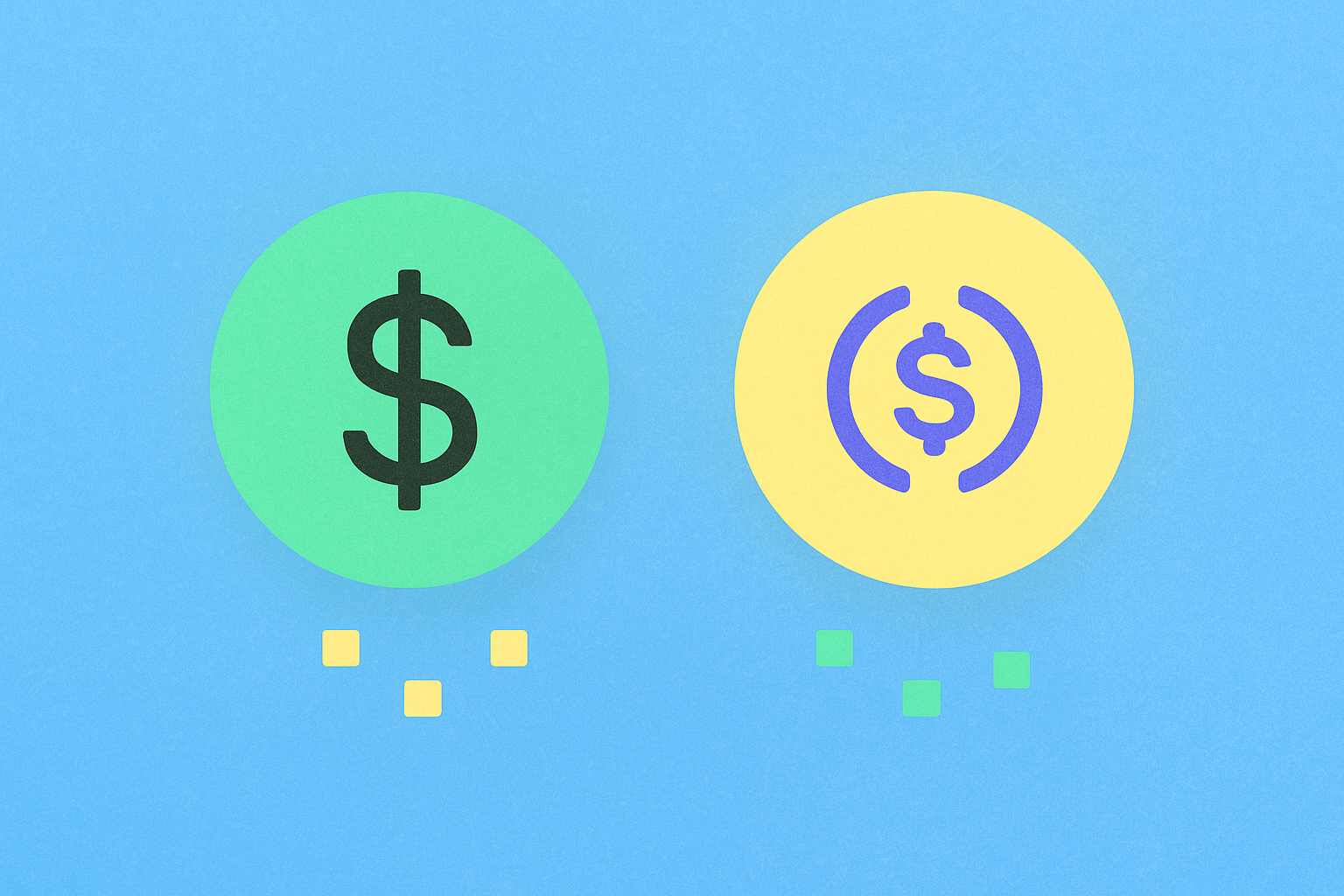
Understanding the Difference Between USD and USDC

What Are the Latest Cryptocurrency Regulatory Risks and SEC Compliance Requirements in 2026?
How Does Federal Reserve Policy Impact Crypto Markets and Bitcoin Price
What is crypto price volatility and how does it affect Bitcoin and Ethereum trading in 2026
What Are the Key Differences Between Leading Cryptocurrency Competitors and Market Share Leaders in 2026

What is project fundamentals analysis and why does it matter for crypto investments in 2026