
fomox
MarketsPerpsSpotSwap
Meme
Referral
More
Search Token/Wallet
/

XEN Crypto and Major Wallet Platform Collaboration: Pioneering Gas Subsidy Initiative
2026-01-12 05:09:05
Airdrop
Crypto Tutorial
DeFi
Mining
Web3 wallet
Article Rating : 4
28 ratings
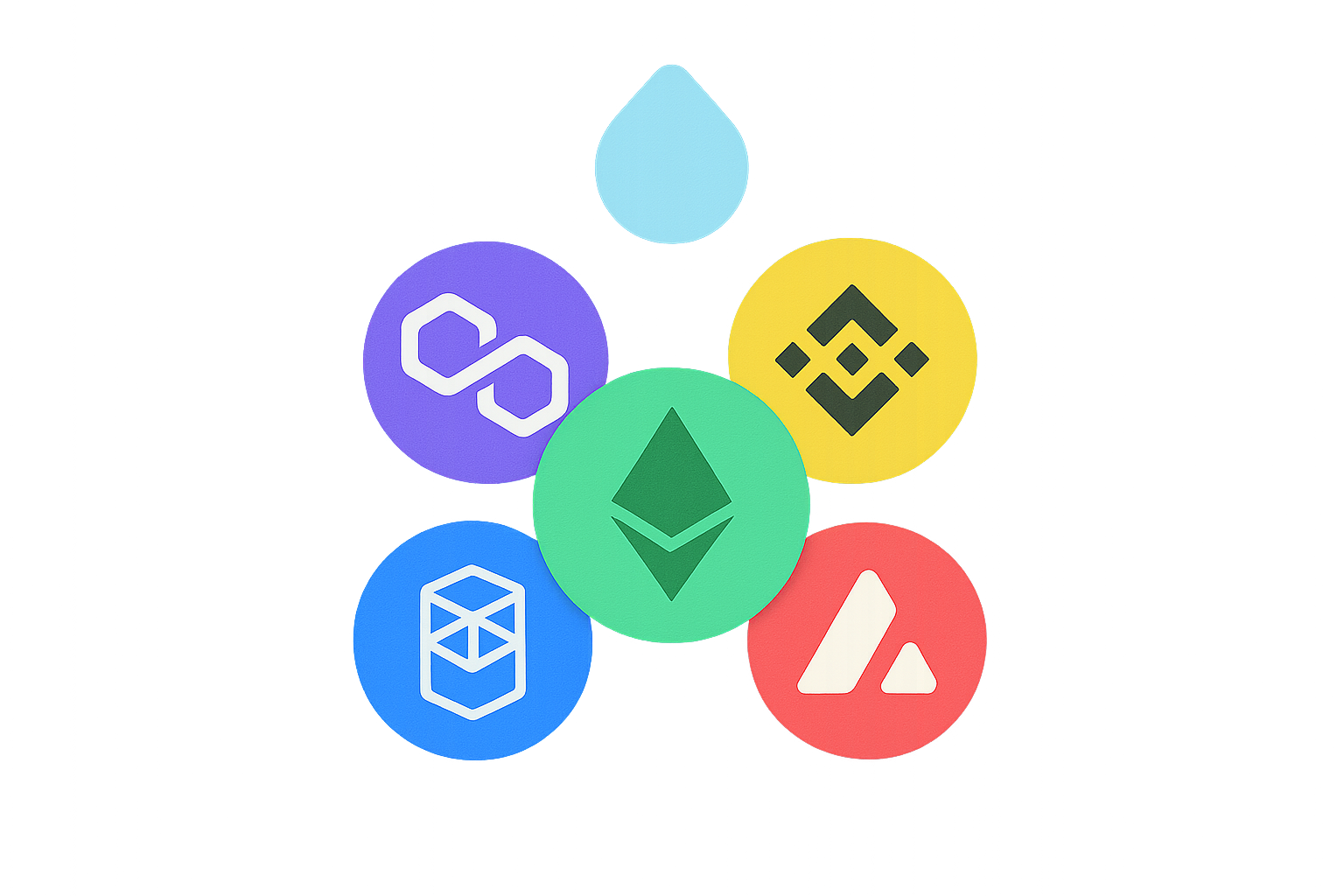
This article explores how to optimize XEN token minting costs through strategic gas subsidy programs. XEN Crypto, launched in 2022, has achieved significant adoption with over 2 million Ethereum wallets claiming tokens. The platform's partnership with major wallet providers introduces GASU, a universal gas token reducing transaction fees across multiple blockchains including Ethereum, Polygon, BNB Chain, Fantom, and Avalanche-C. Key benefits include seamless wallet integration, cloud-based GASU storage, and multi-chain support that eliminates friction in blockchain interactions. Participants can access subsidies by holding XEN tokens and completing transactions during campaign periods. This collaboration democratizes cryptocurrency access by addressing transaction costs—a primary pain point for new users—while strengthening community engagement and ecosystem growth through innovative technical features and transparent security practices.
XEN Crypto and Major Wallet Platform Collaboration: Pioneering Gas Subsidy Initiative

Project Background and Market Positioning

XEN Crypto emerged in the autumn of 2022 during a challenging market period, quickly capturing significant attention in the cryptocurrency space. Unlike traditional crypto projects that typically follow established launch patterns, XEN Crypto pioneered an innovative approach by enabling any Web3 user to mint XEN tokens freely, requiring only gas fees for transactions. This groundbreaking model was designed to lower entry barriers for cryptocurrency enthusiasts and promote mass adoption of digital assets.

The project's inclusive approach has resonated strongly with the community. To date, over 2 million unique Ethereum wallets have claimed XEN tokens, demonstrating sustained growth and widespread adoption. This milestone reflects the project's success in democratizing access to cryptocurrency and building a diverse, engaged user base.

Strategic Partnership and Integration

In a significant development for the XEN Crypto ecosystem, a major wallet platform announced a strategic collaboration with the project. This partnership represents a meaningful step toward advancing mass cryptocurrency adoption and enhancing user accessibility to digital assets. The integration brings together two platforms committed to innovation and user convenience in the Web3 space.

Through this collaboration, the wallet platform has been incorporated directly into the XEN Crypto website, providing users with seamless access to their digital assets. Additionally, the XEN Crypto decentralized application (DApp) has been integrated into the wallet's DApp browser, unlocking a comprehensive suite of functionalities. Users can now perform various operations including minting XEN tokens, creating XENFTs (XEN's non-fungible tokens), and trading these digital assets directly within the wallet interface.

Gas Subsidy Initiative

A notable feature of this partnership has been the implementation of gas subsidy programs designed to reduce transaction costs for users. In past collaborative campaigns, the initiative offered substantial gas fee support to both existing XEN Crypto community members and newcomers to the ecosystem. The subsidy program utilized GASU, a universal gas token designed to facilitate instant, low-cost interactions across multiple blockchain networks.

The gas subsidy mechanism worked by distributing GASU tokens to eligible participants who engaged with XEN Crypto's smart contracts through activities such as minting or staking. These subsidies were available across multiple blockchain networks, including Ethereum, Polygon, BNB Chain, Fantom, and Avalanche-C, demonstrating the multi-chain nature of the initiative.

Technical Features and User Benefits

The collaboration introduced several technical innovations aimed at improving user experience:

Universal Gas Token System: GASU serves as a universal gas token applicable to various wallet-related transactions, including token swaps, NFT marketplace activities, and standard token transfers. This unified approach simplifies the user experience by eliminating the need to manage different gas tokens across various operations.

Cloud Wallet Integration: The platform implemented a cloud wallet system specifically for storing GASU tokens, providing users with a convenient way to manage their gas subsidies. This integration streamlines the process of accessing and utilizing gas fee support.

Multi-Chain Support: The initiative's support for multiple blockchain networks reflects a commitment to interoperability and user choice. By enabling operations across Ethereum, Polygon, BNB Chain, Fantom, and Avalanche-C, the partnership accommodates users regardless of their preferred blockchain ecosystem.

Community Impact and Adoption

The partnership has contributed to lowering barriers to entry in the cryptocurrency space, particularly for users concerned about transaction costs. By subsidizing gas fees, the initiative addresses one of the primary pain points in blockchain interactions, making it more economically feasible for users to engage with XEN Crypto's ecosystem.

For existing XEN Crypto community members, the collaboration has provided additional incentives for continued participation and engagement. New users have benefited from reduced costs when first exploring the XEN ecosystem, potentially accelerating user acquisition and community growth.

Ecosystem Development

The integration represents a broader trend in the cryptocurrency industry toward strategic partnerships that enhance user accessibility and reduce friction in blockchain interactions. By combining XEN Crypto's innovative minting model with enhanced wallet functionality and gas subsidies, the collaboration creates a more user-friendly environment for cryptocurrency adoption.

The partnership also highlights the growing importance of wallet platforms as central hubs for DApp interaction and blockchain engagement. As the cryptocurrency space continues to evolve, such integrations between projects and wallet providers are likely to play an increasingly important role in driving mainstream adoption.

Technical Requirements and Eligibility

Historically, participation in gas subsidy programs has required users to engage with XEN Crypto's smart contracts through specific activities such as minting tokens or staking assets on supported blockchain networks. The multi-chain approach ensures that users can participate regardless of their preferred blockchain ecosystem, promoting inclusivity and broad accessibility.

The partnership emphasizes the importance of secure wallet management, requiring users to properly import their XEN Crypto addresses using standard security practices such as private keys or mnemonic phrases. This focus on security helps protect user assets while maintaining accessibility to the platform's features and benefits.

FAQ

What is XEN Crypto? What are its features and advantages?

XEN Crypto is a community-driven blockchain token featuring fair distribution mechanisms without traditional premine. Key advantages include decentralized participation, innovative mining model, strategic wallet platform collaborations for gas subsidies, and strong community governance enabling sustainable long-term ecosystem development.

What is the Gas Subsidy Program? How does XEN's collaboration with wallet platforms reduce user Gas fees?

The Gas Subsidy Program is a collaborative initiative where XEN partners with major wallet platforms to subsidize transaction fees. Through this partnership, users enjoy reduced Gas costs when conducting XEN transactions, making blockchain interactions more affordable and accessible for the community.

How to participate in XEN Crypto and wallet platform Gas subsidy initiative? What are the requirements?

Hold XEN tokens in your connected wallet and complete transactions during the campaign period. Eligible users automatically receive Gas fee rebates based on transaction volume thresholds set by participating wallet platforms.

Which wallet platforms have partnered with XEN Crypto to provide Gas subsidies?

Major wallet platforms including MetaMask, Trust Wallet, and Ledger have partnered with XEN Crypto to offer Gas fee subsidies, reducing transaction costs for users participating in the XEN ecosystem and enhancing accessibility.

What are the risks or precautions to note when using XEN Gas subsidies?

XEN Gas subsidies offer seamless integration with major wallets. Simply ensure your wallet is compatible and you have sufficient XEN tokens. Monitor transaction amounts and network conditions. The subsidy mechanism is transparent and secure, eliminating concerns about fund safety or protocol stability.

What distinguishes XEN Crypto's Gas subsidy from similar initiatives by other projects?

XEN Crypto's Gas subsidy uniquely combines major wallet platform integration with direct transaction cost reduction, offering users immediate savings on transaction amounts while establishing industry-leading standards for user adoption and blockchain accessibility.

How to add and trade XEN tokens in supported wallets?

Import XEN token contract address into your supported wallet, then enable token visibility. Once added, you can view XEN balance and execute trades directly through wallet interface or connected DApps using gas subsidy benefits.
* The information is not intended to be and does not constitute financial advice or any other recommendation of any sort offered or endorsed by Gate.

Share

Content

Project Background and Market Positioning

Strategic Partnership and Integration

Gas Subsidy Initiative

Technical Features and User Benefits

Community Impact and Adoption

Ecosystem Development

Technical Requirements and Eligibility

FAQ

Related Articles
Discover Jupiter Solana: Your Guide to Using a DEX on the Solana Network

Discover Jupiter Solana: Your Guide to Using a DEX on the Solana Network

Discover Jupiter Solana explores how traders can utilize the Jupiter DEX aggregator on the Solana network. It offers insights on efficient token exchanges, advanced trading tools, and cross-chain bridging, enhancing DeFi capabilities. The article caters to DeFi enthusiasts seeking fast, cost-effective trades with features like limit orders and value averaging. Structured to guide readers through using Jupiter, it covers setting up wallets to participating in launchpad projects. Keywords focus on Solana, DEX aggregation, token swaps, and community governance, ensuring high readability for quick information access.
2025-12-25 18:20:44
Understanding Crypto Airdrops: A Beginner's Guide

Understanding Crypto Airdrops: A Beginner's Guide

Understanding Crypto Airdrops: A Beginner's Guide uncovers the essentials of cryptocurrency airdrops—an innovative token distribution method for blockchain projects. This guide explains their strategic purposes, types, and benefits for both projects and participants. Key topics include how airdrops function, participation tips, risks, examples, and future trends. Designed for newcomers to the crypto space, it offers insights into maximizing airdrop opportunities and emphasizes careful engagement. The evolving nature of crypto airdrops underscores their role in community building within the blockchain ecosystem.
2025-12-20 10:19:58
Comprehensive Guide to the ZkSync Ecosystem for Beginners

Comprehensive Guide to the ZkSync Ecosystem for Beginners

Discover the zkSync ecosystem and its opportunities for DeFi and Layer 2 newcomers. Find out how to engage with projects, perform DeFi swaps, and leverage NFT and lending features on Ethereum’s zkSync scalability network. Access step-by-step guides to streamline your use of Web3 wallets and improve your likelihood of qualifying for airdrops.
2025-12-19 09:57:51
Claim Your Layer Zero Airdrop: A Step-by-Step Guide

Claim Your Layer Zero Airdrop: A Step-by-Step Guide

Discover essential insights into claiming your LayerZero airdrop, an awaited event distributing ZRO tokens to early users within the cryptosphere. The guide addresses eligibility criteria, the token claim process, and airdrop security tips, catering to protocol participants keen on maximizing their ZRO allocation. Structured logically, it explores token utility, common issues, and trading opportunities on platforms like Gate. Ideal for LayerZero ecosystem users, this comprehensive resource ensures informed engagement while enhancing readability and keyword density for quick scanning.
2025-12-19 16:00:53
Step-by-Step Guide to Receiving Your Optimism Airdrop

Step-by-Step Guide to Receiving Your Optimism Airdrop

This step-by-step guide details how to claim your Optimism airdrop, focusing on eligibility verification, wallet connection, and claiming procedures. Tailored for early adopters, governance participants, and asset bridgers, the article provides a comprehensive process overview and security tips for claiming OP tokens. Explore eligibility criteria for multiple airdrop rounds, navigate claiming portals safely, and optimize your token use in governance and investment activities. Increase your chances of successful claims by following this thorough guide of Optimism's token distribution.
2025-12-19 13:10:35
Pi Network KYC Deadline: Complete Verification Guide for Securing Your Digital Assets

Pi Network KYC Deadline: Complete Verification Guide for Securing Your Digital Assets

# Understanding the PI Network Identity Verification Process This comprehensive guide demystifies Pi Network KYC verification, a mandatory identity confirmation process essential for securing your digital assets and accessing mainnet features. Whether you're completing initial verification or troubleshooting a rejected application, this article walks through every step—from eligibility requirements to post-KYC benefits. Learn how to avoid common mistakes, understand verification timelines, explore data protection measures, and discover what happens after successful approval. Designed for Pi Network users seeking clarity on KYC deadlines, document requirements, and trading access through Gate, this resource ensures you're fully prepared to participate in the evolving Pi ecosystem.
2026-01-01 06:17:59
Recommended for You
Sui TVL Soars, Which DeFi Projects Should You Pay Attention To?
Sui TVL Soars, Which DeFi Projects Should You Pay Attention To?

This article comprehensively explores the DeFi expansion on the Sui blockchain, positioning it as a rapidly emerging Layer 1 ecosystem with over $402 million TVL by early 2024. Sui's success stems from high staking rewards exceeding 20% APY, the inaugural Sui Basecamp conference, and innovative technical architecture including object-centric design and parallel execution supporting 270,000 TPS. The guide examines leading DeFi protocols—Scallop Lend ($88M TVL), Cetus Protocol, NAVI Protocol ($116M TVL), and KriyaDEX—each offering distinct value propositions from lending to derivatives trading on Gate and other platforms. Sui differentiates itself through zkLogin and Sponsored Transactions, significantly lowering Web3 entry barriers. The article emphasizes security best practices using mainstream wallets and highlights future opportunities in DeFi, GameFi, and RWA tokenization, bolstered by AI development partnerships with Alibaba Cloud. This resource is essential for investors and developers evaluating Sui's p
2026-01-12 07:07:07
How does POL price volatility compare to Bitcoin and Ethereum in 2026?
How does POL price volatility compare to Bitcoin and Ethereum in 2026?

This article examines POL price volatility dynamics compared to Bitcoin and Ethereum throughout 2026, highlighting POL's 54.40% seven-day surge and 15.82% daily volatility that significantly outpace both major cryptocurrencies. The analysis explores technical resistance levels at $0.18, historical support spanning $0.107-$0.200, and RSI indicators revealing amplified price swings characteristic of Layer 2 tokens. The article identifies key volatility drivers including ecosystem expansion, protocol upgrades, and lower market liquidity, distinguishing POL's sensitivity from Bitcoin's institutional adoption patterns and Ethereum's technical consolidation. Readers gain insights into why emerging protocol tokens experience dramatically different volatility profiles and learn positioning strategies tailored to POL's high-risk, high-reward characteristics within the evolving 2026 cryptocurrency landscape.
2026-01-12 07:03:32
How Does Competitive Benchmarking Compare Top Crypto Projects by Market Cap and Performance Metrics in 2026?

How Does Competitive Benchmarking Compare Top Crypto Projects by Market Cap and Performance Metrics in 2026?

This article provides a comprehensive competitive benchmarking framework for evaluating top cryptocurrency projects in 2026 based on market capitalization, performance metrics, and adoption indicators. It examines how market cap rankings combined with volatility data, trading volume, and price momentum reveal competitive positioning across blockchain networks including Bitcoin, Ethereum, and Solana. The analysis distinguishes technological differentiation through infrastructure capabilities, adoption velocity, and ecosystem integration efficiency—key factors separating emerging winners from legacy projects. Investors learn to assess project competitiveness through diversified metrics beyond simple market cap comparisons, including trading pair availability on platforms like Gate and user growth trajectories. The article reveals how blockchain networks compete on transaction throughput, DeFi ecosystem health, and quality of projects operating within their ecosystems. By combining market cap analysis with perfo
2026-01-12 06:58:51
What is the impact of regulatory compliance and SEC oversight on cryptocurrency market value and investor protection?

What is the impact of regulatory compliance and SEC oversight on cryptocurrency market value and investor protection?

This comprehensive analysis examines how SEC regulatory oversight fundamentally transforms cryptocurrency market dynamics and investor protection mechanisms. The article explores the SEC's regulatory framework's direct impact on market capitalization, trading volume stability, and institutional investor adoption rates. It demonstrates that regulatory clarity drives institutional capital participation while reducing market volatility, contrasting sharply with unregulated segments experiencing extreme price fluctuations. The piece details how compliance transparency, including KYC/AML protocols implemented on platforms like Gate, enhances ecosystem credibility and reduces illicit activities. Through examining enforcement actions and measurable protection mechanisms, the article establishes that regulatory oversight converts compliance from operational burden into stabilizing market force. Finally, comprehensive FAQ sections address jurisdiction scope, compliance requirements, protection mechanisms, and long-ter
2026-01-12 06:56:31
What is Crypto Community Engagement and How Does Developer Activity Impact Token Ecosystem Growth

What is Crypto Community Engagement and How Does Developer Activity Impact Token Ecosystem Growth
This article explores how crypto community engagement and developer activity fundamentally drive token ecosystem growth. It examines social media metrics on Twitter and Telegram as primary growth indicators, revealing how community size directly correlates with ecosystem adoption and market momentum. The article demonstrates that active developer contribution rates catalyze ecosystem expansion through smart contract improvements, security updates, and infrastructure development across platforms. Additionally, it analyzes DApp ecosystem scale and community interaction frequency as measures of network effect maturity, showing how sustained trading activity and diverse market pairs create self-reinforcing growth cycles. By combining quantitative metrics with qualitative engagement patterns, this guide equips investors and developers with frameworks for assessing token ecosystem health and predicting long-term viability.
2026-01-12 06:54:44
How Does Federal Reserve Policy Impact Cryptocurrency Prices and Bitcoin Value

How Does Federal Reserve Policy Impact Cryptocurrency Prices and Bitcoin Value

This comprehensive guide examines how Federal Reserve policy fundamentally shapes cryptocurrency and Bitcoin valuations through multiple transmission channels. The article traces the 2022-2026 correlation patterns between Fed rate hikes and Bitcoin volatility, revealing an inverse relationship where monetary tightening creates downward pressure on digital assets. It explains how CPI surprises act as critical market triggers, immediately reshaping monetary policy expectations and crypto valuations. Additionally, the analysis demonstrates traditional market contagion effects, showing how stock market drawdowns and gold price movements serve as leading indicators for Bitcoin price shifts. By understanding these interconnected mechanisms—interest rate impacts, inflation data reactions, and equity market spillovers—investors and traders can better navigate cryptocurrency market dynamics within broader macroeconomic contexts. The guide integrates technical analysis with monetary policy fundamentals, providing essen
2026-01-12 06:52:54