


2026 Crypto FUD Explained: Market Sentiment and the Truth Behind Price Volatility
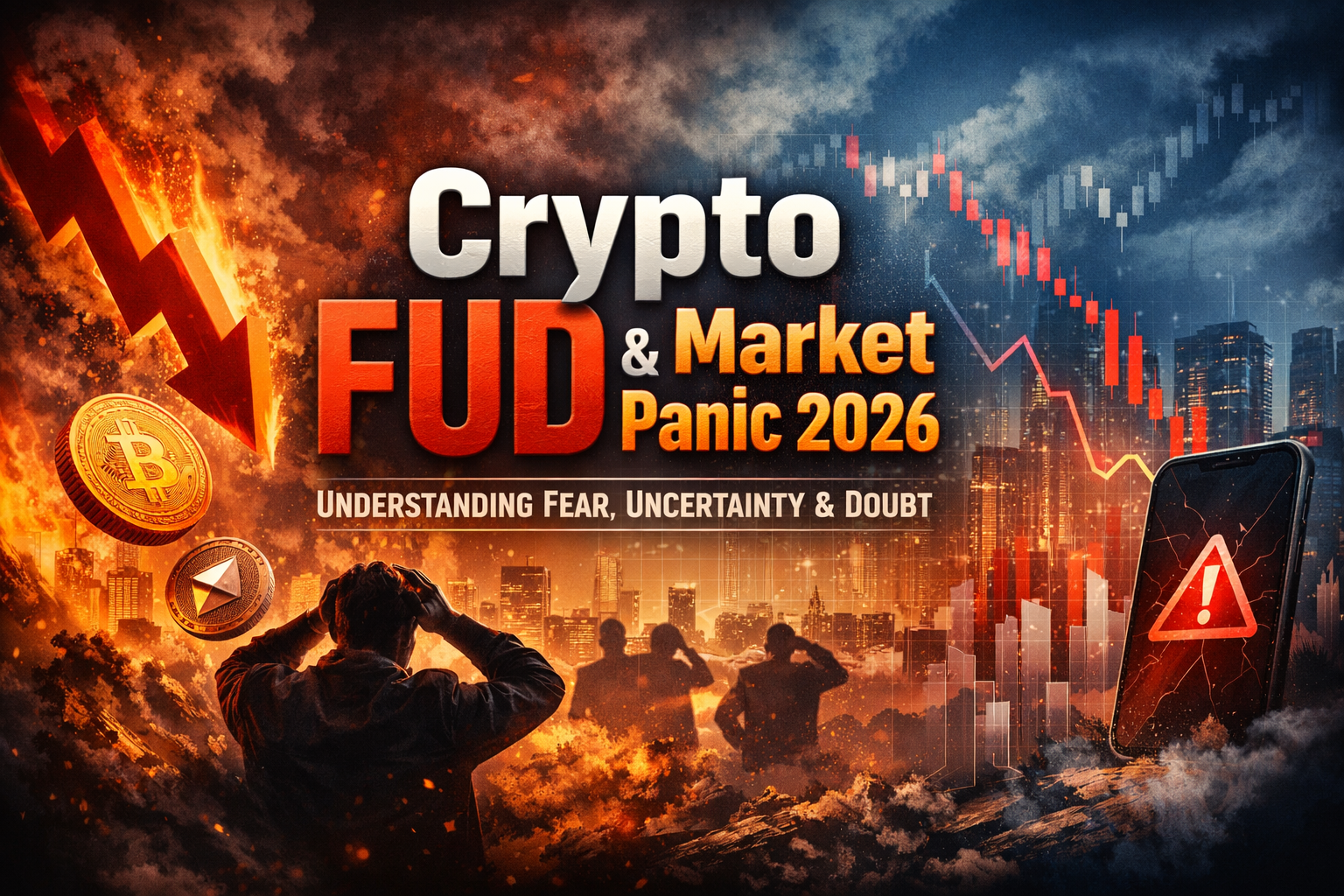
In the cryptocurrency market, “FUD” stands for Fear, Uncertainty, and Doubt—a term used to describe negative information that stirs panic among market participants. Unlike traditional finance, crypto’s decentralized structure, volatile liquidity, and rapid media circulation make FUD a powerful catalyst for short-term price swings.
What Is Crypto FUD?
FUD is not the same as genuine risk. It often involves exaggerated, selective, or misleading information, with the main goal of provoking emotional fear and uncertainty rather than conveying objective facts. Most FUD originates from social media, online forums, or unverified reports, and sometimes from market players seeking to sway prices through sentiment manipulation.
Within crypto, FUD may surface as rumors of regulatory crackdowns in certain countries, speculation about issues at major exchanges, or regulatory concerns targeting specific tokens. Even if ultimately disproven, such reports can trigger significant short-term selling pressure.
How Does Crypto FUD Drive Price Volatility?
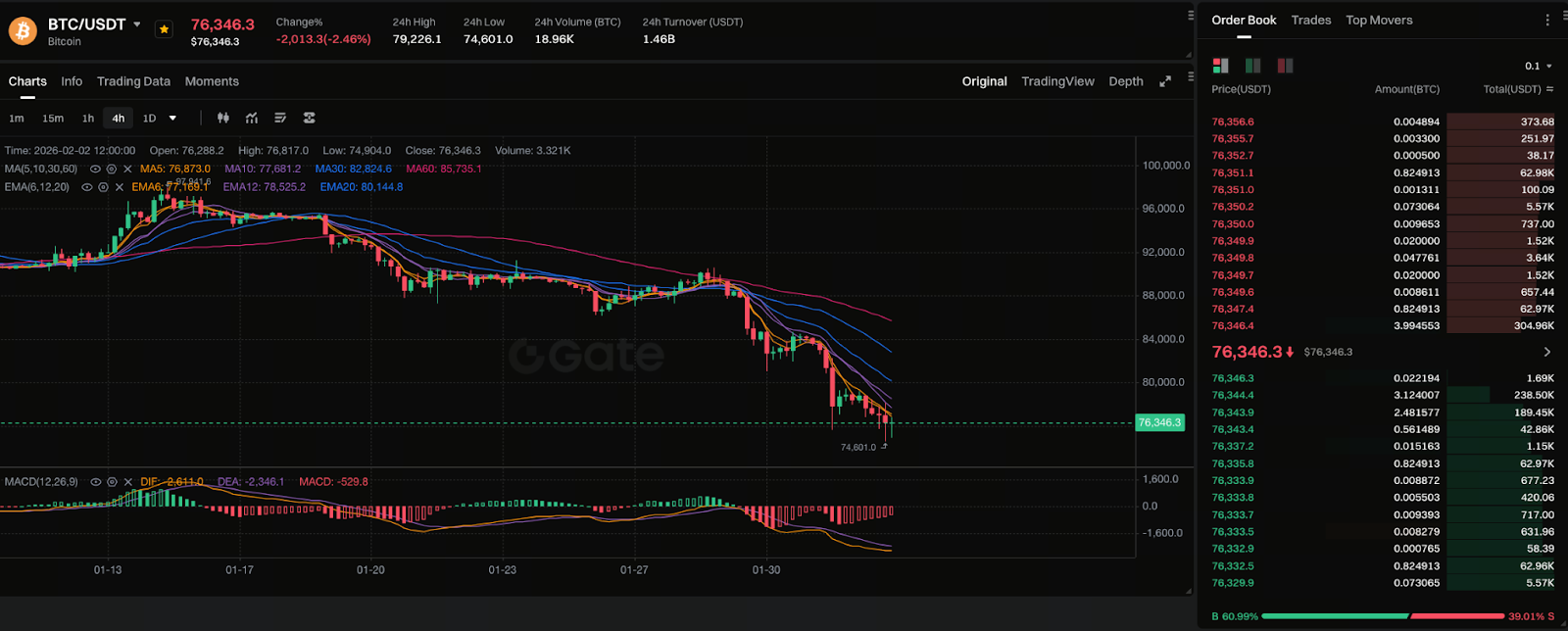
Chart: https://www.gate.com/trade/BTC_USDT
When negative sentiment spreads, many investors rush to sell to avoid perceived risks, disrupting supply and demand and causing rapid price drops. FUD shocks often coincide with short-term liquidations on exchanges, abrupt funding rate changes, or sharp declines in open interest within derivatives markets.
Market Sentiment Indicators vs. Price Trends
For instance, when the Fear & Greed Index plunges into the extreme fear zone, Bitcoin and leading altcoins typically see steep price declines. Such indicators are key tools for tracking the intensity of FUD-driven sentiment in the market.
Recent Market Sentiment and FUD Trend Analysis
Recently, the crypto market has experienced several waves of sentiment volatility. Reports of FUD targeting MicroStrategy, for example, cooled market sentiment in the short term. Meanwhile, speculation around potential rate cuts and news of institutions scaling back Bitcoin exposure have heightened market sensitivity.
These emotional swings are reflected in social metrics and search trends. When the term “crypto FUD” spikes in search volume, it often overlaps with periods of price decline—suggesting investors are more prone to impulsive decisions amid panic.
How to Tell Real Risk from FUD Media Noise?
Distinguishing real risk from FUD noise requires a multi-faceted approach:
- Is the source official? Treat unverified leaks with skepticism.
- Does the macroeconomic context support the risk narrative? Sometimes, what looks like FUD may reflect genuine risk factors.
- Are there changes in market fundamentals? For example, large-scale liquidations or major team departures in projects indicate real events.
Actual risk events usually show up in on-chain data and capital outflows, while FUD acts more like an emotional amplifier. Investors should avoid trading based on headlines alone and instead rely on comprehensive data and fundamental analysis.
Investor Mindset and Strategic Guidance
When confronted with FUD, staying calm and rational is critical. Use sentiment indicators to monitor market conditions, and employ risk management strategies—such as staggered buying and stop-loss orders—to minimize losses from emotionally driven decisions. Developing the ability to discern FUD from fundamental shifts helps prevent missing out on long-term recovery opportunities due to panic selling.
In summary, Crypto FUD is a core component of the crypto market’s sentiment landscape. Understanding and responding to it effectively enhances both investment efficiency and risk management.
Related Articles

2026 Stablecoin Classification Deep Dive: From Fiat-Collateralized to Algorithmic Stablecoins, Market Landscape and Future Trends

What Are Fractional NFTs? Understanding the Mechanics of NFT Fractionalization and Its Real-World Use Cases

Top Telegram Games to Watch in 2026: The New Web3 Gaming Frontier and Investment Strategies

The Next 100x Coin? Low-Cap Crypto Gem Analysis

What Is Jupiter? A Complete Guide to Solana’s Leading Decentralized Exchange Aggregator
