


Demystifying EVM Wallet Addresses: Understand What an EVM Address Really Represents
What Is the EVM (Ethereum Virtual Machine)
The Ethereum Virtual Machine (EVM) is a decentralized virtual machine that acts as the core computational engine for Ethereum and other EVM-based blockchain networks. It executes smart contracts and transactions, providing a unified and secure environment where every node reaches the same result when running identical contracts.
EVM itself is not a wallet or address. It’s the underlying runtime environment. An “EVM address” is your unique identifier for interacting with contracts and assets within this ecosystem.
What Is an EVM Address — Basic Structure and Generation Method
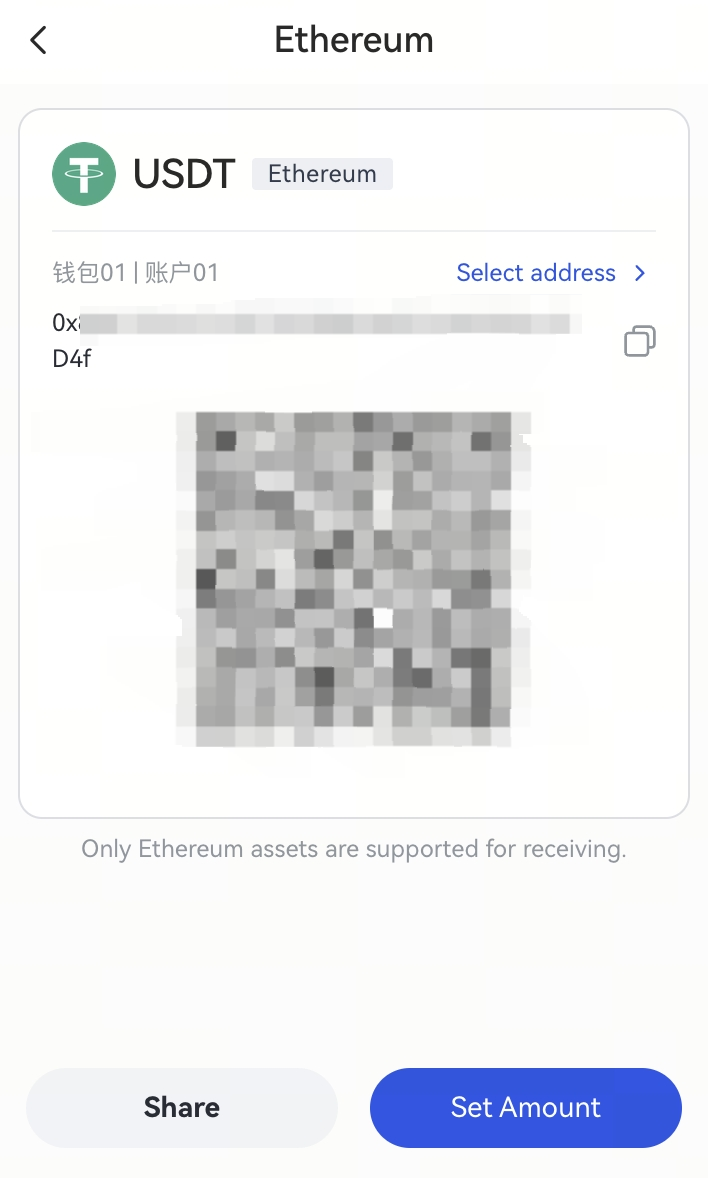
This screenshot illustrates the display of an EVM address within Gate Wallet.
An EVM address is a string that represents account identity within the EVM ecosystem. A standard address begins with “0x” and is followed by 40 hexadecimal characters, totaling 42 characters.
The creation process is: randomly generate a private key. Next, derive the public key from the private key. Then, apply a hash function to the public key. Take the last 20 bytes of the hash result. Convert this to hexadecimal and add the “0x” prefix. The result is the EVM address.
This address functions as an account identifier on the blockchain. You can use it to receive and send crypto assets or interact with smart contracts.
Why One Address Works Across Multiple Chains — EVM-Compatible Chains Explained
As blockchain ecosystems expand, many networks beyond the Ethereum mainnet now support EVM compatibility. Examples include BNB Chain, Polygon, Arbitrum, Base, Fantom, and more.
Because these chains all adhere to EVM standards for addresses, accounts, and contracts, any EVM address you generate can theoretically be used across all of them. The same “0x…” address works on Ethereum, BNB Chain, Polygon, Arbitrum, and other chains.
This design makes multi-chain asset management much easier. You don’t need to create a new address for every chain or maintain multiple wallet accounts.
Primary Uses for EVM Addresses: Transfers, DeFi, NFTs, Multi-Chain Asset Management
With an EVM address, you can perform a wide range of blockchain activities:
- Receive or send native tokens such as ETH or BNB, ERC-20 tokens, and other compatible digital assets.
- Interact with smart contracts and decentralized applications (DApps) for trading, lending, staking, NFT minting or trading, and other decentralized finance activities.
- Manage assets across multiple chains. Because the address is compatible with different networks, you can organize assets from various chains within one wallet.
- Conduct deposits, withdrawals, and bridging across chains by providing your EVM address, without needing to switch wallets or generate new addresses.
Your EVM address serves as your identifier for accessing Web3, managing crypto assets, participating in DeFi and NFT activities, and handling operations across multiple chains.
Security Best Practices and Common Pitfalls When Using EVM Addresses
When using EVM addresses, pay attention to the following:
- Protect your private key and recovery phrase. The address is public, but the private key grants control over your assets. If your private key or recovery phrase is compromised, assets at that address may be stolen.
- Avoid manual entry of addresses. Typing addresses can result in errors. Use the wallet’s copy/paste functions or scan a QR code, and verify several characters at the beginning and end are correct.
- Verify the correct network or chain. Even if the address format matches, different chains operate independently. Sending assets to an incompatible chain can result in loss.
- Distinguish contract addresses from regular account addresses. Sometimes, you may encounter a contract address rather than a personal wallet address (EOA). Confusing the two may lead to mistakes.
Conclusion
The EVM address is the fundamental identifier for accounts within the EVM ecosystem — a 42-character hexadecimal string starting with “0x,” derived from your private key. It works not only on the Ethereum mainnet, but also across numerous EVM-compatible chains, forming the backbone of multi-chain asset management in Web3.
Understanding the role, functions, and risks of EVM addresses is essential for every crypto asset user entering Web3. By securely managing your private key, confirming network details, and accurately copying your address, you can confidently transfer, trade, participate in DeFi and NFT activities, and manage assets across multiple chains.
Related Articles
2026 Stablecoin Classification Deep Dive: From Fiat-Collateralized to Algorithmic Stablecoins, Market Landscape and Future Trends

What Are Fractional NFTs? Understanding the Mechanics of NFT Fractionalization and Its Real-World Use Cases
Top Telegram Games to Watch in 2026: The New Web3 Gaming Frontier and Investment Strategies

The Next 100x Coin? Low-Cap Crypto Gem Analysis

What Is Jupiter? A Complete Guide to Solana’s Leading Decentralized Exchange Aggregator
