


Full Guide to EVM Addresses: The Key to Your Web3 Identity
As you explore the Web3 ecosystem, you’ll quickly encounter an essential string: an EVM address starting with 0x. But what exactly is an EVM address, and why does it matter? This guide will walk you through the essentials step by step.
What Is an EVM Address?
The term EVM stands for Ethereum Virtual Machine, which serves as the core computing environment powering smart contract execution and decentralized application (dApp) operations. An EVM address is a unique account identifier for sending and receiving assets and interacting with dApps on EVM-based blockchains such as Ethereum, BNB Chain, Polygon, and others. It can be compared to a bank account number, but it functions on the blockchain and is publicly accessible.
EVM Address Format and Characteristics
On most EVM-compatible blockchains, addresses begin with “0x” followed by 40 hexadecimal characters (letters A-F and numbers 0-9), totaling about 42 characters. For example: 0xff7cab11fe5a08bac0fb449c67d35adb95e63062
This structure offers several key characteristics:
- Publicly visible: You can share your address to receive assets.
- Cannot be reversed: The address is derived from a public key, but it’s impossible to reverse-engineer the private key from the address.
- Address format compatibility across EVM chains: Since many blockchains use the same address format, the same address can be used on multiple EVM chains. Balances and assets remain separate on each chain.
Why Are EVM Addresses Universal Across Chains?
Many blockchains are built on or made compatible with EVM architecture. According to MetaMask, a single EVM address works across Ethereum Mainnet, Polygon, BNB Chain, and similar networks. This streamlines the user experience: you don’t need to generate a new address for each chain—one address covers them all. However, be aware that assets, token standards, and fee models may differ across chains, and using the wrong network can result in permanent asset loss.
How to Locate and Use Your EVM Address
For most users, simply open your wallet app or browser extension (like MetaMask, Trust Wallet, or Ledger) to find your EVM address. For instance, most wallets display your account address prominently, making it easily accessible for copying.
To locate your EVM address, follow these steps:
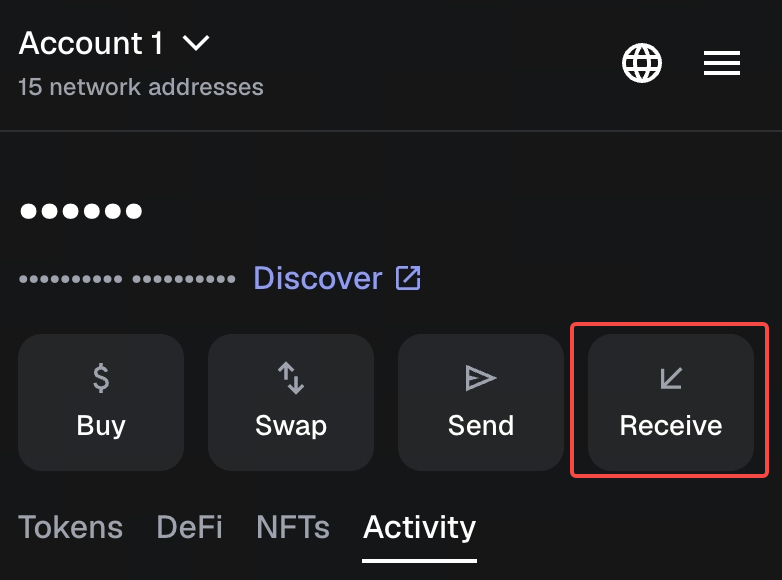
- Open your wallet and select your account.
- Navigate to the “Receive” or “Account” page to view your address beginning with 0x.
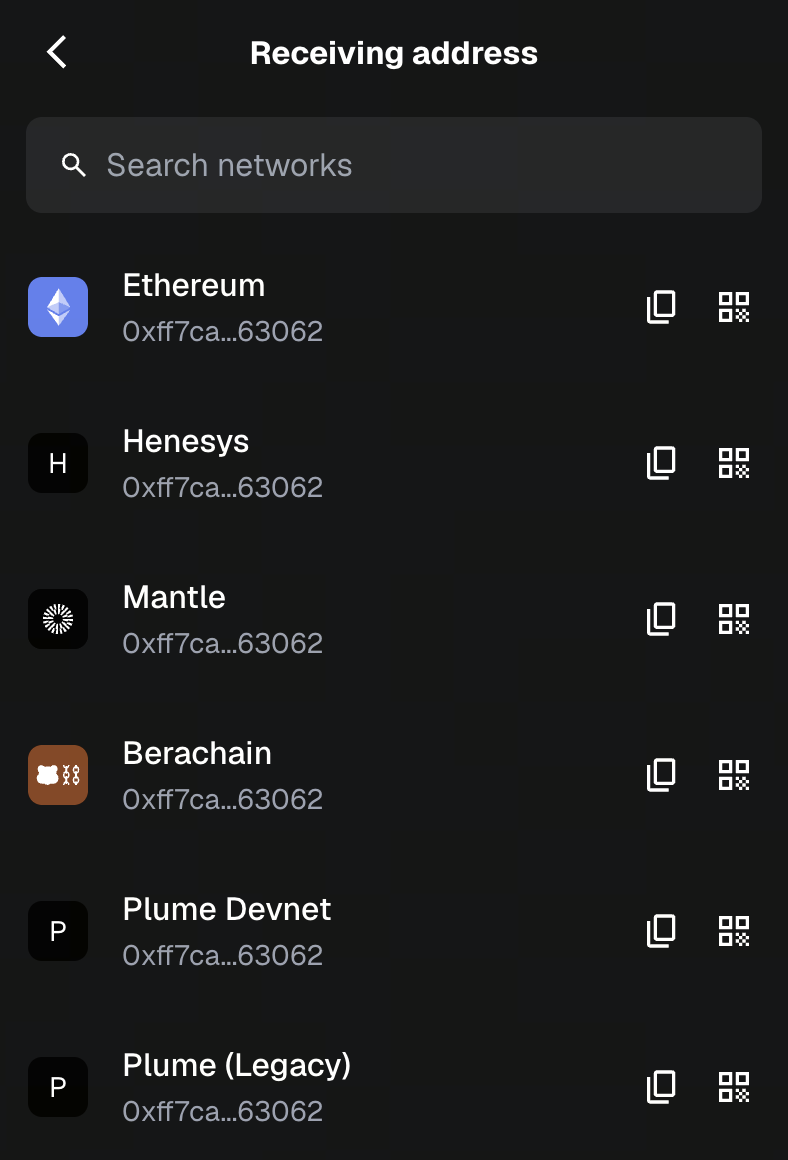
- When transferring or receiving assets, or connecting to a dApp, copy and paste your EVM address as needed.
Important: Even if addresses look identical on different blockchains, always verify that the sender is using the correct network. For example, if your assets are on Polygon but the sender uses Ethereum Mainnet, the transfer won’t complete successfully.
Critical Security Considerations When Using EVM Addresses
Consider the following security tips when using EVM addresses:
- Verify the network: Confirm that both sender and recipient are on the same EVM-compatible chain.
- Copy, paste, and double-check the address: EVM addresses are long and complex; a single character error can cause irreversible loss. Always review the first and last few digits after copying.
- Never disclose your private key or seed phrase: While your EVM address is public, your private key and recovery phrase must remain confidential.
- Test with a small transaction first: For significant transfers, always send a small test amount to validate the process.
- Exercise caution with ENS/domain resolution services: While ENS and similar domain services add convenience, they’re managed by third parties—choose and use with care.
Summary
In essence, your EVM address serves as your account identifier within the Web3 ecosystem and can be used across multiple compatible chains. Understanding its format, usage, and security best practices empowers you to manage digital assets more securely and avoid common pitfalls. This article aims to provide greater clarity and confidence in using EVM addresses.
Related Articles
2026 Stablecoin Classification Deep Dive: From Fiat-Collateralized to Algorithmic Stablecoins, Market Landscape and Future Trends

What Are Fractional NFTs? Understanding the Mechanics of NFT Fractionalization and Its Real-World Use Cases
Top Telegram Games to Watch in 2026: The New Web3 Gaming Frontier and Investment Strategies

The Next 100x Coin? Low-Cap Crypto Gem Analysis

What Is Jupiter? A Complete Guide to Solana’s Leading Decentralized Exchange Aggregator
