


On-Chain Wallets in 2026: Why Blockchain Wallets Are Becoming the Core Tool for Crypto Asset Management
What Is an On-chain Wallet?
An on-chain wallet is a self-custody wallet that connects directly to the blockchain. Users retain full control over their private keys, and all activities—including transfers, signing, authorization, and dApp interactions—occur on-chain. Fundamentally, it serves as your “on-chain identity” and provides a gateway to asset management and participation in the DeFi ecosystem.
Unlike exchange-custodied wallets, on-chain wallets offer exceptional transparency. Every transaction is traceable on-chain, making them ideal for users seeking greater autonomy over their assets.
Why On-chain Wallets Are Drawing Attention in 2026
As we move into 2025–2026, the industry is experiencing three major shifts:
First, users are steadily transitioning from centralized exchanges to self-custody solutions. With regulatory measures growing stricter, many investors are seeking more independent ways to manage their assets.
Second, on-chain use cases are expanding. The maturation of NFTs, on-chain payments, cross-chain bridges, and Layer 2 networks means on-chain wallets have evolved beyond simple storage—they now function as “Web3 IDs, wallets, and signers” all in one.
Third, multi-chain ecosystems are thriving. As Ethereum, Solana, BNB Chain, Sui, and other blockchains continue to develop, users increasingly need wallets that enable seamless switching across different chains.
Latest Industry Trends: Changing User Behaviors
In 2025–2026, user behavior is clearly shifting from “speculative trading” to active “on-chain usage.” Examples include:
- More users making daily stablecoin payments with on-chain wallets
- DeFi structured products, liquid restaking tokens (LRTs), and cross-chain messaging protocols driving an increase in on-chain transactions
- A revitalized NFT market, with wallets serving as gateways for collecting and showcasing digital assets
- Wallets featuring built-in yield tools, which are fueling significant growth in new users
On-chain wallets have transformed from simple storage solutions into dynamic asset centers used frequently by users.
Mainstream On-chain Wallet Ecosystem Structure
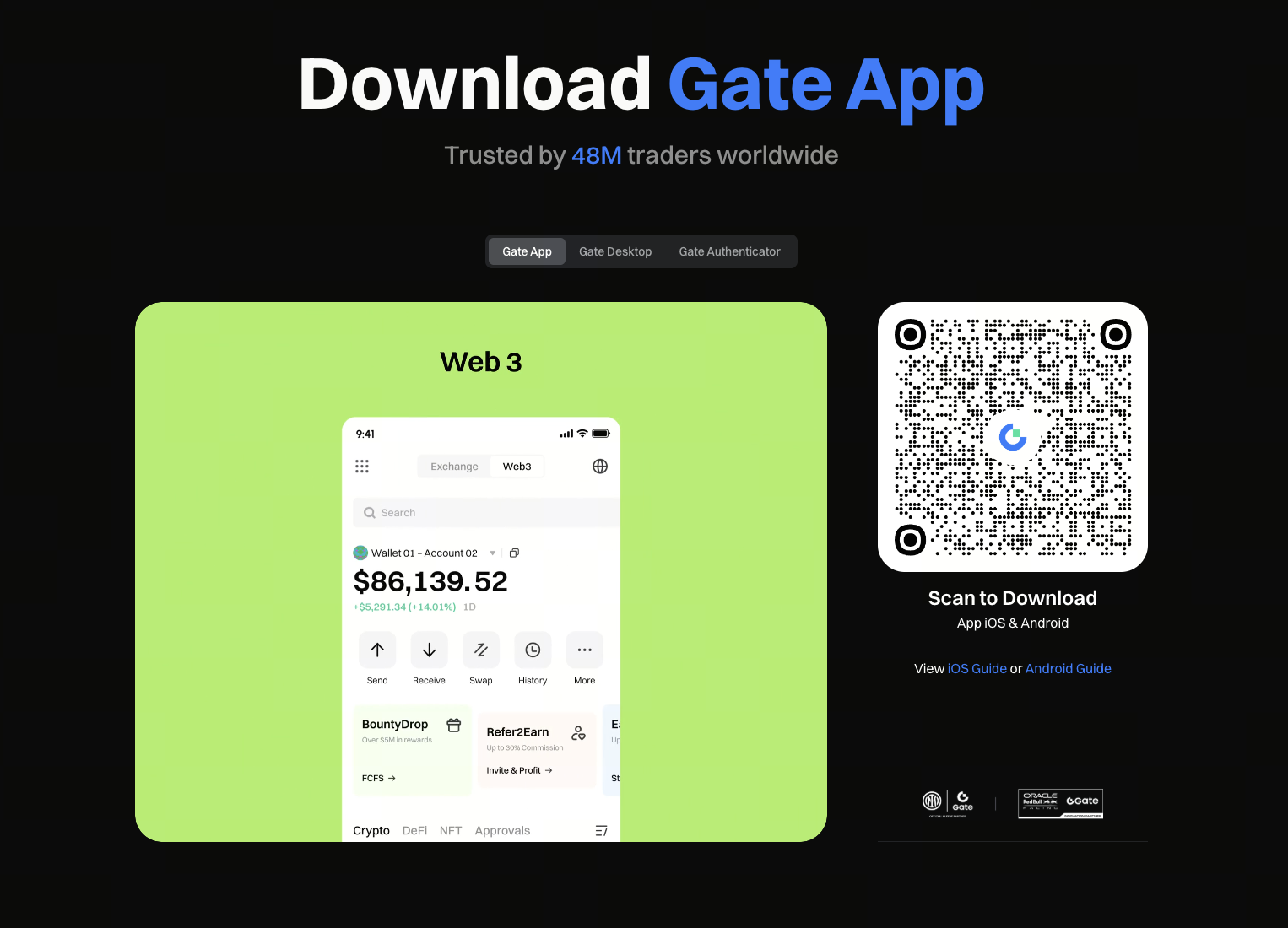
Image: https://web3.gate.com/wallet-download
Currently, on-chain wallets fall into three categories: browser extension wallets, mobile app wallets, and hardware wallets.
- Browser extension wallets: MetaMask is a prime example, ideal for users who frequently interact with dApps.
They offer flexible operation and a mature user experience, but security is highly dependent on the device itself. - Mobile app wallets: Gate Wallet is one example, well-suited for everyday asset management and payment scenarios. Mobile wallets typically offer a more complete ecosystem, including cross-chain management, NFT plugins, and market data browsing.
Gate Wallet: Gate Wallet is an independent wallet app developed by the Gate platform. It supports multi-chain asset management, basic transfers, a dApp browser, and basic NFT asset viewing. Its strengths include compatibility with major blockchains and a user-friendly interface, making it ideal for users who want to manage assets across multiple chains. - Hardware wallets: Best for long-term storage of substantial assets. They offer the highest level of security but are less suitable for frequent transactions.
Most users prefer a combination of “mobile wallet + extension wallet” for versatility.
Key Advantages of On-chain Wallets
- True ownership of private keys: On-chain wallets are self-custodial, so you never have to worry about exchange freezes, outages, or bankruptcy risks.
- Maximum transparency: Every fund movement is publicly visible on-chain, eliminating black-box operations.
- Deep dApp integration: DeFi, NFT, GameFi, and cross-chain activities all require on-chain wallets.
- Flexible cross-chain experience: Many wallets now include built-in cross-chain bridges, allowing seamless transitions between blockchains.
- Enhanced asset management: From stablecoin payments to on-chain yield tools, on-chain wallets are becoming digital asset hubs.
Risks and Essential Security Tips
On-chain wallets are not without risks. Key concerns include:
- Lost private keys are unrecoverable
- Connecting to malicious dApps can result in unauthorized asset access
- Phishing attacks and counterfeit wallet apps
- Risks from unaudited smart contracts
Recommended best practices:
- Never save your mnemonic phrase as a screenshot
- Use hardware wallets to secure large asset holdings
- Regularly review and revoke wallet authorizations
- Download wallets only from official sources
Future Outlook: Integration of On-chain Identity, Payments, and DeFi
In 2026, the future of on-chain wallets includes:
- Support for on-chain identity (DID) and passport-style authentication
- Stablecoin payments becoming a mainstream method for daily transactions
- Integrated yield tools and asset analytics within wallets
- Seamless switching between Layer 2 and multiple chains
- Wallets evolving into “mobile Web3 banks”
As these tools mature, downloading an on-chain wallet will almost certainly be the first step for new users entering Web3.
Summary: How to Choose the Right On-chain Wallet
For beginners, prioritize the following:
- Robust security
- Clean and intuitive UI
- Multi-chain support
- Reliable team maintenance
If you prefer mobile, consider Gate Wallet; if you need frequent dApp interaction, pair with an extension wallet; for long-term asset holding, opt for a hardware wallet.
Related Articles
2026 Stablecoin Classification Deep Dive: From Fiat-Collateralized to Algorithmic Stablecoins, Market Landscape and Future Trends

What Are Fractional NFTs? Understanding the Mechanics of NFT Fractionalization and Its Real-World Use Cases
Top Telegram Games to Watch in 2026: The New Web3 Gaming Frontier and Investment Strategies

The Next 100x Coin? Low-Cap Crypto Gem Analysis

What Is Jupiter? A Complete Guide to Solana’s Leading Decentralized Exchange Aggregator
