


What Is Cryptocurrency Collateral? A Complete Explanation and the Latest Market Developments
1. What Is Collateral in Crypto Finance
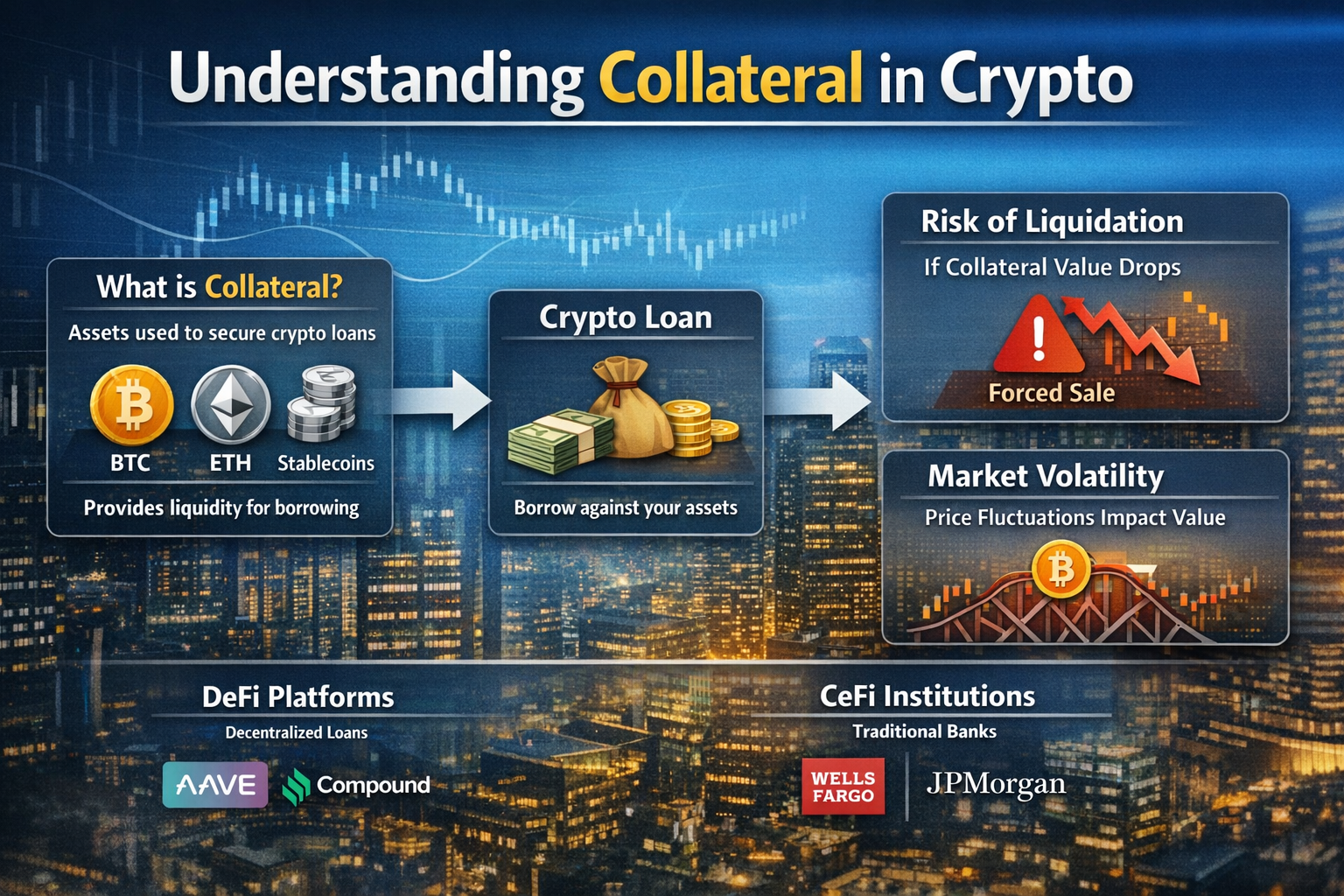
In crypto finance, collateral refers to assets that users pledge to secure debt when borrowing or trading. To borrow stablecoins or fiat currency, you must provide digital assets like Bitcoin or Ethereum as collateral to the lender. If the borrower fails to repay on time, the collateral may be liquidated to cover the lender’s losses. This concept is similar to a mortgage in traditional finance but offers real-time, transparent on-chain processes.
2. Latest Crypto Market Conditions and Collateral Trends
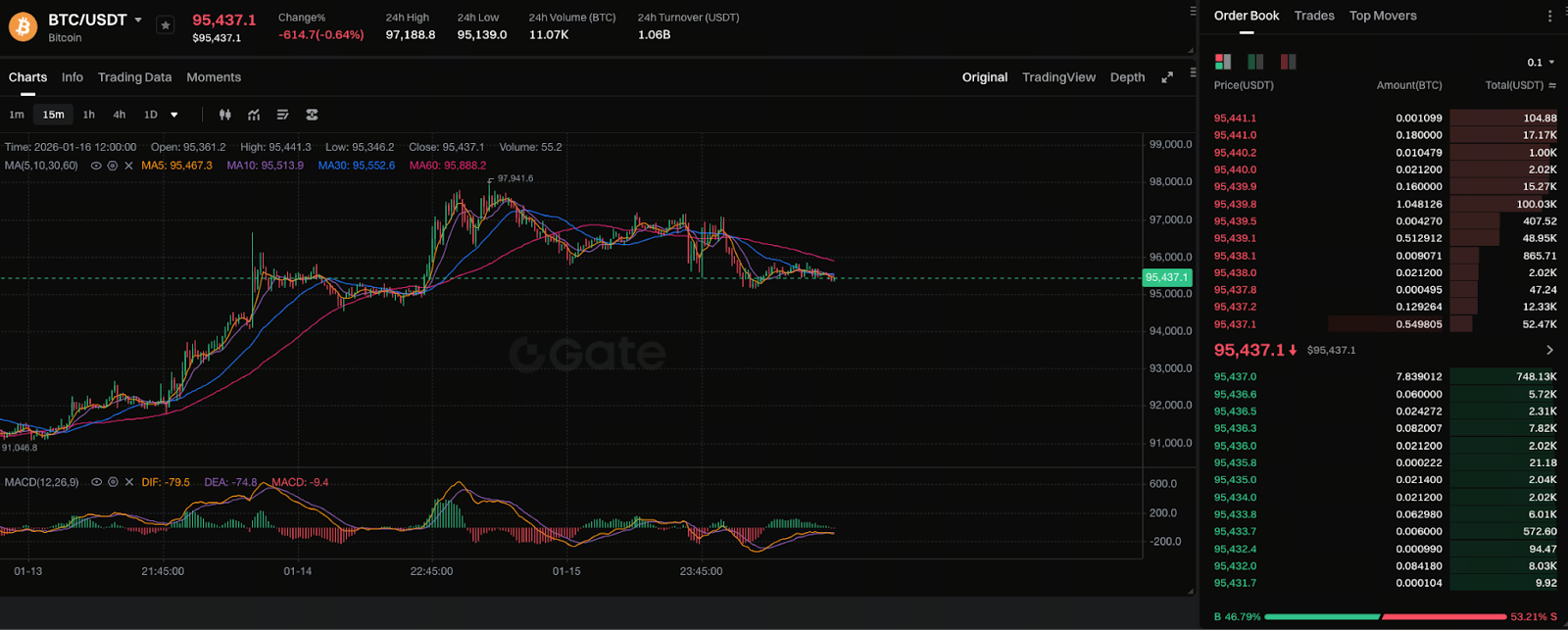
Chart: https://www.gate.com/trade/BTC_USDT
Recently, major assets like Bitcoin have experienced pronounced price swings. For instance, in 2025, Bitcoin surged above $110,000 multiple times and even reached $115,000, but also saw sharp corrections.
Leading global financial institutions such as Wells Fargo are introducing loan services backed by Bitcoin collateral, marking a significant step in integrating crypto collateral into traditional banking. More banks and institutions are planning to accept digital assets like BTC and ETH as loan collateral.
These developments show that collateral is no longer limited to decentralized lending protocols (DeFi) but is increasingly adopted by centralized finance (CeFi), expanding from the crypto space into mainstream financial ecosystems.
3. Collateral Use in DeFi Lending and Traditional Finance
On decentralized finance platforms like Aave and Compound, users deposit crypto assets as collateral to borrow other assets. The loan-to-value (LTV) ratio typically requires the collateral to exceed the loan value, protecting against risks from market downturns.
For example, depositing $1,000 worth of ETH may allow borrowing about $600 in stablecoins, providing a buffer against losses from price volatility.
By comparison, traditional banks accepting BTC and ETH as collateral are still in the pilot stage. However, banks like JPMorgan and Wells Fargo are actively promoting these services, signaling accelerating adoption.
4. How Collateral Mechanisms Affect Price and Risk
Collateral mechanisms are closely tied to market prices. When collateral prices drop sharply, lending systems may trigger liquidations, leading to large-scale sell-offs and intensifying downward price pressure. This negative feedback loop has occurred repeatedly in the past, especially during periods of high leverage.
At the same time, the rise of institutional collateralized lending is increasing the market’s overall leverage. According to Galaxy Digital, total on-chain collateralized lending hit a record high in Q3 2025. This rapid growth brings higher risk alongside market expansion.
5. How to Select Safe Collateral Assets
The safety of collateral assets depends on several factors:
- Liquidity: Highly liquid assets can be quickly converted during market volatility.
- Volatility: Lower volatility reduces the risk of forced liquidation.
- Platform Reputation: Well-known lending protocols or banks offer greater security.
- Regulatory Environment: Compliance can mitigate unexpected risks.
Mainstream collateral assets are typically BTC, ETH, and stablecoins. Highly volatile altcoins are generally unsuitable as primary collateral.
6. Summary: The Future of Crypto Collateral and Key Considerations
Crypto collateral has evolved from a core concept in DeFi to a key element in mainstream finance. It provides users with flexible financing options and drives the integration of crypto assets with traditional banking. However, risks such as collateral spread, liquidation, and price volatility remain central concerns.
For newcomers, it’s essential to understand mechanisms like collateral value and liquidation thresholds when using collateralized lending, and to operate cautiously in response to market price changes.
Related Articles

2026 Stablecoin Classification Deep Dive: From Fiat-Collateralized to Algorithmic Stablecoins, Market Landscape and Future Trends

What Are Fractional NFTs? Understanding the Mechanics of NFT Fractionalization and Its Real-World Use Cases

Top Telegram Games to Watch in 2026: The New Web3 Gaming Frontier and Investment Strategies

The Next 100x Coin? Low-Cap Crypto Gem Analysis

What Is Jupiter? A Complete Guide to Solana’s Leading Decentralized Exchange Aggregator
