


What is PolyPlay (PLAY) ?
What Is PolyPlay?
(Source: polyplay.whitepaper)
PolyPlay is a decentralized ecosystem that merges GameFi, esports, and community-driven economics. Its mission is to create a transparent, fair, and sustainable esports environment—transforming gaming from simple entertainment into a rewarding experience with real-world value.
PolyPlay Vision
The esports sector is expanding rapidly, with the global market now exceeding $1 billion. Despite this growth, most revenue remains concentrated among a handful of professional players and major teams. PolyPlay’s core vision is simple: empower amateur gamers to compete, participate, and earn rewards just like the pros. This idea stems from the esports pyramid model:
- The base consists of casual gamers who play mainly for fun.
- The top tier features a small number of professionals who earn a living through sponsorships and tournament prizes.
- The middle tier includes players striving to improve but lacking platform support—this group is often the most overlooked.
PolyPlay targets these mid-tier players, leveraging a decentralized economic model to create a new competitive arena. Here, aspiring gamers can join tournaments, win prizes, and engage directly with brands and sponsors.
PolyPlay Ecosystem
PolyPlay is more than a tournament platform—it’s a comprehensive Web3 esports ecosystem that combines competitions, token rewards, sponsorship opportunities, and player-driven economic activities.
1. Decentralized Esports Tournaments
PolyPlay will host tournaments at multiple levels, welcoming everyone from beginners to seasoned professionals. Initially supported games include CS:GO, DOTA2, League of Legends, and FIFA. Events will be streamed on leading platforms like Twitch and YouTube, while blockchain technology will securely record results and distribute rewards, guaranteeing transparency and fairness.
2. PLAYROOM Store & Sponsorship System
Brands and businesses can promote themselves during tournaments or sell both digital and physical products through the PLAYROOM store on the PolyPlay platform. This increases sponsor visibility and provides the platform with additional revenue, creating a positive feedback loop.
3. Launchpad & Staking Features
PolyPlay also plans to launch a dedicated GameFi Launchpad, enabling gaming projects to raise capital via the PLAY token. Players can stake tokens for rewards or hold them to support their favorite projects, further strengthening engagement across the ecosystem.
- Community & Content Promotion
Beyond competitions, PolyPlay will operate a YouTube highlights channel and host Twitch livestreams to foster gaming culture and grow its player community. This not only boosts platform visibility but also gives participating gamers greater exposure.
Operating Model & Taxation Mechanism
PolyPlay employs a game-driven, tax-feedback model, funding ecosystem growth through transaction fees on every trade. Each transaction incurs a 6% fee, allocated as follows:
- 2% to tournament prize pools
- 2% to marketing
- 2% to operations and maintenance
Rather than relying on a single funding source, PolyPlay sustains tournaments and development through transaction taxes generated by community activity. As player trading volume rises, prize pools and project funds grow organically, powering a sustainable economic cycle.
Tokenomics
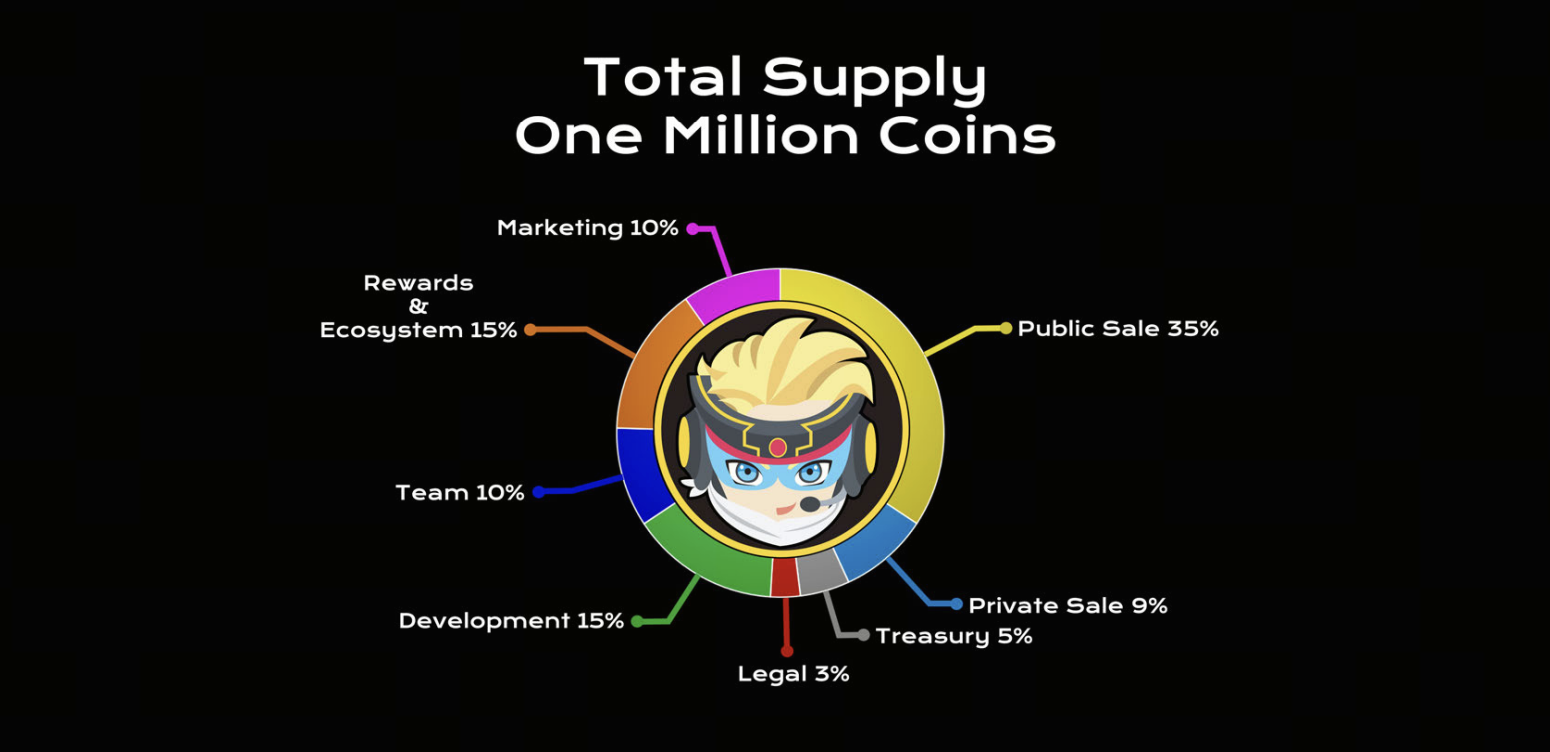
The native $PLAY token is the cornerstone of the PolyPlay ecosystem, serving as the medium for payments, governance, and rewards. Total supply is capped at 1,000,000 PLAY. The token allocation model is designed to balance long-term growth, team incentives, and market stability.
Token Distribution Structure
- 15% Rewards & Ecosystem: A substantial portion allocated to platform rewards and ecosystem development; locked for the first month, with up to 10% released monthly thereafter.
- 10% Team: To ensure long-term project stability, a portion is reserved for the team; locked for the first three months, then 10% released monthly.
- 15% Development: For technology upgrades and external partnerships; locked for the first three months, then up to 10% released monthly based on progress.
- 3% Legal: Fully released at TGE to cover legal and registration expenses.
- 5% Treasury: Locked for the first three months, then 10% released monthly for emergencies, acquisitions, or market expansion.
- 10% Marketing: 25% released at TGE, then 10% released monthly to ensure ongoing promotion and brand awareness.
- 9% Private Sale: 40% released at TGE, with the remainder released in 15% monthly increments.
- 35% Public Sale: 60% released at TGE, with the remainder released in 15% monthly increments.
(Source: polyplay.whitepaper)
This staged release and lock-up mechanism helps stabilize the market, reduces short-term sell pressure, and ensures early supporters and the development team grow alongside the project.
To learn more about Web3, register here: https://www.gate.com/
Summary
PolyPlay is more than just another GameFi project. It’s a Web3 platform redefining the value of competitive gaming—enabling amateur players to earn through tournaments, giving sponsors a role in a decentralized economy, and introducing a fairer distribution model for the entire esports industry.
Related Articles
2026 Stablecoin Classification Deep Dive: From Fiat-Collateralized to Algorithmic Stablecoins, Market Landscape and Future Trends

What Are Fractional NFTs? Understanding the Mechanics of NFT Fractionalization and Its Real-World Use Cases
Top Telegram Games to Watch in 2026: The New Web3 Gaming Frontier and Investment Strategies

The Next 100x Coin? Low-Cap Crypto Gem Analysis

What Is Jupiter? A Complete Guide to Solana’s Leading Decentralized Exchange Aggregator
