


What Is RNG? Uncovering Random Number Generation Technology in Gaming and the Latest Market Trends
As digital entertainment and decentralized platforms surge in popularity, “What is RNG?” has become a central concern for players, developers, and investors. In gaming, RNG (Random Number Generator) generates unpredictable outcomes and is a fundamental technology for maintaining fairness.
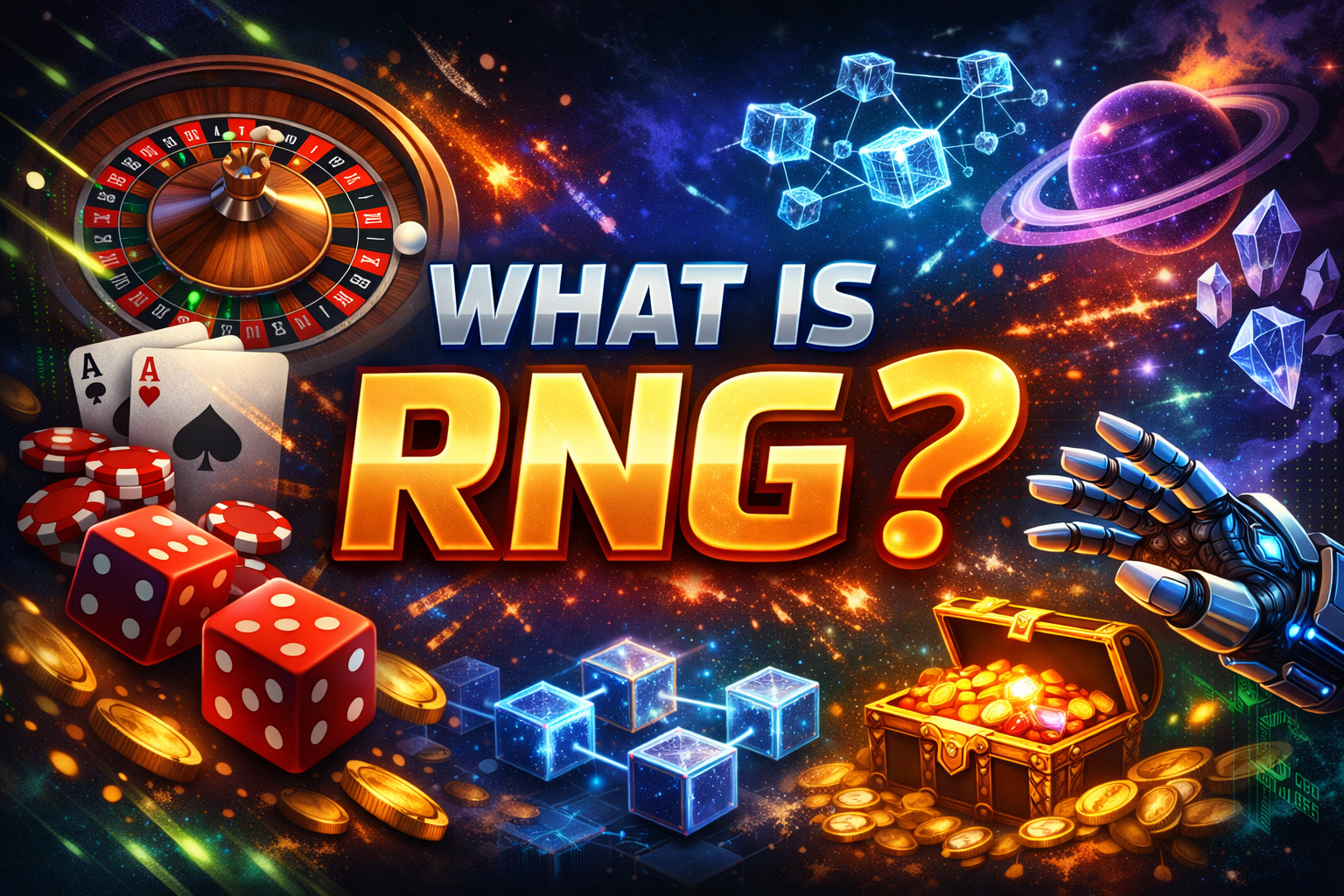
What Is RNG? In-Depth Overview of Key Concepts
At its core, RNG is a system or algorithm designed to simulate randomness in digital environments. In traditional casinos, randomness is derived from physical events—such as rolling dice or shuffling cards. In digital settings, software must replicate this randomness. RNG systems use mathematical algorithms (like pseudorandom algorithms) or specialized hardware to generate random values, which determine outcomes for slot machine spins, card dealing, and more.
RNG in Digital Gaming and iGaming
RNG is pervasive in iGaming and online entertainment:
- Each slot machine spin outcome is produced by RNG, ensuring every spin is a distinct probabilistic event.
- Roulette simulations rely on RNG to determine ball landing positions and number selection.
- Digital shuffling in poker and card games depends on RNG to replicate the randomness of physical shuffling.
RNG addresses the challenge of “visualizing true randomness” in digital gaming, giving every player an equal chance to win.
True Random vs. Pseudorandom: Technical Differences and Real-World Impact
RNG falls into two categories:
- True RNG (True Random Number Generator):
Generates random numbers using unpredictable physical phenomena (such as electrical noise or radioactive decay). These sources are inherently uncertain and are considered genuinely random, though they typically require hardware and come with higher costs.
- Pseudorandom RNG (Pseudorandom Number Generator):
Uses algorithms and initial seed values to produce sequences that appear random. While theoretically predictable, modern algorithms are complex enough to make prediction virtually impossible, meeting the needs of most gaming applications.
Recognizing the distinction between these types helps players evaluate the RNG technology a platform uses and gauge its reliability.
Provably Fair vs. Traditional RNG
With the advancement of blockchain technology, “Provably Fair” systems have emerged, enabling players to verify the randomness of each game result independently and increasing transparency. Compared to conventional “black box” RNG systems, provably fair mechanisms offer greater credibility in random number generation.
On-Chain Randomness and Blockchain RNG Trends
The blockchain ecosystem is shifting RNG from traditional pseudorandom algorithms to on-chain verifiable randomness. Solutions such as Chainlink VRF (Verifiable Random Function) deliver provable, tamper-resistant random numbers for smart contracts, widely used in blockchain gaming, NFT lotteries, and DeFi reward allocation—reflecting a major industry trend.
Conclusion: Why RNG Matters for Players and Investors
RNG is not only the backbone of digital entertainment and gaming technology but also a crucial driver of fairness. In the blockchain era, verifiable randomness is reshaping industry trust. For players, understanding RNG helps them assess a platform’s technical integrity; for investors, tracking tokens linked to random protocols provides deeper insight into sector trends. Combining these perspectives, a clear grasp of what RNG is proves essential for both technical exploration and market analysis.
Related Articles

2026 Stablecoin Classification Deep Dive: From Fiat-Collateralized to Algorithmic Stablecoins, Market Landscape and Future Trends

What Are Fractional NFTs? Understanding the Mechanics of NFT Fractionalization and Its Real-World Use Cases

Top Telegram Games to Watch in 2026: The New Web3 Gaming Frontier and Investment Strategies

The Next 100x Coin? Low-Cap Crypto Gem Analysis

What Is Jupiter? A Complete Guide to Solana’s Leading Decentralized Exchange Aggregator
