


A Comprehensive Explanation of EVM Wallets
What Is the EVM?
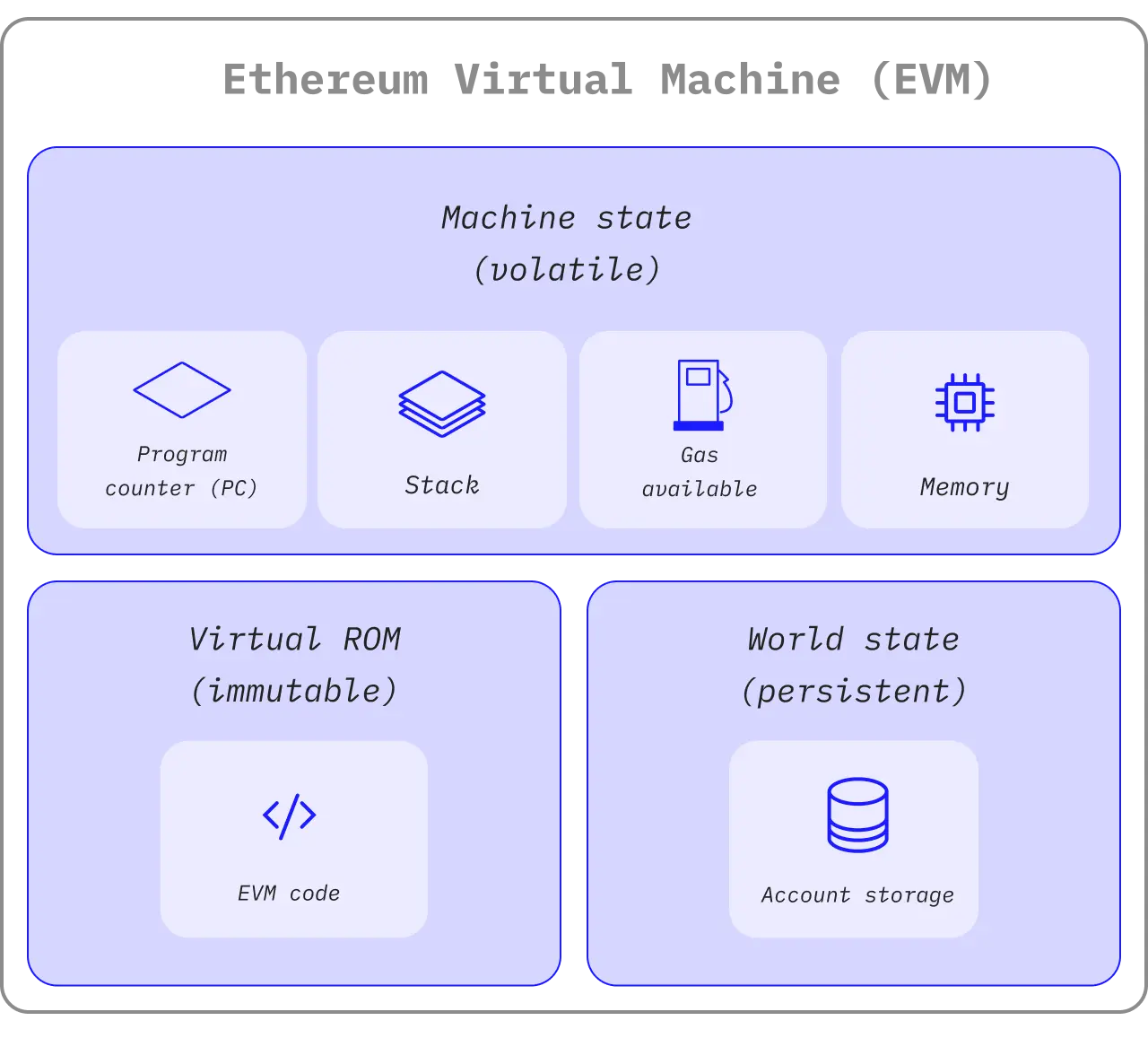
Image source: https://ethereum.org/developers/docs/evm/
The Ethereum Virtual Machine (EVM) is the core execution environment of the Ethereum network. Running on every Ethereum node, it delivers a deterministic, secure, and isolated platform for executing smart contracts. Think of the EVM as a distributed “world computer”: Developers write smart contracts in languages like Solidity, compile them into bytecode, and then execute that code on the EVM.
How the EVM Relates to Blockchain
The EVM serves as a critical state machine for blockchain networks. Every transaction sent to the network triggers a state transition, and the EVM determines exactly how those transitions occur. Importantly, the EVM isn’t exclusive to the Ethereum mainnet. Many other blockchains—like BNB Chain, Polygon, and Arbitrum—are EVM-compatible, enabling smart contracts and development tools to work seamlessly across multiple chains.
What Does “EVM Wallet” Mean?
An EVM wallet is a wallet that manages assets on EVM-compatible blockchains. In practice, these wallets generate and manage accounts using the Ethereum address format (typically starting with “0x”) and allow users to interact directly with smart contracts. EVM wallets support Ethereum (ETH) and usually multiple EVM-compatible networks like Polygon or BNB Chain, making cross-chain asset management straightforward.
Key Features of EVM Wallets
- Cross-chain compatibility: A single EVM address (account) can often be used on multiple EVM chains, eliminating the hassle of switching wallets frequently.
- Smart contract interaction: Enables direct interaction with smart contracts, including DeFi protocols and NFT marketplaces.
- Standardized address format: EVM addresses typically start with “0x” and are 20 bytes long (40 hexadecimal characters).
- Security and key management: EVM wallets commonly use deterministic wallet structures, generating keys from a seed phrase for easier backup and recovery.
Why Use an EVM-Compatible Wallet?
- Shared ecosystem: Developers can deploy the same contracts across multiple EVM chains, while users manage cross-chain assets from a single wallet.
- Low entry barrier: Leading wallets like MetaMask offer native EVM support, so users only need to learn one wallet to access multiple networks.
- Mature tooling: The EVM ecosystem features robust development tools (such as Remix and Hardhat) and standards (ERC-20, ERC-721), accelerating project development and enhancing user experience.
Leading Chains and Wallets in the EVM Ecosystem
- Top EVM chains: Ethereum, BNB Chain (Binance Smart Chain), Polygon, Arbitrum, and more.
- Popular EVM wallets: MetaMask stands out as the most widely used EVM-compatible wallet. Hardware wallets (like Ledger) and mobile wallets (like Trust Wallet) also support multiple EVM networks.
What to Watch for When Using EVM Wallets
- Verify chain ID: Always check that the destination chain matches your wallet’s network settings before making a transfer. Mismatches can result in lost funds.
- Seed phrase security: Safeguard your seed phrase. Losing it means you cannot recover your wallet.
- Gas fee differences: Transaction (gas) fees vary widely between EVM chains—for example, Ethereum mainnet versus Layer-2s or sidechains.
- Contract risks: Exercise caution when interacting with smart contracts. Poorly designed contracts can put your funds at risk.
Looking Ahead
As Web3 and multi-chain ecosystems continue to evolve, EVM compatibility is becoming the industry standard. More emerging blockchains are adopting EVM to leverage existing developer resources and wallet infrastructure. In the future, expect to see high-performance EVM implementations (such as parallel EVMs) and more secure, efficient wallet designs that further enhance the user experience.
Related Articles
2026 Stablecoin Classification Deep Dive: From Fiat-Collateralized to Algorithmic Stablecoins, Market Landscape and Future Trends

What Are Fractional NFTs? Understanding the Mechanics of NFT Fractionalization and Its Real-World Use Cases
Top Telegram Games to Watch in 2026: The New Web3 Gaming Frontier and Investment Strategies

The Next 100x Coin? Low-Cap Crypto Gem Analysis

What Is Jupiter? A Complete Guide to Solana’s Leading Decentralized Exchange Aggregator
