


Fractionalized NFTs: Market Landscape, Future Trends, and Investment Insights
What Are Fractionalized NFTs?
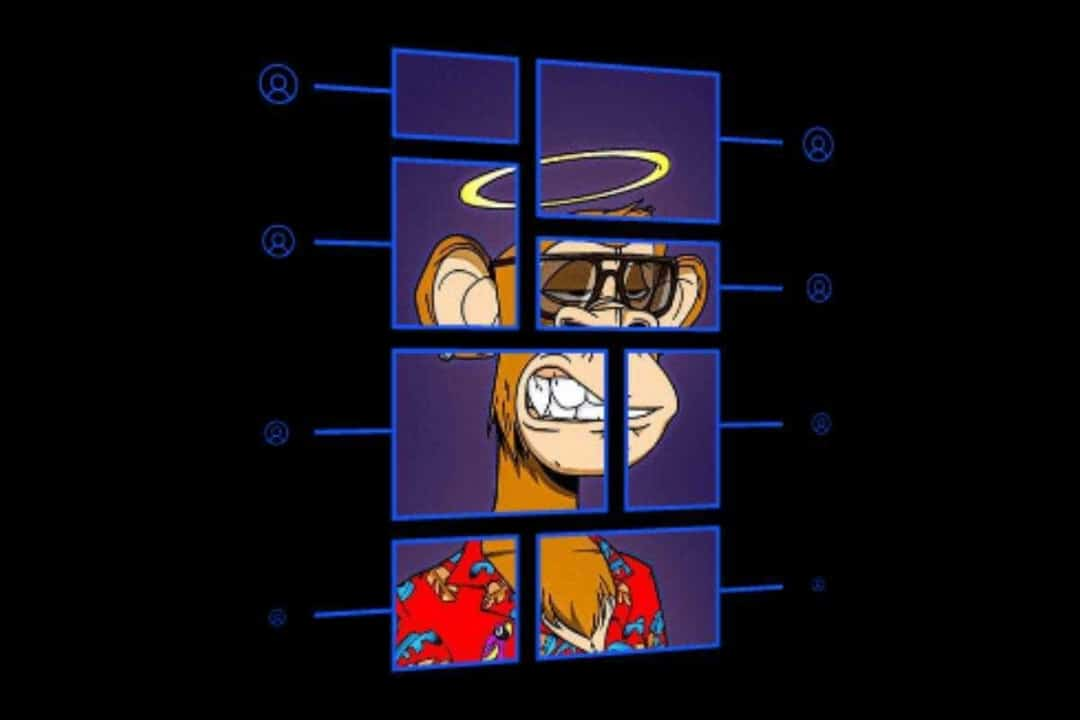
Fractionalized NFTs are created by dividing a single NFT into multiple smaller shares, allowing several investors to jointly hold portions of the original NFT’s ownership. This is similar to splitting the ownership of a painting into tradable shares, each of which can be bought or sold independently. The core benefit is a significantly lower entry barrier for high-value NFTs, which in turn boosts overall market liquidity.
In traditional scenarios, high-value NFTs—such as premium digital artworks or celebrity collectibles—can be prohibitively expensive. Fractionalized NFTs use smart contracts to lock and split the NFT into tradable shares, making participation accessible to a broader audience.
Market Status and Price Dynamics
As of the end of 2025, the fractionalized NFT market is still in its early stages. Its overall size remains small compared to other segments of the crypto market, but it is steadily growing. Recent market data shows that the total market capitalization of tokens tied to fractionalized NFTs is about $21.6 million, with a 24-hour trading volume around $1.95 million.
While these figures are modest, long-term forecasts suggest the global fractionalized NFT market will expand from nearly $3.8 billion in 2025 to over $9.2 billion by 2033, with a strong compound annual growth rate of approximately 17.8%.
This growth is fueled by sustained demand for high-value NFTs, particularly in art, rare collectibles, and virtual real estate. Additionally, more NFT projects are leveraging fractionalization to attract a wider range of investors. Unlike the broader digital art market, which has seen declines, fractionalized NFTs are injecting new energy into the space.
Case Study: Artworks and Large-Scale NFT Fractionalization
Fractionalizing NFTs for artworks is one of the most common real-world applications. For example, the Particle platform split Banksy’s acclaimed piece “Love is in the Air” into 10,000 NFT shares. Over 2,600 co-owners worldwide now share in its ownership, and the work has been displayed in several world-class museums.
This approach brings traditional art into the blockchain ecosystem and enables holders to participate in community governance and voting. Compared to single NFT ownership, this decentralized governance model highlights the practical asset potential of NFTs.
Advantages and Risks of Fractionalized NFTs
Key Advantages:
- Lowers investment barriers: Small investors can access high-value NFT projects.
- Enhances liquidity: NFTs split into ERC-20 or other token standards drive more active market trading.
- Diversifies assets: Applications extend beyond digital art to music rights, real estate, and other asset types.
Potential Risks:
- High price volatility: Fractionalized NFT prices remain sensitive to broader crypto market swings.
- Complex recombination: Reassembling fractionalized NFTs into a whole often requires meeting complex criteria.
- Regulatory uncertainty: Legal definitions of NFT assets differ by country, creating compliance risks.
How to Participate in Fractionalized NFT Investment?
To invest in fractionalized NFTs, first research leading platforms and trading methods. Some NFT marketplaces—including Fractional.art and NFTfi—support NFT splitting and secondary trading. New protocols like Ovols are also emerging, offering DeFi-powered liquidity pools to streamline the trading experience for fractionalized NFTs.
The typical investment process involves:
- Selecting a reliable platform
- Locking an NFT and minting fractionalized tokens
- Buying or selling shares on the market
- Selling shares or participating in governance and profit distribution
Collectors should also evaluate project backgrounds and liquidity conditions to avoid illiquid assets.—-
Future Trends and Conclusion
Fractionalized NFTs are emerging as a major innovation in the NFT market, steadily expanding market participation and liquidity. As technology advances and regulatory frameworks mature, fractionalized NFTs are poised to bridge the gap between NFTs and traditional asset markets.
Looking ahead, fractionalized NFTs may further integrate with DeFi and DAOs (Decentralized Autonomous Organizations), unlocking new models for shared governance and profit distribution. For investors, understanding both the opportunities and risks will be crucial for capitalizing on the evolving NFT value chain.
Related Articles

2026 Stablecoin Classification Deep Dive: From Fiat-Collateralized to Algorithmic Stablecoins, Market Landscape and Future Trends

What Are Fractional NFTs? Understanding the Mechanics of NFT Fractionalization and Its Real-World Use Cases

Top Telegram Games to Watch in 2026: The New Web3 Gaming Frontier and Investment Strategies

The Next 100x Coin? Low-Cap Crypto Gem Analysis

What Is Jupiter? A Complete Guide to Solana’s Leading Decentralized Exchange Aggregator
