


What Is an EVM Wallet Address — 2025 Latest Guide and Practical Tips
What Is an EVM Wallet Address? Core Definition and Origin
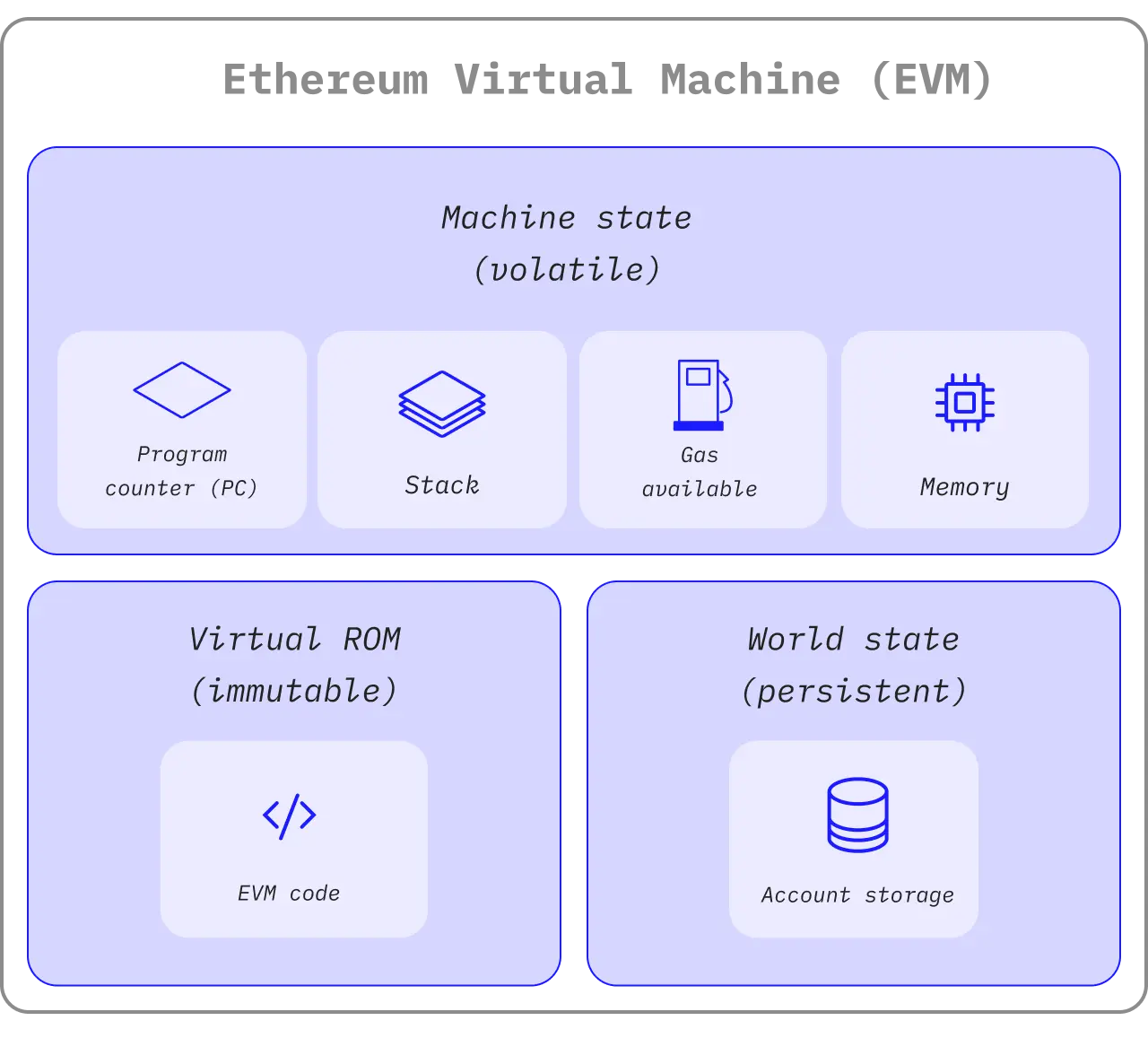
Image: https://ethereum.org/developers/docs/evm/
An EVM wallet address is a unique on-chain identifier assigned to either an Externally Owned Account (EOA) or a contract account. This address is a 42-character string that begins with “0x,” followed by 40 hexadecimal characters. Your private key generates a public key. A hashing algorithm then extracts the last 20 bytes, serving as your account identifier on the blockchain.
This address lets you send and receive cryptocurrencies like ETH, as well as tokens on EVM-compatible chains (including ERC-20, ERC-721, and more). It’s also your gateway for interacting with smart contracts, participating in DeFi, engaging with NFTs, and utilizing bridging and other blockchain features.
EVM Chains and Blockchain Ecosystems Supporting EVM Addresses
Beyond the native Ethereum mainnet, many EVM-compatible blockchains—often called “EVM chains”—let you use the same EVM address to receive assets. This means a single address works across multiple chains, including BNB Chain, Polygon, Arbitrum, Optimism, and others.
This approach dramatically simplifies asset management across chains. It also makes multi-chain DeFi, NFT activities, and cross-chain bridging far more convenient for users.
How to Get Your EVM Wallet Address (Using Leading Wallets as Examples)
To get an EVM address, simply create one through a popular wallet application. Here’s the typical process:
- In your wallet app or browser extension, select “Create New Wallet”
- The system will generate a seed phrase or private key for you automatically
- Your wallet derives the corresponding EVM address from your private key (starting with “0x…”).
- You can copy this address to receive assets or interact with smart contracts
In most EVM-compatible software wallets, the address format is standardized. The wallet generates your address automatically and usually provides QR code export and copy features for convenience.
2025 Trends: Multi-chain Support
Recent trends show that popular wallets are moving toward multi-chain support. A prime example is MetaMask, which will introduce Multi-chain Accounts in 2025. This feature allows users to manage both EVM and non-EVM chain addresses (such as Solana) under a single account, with Bitcoin support planned for the future.
With this advancement, you no longer need a separate wallet for each blockchain. One account can manage assets across multiple chains, offering greater flexibility and user convenience.
Security Tips and Common Mistakes When Using EVM Addresses
EVM addresses are convenient, but there are important security considerations and common pitfalls to avoid:
- Chain compatibility: While addresses are interoperable across chains, each chain’s environment is different. Sending assets to a mismatched chain can result in loss. Always confirm the chain ID and network compatibility before transactions.
- Private key/seed phrase security: Since EVM addresses derive from your private key, any leak of your key or seed phrase puts your assets at risk. Never enter your seed phrase on untrusted websites or applications, and avoid saving it as a screenshot.
- Address format and checksum: Use wallet-generated addresses rather than manual entry. Many wallets provide checksum address formats (mixed-case for error detection) to minimize input errors.
- EOA address vs. contract address: Don’t confuse smart contract addresses with EOA addresses. Contract addresses represent smart contract accounts, not personal wallets. Sending assets to the wrong address or mixing them up can lead to irreversible loss.
Summary and Practical Guidance
Your EVM wallet address serves as both your identity and payment account in the Web3 ecosystem. Understanding its origin, usage, and associated risks is essential for anyone engaging in DeFi, NFTs, or cross-chain asset management.
If you’re new to crypto or blockchain, choose a reputable wallet (like MetaMask). Securely back up your seed phrase or private key. Verify chain compatibility. Prioritize multi-chain support if available.
As more chains integrate and wallet features evolve, EVM addresses will become the key bridge connecting you to the entire Web3 world. Mastering their use is the first step to safely managing your digital assets on-chain.
Related Articles
2026 Stablecoin Classification Deep Dive: From Fiat-Collateralized to Algorithmic Stablecoins, Market Landscape and Future Trends
What Are Fractional NFTs? Understanding the Mechanics of NFT Fractionalization and Its Real-World Use Cases
Top Telegram Games to Watch in 2026: The New Web3 Gaming Frontier and Investment Strategies
The Next 100x Coin? Low-Cap Crypto Gem Analysis
What Is Jupiter? A Complete Guide to Solana’s Leading Decentralized Exchange Aggregator
