


What Is DEX Volume? Understanding Trading Activity on Decentralized Exchanges
Understanding DEX Volume
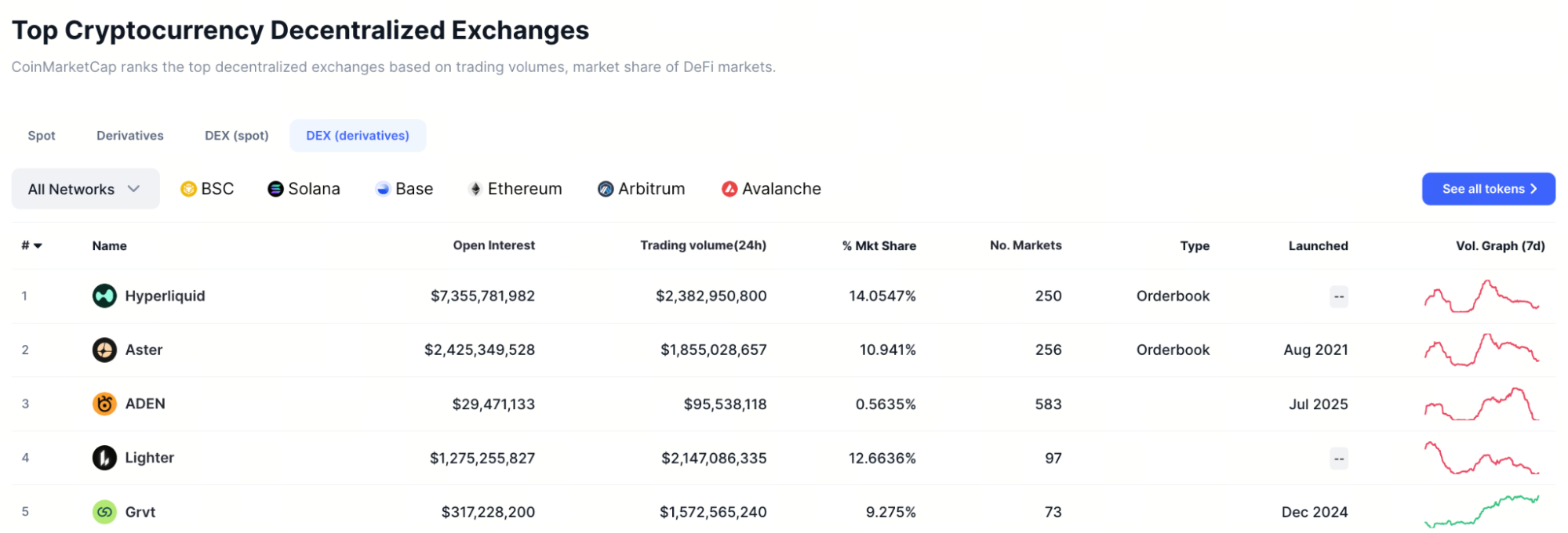
(Source: CoinMarketCap)
DEX Volume represents the total value of crypto asset transactions executed on decentralized exchanges within a defined period. This figure is a key indicator for gauging a DEX’s market visibility and real user demand.
Unlike centralized exchanges, DEX trading volume offers a more accurate reflection of on-chain activity, making it a vital metric in the DeFi space.
Key Timeframes for DEX Volume Metrics
Depending on the reporting interval, DEX Volume is typically tracked in several ways:
1. 24-Hour Trading Volume
Shows the total transaction value over the past day, providing a snapshot of short-term market sentiment and current activity.
2. 7-Day Trading Volume
Sums up transactions from the past week, helping analysts assess whether user activity is stable or driven by one-off surges.
3. Cumulative Trading Volume
Captures all transactions since the DEX’s launch, serving as a measure of the platform’s long-term liquidity and growth trajectory.
How Is DEX Volume Measured?
DEX Volume is calculated by aggregating the value of all completed transactions within a specified timeframe. These may include:
- Asset swaps between cryptocurrencies
- Derivative or leveraged trades
- On-chain transactions involving NFTs
All data is sourced directly from on-chain records, ensuring maximum transparency and verifiability.
Why Does DEX Volume Matter?
Trading volume on decentralized exchanges is widely regarded as a core indicator of platform health. Sustained high trading volume typically signifies:
- Robust platform liquidity
- User confidence in the protocol
- Reduced risk of significant price slippage during trades
These favorable conditions attract more traders and liquidity providers, reinforcing a positive cycle. Conversely, consistently low volume may signal weak user engagement, limited liquidity, and could hinder the platform’s future growth prospects.
Core Drivers of DEX Volume Fluctuations
DEX Volume is dynamic, influenced by both external and internal factors:
1. Overall Market Sentiment
Bull markets tend to drive higher trading activity, while bear markets often result in lower volumes. Price volatility also impacts trading appetite.
2. New Token Listings
High-profile or community-backed token launches can rapidly boost trading demand and DEX volume.
3. Incentive and Reward Programs
Mechanisms like liquidity mining and yield farming actively encourage trading and liquidity provision, directly fueling volume growth.
4. User Experience
Intuitive interfaces, fast transaction speeds, and competitive fees all play a significant role in user retention and ongoing activity.
5. Security and Trust
Security is paramount in DeFi. DEXs with a proven safety record and transparent operations are more likely to build lasting user trust and maintain stable trading volumes.
To explore more about Web3, register here: https://www.gate.com/
Conclusion
As the Web3 ecosystem evolves and cryptocurrency adoption grows, DEX trading volume is becoming increasingly important. It serves not just as a statistic, but as a critical lens through which to assess activity, trust, and participation in decentralized finance.
Related Articles

2026 Stablecoin Classification Deep Dive: From Fiat-Collateralized to Algorithmic Stablecoins, Market Landscape and Future Trends

What Are Fractional NFTs? Understanding the Mechanics of NFT Fractionalization and Its Real-World Use Cases

Top Telegram Games to Watch in 2026: The New Web3 Gaming Frontier and Investment Strategies

The Next 100x Coin? Low-Cap Crypto Gem Analysis

What Is Jupiter? A Complete Guide to Solana’s Leading Decentralized Exchange Aggregator
