

Search Token/Wallet
Why Is Dexcom Stock Price Falling? In-Depth Analysis of the Real Reasons Behind the Decline
Beginner
Quick ReadsDexcom Overview: Business and Market Positioning
------------------------------------------------
Source:
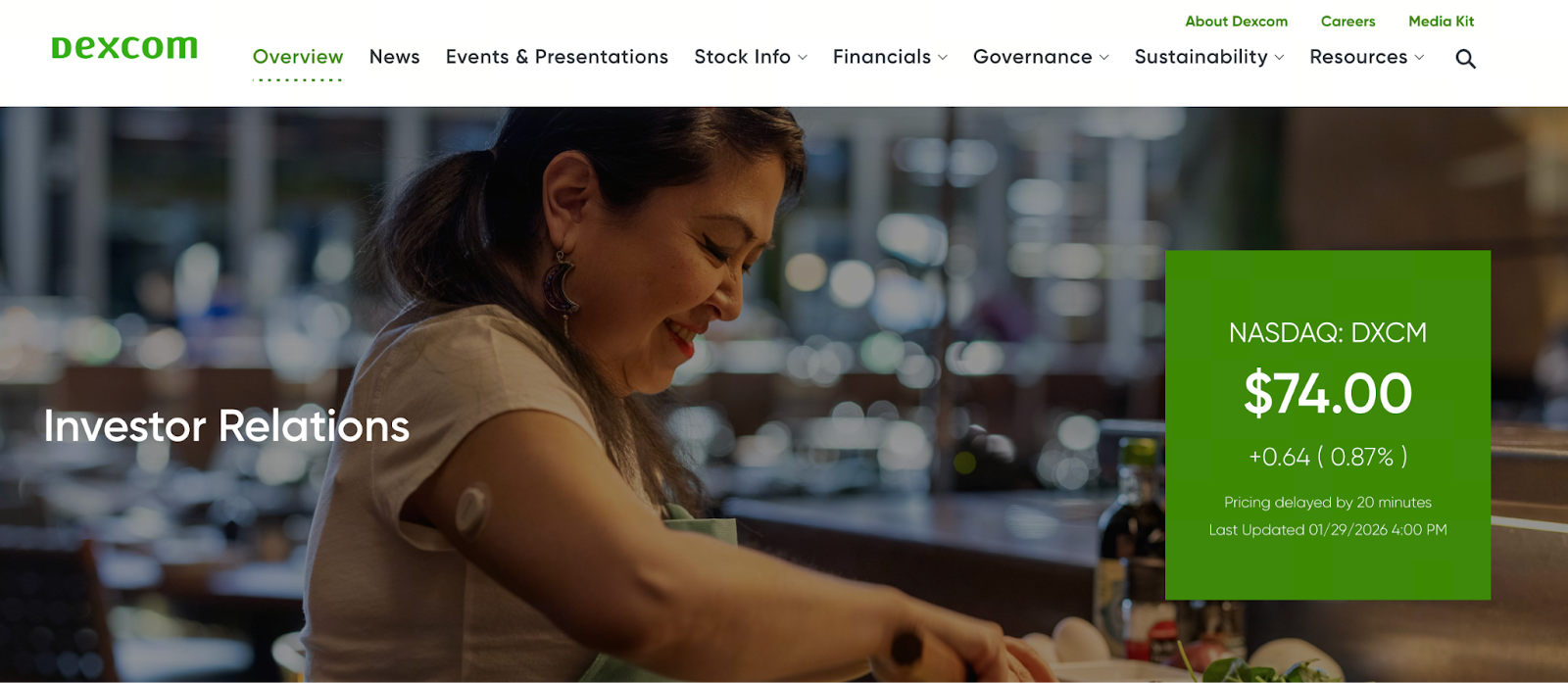
Dexcom (NASDAQ: DXCM) stands as a global leader in continuous glucose monitoring (CGM) devices, offering real-time blood glucose tracking for diabetes patients. With the rollout of the G7 and longer-life products in recent years, Dexcom is also targeting non-insulin users and the broader wellness market. The company’s premium pricing and high gross margins have made it a prominent growth story within the medtech sector.
Yet, despite Dexcom’s technological edge and early market leadership, its share price has frequently “deviated from fundamentals.” To address the recurring investor question—why is Dexcom stock dropping?—a multidimensional analysis of its price trends is required.
Stock Performance Review: Key Downturns
---------------------------------------
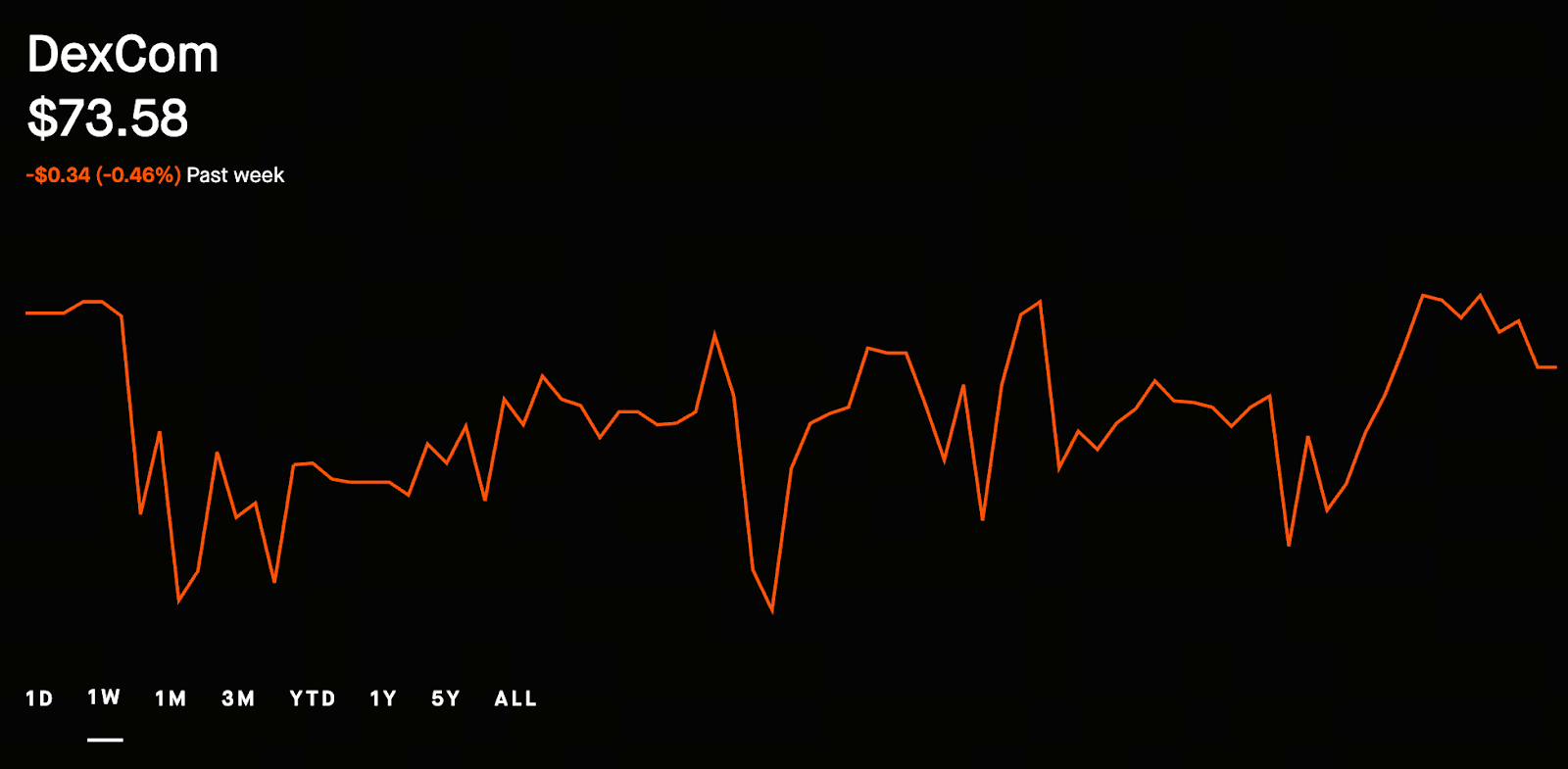
Between 2024 and 2025, Dexcom’s stock saw notable corrections:
- Following an FDA warning letter over manufacturing site issues, shares plunged nearly 7% in after-hours trading.
- During a stretch of consecutive declines, the stock dropped more than 9% in total, closing at multi-month lows.
- In late 2025, even with results exceeding expectations, Dexcom’s shares hit a new 52-week low, signaling that the market remained cautious about fundamental improvements.
These critical moments underscore that the declines were not random but stemmed from a combination of systemic factors.
Key Reasons Behind the Decline
------------------------------
1. Regulatory Uncertainty and FDA Risks
In early 2025, Dexcom received a warning letter from the U.S. Food and Drug Administration (FDA) highlighting quality management issues at two manufacturing sites. While the company stated this would not materially affect production capacity or full-year guidance, the market grew wary of regulatory compliance and operational risks, fueling short-term volatility.
The medical device industry is highly regulated, and this kind of uncertainty increases the risk premium on valuations, putting pressure on the stock.
2. Gross Margin Pressure and Rising Costs
Despite strong revenue and growth guidance, Dexcom’s gross margin came under pressure. Recent reports show that the second-quarter gross margin fell sharply from last year’s highs, mainly due to higher logistics costs and increased material scrap rates. Escalating costs undermine profitability, which in turn dampens investor expectations for future earnings.
3\. Investor Expectations and Growth Concerns
Like many high-growth medtech companies, Dexcom’s valuation is heavily reliant on future growth projections. If company guidance falls short of analyst expectations or growth drivers slow, investors tend to adjust their valuations swiftly. Even when results beat expectations, a drop in margins can be seen as a sign of weaker growth, prompting sell-offs.
1. Market Competition and Substitution Threats
Dexcom faces competition in the CGM segment from Abbott, Medtronic, and others, and must also consider the impact of GLP-1 drugs (such as Ozempic and Mounjaro), which are changing diabetes management. Should these drugs significantly improve glucose control, reliance on CGM devices could decrease, raising investor concerns about future demand for Dexcom’s products.
Latest Price Actions and Investor Sentiment
-------------------------------------------
Source:
Author: Max
* The information is not intended to be and does not constitute financial advice or any other recommendation of any sort offered or endorsed by Gate Web3.
* This article may not be reproduced, transmitted or copied without referencing Gate Web3. Contravention is an infringement of Copyright Act and may be subject to legal action.
Related Articles

Beginner
2026 Stablecoin Classification Deep Dive: From Fiat-Collateralized to Algorithmic Stablecoins, Market Landscape and Future Trends
A thorough breakdown of stablecoin types—including fiat-backed, crypto-collateralized, algorithmic, and hybrid models—paired with up-to-date regulatory and market trends, empowers readers to navigate the stablecoin ecosystem and make informed investment decisions.

Beginner
What Are Fractional NFTs? Understanding the Mechanics of NFT Fractionalization and Its Real-World Use Cases
Fractional NFTs make high-value NFTs more accessible by breaking them into tradable shares. This article offers a comprehensive overview of the underlying technology, practical use cases, and inherent limitations.

Beginner
Top Telegram Games to Watch in 2026: The New Web3 Gaming Frontier and Investment Strategies
A comprehensive review of the top Telegram games to watch in 2026—including standout projects like Notcoin, Hamster Kombat, and Azuki Alley Escape—offering expert insights into gameplay trends and potential investment opportunities.

Beginner
The Next 100x Coin? Low-Cap Crypto Gem Analysis
This article analyzes cryptocurrency projects with low market capitalization that may be noteworthy in 2025, offering analysis from the perspectives of technology, community engagement, and market potential. Additionally, the report offers guidance on coin selection and highlights key risk factors for new investors.

Beginner
What Is Jupiter? A Complete Guide to Solana’s Leading Decentralized Exchange Aggregator
Jupiter stands as the core decentralized exchange aggregator within the Solana ecosystem, delivering users the best prices, minimal slippage, and seamless cross-pool liquidity integration. This article thoroughly examines Jupiter's mechanisms, exploring its features, strengths, trading processes, and future outlook. You'll gain a clear understanding of why Jupiter has emerged as the primary entry point for trading on Solana.

Beginner
Best Metaverse Projects in 2026: Seizing the Next Digital Wave
A comprehensive analysis of the leading Metaverse projects for 2026: Explore key developments from Web2 giants like Meta and Roblox, as well as Web3 frontrunners including The Sandbox and Decentraland. This article delivers the latest trends, technological breakthroughs, and investment opportunities in the Metaverse sector.