Altcoins That Will Explode in the Coming Years
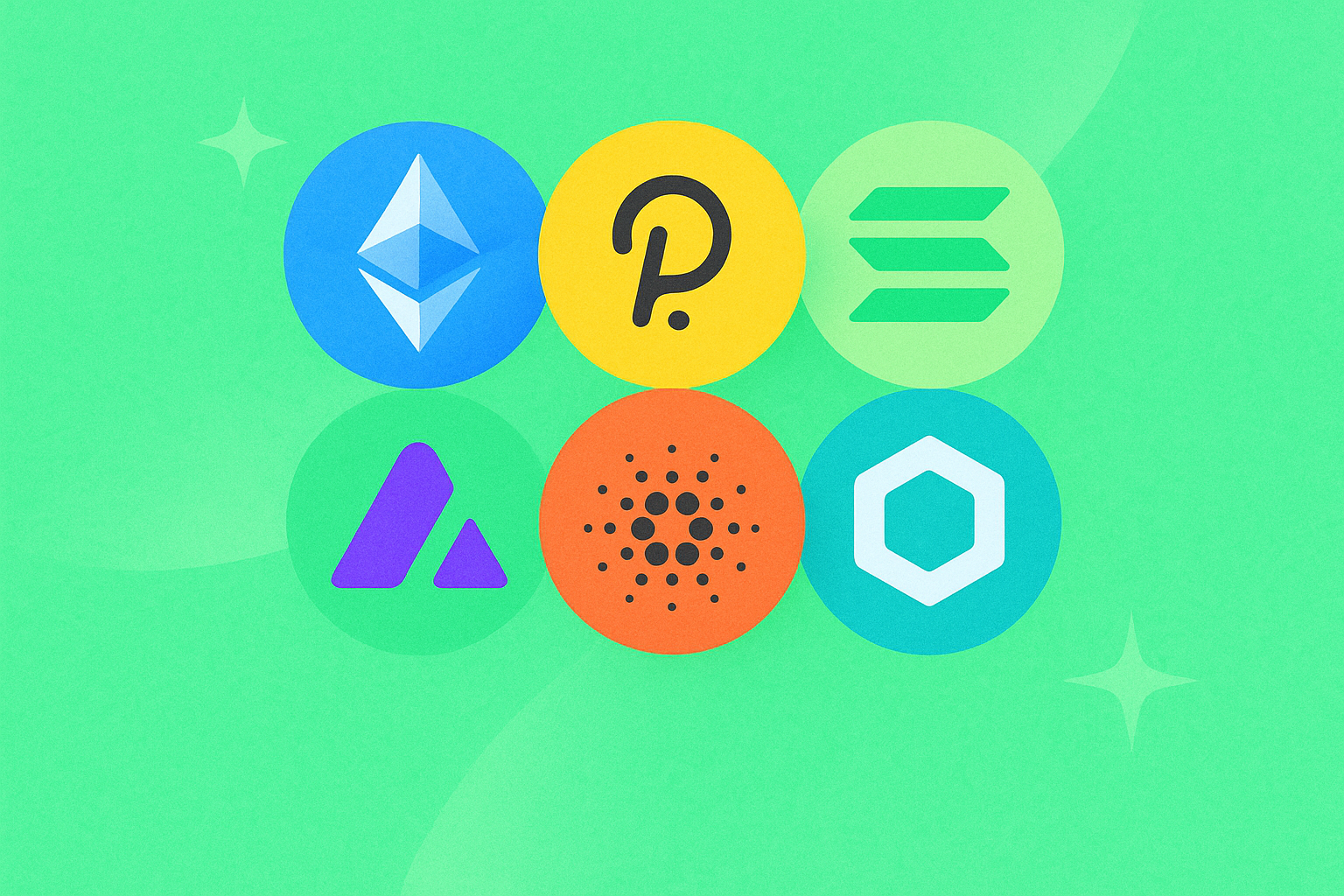
The Rise of Altcoins
Altcoins, or alternative cryptocurrencies, first emerged as an innovative response to Bitcoin's perceived limitations in scalability, transaction speed, and functional versatility. Since their inception, they have evolved into a vast and diverse ecosystem of blockchain innovation, offering solutions that extend far beyond serving as a simple medium of exchange. In recent years, many altcoins have carved out specialized niches, serving purposes such as decentralized finance (DeFi), smart contract execution, enhanced privacy protection, improved scalability solutions, and even digital art representation through non-fungible tokens (NFTs).
The altcoin market has matured significantly, with thousands of projects competing for attention and investment. This evolution reflects the broader development of blockchain technology itself, as developers and entrepreneurs continue to identify new use cases and solve existing problems in creative ways. From enabling cross-border payments to facilitating decentralized governance systems, altcoins have demonstrated their potential to reshape various aspects of our digital and financial infrastructure.
Factors Fueling Altcoin Growth
Several interconnected factors contribute to the potential explosive growth of altcoins in the near future:
Technological Advancements: Continuous innovations in blockchain technology are pushing the boundaries of what's possible in the crypto space. Altcoins that leverage cutting-edge technology, such as Layer-2 scaling solutions, sharding mechanisms, and cross-chain interoperability protocols, possess significant competitive advantages. These technological improvements address critical issues like transaction throughput, network congestion, and user experience, making blockchain applications more practical for mainstream adoption.
For example, Layer-2 solutions allow transactions to be processed off the main blockchain while still maintaining security guarantees, dramatically increasing transaction capacity and reducing fees. Similarly, interoperability protocols enable different blockchain networks to communicate and exchange value seamlessly, creating a more connected and efficient crypto ecosystem.
Adoption and Integration: Increased acceptance by businesses, financial institutions, and mainstream users can drive an altcoin's value tremendously. The crypto industry has witnessed growing institutional interest, with major corporations exploring blockchain integration and traditional financial institutions offering crypto-related services. Altcoins that successfully partner with established industries or become widely used in specific sectors—such as supply chain management, healthcare data management, or digital identity verification—are likely to experience substantial growth.
Real-world adoption creates network effects, where increased usage attracts more users and developers, further enhancing the platform's value proposition. This virtuous cycle can lead to exponential growth for altcoins that achieve product-market fit.
Regulatory Clarity: As nations around the world continue to develop and refine their regulatory frameworks for cryptocurrency, those altcoins that navigate these evolving legal landscapes efficiently will likely see significant boosts in investor confidence and market valuation. Clear regulations provide legitimacy and reduce uncertainty, encouraging both retail and institutional investment. Projects that proactively engage with regulators and implement compliance measures position themselves favorably for long-term success.
Community Support and Developer Activity: Vibrant communities and strong developer ecosystems often herald a blockchain project's success and sustainability. Projects with active contributors, regular code updates, and engaged communities typically sustain longer growth trajectories and demonstrate greater resilience during market downturns. A thriving developer community indicates ongoing innovation and problem-solving, while an engaged user community provides valuable feedback and promotes network adoption through grassroots advocacy.
Altcoins with Explosive Potential
Ethereum (ETH) - The Perennial Powerhouse
Despite being a well-established name in the cryptocurrency world, Ethereum remains one of the strongest contenders for explosive growth in the coming years. The network's successful transition from Proof of Work to Proof of Stake through the Ethereum 2.0 upgrade represents a watershed moment in blockchain history. This transition addresses long-standing concerns about scalability and energy consumption, reducing the network's energy usage by approximately 99.95% while laying the groundwork for future scaling improvements.
Ethereum's dominance in the smart contract platform space continues to strengthen as more decentralized applications (dApps) and DeFi platforms choose to build on its blockchain. The network hosts the vast majority of DeFi protocols, NFT marketplaces, and decentralized autonomous organizations (DAOs), creating a robust and interconnected ecosystem. With ongoing developments such as sharding implementation and Layer-2 scaling solutions like Optimistic Rollups and ZK-Rollups, Ethereum is positioned to handle significantly higher transaction volumes while maintaining decentralization and security.
The network's established developer community, extensive documentation, and proven track record make it an attractive platform for both new and experienced blockchain developers. As institutional adoption of blockchain technology accelerates, Ethereum's first-mover advantage and technological maturity position it favorably for continued growth.
Polkadot (DOT) - Interconnecting the Blockchain Universe
Polkadot's innovative focus on blockchain interoperability gives it a unique and compelling edge in the increasingly fragmented crypto landscape. By enabling different blockchains to communicate and exchange information seamlessly through its relay chain and parachain architecture, Polkadot addresses one of the most significant challenges facing the blockchain industry: the siloing of networks and assets.
The platform's architecture allows specialized blockchains (parachains) to operate independently while benefiting from the shared security of the Polkadot relay chain. This design enables developers to create customized blockchains optimized for specific use cases without sacrificing security or interoperability. As the paradigm of interconnected blockchains gains traction and more projects recognize the limitations of isolated networks, DOT could see substantial increases in demand and valuation.
Polkadot's governance model, which allows token holders to participate in network decisions through on-chain voting, demonstrates a commitment to decentralization and community involvement. The platform's ability to upgrade without hard forks provides flexibility and adaptability, crucial attributes in the rapidly evolving blockchain space.
Solana (SOL) - The Speedster of Blockchains
Renowned for its exceptional transaction speeds and remarkably low costs, Solana has positioned itself as a highly scalable solution for decentralized applications requiring high throughput. The network's innovative Proof-of-History consensus mechanism, combined with Proof-of-Stake validation, enables it to process thousands of transactions per second while maintaining low fees—a critical advantage for applications like decentralized exchanges, gaming platforms, and NFT marketplaces.
Solana's technical architecture addresses the blockchain trilemma of balancing decentralization, security, and scalability more effectively than many competing platforms. The network's ability to handle high transaction volumes without significant performance degradation makes it particularly attractive for applications requiring real-time responsiveness, such as algorithmic trading platforms or interactive gaming experiences.
The growing ecosystem of projects building on Solana, from DeFi protocols to NFT marketplaces and Web3 applications, demonstrates the platform's versatility and developer appeal. As more projects migrate to or launch on Solana to take advantage of its performance characteristics, the SOL token could experience significant upward price momentum driven by increased network activity and utility.
Avalanche (AVAX) - Speed and Flexibility Combined
Avalanche has rapidly established itself as a formidable competitor in the smart contract platform space, distinguished by its sub-second transaction finality and impressive throughput capabilities. The platform's consensus protocol enables it to process thousands of transactions per second while maintaining strong security guarantees and decentralization—a combination that appeals to both developers and users seeking efficient blockchain solutions.
One of Avalanche's most compelling features is its ability to support the creation of customized blockchain networks (subnets) that can be tailored to specific institutional or application requirements. This flexibility allows organizations to deploy blockchain solutions with customized rules, validators, and token economics while still benefiting from the security and interoperability of the broader Avalanche ecosystem. This capability positions Avalanche favorably for enterprise adoption and specialized use cases.
Additionally, Avalanche's compatibility with Ethereum through its C-Chain enables developers to deploy Ethereum-based applications with minimal modifications, effectively bridging two major blockchain ecosystems. This interoperability broadens Avalanche's potential user base and facilitates the migration of established projects seeking better performance characteristics, potentially driving significant user adoption and investment.
Cardano (ADA) - Academic Rigor Meets Blockchain
Cardano distinguishes itself through its unique development philosophy, which emphasizes peer-reviewed research, formal verification, and methodical implementation. This academic approach to blockchain development prioritizes security, sustainability, and long-term viability over rapid deployment, appealing to users and institutions that value stability and theoretical soundness.
The platform's layered architecture separates the settlement layer (handling ADA transactions) from the computation layer (running smart contracts), providing flexibility and enabling easier upgrades and optimizations. As Cardano's smart contract platform, Plutus, continues to mature and attract more developers, the ADA cryptocurrency could experience significant growth alongside the network's expanding capabilities.
Cardano's proof-of-stake consensus mechanism, Ouroboros, has been mathematically proven to be secure, providing strong theoretical foundations for the network's security model. The platform's governance system allows ADA holders to propose and vote on network improvements, fostering community involvement and decentralized decision-making. These features, combined with Cardano's focus on sustainability and scalability, position it as a long-term contender in the smart contract platform space.
Chainlink (LINK) - The Oracle Network
Oracles play a pivotal role in the blockchain ecosystem by bridging the gap between on-chain smart contracts and off-chain real-world data. Chainlink has established itself as the leading decentralized oracle network, providing reliable, tamper-proof data feeds that enable smart contracts to interact with external information sources, APIs, and payment systems.
The importance of accurate, trustworthy data cannot be overstated in the context of DeFi applications, which rely on price feeds, weather data, sports results, and other real-world information to execute contracts correctly. Chainlink's decentralized network of node operators provides redundancy and security, reducing the risk of single points of failure or data manipulation that could compromise smart contract execution.
Chainlink continues to forge strategic partnerships with major blockchain projects, enterprises, and data providers, expanding its network and use cases. The protocol's versatility extends beyond simple data feeds to include verifiable randomness generation, off-chain computation, and cross-chain communication capabilities. With the growing sophistication of blockchain applications and the increasing need for accurate, real-world data integration, LINK could show significant growth as demand for oracle services expands.
Meticulous Research: Key to Smart Investments
Investing in cryptocurrencies, particularly altcoins, requires more comprehensive due diligence than traditional investments due to the market's volatility, technological complexity, and evolving regulatory landscape. Here are essential recommendations for making informed investment decisions:
Comprehensive Research: Thoroughly examine project whitepapers, technical documentation, development roadmaps, and community communication channels to understand the project's vision, technological approach, and realistic potential. Evaluate the team's credentials, track record, and transparency. Assess whether the project addresses a genuine market need and offers competitive advantages over existing solutions.
Risk Management: Cryptocurrencies exhibit high volatility and carry significant risks, including technological failures, regulatory changes, and market manipulation. Diversifying your portfolio across multiple assets and asset classes is crucial for managing risk. Establish clear investment strategies, including entry and exit points, position sizing, and risk tolerance thresholds. Never invest more than you can afford to lose, and consider using stop-loss orders or other risk management tools.
Market Trends Analysis: Stay updated with the latest developments in the cryptocurrency market, including technological innovations, regulatory announcements, institutional adoption trends, and macroeconomic factors that influence crypto prices. Follow reputable news sources, participate in community discussions, and monitor on-chain metrics to detect emerging opportunities and potential risks.
Technical and Fundamental Analysis: Combine technical analysis of price charts and trading patterns with fundamental analysis of project metrics such as network activity, developer engagement, partnership announcements, and token economics. Understanding both aspects provides a more complete picture of an asset's potential trajectory.
The Promise of a Digital Future
The excitement surrounding altcoins with explosive potential reflects the continuously evolving landscape of blockchain technology and digital currencies. As traditional financial systems increasingly integrate with innovative crypto solutions, the potential for altcoins to transform various industries—from finance and supply chain management to healthcare and digital identity—appears boundless.
These digital assets represent more than mere speculative investments; they embody technological innovation and the potential to reshape fundamental aspects of how we interact, transact, and organize in the digital age. From enhancing online interactions through decentralized social networks to redefining concepts of ownership through tokenization, blockchain technology and altcoins hold immense promise for creating more transparent, efficient, and inclusive systems.
Just as the dawn of the internet brought unprecedented change to communication, commerce, and information access, the growth of blockchain technology and altcoins promises to usher in a new era of digital evolution. The projects and technologies emerging in the crypto space today may form the foundation of tomorrow's digital infrastructure, fundamentally altering how we conceptualize and interact with value, data, and trust in the digital realm. As we look toward the future, these altcoins serve as beacons of innovation, guiding us toward possibilities and opportunities that may reshape our economic and social landscapes in profound ways.
FAQ
What are Altcoins and how do they differ from Bitcoin and Ethereum?
Altcoins are cryptocurrencies other than Bitcoin. They offer improved technology and faster innovation compared to Bitcoin's mature infrastructure. While Bitcoin dominates with larger market share and stability, altcoins provide higher growth potential with greater volatility, making them suitable for risk-tolerant investors seeking higher returns.
How to identify and evaluate whether an Altcoin project has explosive potential?
Review the whitepaper carefully, assess the founding team's credentials and experience, analyze community engagement and social media activity, examine transaction volume trends, evaluate tokenomics and distribution, and monitor technical development progress and partnerships.
What are the main risks of investing in Altcoins with growth potential?
Main risks include high volatility, regulatory uncertainty, and project viability concerns. Market liquidity may be limited, and price fluctuations are dramatic. Conduct thorough research and diversify your portfolio to mitigate exposure.
Which Altcoin projects are worth paying attention to in 2024-2025?
Solana, Avalanche, and Cardano stand out as promising altcoins for 2024-2025, offering strong growth potential and innovative blockchain technology. These projects demonstrate solid fundamentals and increasing adoption in decentralized applications.
Altcoin investors should adopt what kind of risk management strategies?
Diversify your portfolio across multiple altcoins, set clear stop-loss levels, and regularly review positions. Allocate only capital you can afford to lose, maintain proper position sizing, and stay informed on market trends and project fundamentals.
How do technical analysis, fundamentals, and market sentiment affect altcoin price explosions?
Technical innovation and strong fundamentals drive altcoin rallies, while positive market sentiment amplifies gains. Conversely, negative sentiment and regulatory concerns can trigger sharp declines. These three factors synergistically determine explosive price movements.
How can beginners safely purchase and store Altcoins?
Buy from reputable platforms using verified accounts. Store altcoins in hardware wallets for maximum security. Enable two-factor authentication. Never share private keys. Start with small amounts while learning.
How Does Avalanche (AVAX) Compare to Ethereum, Solana, and Polkadot in Market Cap and Performance?
What is Monad (MON)? A Deep Dive Into the Layer 1 Blockchain's Whitepaper Logic, Use Cases, and 10,000 TPS Technology
How Does Cryptocurrency Competitive Landscape Compare in 2025: Market Share, Performance, and Key Advantages
How Does Avalanche (AVAX) Compare to Solana and Ethereum in Market Cap and Performance in 2025?

How Does Solana (SOL) Compare to Ethereum and Bitcoin in 2025?

Guide to Cross-Chain Bridge Solutions for Seamless Blockchain Connectivity

What Year Did FTV Open Their IPO? Understanding the Impact on Crypto

Will Luna Classic Reach 50 Cents?

How to Get Credits in NFL Rivals: A Comprehensive Guide
AWS Lists Ripple as Verified Partner, Boosts Cross-Border Payments Integration

What is a cryptocurrency wallet?