Enhancing Decentralized Governance with Empowerment Tokens


Understanding Governance Tokens: Decentralized Decision-Making Explained
In the continuously evolving landscape of blockchain and digital assets, governance tokens have become a vital component for decentralized decision-making. This article delves into the concept of governance tokens, their functionality, and their impact on the digital asset ecosystem.
What is a governance token?
Governance tokens are digital assets that provide holders with voting rights on decisions affecting decentralized protocols. These tokens are typically issued by developers of decentralized applications (dApps) on various layer-1 blockchains. While they possess market value and can be traded, their primary purpose is to empower users in the decision-making process of Web3 projects, promoting equality and decentralization.
How do governance tokens function?
Governance tokens utilize smart contracts to tally votes and implement results without intermediary involvement. They are often associated with decentralized autonomous organizations (DAOs), which act as online communities for governance proceedings. Token holders can submit proposals, vote on changes, and participate in the decision-making process. Typically, one token equals one vote, with the voting process managed through smart contracts that automatically execute the winning decision.
Governance tokens vs. utility tokens: Understanding the distinction
While governance tokens fall under the broader category of utility tokens, they have a specific use case related to voting rights. Utility tokens, in general, emphasize non-monetary use cases within their respective ecosystems. For example, some utility tokens serve as in-game currencies or rewards, while governance tokens specifically focus on protocol decision-making.
Advantages and disadvantages of governance tokens
Governance tokens offer several benefits, including:
- Empowering users by giving them a direct say in decision-making
- Enhancing adaptability to current demands and market trends
- Ensuring transparent recording and enforcement of decisions through blockchain technology
However, they also have potential drawbacks:
- Centralization concerns due to the influence of large token holders
- Potential slowdown in scalability due to voting processes
- Vulnerabilities in smart contract code that could compromise the system
Acquiring governance tokens
Governance tokens can be obtained through various means, including airdrops, rewards for platform participation, or trading on digital asset exchanges. Popular price aggregators provide information on where these tokens can be traded.
Examples of governance tokens
Several prominent projects utilize governance tokens:
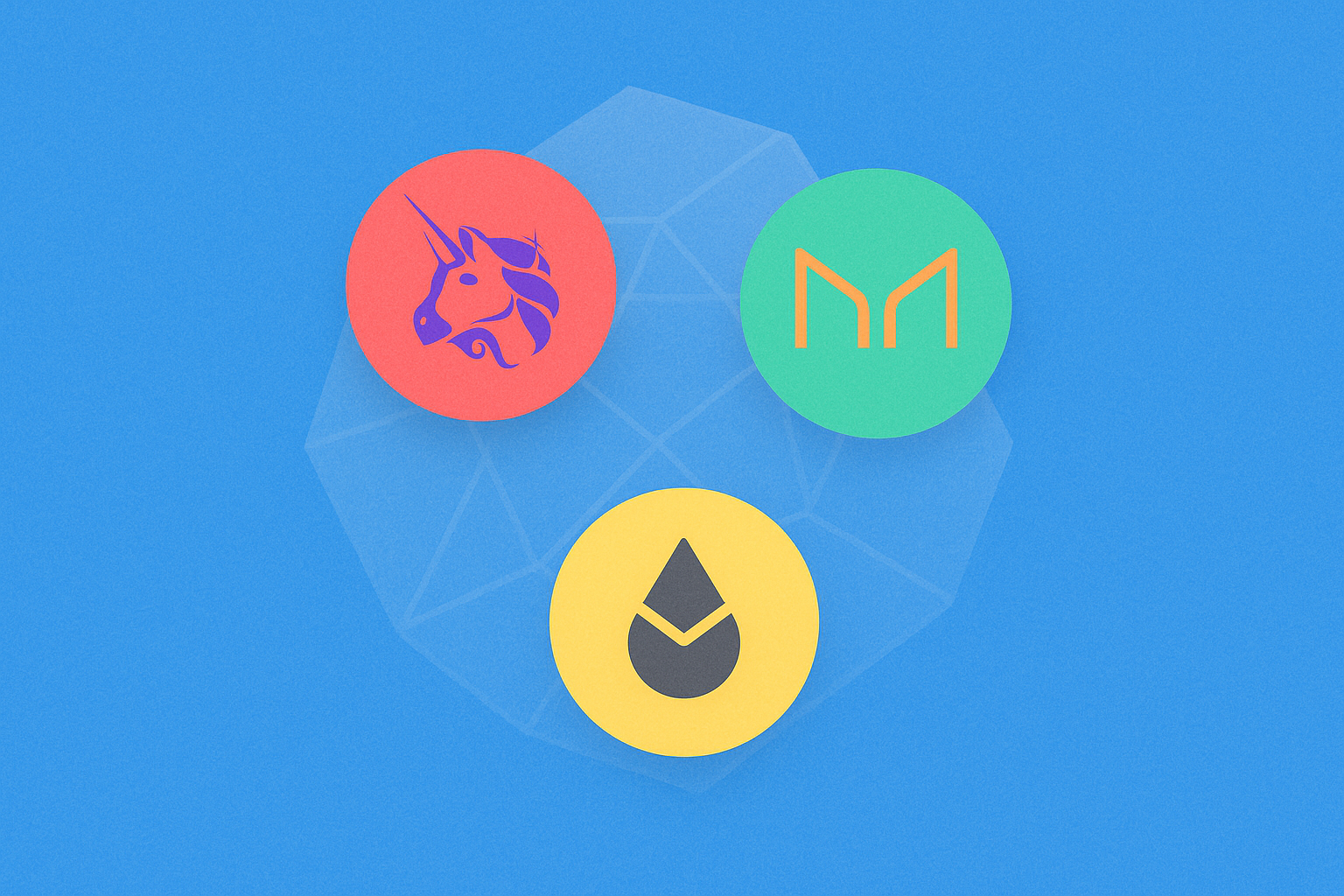
- A leading decentralized exchange on Ethereum
- A crypto lending platform
- The token behind a popular stablecoin
- A dApp for creating human-readable domain names for crypto wallets
Conclusion
Governance tokens represent a significant step towards true decentralization in the digital asset space. By enabling direct user participation in decision-making processes, they embody the core principles of blockchain technology. While challenges remain, particularly regarding potential centralization and scalability issues, governance tokens continue to play a crucial role in shaping the future of decentralized finance and Web3 ecosystems as of 2025.
FAQ
What is a governance token in crypto?
A governance token in crypto gives holders voting rights on protocol decisions, allowing them to shape the future of a project. It's a way for users to participate in decentralized governance.
Are governance tokens worth anything?
Yes, governance tokens can be valuable. They grant voting rights in decentralized protocols, potentially influencing project direction and earning rewards. Their worth often correlates with the project's success and adoption.
Can governance tokens be sold?
Yes, governance tokens can be sold on various cryptocurrency exchanges and decentralized platforms, allowing holders to trade them for other digital assets or fiat currencies.
What is the difference between utility and governance tokens?
Utility tokens provide access to a product or service, while governance tokens grant voting rights in a project's decision-making process. Utility tokens focus on functionality, governance tokens on participation.

How to Measure Crypto Community Engagement and Ecosystem Vitality?
How to Measure Crypto Community and Ecosystem Activity: Twitter Followers, Developer Contributions, and DApp Growth in 2026
Understanding Decentralized Autonomous Organizations (DAOs)

Understanding ENS Domains and Their Role in the Ethereum Name Service
Explore Ethereum Name Service for Your Unique Digital Identity

Secure Blockchain Identity Verification: A Human-Centric Approach
Can I Deposit Bitcoin Into My Bank Account?

What Happens When You Get Liquidated in Crypto
Can I Send Bitcoin from Venmo to Another Wallet?

How Long is the Cooldown for Security Contracts

Do I Have to Verify My Identity on Cash App?