
LCP_hide_placeholder
fomox
MarketsPerpsSpotSwapMeme Referral
More
Smart Money Recruitment
Search Token/Wallet
/

Forced Liquidation

2026-01-22 01:27:35
Crypto Loans
Crypto Trading
DeFi
Futures Trading
Article Rating : 4.5
half-star
177 ratings
This comprehensive guide explains forced liquidation in cryptocurrency trading on platforms like Gate, covering essential concepts for leveraged traders. Forced liquidation occurs when a trader's collateral falls below maintenance requirements, automatically closing positions to protect lenders. The article explores how liquidation works through practical examples, demonstrating the inverse relationship between leverage and liquidation price. Key sections include calculation methods using platform tools, risk management strategies such as stop-loss orders and position sizing, and comparisons with traditional finance liquidation. The guide provides actionable insights on maintaining adequate collateral, monitoring margin ratios, and using proper risk management techniques. Additionally, an FAQ section addresses common concerns about liquidation consequences, avoidance strategies, and loss calculations, making it essential reading for anyone engaging in leveraged cryptocurrency trading.
Forced Liquidation

What is Forced Liquidation?

Forced liquidation refers to an involuntary conversion of assets into cash or cash equivalents, such as stablecoins. It represents a critical risk management mechanism in leveraged trading that creates market orders to automatically exit positions when specific conditions are met. The term liquidation simply means selling assets for cash, but forced liquidation distinguishes itself by occurring automatically rather than at the trader's discretion.

In the context of cryptocurrencies, forced liquidation happens when an investor or trader is unable to fulfill the margin requirements for a leveraged position. This mechanism protects lenders and exchanges from potential losses by ensuring that borrowed funds are recovered before a position's value falls below the borrowed amount. The concept of liquidation applies to both futures contracts and margin trading across various cryptocurrency platforms.

Understanding forced liquidation is essential for anyone engaging in leveraged trading, as it directly impacts risk management strategies and can result in the complete loss of invested capital. Unlike voluntary liquidation where traders choose to close positions, forced liquidation removes control from the trader's hands, making it a critical consideration before entering any leveraged position.

How Forced Liquidation Works

When trading with leverage, the liquidation price becomes a crucial metric that requires constant monitoring. The relationship between leverage and liquidation price is inverse: the higher the leverage used, the closer the liquidation price moves to your entry point. This proximity creates a narrower margin for error and increases the risk of forced liquidation.

Let's examine a practical example to illustrate this mechanism. Suppose you start with $50 in capital and enter a leveraged long position in the BTC/USDT market with 10x leverage. Your total position size becomes $500, consisting of your $50 initial capital plus $450 in borrowed funds. If Bitcoin's price decreases by 10%, your position value drops to $450. image_url At this point, your entire initial capital has been wiped out, and any further losses would begin to affect the borrowed funds.
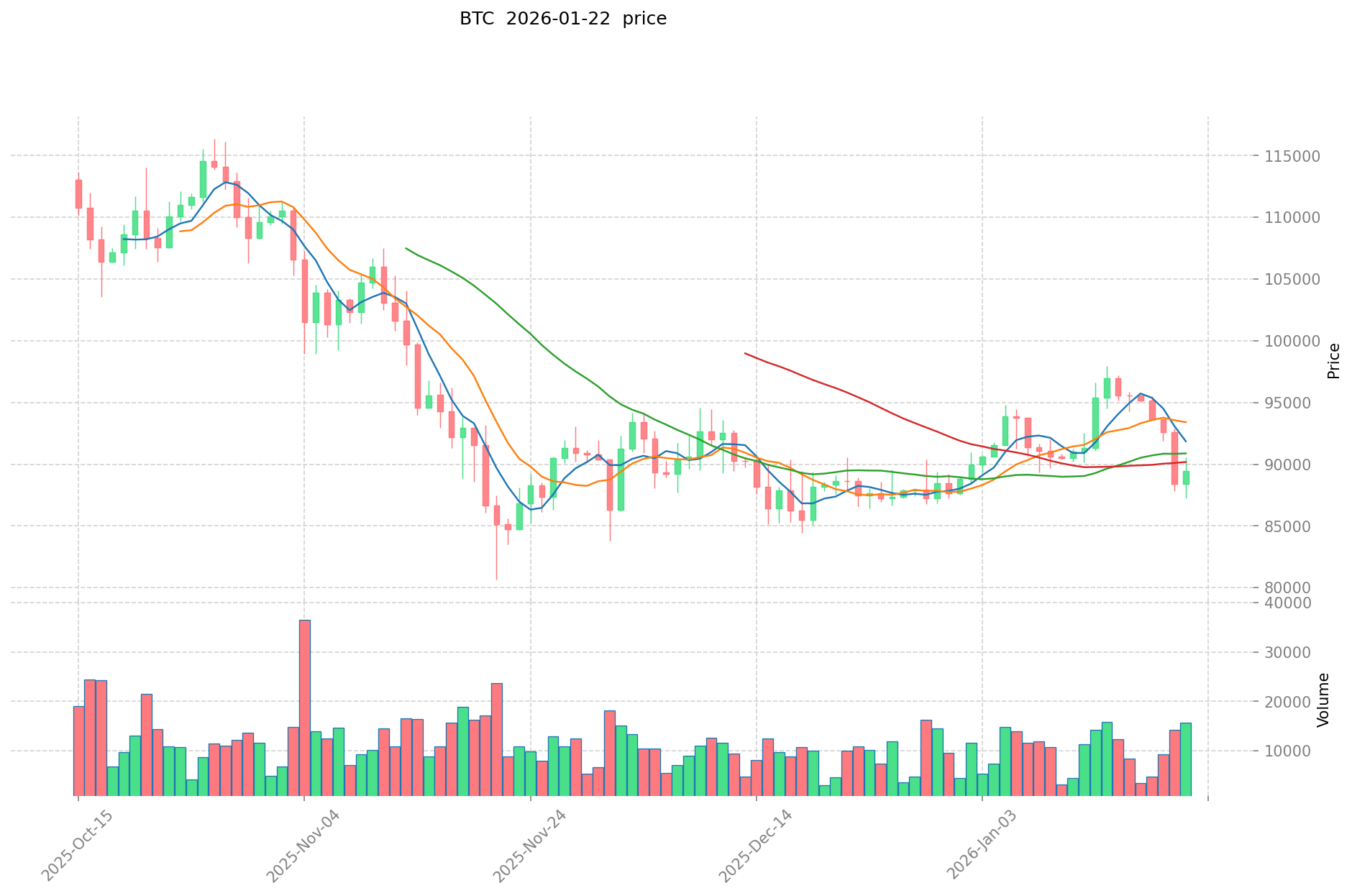
The lender of those funds, whether an exchange or other traders, will not risk incurring losses on your behalf. Therefore, they automatically liquidate your position to protect their capital. This means the position is forcibly closed, and you lose your initial investment of $50. The liquidation occurs before the borrowed funds are at risk, ensuring the lender can recover their capital.

Forced liquidation typically incurs an additional liquidation fee, which varies across different platforms. This fee exists to incentivize traders to manually close their positions before automatic liquidation becomes necessary. By closing positions voluntarily, traders can avoid these additional fees and potentially preserve more of their capital. Understanding these mechanics emphasizes the importance of proper risk management and position sizing when trading with leverage.

Calculating Liquidation Risk

Many trading platforms provide tools to help traders calculate their liquidation price before entering a position. Leading exchanges offer handy calculators that allow users to determine their potential Profit and Loss (PnL), target price, and liquidation price in advance. These tools are invaluable for risk assessment and position planning.

Calculating your liquidation price involves understanding several key factors: your entry price, leverage ratio, position size, and the maintenance margin requirements of your chosen platform. The liquidation price represents the threshold at which your position's equity falls to the maintenance margin level, triggering automatic closure. By knowing this price point beforehand, traders can make informed decisions about position sizing and leverage selection.

Risk management strategies should include setting stop-loss orders well above the liquidation price to maintain control over position exits. Additionally, traders should consider using lower leverage ratios to create a larger buffer between their entry price and liquidation price. This approach provides more room for market volatility and reduces the likelihood of forced liquidation due to normal price fluctuations.

Monitoring your position's margin ratio in real-time is equally important. Most platforms display this information prominently, allowing traders to add additional margin if their position approaches the liquidation threshold. Proactive margin management can prevent forced liquidation and preserve trading capital during volatile market conditions.

Liquidation in Traditional Finance

In more traditional financial settings, liquidation carries a broader meaning beyond leveraged trading. The term is commonly used in the context of bankruptcy procedures, where an entity is legally forced to convert their assets into liquid forms, typically cash. This process involves selling off company assets to repay creditors and stakeholders according to a predetermined priority structure.

Traditional financial liquidation differs from cryptocurrency forced liquidation in several ways. In bankruptcy liquidation, the process is typically overseen by legal authorities and follows established regulatory frameworks. The timeline is usually longer, and the process involves multiple stakeholders including courts, creditors, and bankruptcy trustees. In contrast, cryptocurrency forced liquidation occurs instantaneously and automatically based on predefined smart contract rules or exchange algorithms.

Despite these differences, both forms of liquidation share a common purpose: converting assets to cash to settle obligations and manage risk. Understanding liquidation across different financial contexts helps traders appreciate the importance of maintaining adequate collateral and managing leverage responsibly, whether in traditional markets or cryptocurrency trading environments.

FAQ

What is Forced Liquidation? How does it happen?

Forced liquidation occurs when a trader's collateral value falls below maintenance requirements. The position is automatically closed by the system to prevent further losses. It happens when asset prices drop significantly, triggering automatic position closure at market price.

Why is forced liquidation triggered? What are the specific consequences of insufficient margin?

Forced liquidation occurs when your margin ratio falls below the maintenance requirement due to unfavorable price movements. Consequences include: automatic position closure at market price, loss of remaining collateral, and account suspension until margin is restored.

How to avoid forced liquidation? What are some risk management strategies?

Maintain adequate collateral ratios above minimum requirements, set stop-loss orders, monitor positions regularly, diversify holdings, use proper position sizing, and reduce leverage during high volatility. Keep cash reserves for margin calls and adjust strategies based on market conditions.

After forced liquidation, how much loss will I incur? Do I need to compensate?

Your loss equals the difference between liquidation price and entry price. If collateral covers the debt, no additional compensation needed. Losses depend on leverage used and market movement at liquidation time.

What is the difference between forced liquidation and normal position closing?

Forced liquidation occurs when collateral value drops below maintenance requirements,automatically closing positions at market price. Normal closing is voluntary,allowing traders to exit at chosen prices with full control over timing and execution.

How is the liquidation price calculated in margin trading?

Liquidation price is calculated based on your collateral ratio and leverage. It's the price level where your position's losses equal your margin, triggering automatic liquidation. Formula: Liquidation Price = Entry Price × (1 - Collateral Ratio / Leverage). Monitor this closely to manage risk.

* The information is not intended to be and does not constitute financial advice or any other recommendation of any sort offered or endorsed by Gate.

Share

Content

What is Forced Liquidation?

How Forced Liquidation Works

Calculating Liquidation Risk

Liquidation in Traditional Finance

FAQ

Related Articles
Leverage

Leverage

Discover what leverage means in crypto and how to use it on Gate for margin trading. This comprehensive guide covers risk management, trading strategies, and an FAQ tailored for both novice and advanced traders.
2026-01-02 11:07:39
Liquidation

Liquidation

Discover everything you need to know about liquidation in cryptocurrency on Gate—including the definition of position liquidation, strategies to avoid liquidation in margin trading, liquidation thresholds, and associated risks in DeFi protocols. This is a complete guide for traders and investors.
2026-01-03 13:05:56
Liquidation

Liquidation

# Understanding Liquidation in Cryptocurrency Trading This article provides a comprehensive guide to liquidation—a critical mechanism in both traditional finance and crypto markets. Designed for traders, investors, and business stakeholders, it explains how liquidation works across different sectors and, specifically, on platforms like Gate. The content covers historical evolution, liquidation types (voluntary and compulsory), market impacts, and practical risk management strategies. Readers will learn liquidation triggers, asset disposal processes, and protection mechanisms while discovering essential techniques to prevent forced liquidation through margin monitoring and stop-loss management. Whether navigating corporate restructuring or derivatives trading, this resource equips you with actionable insights for informed financial decision-making.
2026-01-04 03:11:04
Understanding Perpetual Swap Trading: A Comprehensive Guide

Understanding Perpetual Swap Trading: A Comprehensive Guide

This article provides a comprehensive guide to understanding perpetual swap trading in cryptocurrencies. It explains the nature and advantages of perpetual contracts, such as their indefinite duration and ability to trade with leverage, offering flexibility in hedging and speculation. Targeting both seasoned and novice traders, it addresses the benefits and risks of perpetual swaps, emphasizing the importance of margin management and the funding rate mechanism. Structured to cover crypto derivatives, perpetual contracts, and futures, it ensures clarity and rapid readability, allowing traders to make informed decisions.
2025-12-02 12:01:39
Understanding the Mechanics of Perpetual Swaps

Understanding the Mechanics of Perpetual Swaps

The article explores the intricacies of perpetual swaps, a transformative aspect of cryptocurrency trading. It defines key concepts like perpetual contracts and crypto derivatives, illustrating their strategic benefits in risk management and profit generation. Aimed at experienced traders and investors, it details mechanics like margin requirements, leverage, and funding rates, while also warning about inherent risks such as liquidation and complexity. With structured insights into how perpetual swaps operate and their advantages, this piece serves as a comprehensive guide for understanding these complex financial instruments.
2025-12-06 10:18:03
What Are the Key Security Risks and Incidents Affecting ASTER in 2025?

What Are the Key Security Risks and Incidents Affecting ASTER in 2025?

The article examines key security risks and incidents impacting ASTER in 2025, focusing on a critical XPL perpetual contract glitch that caused a dramatic price spike to $4. It explores the root cause of the malfunction, its immediate consequences, and ASTER's responsive crisis management strategy, including full USDT reimbursements to affected users within hours. Additionally, the text highlights ASTER's resilience, showcasing a record $10.4 billion trading volume despite the incident. This comprehensive analysis targets traders and stakeholders interested in ASTER's operational integrity and risk management capabilities.
2025-12-06 03:00:40
Recommended for You
Who Funds Redacted: Unveiling the Mystery Behind Financial Backing in Cryptocurrency Projects
Who Funds Redacted: Unveiling the Mystery Behind Financial Backing in Cryptocurrency Projects

This article explores the complex funding landscape behind redacted cryptocurrency projects, examining how these enigmatic initiatives raise capital while maintaining operational opacity. It analyzes diverse funding sources including private investors, venture capital firms, government agencies, and decentralized community mechanisms, each presenting distinct advantages and risks. The article highlights how undisclosed financial backing shapes project governance, influences technical priorities, and creates information asymmetries between connected participants and retail investors. By evaluating funding implications through Gate and other analytical frameworks, the piece provides critical insights into assessing project legitimacy and long-term viability in the evolving crypto ecosystem, while addressing regulatory tensions and the ongoing balance between privacy and transparency in blockchain financing.
2026-01-22 05:10:16
What is a Spot ETF Explained

What is a Spot ETF Explained

This comprehensive guide explores spot ETFs, exchange-traded funds that directly hold physical assets like stocks, bonds, and commodities. Unlike synthetic ETFs using derivatives, spot ETFs offer transparency, eliminate counterparty risk, and provide straightforward asset ownership. The article explains how spot ETFs work through authorized participants, their creation-redemption mechanism, and trading on exchanges like stocks. Key benefits include instant diversification, lower expense ratios, intraday trading flexibility, and tax efficiency compared to mutual funds. Investors should consider market volatility, tracking error, liquidity variations across different funds, and tax implications before investing. Whether seeking broad market exposure or commodity investments, spot ETFs serve as cost-effective, transparent tools for building diversified portfolios with regulatory oversight and enhanced investor protection.
2026-01-22 05:05:01
Can Stellar Lumens Reach $100?

Can Stellar Lumens Reach $100?

This comprehensive guide examines whether Stellar Lumens (XLM) can realistically achieve a $100 price target through rigorous analysis of technological infrastructure, market dynamics, and adoption trends. Designed for investors, crypto enthusiasts, and financial professionals, the article explores XLM's unique advantages in cross-border payments, institutional partnerships, and financial inclusion initiatives. It evaluates the mathematical requirements for reaching $100, analyzes historical price performance and market factors, and assesses both opportunities and challenges in Stellar's evolution. The piece provides actionable insights into network adoption metrics, tokenomics, and macroeconomic influences that could drive future appreciation. Readers will gain a realistic understanding of XLM's long-term potential while learning to distinguish between speculative targets and fundamental value drivers in cryptocurrency investment decisions.
2026-01-22 05:02:27
What is the fundamentals analysis of a cryptocurrency project: whitepaper logic, use cases, technology innovation, roadmap progress, and team background explained
What is the fundamentals analysis of a cryptocurrency project: whitepaper logic, use cases, technology innovation, roadmap progress, and team background explained

This article provides a comprehensive framework for fundamental analysis of cryptocurrency projects across five critical dimensions. Learn how to evaluate whitepaper economics, assess real-world use cases and adoption potential, analyze technological differentiation and competitive advantages, measure roadmap execution and team track record, and compare similar projects. By examining these interconnected layers—from token economics to institutional-grade applications—investors can identify projects with sustainable business models and genuine market demand. The guide demonstrates how projects like Ondo Finance leverage on-chain technology and institutional partnerships to build credible value propositions. Whether you're evaluating trading opportunities on Gate or conducting investment research, this fundamental analysis framework helps distinguish between speculative ventures and projects with proven execution capability, transparent governance, and measurable ecosystem growth.
2026-01-22 03:56:54
How does macroeconomic policy and inflation impact cryptocurrency prices in 2026
How does macroeconomic policy and inflation impact cryptocurrency prices in 2026

This article examines how macroeconomic policy and inflation dynamics directly impact cryptocurrency prices in 2026. It explores Federal Reserve monetary policy transmission mechanisms, demonstrating how interest rate decisions and quantitative tightening affect Bitcoin and Ethereum valuations through liquidity contraction and increased discount rates. The analysis reveals cryptocurrency's correlation with Consumer Price Index data, positioning digital assets as inflation hedges alongside traditional commodities. Additionally, the article tracks traditional finance spillovers from S&P 500 and gold movements as leading indicators for crypto volatility. Key insights demonstrate that tighter monetary conditions typically pressure crypto prices, while elevated inflation may support digital assets as hedges. For traders and portfolio managers, understanding these macroeconomic relationships through CPI releases, Fed policy signals, and equity market movements provides essential predictive frameworks for positionin
2026-01-22 03:55:08
What is the difference between competing cryptocurrencies in the same blockchain sector

What is the difference between competing cryptocurrencies in the same blockchain sector

This comprehensive guide explores the critical differences between competing cryptocurrencies within the same blockchain sector. It examines performance metrics including transaction speed, throughput, and network efficiency that determine platform viability. The article analyzes market adoption indicators such as market capitalization trends, trading volumes, and user growth rates to assess project maturity. It highlights differentiation strategies through unique technological innovations like Fully Homomorphic Encryption and ecosystem development that create sustainable competitive advantages. Finally, it tracks market share dynamics showing how emerging challengers reshape competitive positions against established players. Whether you're evaluating blockchain investments, selecting platforms on Gate for trading, or comparing infrastructure solutions, this guide provides essential metrics and insights to understand how cryptocurrencies differentiate themselves and compete within specific blockchain sectors.
2026-01-22 03:53:22