How Much XRP Is in Wallets: Insights & Data


How Much XRP Is in Wallets: A Deep Dive for Beginners
Have you ever wondered how much XRP is stored in wallets across the cryptocurrency ecosystem? In the world of digital assets, XRP stands as one of the most widely adopted cryptocurrencies, powering efficient cross-border payments and robust blockchain applications. Understanding how much XRP is stored in wallets helps users, investors, and researchers better grasp XRP's distribution patterns and market dynamics.
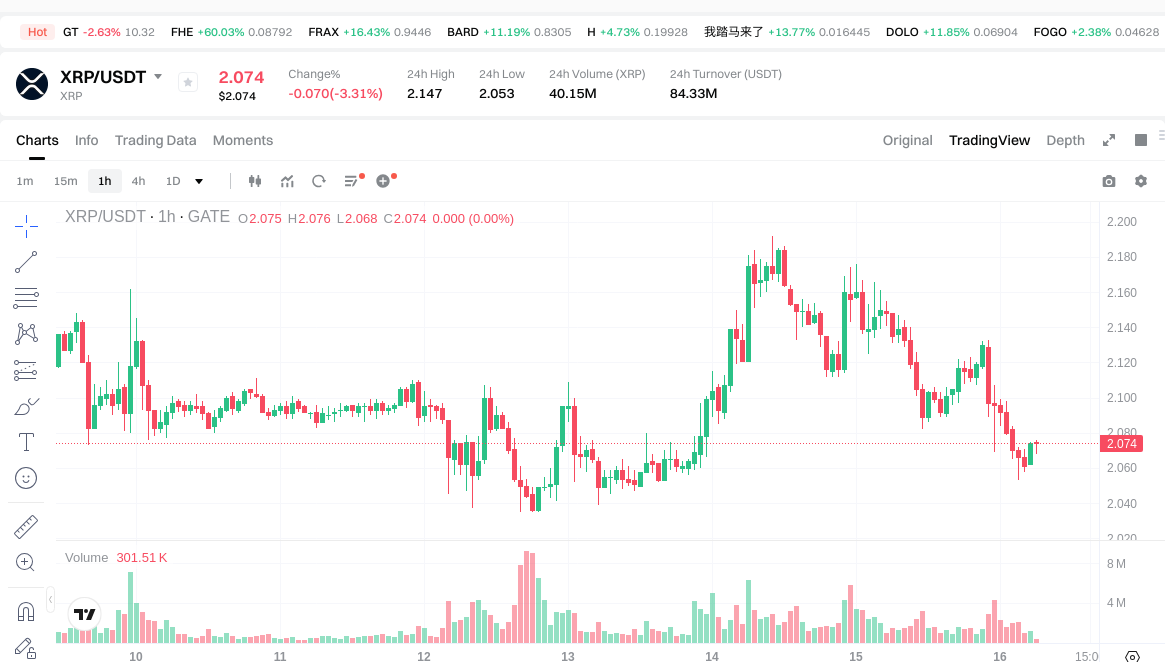
The question of wallet holdings is particularly important for XRP because it reveals not just the quantity of tokens in circulation, but also the health and growth trajectory of the XRP Ledger ecosystem. By examining wallet distribution data, stakeholders can identify trends in adoption, assess market concentration risks, and make more informed decisions about their XRP holdings.
Understanding XRP Wallet Distribution
When exploring the question of how much XRP is in wallets, it's essential to clarify what a "wallet" means in the cryptocurrency context. A wallet is any software or hardware device that stores private keys, enabling users to send and receive XRP securely. Wallets serve as the fundamental infrastructure for XRP usage, whether they belong to individual retail investors, institutional holders, or cryptocurrency exchanges.
Key Distribution Metrics:
In recent periods, there are over 4.7 million funded XRP wallets, according to data from XRPScan and Messari. This represents a significant milestone in XRP adoption, demonstrating the broad reach of the XRP Ledger across different user segments and geographical regions.
The total supply of XRP is capped at 100 billion tokens, but not all XRP is actively circulating or held in accessible wallets. Large portions remain in escrow—a secure holding mechanism designed to ensure long-term supply stability and prevent sudden market flooding. This escrow system is a unique feature of XRP's tokenomics, distinguishing it from many other cryptocurrencies.
Currently, approximately 54 billion XRP is held in wallets, reserves, or exchange balances that are accessible for transactions. The remaining 46 billion coins are locked in Ripple's escrow system, which releases predetermined amounts monthly according to a transparent schedule.
XRP Allocation Breakdown:
| Category | Estimated XRP Amount (Billion) |
|---|---|
| Total XRP Supply | 100 |
| XRP in Escrow | 46 |
| XRP in Circulating Wallets | 54 |
This distribution model creates a unique dynamic where the circulating supply grows gradually over time, theoretically reducing volatility while maintaining long-term value. The escrow mechanism also provides transparency, as all release schedules are publicly visible on the XRP Ledger, allowing market participants to anticipate supply changes.
Different types of wallets serve different purposes within the XRP ecosystem. Hardware wallets like Ledger and Trezor offer maximum security for long-term holders, while software wallets such as XUMM and Toast Wallet provide convenient access for regular transactions. Exchange wallets, though custodial in nature, facilitate trading and liquidity provision. Understanding these wallet types helps explain the varied distribution patterns observed in XRP holdings.
Recent Trends in XRP Wallet Activity
XRP wallet distribution and balances are dynamic, constantly evolving in response to market conditions and ecosystem developments. In recent times, several factors have driven significant fluctuations in how much XRP is held in wallets:
Price-Driven Wallet Activity:
When XRP's price experiences substantial movements, user behavior shifts noticeably. During price surges, more users create new wallets or transfer their holdings from exchanges to self-custody solutions, seeking greater security and autonomy over their assets. This pattern reflects a broader trend in cryptocurrency markets where rising prices correlate with increased awareness of security best practices.
For example, during periods of strong price appreciation, on-chain data typically shows a spike in wallet activations and a corresponding decrease in exchange balances. This suggests that investors are moving from a trading mindset to a longer-term holding strategy, which is generally considered a bullish indicator for the asset.
Network Development Impact:
Technological upgrades significantly influence wallet creation and activity patterns. The introduction of the XLS-20 standard, which enables NFT functionality on the XRP Ledger, attracted a new wave of users to the ecosystem. These users created wallets specifically to interact with NFT marketplaces and digital collectibles, expanding the use cases for XRP beyond its traditional payment-focused applications.
Similarly, improvements in wallet user interfaces and the development of decentralized applications (dApps) on the XRP Ledger have made it easier for non-technical users to create and manage wallets. This accessibility has contributed to steady growth in the total number of funded wallets over time.
Regulatory Developments and Market Response:
Legal and regulatory news surrounding Ripple Labs has historically triggered notable changes in wallet activity. Positive developments in ongoing legal cases have led to spikes in both new wallet creations and token transfers, as users react to reduced regulatory uncertainty and perceived new opportunities.
On-chain analytics providers like Nansen and Glassnode reported increased wallet activity following favorable regulatory updates in recent periods. More users are opting for self-custody using Web3 wallets, reflecting growing confidence in XRP's long-term viability and a desire for greater control over digital assets.
The shift toward self-custody also indicates maturation of the XRP user base. As investors become more sophisticated, they recognize the importance of controlling their private keys rather than relying solely on centralized exchange custody. This trend aligns with the broader "not your keys, not your coins" philosophy that has gained prominence throughout the cryptocurrency industry.
Who Holds the Most XRP?
XRP ownership exhibits significant concentration among a relatively small number of wallets, a characteristic common to many cryptocurrencies but particularly pronounced in XRP's case. These large holders fall into three main categories:
Founder and Early Team Wallets:
Ripple Labs founders and early team members received substantial XRP allocations during the network's inception. Some of these holdings are now locked in contractual agreements or distributed through time-released escrow mechanisms. These structured releases help prevent sudden market impacts while allowing founders to benefit from their early contributions to the project.
The transparency of these founder holdings has been both a point of criticism and praise. Critics argue that concentrated founder ownership creates centralization risks, while supporters note that the public visibility of these wallets allows the community to monitor any significant movements or sales.
Exchange Wallets:
Major cryptocurrency exchanges maintain large XRP balances on behalf of their users. These custodial wallets often rank among the largest XRP holders, though the actual ownership is distributed across millions of individual exchange users. Exchange wallets serve as liquidity hubs, facilitating trading and enabling quick transactions without requiring on-chain movements for every trade.
The size of exchange wallets provides insights into market sentiment. When XRP flows into exchanges, it may signal increased selling pressure as users prepare to trade. Conversely, outflows from exchanges to private wallets typically indicate accumulation and long-term holding intentions.
Regular User Wallets:
The vast majority of wallet addresses hold relatively small amounts of XRP. This creates a "long tail" distribution where millions of accounts hold less than 500 XRP each, representing retail investors, casual users, and individuals experimenting with cryptocurrency for the first time.
Wallet Distribution Breakdown:
- 90% of wallets hold less than 5,000 XRP
- 9% hold between 5,000–1 million XRP
- 1% hold more than 1 million XRP
This concentration pattern means that movements by large holders—often called "whales"—can have outsized effects on market trends and liquidity. When a whale wallet moves significant amounts of XRP, it can trigger price volatility and influence market sentiment. Monitoring whale activity has become a standard practice among XRP traders and analysts seeking to anticipate market movements.
The behavior of these different holder categories reveals distinct patterns. Large institutional holders tend to make infrequent but significant transactions, often related to strategic positioning or liquidity management. Mid-sized holders typically exhibit more active trading behavior, responding to technical indicators and market news. Small retail wallets show the most diverse behavior, ranging from long-term holding to frequent small transactions.
How Is XRP in Wallets Tracked?
The transparent nature of blockchain technology makes it possible to track and analyze XRP wallet holdings with remarkable precision. Public blockchain explorers provide real-time visibility into wallet balances, transaction histories, and network activity, offering valuable insights for researchers, investors, and everyday users.
Blockchain Explorer Tools:
Public explorers like Bithomp and XRPScan offer comprehensive tracking capabilities, including:
- Real-time Wallet Monitoring: Users can observe new wallet creations as they happen, providing insights into adoption trends and network growth.
- Balance Changes and Large Transfers: Significant movements of XRP between wallets are immediately visible, allowing observers to track whale activity and potential market-moving transactions.
- Analytics by Address Type: Advanced classification systems categorize wallets as private, exchange-related, or smart contract addresses, enabling more nuanced analysis of different participant behaviors.
These tools democratize access to blockchain data, allowing anyone with internet access to verify information and conduct independent research. This transparency is a fundamental principle of cryptocurrency, distinguishing it from traditional financial systems where such detailed information is typically unavailable to the public.
Professional Analytics Platforms:
Research teams at specialized firms like Messari and Dune Analytics routinely publish reports and interactive dashboards summarizing wallet size distributions, growth trends, and whale activity patterns. These professional-grade analytics provide context that raw blockchain data alone cannot offer, such as:
- Historical comparisons showing how wallet distribution has evolved over time
- Correlation analysis linking wallet activity to price movements and market events
- Segmentation studies identifying behavioral patterns among different holder categories
- Network health metrics assessing the overall vitality of the XRP ecosystem
Understanding these analytical trends gives everyday users better context for interpreting XRP's price movements and evaluating updates from Ripple Labs. For instance, if analytics show increasing numbers of wallets holding XRP for extended periods without trading, this might indicate growing confidence in the asset's long-term value proposition.
The combination of public blockchain explorers and professional analytics platforms creates a comprehensive ecosystem for tracking XRP wallet activity. This multi-layered approach to data analysis helps market participants make more informed decisions, whether they're considering initial investments, managing existing holdings, or conducting academic research on cryptocurrency adoption patterns.
FAQ
How Much XRP Is Currently Held in Various Types of Wallets?
Approximately 500 million XRP is held across eight major wallets, with the top four controlling over half the total. More than 6.6 million active XRP wallets exist, though many hold minimal amounts or remain dormant.
What is the total supply of XRP and how much has been activated for use?
XRP has a fixed total supply of 100 billion tokens. Over 59 billion XRP are currently in circulation and activated, while approximately 38 billion remain held in Ripple's escrow accounts.
How is XRP distribution among holders? What proportion do large holders (whale wallets) possess?
Top 100 addresses control approximately 68% of circulating XRP supply, indicating highly concentrated distribution. Whales dominate XRP holdings, while retail investors hold relatively smaller positions in the ecosystem.
Ripple公司官方钱包中还有多少XRP?
Ripple公司官方钱包中持有50亿枚XRP。这是Ripple托管的总量,不包括其他持有者的XRP资产。
Is the number of XRP wallet addresses growing? What does this reflect?
Yes, XRP wallet addresses are growing, but this doesn't necessarily indicate sustained adoption. Rapid address increases may result from promotional activities or short-term speculation rather than genuine long-term usage.
How to view real-time data and distribution of XRP wallets?
You can use FiatLeak to monitor XRP transaction volumes with visual analytics, and Ledger Exposed to track XRP distribution across accounts, providing insights into wallet holdings and market concentration.
What is the distribution ratio of XRP between exchange wallets and non-custodial wallets?
XRP is primarily held in custodial wallets, with Ripple controlling approximately 1.96% of total supply. Non-custodial wallets hold a smaller percentage, while custodial wallets dominate the overall distribution.
What is the liquidity of XRP? How much XRP is truly tradable in the market?
XRP maintains strong market liquidity, primarily used in cross-border payments and DeFi platforms. Tradable XRP volume is concentrated on major exchanges, with actual circulating supply constantly fluctuating based on market demand and transaction activity.

Secure Solutions for Protecting Crypto Assets

How Active is XRP's Community and Ecosystem in 2025?
Secure Digital Asset Storage Solutions: The Future of Crypto Custody

Top Choices for Decentralized Crypto Wallets
How Active Is XRP's Community and Ecosystem in 2025?

How Does XRP's On-Chain Data Reveal Its Market Position in 2025?

How to Send BTC on Cash App
How does on-chain data analysis reveal Bitcoin Cash (BCH) network activity, active addresses, and whale movements in 2026?
How to Redeem Physical Bitcoin: A Comprehensive Guide
What are the key crypto derivatives market signals revealing about future price movements: futures open interest, funding rates, long-short ratio, options contracts, and liquidation data explained

What is Lombard BARD token and how does its DeFi infrastructure solve Bitcoin yield generation