

LCP_hide_placeholder
fomox
Search Token/Wallet
/

Metaverse Technologies
2026-01-08 13:16:30
Blockchain
GameFi
Metaverse Crypto
NFTs
Web 3.0
Article Rating : 3
38 ratings
Explore metaverse innovations: future technologies, cryptocurrency and web3 applications, and blockchain integration. This guide is designed for developers, investors, and users. Trade metaverse tokens on Gate.
Metaverse Technologies

Prerequisites for Metaverse Technology

At its most fundamental level, the Metaverse is a digital universe that unites multiple realities—physical, virtual, and augmented—within a single, networked ecosystem. It comprises shared virtual spaces, created through the convergence of physical and virtual technologies, allowing users to move seamlessly between various digital environments.

The term "metaverse" was first coined by Neal Stephenson in his 1992 science fiction novel "Snow Crash," where people, as avatars, interact with each other and with software agents in a three-dimensional virtual world. Since then, the concept has evolved from literary fiction into technological reality. Today, Metaverse technology refers to a fully immersive digital space where users can interact in real time, create content, conduct economic transactions, and build social connections.

A pivotal milestone in the technology's evolution was the decision by major tech companies to invest in this sector. Notably, Facebook rebranded as Meta, signaling its strategic shift toward developing Metaverse technologies. This transformation demonstrates the market's growing interest and the surge in investment from both tech giants and startups in the Metaverse concept.

Applications of Metaverse Technology

The Metaverse presents a broad spectrum of potential applications spanning nearly every aspect of human activity. These applications highlight the technology's versatility and transformative power:

Social Interaction: Social platforms built on the Metaverse enable users to gather and interact virtually in fully immersive environments. Unlike traditional social networks, users can experience each other's presence through avatars, gestures, and spatial audio, delivering a more natural and engaging form of communication.

Entertainment and Gaming: Virtual reality (VR) and augmented reality (AR) gaming are among the most developed segments of the Metaverse. Gamers can not only play but also build their own game worlds, monetize their creations, and participate in virtual economies.

Education and Learning: Virtual classrooms for remote learning and virtual campus tours open up new educational possibilities. Students can visit historical sites, perform scientific experiments in virtual labs, or study anatomy with interactive 3D models, greatly enhancing educational quality and accessibility.

E-commerce: Online stores with VR showrooms let shoppers "experience" products before buying. Users can try on clothing with their avatars, examine products from every angle, or even test digital versions of real-world items.

Work and Collaboration: Virtual workspaces for teamwork and remote collaboration are emerging as alternatives to traditional offices. Teams can hold meetings in virtual conference rooms, collaborate on projects in shared digital environments, and use three-dimensional data visualization tools.

Market Impact of Metaverse Technology

Metaverse technology is reshaping the global market, creating new economic opportunities and transforming established business models. Analysts project exponential growth for the Metaverse market, with valuations rising from tens of billions to hundreds of billions of dollars within a few years.

This expansion signals a bold new investment landscape filled with untapped opportunities for both businesses and individuals. Companies across sectors—from real estate and fashion to education and entertainment—are actively exploring ways to integrate Metaverse technologies into their strategies.

New professions and specialties are emerging in the development, design, and management of virtual spaces. The markets for virtual real estate, digital assets, and Metaverse-based services are generating new revenue streams for content creators, developers, and entrepreneurs. Investments in Metaverse tech are also driving progress in related industries such as VR/AR hardware, cloud computing, and high-speed networking.

Latest Trends and Innovations in Metaverse Technology

One of the most prominent trends in Metaverse technology is its integration with blockchain and decentralized finance (DeFi). Blockchain delivers trust, transparency, and security in the Metaverse, empowering users with true ownership of digital assets through NFT (non-fungible token) mechanisms.

Decentralized finance enables seamless financial transactions in the Metaverse without traditional financial intermediaries. Users can buy, sell, lend, and invest in virtual assets using cryptocurrencies and smart contracts. This fosters a truly global and inclusive economy accessible to anyone with an internet connection.

Significant advancements are also being made in augmented and virtual reality. New generations of VR headsets are lighter, more affordable, and offer higher resolution and a broader field of view. Haptic feedback technology enables users to "feel" virtual objects, making the Metaverse even more immersive and interactive.

Artificial intelligence increasingly shapes dynamic and adaptive virtual environments. AI-powered characters interact naturally with users, while machine learning algorithms personalize each user's Metaverse experience.

Metaverse Tokens on Cryptocurrency Platforms

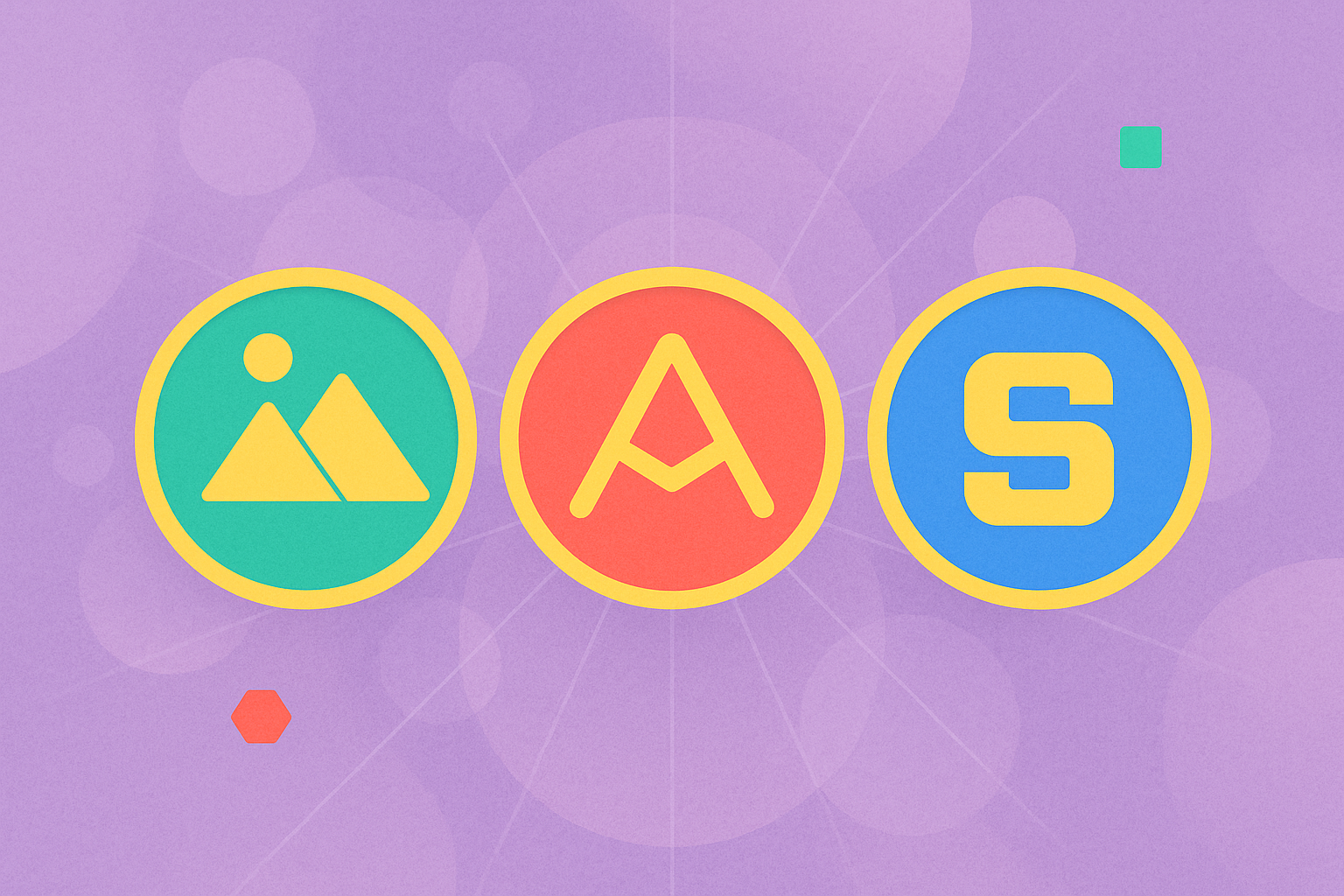
Tokens like Decentraland (MANA), Axie Infinity (AXS), and The Sandbox (SAND) are available for trading on top cryptocurrency platforms. These tokens are integral to their respective Metaverse ecosystems, granting holders a range of rights and opportunities.

Token holders gain voting power in platform development through decentralized governance (DAO) structures. They also access specific Metaverse services, purchase virtual real estate, create and monetize content, and participate in in-game economies.

Each project offers a distinctive approach to the Metaverse. Decentraland centers on building a decentralized, community-driven virtual world. Axie Infinity pioneered the "play-to-earn" model, enabling players to earn real income through gameplay. The Sandbox gives users powerful tools to create their own games and experiences within the platform.

Crypto trading platforms play a crucial role in the Metaverse ecosystem, providing liquidity and global access to these tokens. This enables investors and enthusiasts to participate in the Metaverse economy's growth and support innovative projects.

Conclusion

Metaverse technology is a rapidly expanding sector, offering extensive functional and economic opportunities for businesses, content creators, and everyday users alike. From social interaction to business operations, from education to entertainment, Metaverse technology is laying the foundation for a profound shift in how we perceive and engage with digital spaces.

The convergence of virtual reality, blockchain, artificial intelligence, and high-speed networking is unlocking unique avenues for innovation. The Metaverse is not just an evolution of the internet—it's a fundamental transformation of digital experience that dissolves the boundaries between physical and virtual worlds.

As the technology evolves and matures, embracing the Metaverse may prove critical for maintaining relevance in an increasingly digital society. Companies that successfully integrate Metaverse technologies into their strategies will secure a significant competitive edge. For individuals, the Metaverse opens new opportunities for self-expression, creativity, learning, and earning.

It's essential to recognize that Metaverse development is not a short-lived trend, but a long-term shift that will shape the future of the digital economy and society. Investing in understanding and mastering these technologies today can yield considerable rewards in the years ahead.

FAQ

What is the Metaverse? What are its core technological features?

The Metaverse is a virtual world that integrates 5G, the Internet of Things, big data, artificial intelligence, and blockchain. The cornerstone is blockchain, which enables distributed processing and secure, intermediary-free data exchange.

What key technologies are essential for the Metaverse, and what roles do VR, AR, AI, and blockchain play?

The Metaverse relies on four key technologies: AI powers intelligent interactions, VR and AR deliver immersive experiences, and blockchain secures data and builds trust within the ecosystem.

How do you access the Metaverse? What devices or platforms are required?

To enter the Metaverse, you'll need a VR/AR device or a smartphone. Select a platform like Meta Horizon Worlds, Sandbox, or VRChat, create an account, and join the community.

How do virtual assets and digital currencies function in the Metaverse?

Virtual assets and digital currencies in the Metaverse operate on blockchain technology. Users can buy and trade virtual items, land, and NFTs. All transactions are recorded on a distributed ledger, ensuring security and transparency. Digital currency is the medium of exchange for all activities.

What are the practical applications of the Metaverse, and how will its use evolve in gaming, education, and commerce?

The Metaverse is being applied in gaming, social networking, and industry. Core prospects include VR gaming, digital education, industrial simulations, and commercial platforms. However, widespread adoption depends on further technology development and more compelling applications.

What security and privacy risks exist on Metaverse platforms?

Metaverse platforms face threats such as cyberattacks, data breaches, and illegal activities. Technical vulnerabilities can be exploited to steal user information. Identity and behavioral data are particularly susceptible to misuse.

How does the Metaverse differ from virtual reality (VR) and augmented reality (AR)?

The Metaverse combines VR and AR technologies. VR fully immerses users in a digital environment, while AR overlays digital information onto the real world. The Metaverse leverages both to create an interconnected virtual experience.

What are the major Metaverse platforms today, and what are their distinguishing features?

Leading Metaverse platforms include Decentraland, Sandbox, and Roblox. Decentraland is a decentralized platform with virtual real estate. Sandbox emphasizes creativity and gaming. Roblox offers social interaction and user-generated content. Each platform has distinct ecosystems and monetization opportunities.

How is Metaverse technology advancing, and what technical challenges remain?

Metaverse technology is rapidly evolving, but must overcome challenges with bandwidth and computational resources. Key issues include network scalability, enhanced graphics, privacy protection, and standardizing protocols for cross-platform interaction.

How will the Metaverse impact the future of society, the economy, and the way we work?

The Metaverse will reshape social and economic frameworks through global connectivity, increased productivity, and innovation. It will create new opportunities in the digital economy, transform work and production, but requires effective regulation to balance virtual and physical realities.
* The information is not intended to be and does not constitute financial advice or any other recommendation of any sort offered or endorsed by Gate.

Share

Content

Prerequisites for Metaverse Technology

Applications of Metaverse Technology

Market Impact of Metaverse Technology

Latest Trends and Innovations in Metaverse Technology

Metaverse Tokens on Cryptocurrency Platforms

Conclusion

FAQ

Related Articles
What is OpenSea? Complete Guide to the Leading NFT Marketplace

What is OpenSea? Complete Guide to the Leading NFT Marketplace

# Comprehensive Guide to Understanding NFT Marketplaces OpenSea stands as the world's largest decentralized NFT marketplace, enabling users to buy, sell, and trade unique digital assets across multiple blockchain networks including Ethereum, Polygon, and Solana. This comprehensive guide equips beginners and experienced traders with essential knowledge about OpenSea's features, fee structure, security protocols, and practical trading strategies. From wallet setup and NFT purchasing to creating collections and navigating competitive advantages, the article addresses key questions for collectors, creators, and investors entering the digital asset space. With multi-blockchain support, user-friendly interfaces, and a thriving community of three million active users, OpenSea provides the infrastructure for exploring blockchain-based ownership and monetization opportunities. Whether you're an artist seeking new revenue streams, a collector building digital portfolios, or a curious investor, this guide delivers acti
2026-01-01 05:29:03
Understanding the NFT Creation Process: A Step-by-Step Guide

Understanding the NFT Creation Process: A Step-by-Step Guide

Explore the NFT creation process in this comprehensive guide, detailing the steps of minting and the technology behind non-fungible tokens. Understand what NFTs are, from their blockchain-based uniqueness to verifying ownership. Learn the detailed process of minting an NFT, including selecting a file, setting up a wallet, and using Gate's minting tools. Consider crucial factors before minting, such as marketplace reputation, fees, and intellectual property rights. Stay informed about the NFT landscape to navigate the market effectively and unleash creative potential in digital ownership.
2025-12-24 10:14:58
Top Upcoming NFT Projects to Watch Out For

Top Upcoming NFT Projects to Watch Out For

This article examines the top 10 NFT projects of 2025, spotlighting innovative initiatives across gaming, real estate, and digital art. Readers will discover opportunities for investment and engagement within this dynamic digital asset space. The piece targets collectors, investors, and enthusiasts interested in how NFTs continue to reshape ownership and digital experiences. Structured to offer insights into new trends, the article emphasizes informed investment, encouraging readers to leverage expertise rather than hype. Keywords focus on NFTs, projects, digital assets, collectors, and investment opportunities, ensuring clarity and readability.
2025-12-24 09:55:34
Monthly Active User Statistics for a Leading Web3 Wallet

Monthly Active User Statistics for a Leading Web3 Wallet

This article offers a detailed exploration of MetaMask, illustrating its prominence as a leading self-custodial crypto wallet with millions of monthly active users. Essential insights include setting up and using the wallet, understanding its features, and recognizing its strengths and limitations. It caters to both new and experienced cryptocurrency users, enabling them to navigate the Web3 landscape efficiently. The guide focuses on the security aspects, dApp integrations, and user-friendly interface, highlighting its role in decentralized finance and blockchain applications. Key themes such as self-custody, crypto transactions, and blockchain compatibility are emphasized for optimal comprehension.
2025-12-05 06:27:13
Understanding DApps: The Ultimate Guide to Decentralized Applications

Understanding DApps: The Ultimate Guide to Decentralized Applications

The article "Understanding DApps: The Ultimate Guide to Decentralized Applications" explores the rising significance of dApps in reshaping software interaction through blockchain technology. It delves into how dApps operate via smart contracts, offering transparency, security, and user autonomy without traditional intermediaries. Addressing the needs of tech enthusiasts, it elucidates different dApp categories, such as DeFi, gaming, and social networks, and compares them to traditional applications. The guide further enhances comprehension by providing safe access tips through Bitget Wallet, making it ideal for both beginners and seasoned Web3 users seeking privacy and control.
2025-12-25 13:03:28
What Is Sui Network's Core Value Proposition in the 2025 Blockchain Landscape?

What Is Sui Network's Core Value Proposition in the 2025 Blockchain Landscape?

The article explores Sui Network's core value proposition, emphasizing its innovative parallel transaction processing technology and scalability. It addresses Sui's growth with over 500 projects and $1 billion+ in TVL, highlighting its suitability for high-demand applications like DeFi, gaming, and NFTs. The article covers Sui's strong institutional support, with $336 million funding from key investors, positioning it among top Layer-1 blockchains. Analysts anticipate significant price potential for SUI tokens by 2025. Keywords include: Sui Network, parallel processing, scalability, DeFi, institutional backing, price prediction.
2025-11-05 01:32:36
Recommended for You
What is BULLA coin: analyzing whitepaper logic, use cases, and team fundamentals in 2026

What is BULLA coin: analyzing whitepaper logic, use cases, and team fundamentals in 2026

BULLA coin introduces decentralized accounting and on-chain data management innovation built on BNB Smart Chain, eliminating intermediaries while ensuring real-time transaction verification. The platform addresses critical gaps in cryptocurrency infrastructure by embedding accounting logic directly into smart contracts, enabling transparent audit trails and regulatory compliance. Real-world applications include seamless transaction imports across multiple exchanges, comprehensive crypto portfolio tracking, and secure record-keeping for investors. Trade import tools enhance user experience by automating data categorization and consolidation. Founded in 2021 by blockchain architect Benjamin with support from experienced fintech designers and engineers, BULLA Networks demonstrates active development momentum with continuous smart contract iterations through early 2026. The 2026-2027 strategic roadmap prioritizes network infrastructure expansion and enhanced security protocols, positioning BULLA as a robust decen
2026-02-08 08:20:10
How does MYX token's deflationary tokenomics model work with 100% burn mechanism and 61.57% community allocation?

How does MYX token's deflationary tokenomics model work with 100% burn mechanism and 61.57% community allocation?

This article examines MYX token's innovative deflationary tokenomics, featuring a distinctive 61.57% community allocation and 100% burn mechanism. The community-focused distribution empowers token holders through MYX DAO governance while ensuring value flows back to ecosystem participants. The 100% burn mechanism systematically removes node-generated revenue from circulation, reducing the total supply from one billion tokens and creating genuine scarcity. This supply-driven deflation counters inflation pressures and strengthens long-term holder value without requiring external demand. The combination of broad community distribution and aggressive token elimination creates sustainable deflationary economics. Ideal for investors seeking to understand how MYX Finance aligns community interests with protocol success through structural value preservation and decentralized governance mechanisms on Gate exchange.
2026-02-08 08:12:23
What Are Derivatives Market Signals and How Do Futures Open Interest, Funding Rates, and Liquidation Data Impact Crypto Trading in 2026?

What Are Derivatives Market Signals and How Do Futures Open Interest, Funding Rates, and Liquidation Data Impact Crypto Trading in 2026?

This comprehensive guide decodes cryptocurrency derivatives market signals essential for 2026 trading success. Learn how futures open interest, funding rates, and liquidation data—such as ENA's $17 billion contract volume and $94 million daily position closures—reveal market sentiment and institutional positioning. The article explains how long-short ratios and liquidation heatmaps identify reversal opportunities, while options imbalance signals indicate smart money accumulation strategies. Discover why exchange outflows and funding rate extremes precede major price movements. From analyzing $46.45M ENA outflows to understanding leverage risks, this resource equips traders with actionable intelligence for predicting market turning points. Perfect for beginners and experienced traders leveraging Gate's analytics tools to navigate increasingly complex derivatives markets with informed entry and exit strategies.
2026-02-08 08:08:39
How do futures open interest, funding rates, and liquidation data predict crypto derivatives market signals in 2026?

How do futures open interest, funding rates, and liquidation data predict crypto derivatives market signals in 2026?

This article explores how three critical derivatives metrics—open interest exceeding $20 billion, funding rates shifting positive, and liquidation volume declining 30%—predict crypto derivatives market signals in 2026. The guide reveals institutional participation driving market maturation while positive funding rates signal strengthened bullish momentum. Long-short ratio stabilization at 1.2 with put-call ratio below 0.8 demonstrates sophisticated hedging strategies on Gate and other platforms. Reduced liquidation volumes indicate improved risk management and market resilience. By analyzing how these indicators combine—measuring position sizing, sentiment extremes, and forced selling pressure—traders gain precise tools for identifying trend reversals, leverage exhaustion, and market turning points with 55-65% AI-driven accuracy for 2026.
2026-02-08 08:05:14
What is a token economics model and how does GALA use inflation mechanics and burn mechanisms

What is a token economics model and how does GALA use inflation mechanics and burn mechanisms

This article explores GALA's innovative token economics model, examining how inflation mechanics and burn mechanisms create sustainable ecosystem growth. The guide covers GALA token distribution through 50,000 Founder's Nodes requiring 1 million GALA for 100% daily rewards, establishing long-term community participation. A dual-mechanism approach pairs controlled inflation with strategic annual supply reduction to establish deflationary pressure. The burn mechanism, powered by 100% transaction fee burning on GalaChain combined with NFT royalty enforcement averaging 6.1%, creates continuous supply reduction while incentivizing creator participation. Governance utility empowers node holders to vote on game launches through consensus mechanisms, transforming GALA holders into active stakeholders. Perfect for investors and ecosystem participants seeking to understand how GALA balances token scarcity with ecosystem vitality through integrated economic incentives and community governance on Gate.
2026-02-08 08:03:30
What is on-chain data analysis and how does it reveal whale movements and active addresses in crypto?

What is on-chain data analysis and how does it reveal whale movements and active addresses in crypto?

On-chain data analysis reveals cryptocurrency market dynamics by examining active addresses and transaction metrics that expose whale movements and investor behavior. This comprehensive guide explores how blockchain data serves as a critical market indicator, demonstrating the correlation between large holder activities and price movements—such as FLOKI's 950% surge in whale transactions. The article covers whale movement tracking, holder distribution patterns showing 73.47% concentration among major stakeholders, and on-chain fee trends as cycle indicators. Essential metrics include active addresses reflecting genuine network participation, transaction volumes revealing strategic positioning, and network congestion patterns during market cycles. By tracking these interconnected indicators through platforms like Glassnode and Gate, investors and traders can identify market sentiment shifts, anticipate price movements, and distinguish institutional activity from retail participation, making on-chain analysis i
2026-02-08 08:01:25