
fomox
MarketsPerpsSpotSwap
Meme
Referral
More
Search Token/Wallet
/

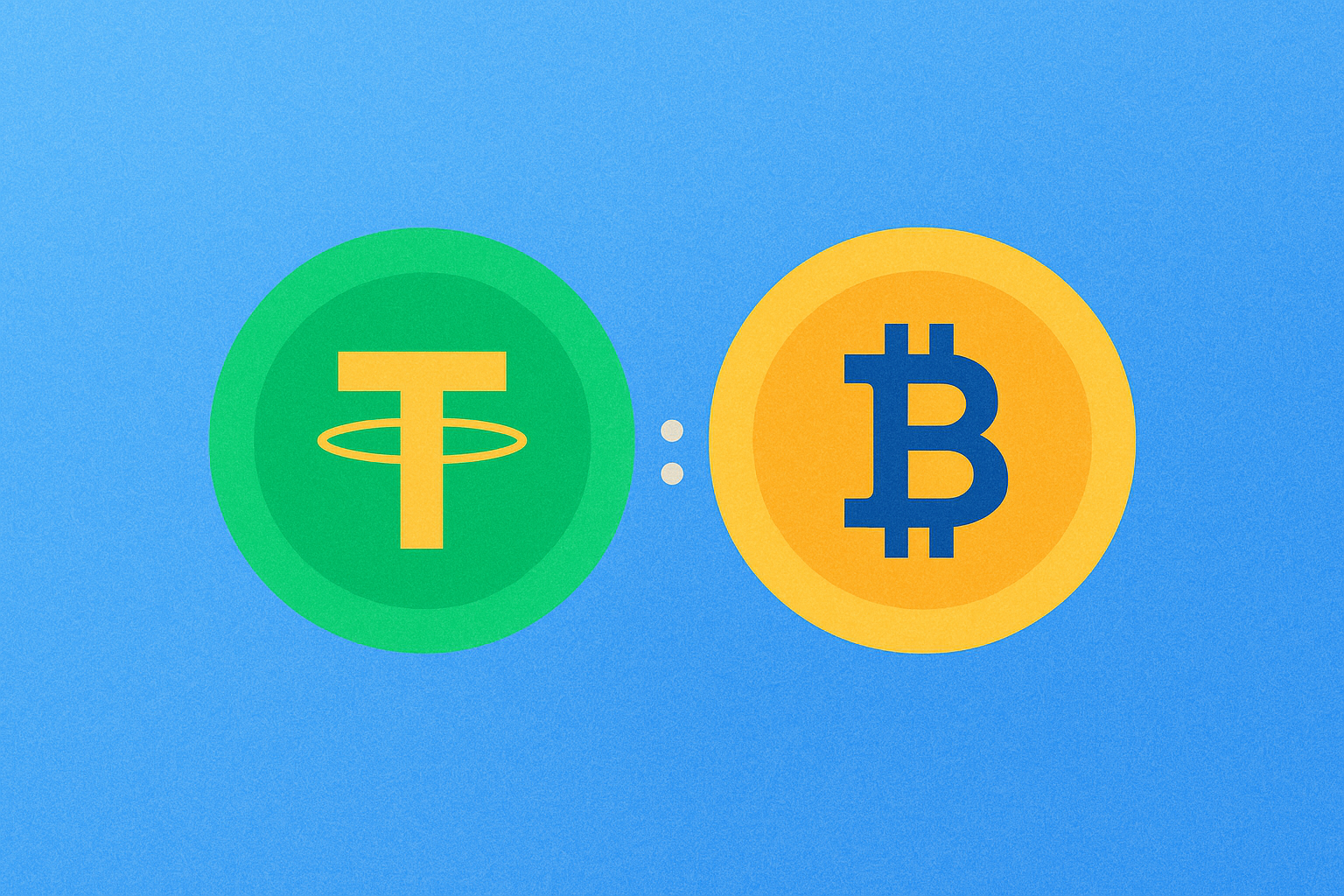
The Differences Between USDT-M and Coin-M Futures Contracts

2026-01-06 03:16:30
Crypto Trading
Crypto Tutorial
Futures Trading
Spot Trading
Stablecoin
Article Rating : 4.5
half-star
129 ratings
# Article Introduction This comprehensive guide explores USDT-M and Coin-M futures trading on Gate, helping traders understand two distinct derivative contract types suited to different strategies. USDT-M futures settle in stablecoins for intuitive profit calculations and lower volatility risk, while Coin-M futures utilize cryptocurrency collateral, offering superior capital efficiency and ideal conditions for long-term holdings during bull markets. The guide addresses critical selection criteria by comparing margin requirements, leverage ratios, settlement methods, and fee structures across both contract types. Whether you're a beginner seeking stability or an experienced trader pursuing higher returns, this resource clarifies how to align futures contracts with your portfolio composition and risk tolerance. Discover which Gate futures contract type maximizes your trading objectives through practical comparisons and strategic recommendations.
The Differences Between USDT-M and Coin-M Futures Contracts

USDT-M Futures Contracts

USDT-M futures contracts represent a category of linear derivative products that are denominated and settled in USDT—a stablecoin pegged to the value of the US Dollar. These contracts are offered on major cryptocurrency futures trading platforms.

One of the primary advantages of USDT-M futures is the ease of profit calculation by referencing fiat currency values. This intuitive approach makes it simpler for traders to understand their returns. For example, when you earn 1,000 USDT in profit, you can easily estimate that your profit is worth approximately 1,000 USD, since 1 USDT is tightly pegged to 1 USD.

The platform supports hundreds of trading pairs for USDT-M futures contracts, allowing traders to select their preferred pairs from the available options. Before opening a position, ensure that you have sufficient USDT available in your futures account to serve as collateral.

Coin-M Futures Contracts

Coin-M futures contracts are inverse futures contracts that utilize cryptocurrency as collateral, meaning the cryptocurrency serves as the quote currency. For example, in BTC Coin-M futures, BTC is used as the initial margin or for profit calculations.

The most significant advantage of Coin-M futures is improved capital efficiency. Beyond simply holding a particular token, you can simultaneously trade futures contracts with that same token. Additionally, if you wish to convert your returns into fiat currency, since the token is used as margin, Coin-M futures inherently come with built-in leverage. While this increases risk slightly, it also amplifies potential profits.

The platform currently offers Coin-M futures for BTC and ETH. Before opening a position, ensure you have adequate BTC or ETH assets available in your futures account.

How to Choose Between Them

One of the most important reasons traders select Coin-M futures is that it provides a funding rate for their positions, making it an ideal choice for traders seeking long-term positions. Holders of BTC or ETH do not need to exchange any of their holdings for USDT to post as margin and trade on the futures platform. In other words, they avoid the need to sell any cryptocurrency at unfavorable prices.

When market conditions are bullish, investors typically prefer to maintain their cryptocurrency assets. Since Coin-M futures are settled in cryptocurrency, any profits earned are directly converted into the token, facilitating long-term holdings. This approach offers an excellent way to generate substantial returns when the token appreciates significantly over an extended period.

Conversely, if users do not hold cryptocurrency assets beyond USDT, they may consider utilizing USDT-M futures to benefit from the hundreds of trading pairs available. This allows them to generate profits through leveraged investment strategies.

Summary

Both USDT-M and Coin-M futures contracts offer distinct advantages. Traders can engage in futures trading according to their individual needs and investment strategies, choosing the contract type that best aligns with their portfolio composition and trading objectives.

FAQ

What are the basic definitions of USDT-M and Coin-M futures contracts, and what are their differences?

USDT-M futures settle in stablecoins, offering lower risk and price stability. Coin-M futures settle in cryptocurrencies, suited for long-term investors during bull markets seeking higher returns.

What are the differences between USDT-M and Coin-M futures in terms of margin and leverage?

USDT-M futures use USDT as margin and settlement currency, offering higher leverage ratios. Coin-M futures use the underlying coin (like BTC) as margin, typically with lower leverage but higher risk exposure to coin volatility.

What are the differences in settlement methods between USDT-M and Coin-M futures contracts?

USDT-M futures settle in stablecoins, while Coin-M futures settle in the underlying digital asset. USDT-M offers price stability in settlement, whereas Coin-M exposes you to asset price fluctuations during settlement.

Which carries greater risk, USDT-M futures or Coin-M futures?

Coin-M futures carry greater risk due to larger price volatility. USDT-M futures are more stable since they settle in USDT stablecoin, making them better for risk management.

Should beginners choose USDT-M or Coin-M futures contracts for trading?

Beginners should choose USDT-M futures for stable USDT settlement, or Coin-M futures for cryptocurrency settlement. Your choice depends on whether you prefer stablecoins or crypto assets.

What are the fee differences between USDT-M and Coin-M futures contracts?

Coin-M futures charge 0.02% taker fee with 0% maker fee, while USDT-M futures typically offer lower or zero maker fees. Coin-M uses crypto as margin with USDT settlement, while USDT-M uses USDT for both margin and settlement.

What are the differences between USDT-M and Coin-M futures in extreme market conditions?

USDT-M futures settle in stablecoins, reducing volatility exposure during extreme price swings. Coin-M futures settle in cryptocurrencies, potentially facing larger fluctuations. Stablecoin settlement offers more protection for risk-averse traders.

How to choose an appropriate trading strategy between USDT-M and Coin-M futures?

Choose USDT-M for stable income and short-term trading with predictable returns. Select Coin-M for long-term appreciation and higher volatility exposure. Consider your risk tolerance, liquidity needs, and market outlook when deciding between the two contract types.

* The information is not intended to be and does not constitute financial advice or any other recommendation of any sort offered or endorsed by Gate.

Share

Content

USDT-M Futures Contracts

Coin-M Futures Contracts

How to Choose Between Them

Summary

FAQ

Related Articles
Beginner's Guide to Bitcoin Margin Trading

Beginner's Guide to Bitcoin Margin Trading

"Beginner's Guide to Bitcoin Margin Trading" provides a comprehensive overview of how margin trading works within the cryptocurrency market, particularly focusing on Bitcoin. It explains the mechanics, benefits, and risks of using leverage to amplify trading positions with limited initial capital. The guide compares margin trading to spot trading, outlining advantages like increased market exposure and strategic flexibility. It emphasizes essential risk management strategies critical for new and experienced traders alike. Suitable for those seeking in-depth knowledge of Bitcoin margin trading and effective techniques to mitigate potential losses, this guide is a valuable resource for navigating high-risk trading strategies.
2025-12-19 07:00:49
Beginner's Guide to Scalping Trading Strategies

Beginner's Guide to Scalping Trading Strategies

# Beginner's Guide to Scalping Trading Strategies This comprehensive guide introduces scalping—a dynamic short-term trading strategy that executes numerous daily transactions to capture small profits from price movements. Designed for beginners, this article covers essential scalping fundamentals across cryptocurrency, stocks, and Forex markets on platforms like Gate. You'll discover practical strategies including support/resistance trading, news-based approaches, and trend scalping, plus key indicators (EMA, RSI, Bollinger Bands) for M1/M5 timeframes. Learn broker selection criteria, risk management techniques, and implementation steps using TradingView to start trading with $50-$100 capital. Whether seeking rapid profit generation or flexible market exposure, this guide equips you with actionable strategies, proven indicators, and disciplined frameworks to begin scalping successfully with minimal risk.
2025-12-27 15:27:13
Safe Guide to Margin Trading Cryptocurrencies
Safe Guide to Margin Trading Cryptocurrencies

This article provides a comprehensive guide to margin trading cryptocurrencies, exploring how it works, the risks, benefits, and strategies for risk management. Aimed at experienced traders, it details the mechanics of margin trading, differences from spot trading, and techniques to mitigate risk, including using moderated leverage and stop-loss orders. It emphasizes the importance of disciplined risk management and market understanding for successful margin trading on platforms like Gate. The guide serves traders seeking amplified returns through leveraged positions while cautioning against significant potential losses due to market volatility.
2025-12-19 23:34:08
Beginner's Guide to Margin Trading: Starting with Bitcoin

Beginner's Guide to Margin Trading: Starting with Bitcoin

The article "Beginner's Guide to Margin Trading: Starting with Bitcoin" explores the mechanics, benefits, and risks of margin trading in cryptocurrency markets, focusing on Bitcoin strategies. It examines how traders can gain exposure beyond initial deposits, distinguishes margin from leverage, and contrasts margin versus spot trading. Designed for traders seeking expanded opportunities, it emphasizes careful risk management and technical analysis for successful margin trading. Ideal for those new to leveraged strategies, the guide stresses conservative approaches and disciplined practices to navigate the volatile crypto landscape effectively.
2025-12-20 00:57:34
Understanding Centralized Digital Currency Platforms

Understanding Centralized Digital Currency Platforms

This article explores centralized digital currency platforms, focusing on Centralized Exchanges (CEXs) like Gate. It details their role in facilitating crypto trades, operational mechanics, and revenue generation methods, alongside the advantages and disadvantages of using them. It compares centralized and decentralized exchanges, aiding users in choosing the right platform based on convenience, security, and asset control preferences. Suitable for both novice and experienced traders. Keywords optimized for easy scanning include centralized exchanges, CEXs, Gate, crypto trading, and asset custody.
2025-12-19 14:01:58
Exploring Effective Strategies for Day Trading in Cryptocurrency

Exploring Effective Strategies for Day Trading in Cryptocurrency

This article explores effective strategies for cryptocurrency day trading, highlighting its viability in the crypto markets due to 24/7 availability and high volatility. It answers questions like "Does day trading apply to cryptocurrency?", detailing crucial components of successful trading: understanding market mechanics, risk management, and strategic planning. Suitable for active traders, the content includes methods like scalping, technical analysis, and arbitrage while outlining common pitfalls like FOMO and neglecting stop-losses. Moreover, it suggests optimal trading platforms, such as Gate, for executing trades and highlights the non-applicability of traditional day trading rules to crypto.
2025-12-20 09:44:04
Recommended for You
Actively Validated Services (AVS): Boosting Security for Blockchains

Actively Validated Services (AVS): Boosting Security for Blockchains

This comprehensive guide explores Actively Validated Services (AVS), a transformative security innovation reshaping the Web3 ecosystem. AVS operates through continuous real-time monitoring, automated testing, and anomaly detection to proactively protect blockchain networks and applications. The article examines how AVS leverages Ethereum's security infrastructure via restaking, enabling validators to simultaneously secure multiple services while reducing costs and enhancing scalability. Key implementations like EigenDA, Eoracle, and Witness Chain demonstrate AVS's diverse applications across data availability, oracles, and validation. While AVS significantly strengthens security, regulatory compliance, and performance reliability, deployment involves challenges including operational complexity and Ethereum dependence. This guide provides developers, validators, and blockchain enthusiasts with essential insights into AVS importance for mainstream blockchain adoption.
2026-01-12 10:27:51
What Is $CAR Coin? How to Buy the Central African Republic's Meme Coin Experiment
What Is $CAR Coin? How to Buy the Central African Republic's Meme Coin Experiment

Learn how to buy Central African Republic Meme (CAR), a nationally-themed meme token built on Solana blockchain. This comprehensive guide covers CAR's explosive 7,786% surge following launch, its unique value proposition combining financial inclusion with cultural representation, and step-by-step purchasing instructions on Gate exchange. Discover key features including high-profit potential, strong market demand, and transparent blockchain transactions. Understand critical red flags including deepfake concerns and missing official confirmation. Perfect for investors seeking exposure to emerging digital assets in developing markets. Navigate volatility risks, deposit methods, trading pairs, and security protocols. Explore CAR's vision for blockchain adoption and financial empowerment while conducting thorough due diligence on this speculative investment opportunity.
2026-01-12 10:25:45
Explained: What Do the Ethereum Merge and Fork Entail?

Explained: What Do the Ethereum Merge and Fork Entail?

This comprehensive guide explores the Ethereum Merge, a historic transition from Proof of Work to Proof of Stake that fundamentally transforms blockchain validation. The article addresses why Ethereum adopted PoS to solve scalability and environmental challenges, reducing energy consumption by 99.95% while improving network security and decentralization. It examines the Merge's economic implications, including ETH's shift toward deflation and potential price support. The guide covers fork mechanisms, helping users understand how to secure fork tokens and capitalize on staking opportunities. Whether you're an investor, miner, or developer, this resource provides actionable strategies for navigating the post-Merge ecosystem and maximizing returns through informed participation on platforms like Gate.
2026-01-12 10:23:04
Bubblemaps (BMT) Listing Guide: Launch Date, Key Details, and Price Prediction

Bubblemaps (BMT) Listing Guide: Launch Date, Key Details, and Price Prediction

Bubblemaps (BMT) is a blockchain analytics platform launching its native token on Gate exchange in early 2025, transforming complex on-chain data into interactive visual maps. This comprehensive guide covers the BMT token listing schedule, trading information, and platform fundamentals including its innovative bubble visualization system and Intel Desk investigation framework. The platform democratizes blockchain intelligence through visual representation, enabling users to identify suspicious token activity, analyze tokenomics, and participate in community-driven fraud detection. Key features include real-time wallet monitoring, cross-chain analytics, and AI-powered pattern recognition tools. With strong backing from major blockchain networks and a mission to bring transparency to cryptocurrency markets, Bubblemaps positions itself as essential infrastructure for both retail and institutional investors navigating the evolving multi-chain ecosystem.
2026-01-12 10:21:05
How to Create and Deposit Funds in Your BWB Wallet
How to Create and Deposit Funds in Your BWB Wallet

Secure Bitcoin Wallet Creation Guide. This comprehensive manual for Web3 users provides beginners with clear instructions on setting up the BWB Wallet, making deposits, and managing private keys. Fully compatible with Base Chain and featuring robust security protocols, it’s an essential resource for anyone in the blockchain space.
2026-01-12 10:17:31
Leading Wallet Platform Migrates NFT Market to Seaport Protocol, Reducing Gas Fees by Over 50%

Leading Wallet Platform Migrates NFT Market to Seaport Protocol, Reducing Gas Fees by Over 50%

Discover how a strategic migration to Seaport protocol cuts NFT gas fees by over 50% across multiple blockchain networks. This article explores the technical breakthrough that addresses the NFT ecosystem's most pressing challenge: high transaction costs. Learn how the optimized marketplace protocol reduces computational requirements while maintaining security and efficiency for traders and collectors. The implementation spans major networks including Ethereum, BNB Chain, Polygon, and Arbitrum, with Seaport's decentralized architecture ensuring true protocol ownership and scalability. Understand the practical benefits of reduced barriers to entry, enhanced user experience through flexible payment options, and increased market liquidity. Whether you're an experienced collector or exploring digital assets, this protocol upgrade makes NFT participation more economically viable and accessible than ever before.
2026-01-12 10:15:43