LCP_hide_placeholder
fomox
Search Token/Wallet
/

Understanding the Process of Crypto Wrapping

2025-12-06 06:06:06
Bitcoin
Blockchain
DeFi
Ethereum
Web 3.0
Article Rating : 3
51 ratings
This article explores the process and significance of crypto wrapping, providing readers with an understanding of wrapped tokens and their role in blockchain interoperability. It addresses the mechanics, applications, benefits, and risks of wrapped tokens, beneficial for traders seeking to unlock DeFi opportunities. Featuring sections on technology, usage, advantages, and challenges, the article is designed for efficient scanning. Key terms are optimized to enhance SEO and readability, ideal for professionals and enthusiasts keen on navigating the evolving Web3 and DeFi landscapes.
Understanding the Process of Crypto Wrapping

Unwrapping Wrapped Tokens: A Guide to Wrapping Cryptocurrencies

Wrapped tokens represent a technological innovation addressing one of blockchain technology's most persistent challenges: interoperability. As the cryptocurrency ecosystem continues to expand, the ability to move digital assets seamlessly across different blockchain networks has become increasingly important. This guide provides a comprehensive exploration of wrapped tokens, examining their mechanics, applications, advantages, and potential risks within the Web3 landscape, with a focus on wrapping crypto technologies.

What is a wrapped token?

A wrapped token is a synthetic cryptocurrency specifically engineered to operate within blockchain ecosystems that are not its native environment. Unlike cryptocurrency coins that are intrinsically embedded within a blockchain's core programming, tokens function as secondary assets built on top of existing blockchain infrastructure, leveraging the security protocols of their host networks.

The fundamental characteristic that distinguishes wrapped tokens from other token varieties lies in their specialized coding standards. These tokens are encapsulated with specific code instructions—the "wrapper"—that enable foreign blockchains to recognize, read, and process these digital assets effectively. This wrapper essentially acts as a translation layer, bridging the communication gap between disparate blockchain networks.

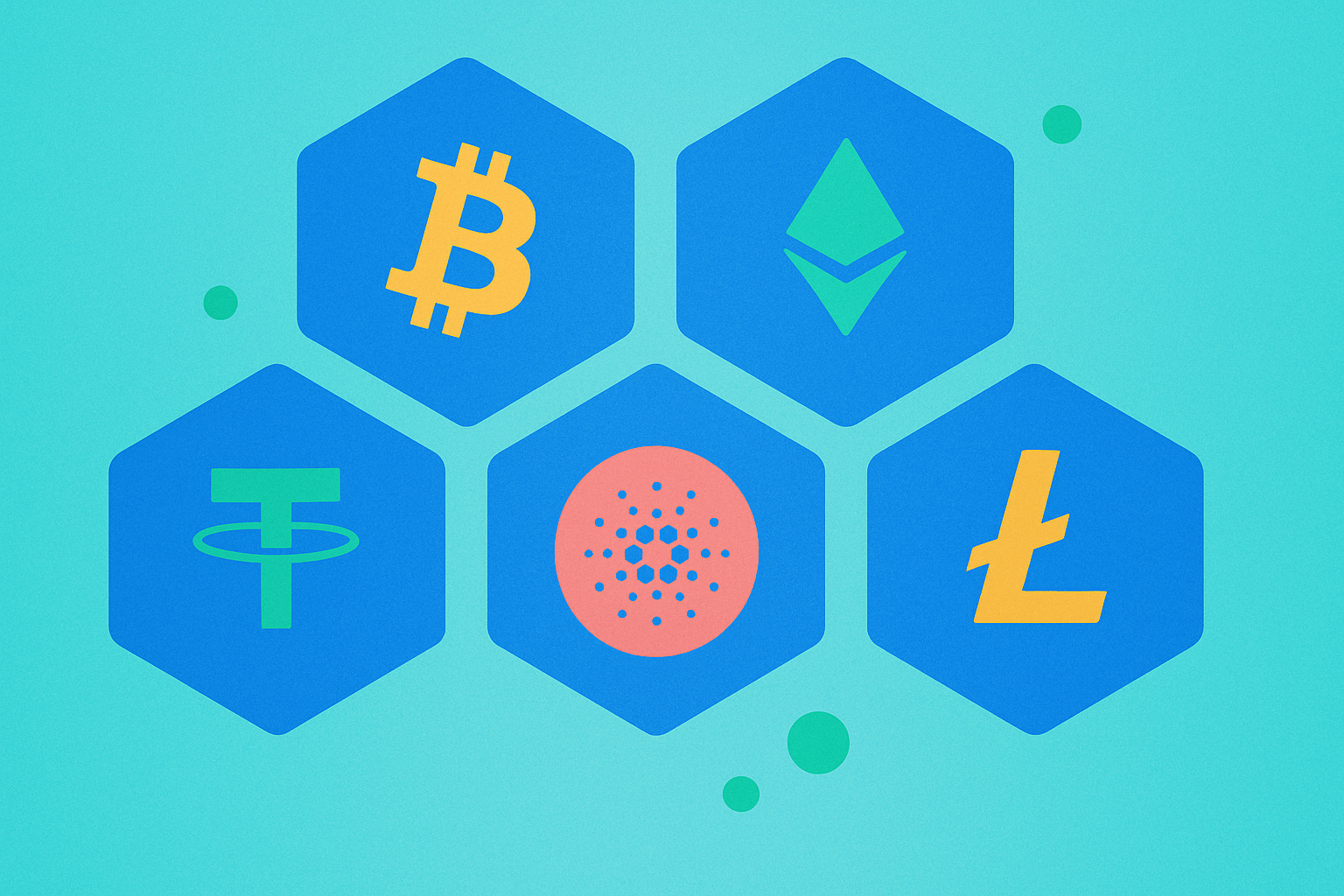
To illustrate this concept, consider the relationship between Bitcoin (BTC) and Ethereum (ETH). These two prominent cryptocurrencies operate on fundamentally different coding standards and employ distinct consensus algorithms, making direct cross-chain transfers impossible. Through wrapping crypto technology, developers can create wrapped Bitcoin (wBTC) that adheres to Ethereum's ERC-20 token specifications. The resulting wBTC tokens maintain price parity with native Bitcoin while functioning seamlessly within Ethereum's ecosystem, compatible with ETH-based crypto wallets and decentralized applications.

How does wrapping a token work?

The wrapping crypto mechanism operates through a sophisticated system that typically employs custodial protocols. The process begins when traders deposit their original cryptocurrency into a secure vault, triggering the creation (or minting) of an equivalent quantity of wrapped tokens. This ensures a one-to-one correspondence between the wrapped tokens and their underlying assets.

When traders wish to reclaim their original cryptocurrency, they initiate an unwrapping process by sending the wrapped tokens back to the custodian. Upon receipt, the custodian releases the crypto collateral from storage and destroys (burns) the wrapped tokens. This carefully orchestrated minting and burning mechanism guarantees that the circulating supply of wrapped tokens remains fully backed by equivalent crypto collateral held in the custodian's cold storage vaults.

To enhance security and minimize centralization risks, many modern wrapping crypto protocols incorporate decentralized technologies. These include self-executing smart contracts and governance structures such as decentralized autonomous organizations (DAOs), which eliminate single points of failure. By leveraging blockchain-based technologies, these systems reduce dependency on centralized intermediaries, providing traders with greater assurance that their assets are protected.

A prime example is wrapped Ethereum (wETH), developed by decentralized finance protocol 0x Labs. This implementation uses automated smart contract programs to manage the entire lifecycle of token minting, distribution, and burning. Like wBTC, wETH conforms to ERC-20 standards, ensuring compatibility with decentralized applications throughout the Ethereum ecosystem. Interestingly, despite Ether being Ethereum's native cryptocurrency, it primarily serves as a payment mechanism for gas fees rather than functioning as a peer-to-peer currency within ETH-based protocols—thus necessitating the creation of wETH for practical use in Ethereum dApps.

Why do traders use wrapped crypto tokens?

Wrapped cryptocurrencies serve a crucial purpose in the blockchain ecosystem by providing traders with convenient access to non-native platforms. Even when traders hold cryptocurrencies incompatible with specific networks such as Ethereum, Solana (SOL), or Cosmos (ATOM), wrapping crypto technology enables them to transfer synthetic representations of their digital holdings across the Web3 landscape.

This flexibility unlocks numerous opportunities for cryptocurrency holders. Wrapped tokens facilitate participation in decentralized finance (DeFi) activities, enabling users to pursue passive income strategies including liquidity provision, staking, and crypto lending. By converting their assets into wrapped tokens through wrapping crypto processes, investors can actively utilize their holdings rather than letting them remain dormant in wallets.

Beyond DeFi applications, crypto wrapped tokens function as recognized mediums of exchange across various decentralized applications. These include play-to-earn gaming platforms, peer-to-peer trading platforms, and marketplaces for non-fungible tokens (NFTs). By supporting multiple blockchain ecosystems, wrapped tokens empower crypto traders to explore the diverse offerings within Web3 using whichever digital assets they prefer, enhancing both accessibility and user experience.

Pros and cons of wrapping tokens

While wrapped tokens offer significant benefits for connecting disparate blockchain networks, they also present certain challenges and risks that users must carefully consider when wrapping crypto assets.

Wrapped token pros

Wrapped tokens deliver several compelling advantages to the cryptocurrency ecosystem. First, they significantly increase blockchain interoperability by providing traders with a practical solution to cross-chain communication barriers. Through compatible coding standards across different networks, wrapping crypto enables successful cryptocurrency transfers between multiple blockchains, naturally enhancing collaboration and connectivity throughout Web3.

Second, wrapped tokens bring substantial liquidity to the DeFi landscape. As traders transfer and deposit wrapped tokens into liquidity pools, decentralized applications gain easier access to capital, strengthening their ability to offer comprehensive financial services. This influx of liquidity benefits the entire ecosystem by improving market efficiency and expanding service availability.

Third, wrapping crypto makes Web3 more accessible to cryptocurrency holders. Rather than keeping assets inactive in hardware wallets while waiting for favorable market conditions, traders can actively deploy their long-term portfolios within DeFi protocols without liquidating their positions. This capability transforms passive holdings into productive assets generating returns.

Wrapped token cons

Despite their benefits, wrapped tokens carry notable risks. Centralization risk remains a primary concern, as not all wrapping crypto protocols achieve true decentralization. While some implementations use DAOs and smart contracts to eliminate counterparty risk, others rely on centralized intermediaries who custody users' cryptocurrencies. In such cases, traders must place trust in these custodians to adequately protect their digital assets, introducing vulnerability to mismanagement or malicious activity.

Smart contract exploits represent another significant threat. Even protocols employing decentralized technologies remain susceptible to security vulnerabilities in their underlying code. Any flaws in the self-executing smart contracts powering wrapped token systems could result in substantial losses for users through glitches, hacks, or exploitation of programming weaknesses.

Finally, wrapping crypto presents a higher learning curve compared to conventional cryptocurrencies. While popular wrapped tokens like wBTC are readily available on major trading platforms, mastering the complexities of wrapping and unwrapping digital assets requires considerable time and effort. Even experienced crypto traders occasionally make costly errors when attempting to wrap virtual assets, highlighting the technical sophistication required for safe participation.

Conclusion

Wrapped tokens represent a pivotal innovation in addressing blockchain interoperability challenges, enabling cryptocurrency holders to leverage their digital assets across multiple networks and decentralized applications. By creating synthetic representations of native cryptocurrencies compatible with foreign blockchain ecosystems, wrapping crypto technology has expanded access to DeFi services, increased liquidity across protocols, and enhanced the overall utility of digital assets.

However, the adoption of wrapped tokens requires careful consideration of associated risks, including centralization concerns, smart contract vulnerabilities, and the technical complexity involved in wrapping crypto operations. As the technology matures and more sophisticated solutions emerge—such as Cosmos's inter-blockchain communication protocol (IBC)—the Web3 ecosystem continues to evolve toward greater interoperability and seamless cross-chain functionality. For traders and investors, understanding both the capabilities and limitations of wrapping crypto is essential for making informed decisions in the expanding landscape of decentralized finance and blockchain applications.

FAQ

What does wrapping mean in crypto?

Wrapping in crypto means converting a cryptocurrency into a token on another blockchain, maintaining the same value. It enhances interoperability and liquidity across different platforms.

How much is 1 Wrapped Bitcoin?

As of December 2025, 1 Wrapped Bitcoin (WBTC) is worth approximately $93,654. The price has seen a 7.24% increase in the last 24 hours.

Is wrapping crypto taxable?

Yes, wrapping crypto is generally considered a taxable event. It's treated as a crypto-to-crypto trade, subject to capital gains taxes in many jurisdictions.

Why buy WBTC instead of BTC?

WBTC offers enhanced DeFi functionality while maintaining BTC's value. It enables use in decentralized protocols for lending, staking, and other DeFi operations not directly possible with BTC.

* The information is not intended to be and does not constitute financial advice or any other recommendation of any sort offered or endorsed by Gate.

Share

Content

What is a wrapped token?

How does wrapping a token work?

Why do traders use wrapped crypto tokens?

Pros and cons of wrapping tokens

Conclusion

FAQ

Related Articles
Top Decentralized Exchange Aggregators for Optimal Trading

Top Decentralized Exchange Aggregators for Optimal Trading

Exploring top DEX aggregators in 2025, this article highlights their role in enhancing crypto trading efficiency. It addresses challenges faced by traders, such as finding optimal prices and reducing slippage, while ensuring security and ease of use. A practical overview of 11 leading platforms is provided, with guidance on selecting the right aggregator based on trading needs and security features. Designed for crypto traders seeking efficient and secure trading solutions, the article emphasizes the evolving benefits of using DEX aggregators in the DeFi landscape.
2025-12-24 07:01:19
Understanding Bitcoin's Supply Limit: How Many Bitcoins Exist?

Understanding Bitcoin's Supply Limit: How Many Bitcoins Exist?

The article delves into Bitcoin's finite supply of 21 million coins, shedding light on its implications for the cryptocurrency ecosystem. It explores how Bitcoin's halving mechanism controls supply, impacting mining rewards and inflation. The piece also discusses what happens after all coins are mined, the role of transaction fees, and introduces the Lightning Network's innovation for scalability. Addressing the loss and theft of bitcoins, it highlights security challenges and advancements. Ideal for crypto enthusiasts and investors, the article explains Bitcoin's value proposition rooted in scarcity and decentralization.
2025-12-04 15:56:34
Solana Cryptocurrency Outlook

Solana Cryptocurrency Outlook

Explore Solana’s potential amid market volatility and ongoing innovation. Review price projections for 2025 and 2026, key growth drivers, and trading opportunities available on Gate. Gain insights into the project’s long-term outlook and practical advice for traders to support sound investment decisions.
2025-12-07 06:19:36
What is OpenSea? Complete Guide to the Leading NFT Marketplace

What is OpenSea? Complete Guide to the Leading NFT Marketplace

# Comprehensive Guide to Understanding NFT Marketplaces OpenSea stands as the world's largest decentralized NFT marketplace, enabling users to buy, sell, and trade unique digital assets across multiple blockchain networks including Ethereum, Polygon, and Solana. This comprehensive guide equips beginners and experienced traders with essential knowledge about OpenSea's features, fee structure, security protocols, and practical trading strategies. From wallet setup and NFT purchasing to creating collections and navigating competitive advantages, the article addresses key questions for collectors, creators, and investors entering the digital asset space. With multi-blockchain support, user-friendly interfaces, and a thriving community of three million active users, OpenSea provides the infrastructure for exploring blockchain-based ownership and monetization opportunities. Whether you're an artist seeking new revenue streams, a collector building digital portfolios, or a curious investor, this guide delivers acti
2026-01-01 05:29:03
Exploring Token Unlock Mechanisms and Their Effect on Crypto Value in 2025

Exploring Token Unlock Mechanisms and Their Effect on Crypto Value in 2025

This article explores the crucial role of token unlock mechanisms in the crypto ecosystem, analyzing their impact on market dynamics and price movements. Aimed at investors and blockchain enthusiasts, it addresses strategies for navigating unlock events while highlighting the benefits and risks involved. The article is structured to cover the basics of token unlocks, differentiate between cliff and linear unlocks, and investigate their effect on crypto prices. It emphasizes tracking and taking advantage of unlock events using tools, including Gate, enhancing decision-making in the volatile crypto market. Keyphrase optimization ensures clarity and efficient scanning.
2025-12-04 05:02:37
Layer 2 Scaling Made Easy: Bridging Ethereum to Enhanced Solutions

Layer 2 Scaling Made Easy: Bridging Ethereum to Enhanced Solutions

The article delves into Layer 2 solutions, focusing on optimizing Ethereum's transaction speed and cost efficiency through bridging. It guides users on wallet and asset selection, outlines the bridging process, and highlights potential fees and timelines. The article caters to developers and blockchain enthusiasts, providing troubleshooting advice and security best practices. Keywords like "Layer 2 scaling," "bridge services," and "optimistic rollup technology" enhance content scannability, aiding readers in navigating Ethereum's ecosystem advancements.
2025-12-24 10:25:40
Recommended for You
What is BULLA coin: analyzing whitepaper logic, use cases, and team fundamentals in 2026

What is BULLA coin: analyzing whitepaper logic, use cases, and team fundamentals in 2026

BULLA coin introduces decentralized accounting and on-chain data management innovation built on BNB Smart Chain, eliminating intermediaries while ensuring real-time transaction verification. The platform addresses critical gaps in cryptocurrency infrastructure by embedding accounting logic directly into smart contracts, enabling transparent audit trails and regulatory compliance. Real-world applications include seamless transaction imports across multiple exchanges, comprehensive crypto portfolio tracking, and secure record-keeping for investors. Trade import tools enhance user experience by automating data categorization and consolidation. Founded in 2021 by blockchain architect Benjamin with support from experienced fintech designers and engineers, BULLA Networks demonstrates active development momentum with continuous smart contract iterations through early 2026. The 2026-2027 strategic roadmap prioritizes network infrastructure expansion and enhanced security protocols, positioning BULLA as a robust decen
2026-02-08 08:20:10
How does MYX token's deflationary tokenomics model work with 100% burn mechanism and 61.57% community allocation?

How does MYX token's deflationary tokenomics model work with 100% burn mechanism and 61.57% community allocation?

This article examines MYX token's innovative deflationary tokenomics, featuring a distinctive 61.57% community allocation and 100% burn mechanism. The community-focused distribution empowers token holders through MYX DAO governance while ensuring value flows back to ecosystem participants. The 100% burn mechanism systematically removes node-generated revenue from circulation, reducing the total supply from one billion tokens and creating genuine scarcity. This supply-driven deflation counters inflation pressures and strengthens long-term holder value without requiring external demand. The combination of broad community distribution and aggressive token elimination creates sustainable deflationary economics. Ideal for investors seeking to understand how MYX Finance aligns community interests with protocol success through structural value preservation and decentralized governance mechanisms on Gate exchange.
2026-02-08 08:12:23
What Are Derivatives Market Signals and How Do Futures Open Interest, Funding Rates, and Liquidation Data Impact Crypto Trading in 2026?

What Are Derivatives Market Signals and How Do Futures Open Interest, Funding Rates, and Liquidation Data Impact Crypto Trading in 2026?

This comprehensive guide decodes cryptocurrency derivatives market signals essential for 2026 trading success. Learn how futures open interest, funding rates, and liquidation data—such as ENA's $17 billion contract volume and $94 million daily position closures—reveal market sentiment and institutional positioning. The article explains how long-short ratios and liquidation heatmaps identify reversal opportunities, while options imbalance signals indicate smart money accumulation strategies. Discover why exchange outflows and funding rate extremes precede major price movements. From analyzing $46.45M ENA outflows to understanding leverage risks, this resource equips traders with actionable intelligence for predicting market turning points. Perfect for beginners and experienced traders leveraging Gate's analytics tools to navigate increasingly complex derivatives markets with informed entry and exit strategies.
2026-02-08 08:08:39
How do futures open interest, funding rates, and liquidation data predict crypto derivatives market signals in 2026?

How do futures open interest, funding rates, and liquidation data predict crypto derivatives market signals in 2026?

This article explores how three critical derivatives metrics—open interest exceeding $20 billion, funding rates shifting positive, and liquidation volume declining 30%—predict crypto derivatives market signals in 2026. The guide reveals institutional participation driving market maturation while positive funding rates signal strengthened bullish momentum. Long-short ratio stabilization at 1.2 with put-call ratio below 0.8 demonstrates sophisticated hedging strategies on Gate and other platforms. Reduced liquidation volumes indicate improved risk management and market resilience. By analyzing how these indicators combine—measuring position sizing, sentiment extremes, and forced selling pressure—traders gain precise tools for identifying trend reversals, leverage exhaustion, and market turning points with 55-65% AI-driven accuracy for 2026.
2026-02-08 08:05:14
What is a token economics model and how does GALA use inflation mechanics and burn mechanisms

What is a token economics model and how does GALA use inflation mechanics and burn mechanisms

This article explores GALA's innovative token economics model, examining how inflation mechanics and burn mechanisms create sustainable ecosystem growth. The guide covers GALA token distribution through 50,000 Founder's Nodes requiring 1 million GALA for 100% daily rewards, establishing long-term community participation. A dual-mechanism approach pairs controlled inflation with strategic annual supply reduction to establish deflationary pressure. The burn mechanism, powered by 100% transaction fee burning on GalaChain combined with NFT royalty enforcement averaging 6.1%, creates continuous supply reduction while incentivizing creator participation. Governance utility empowers node holders to vote on game launches through consensus mechanisms, transforming GALA holders into active stakeholders. Perfect for investors and ecosystem participants seeking to understand how GALA balances token scarcity with ecosystem vitality through integrated economic incentives and community governance on Gate.
2026-02-08 08:03:30
What is on-chain data analysis and how does it reveal whale movements and active addresses in crypto?

What is on-chain data analysis and how does it reveal whale movements and active addresses in crypto?

On-chain data analysis reveals cryptocurrency market dynamics by examining active addresses and transaction metrics that expose whale movements and investor behavior. This comprehensive guide explores how blockchain data serves as a critical market indicator, demonstrating the correlation between large holder activities and price movements—such as FLOKI's 950% surge in whale transactions. The article covers whale movement tracking, holder distribution patterns showing 73.47% concentration among major stakeholders, and on-chain fee trends as cycle indicators. Essential metrics include active addresses reflecting genuine network participation, transaction volumes revealing strategic positioning, and network congestion patterns during market cycles. By tracking these interconnected indicators through platforms like Glassnode and Gate, investors and traders can identify market sentiment shifts, anticipate price movements, and distinguish institutional activity from retail participation, making on-chain analysis i
2026-02-08 08:01:25