fomox
MarketsPerpsSpotSwap
Meme
Referral
More
Search Token/Wallet
/

Unlocking Blockchain Payment Solutions for Everyone
2025-12-22 04:44:03
Blockchain
Crypto Ecosystem
Payments
Stablecoin
Web 3.0
Article Rating : 3
168 ratings
The article "Unlocking Blockchain Payment Solutions for Everyone" explores how Blockpay harnesses Avalanche's blockchain to enhance financial inclusion in Latin America. By providing point-of-sale terminals and crypto-funded debit cards, Blockpay bridges the gap for unbanked populations, enabling efficient transactions and access to fiat currency. The piece highlights Avalanche's role in ensuring fast, decentralized transactions, positioning Blockpay as a key player in the region’s growing crypto adoption. This innovation caters to merchants and consumers seeking modern financial solutions outside traditional banking systems.
Unlocking Blockchain Payment Solutions for Everyone

Builder Spotlight: Blockpay Aims to Bring Blockchain Payments to the Masses

Blockpay represents a significant advancement in the blockchain payment sector, leveraging Avalanche's infrastructure to address critical financial inclusion challenges in Latin America, particularly Mexico. This innovative platform combines traditional payment infrastructure with blockchain technology to provide accessible financial services to underserved populations.

Blockpay's Mission: Bridging the Financial Inclusion Gap

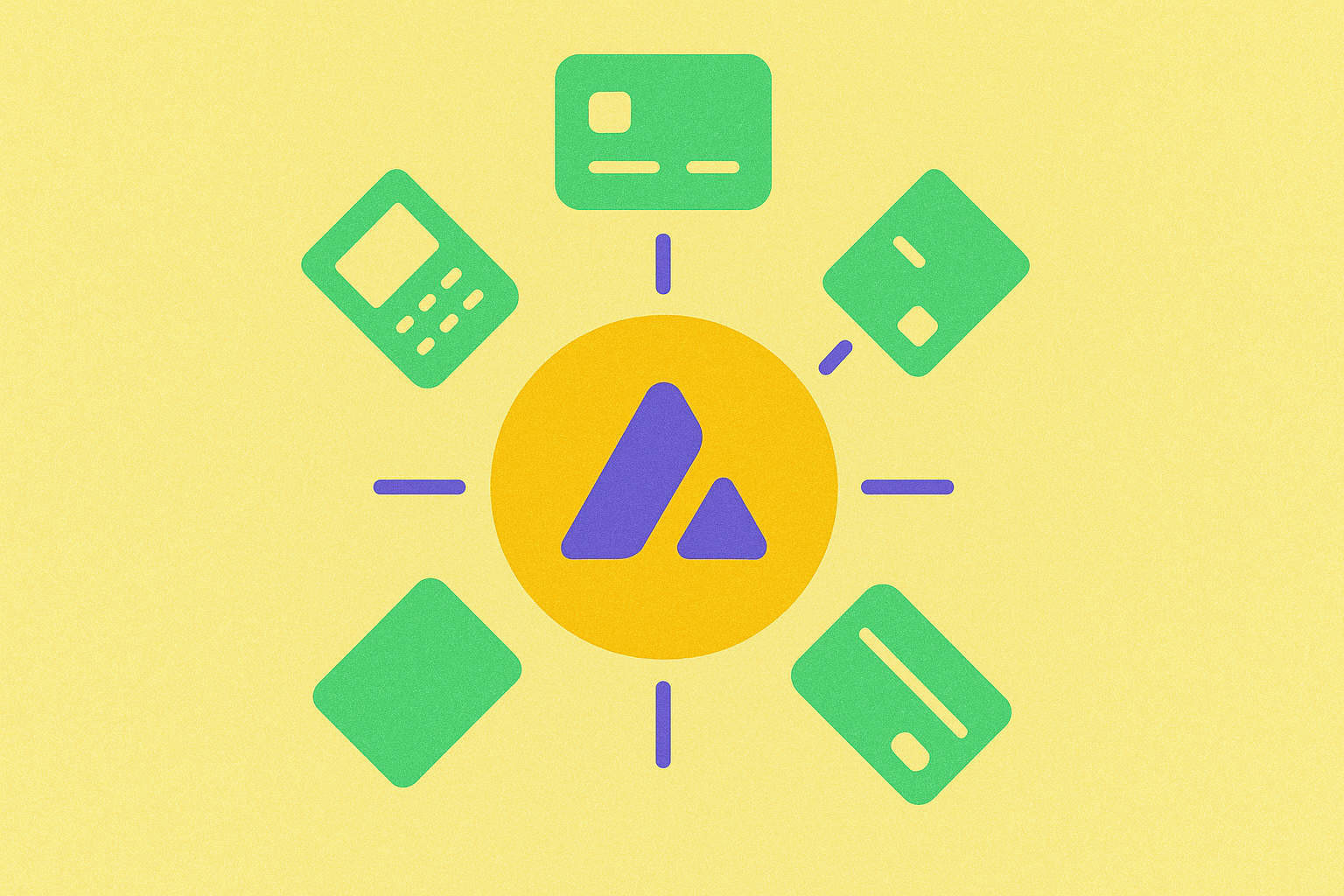
Blockpay's core mission centers on promoting financial inclusion through blockchain technology. The platform operates on the principle that blockchain possesses inherent properties that make it ideal for delivering basic financial services globally. According to Celso Moscoso, CTO of Blockpay, more than 70% of businesses in Mexico have historically lacked the infrastructure to accept card payments, highlighting a massive gap in financial accessibility. Blockpay addresses this challenge through two primary mechanisms: providing point-of-sale terminals to merchants and offering crypto-funded debit cards to consumers. This dual approach ensures that both merchants and consumers can participate in the modern digital economy, regardless of their access to traditional banking services.

Point-of-Sale Terminals: Empowering Mexican Merchants

Blockpay has deployed an extensive network of point-of-sale terminals throughout Mexico, significantly expanding payment acceptance infrastructure. These terminals enable merchants who previously operated on a cash-only basis to accept card payments, thereby increasing their customer base and transaction efficiency. The platform continues to integrate crypto payment options into these terminals, allowing merchants to accept digital currency payments directly. Additionally, merchants who stake Blockpay's native token can receive various benefits, creating an incentive structure that encourages broader adoption. This approach not only modernizes payment infrastructure but also introduces merchants to the blockchain ecosystem in a practical, business-oriented manner.

Crypto-Funded Debit Cards: From Digital to Physical Currency

The Blockpay prepaid card represents the platform's most significant blockchain integration, offering a straightforward solution for converting cryptocurrency into usable fiat currency. The process is designed for simplicity: users order a card from the Blockpay online store, activate it upon receipt, download the accompanying mobile application, add cryptocurrency to their account, and receive fiat currency on the card for immediate use. As Emmanuel Villarreal, Blockpay's Creative Director, explains, users can liquidate their crypto directly through the app and withdraw cash at ATMs worldwide. This functionality is particularly crucial in Latin America, where many individuals hold cryptocurrency but face challenges in converting it to fiat for everyday transactions. The cards work internationally, not just in Mexico, providing users with global financial access through Avalanche-based stablecoins.

Avalanche Integration: The Technology Behind Blockpay

Blockpay's choice of Avalanche as its blockchain infrastructure is strategic and technically sound. Avalanche's sub-second finality provides users with an experience that matches the speed expectations of traditional payment systems. Emmanuel Villarreal emphasizes that once users experience Avalanche's instant finality, the difference from slower blockchain networks becomes immediately apparent, particularly when compared to networks requiring eight to ten seconds or longer for transaction confirmation. Beyond speed, Celso Moscoso highlights Avalanche's decentralization, affordability, and interoperability as key factors in the platform selection. The network's compatibility with other blockchain ecosystems aligns with Blockpay's vision of an interoperable digital future, where multiple blockchains work together to achieve transformative goals like enhanced financial inclusion.

The Future of Blockchain Payments in Latin America

Blockpay's development reflects broader trends in Latin America's cryptocurrency adoption and the region's need for alternative financial infrastructure. Mexico's growing crypto adoption rates create a receptive market for blockchain-based payment solutions like Blockpay. The platform's focus on practical, everyday use cases—such as ATM withdrawals and merchant payments—demonstrates a pragmatic approach to blockchain implementation. Blockpay's leadership recognizes that the future won't be dominated by a single blockchain but rather by an ecosystem of interoperable networks. This perspective positions Blockpay to adapt as the blockchain landscape evolves, ensuring long-term relevance and utility for users seeking financial inclusion through decentralized technology.

Conclusion

Blockpay exemplifies how blockchain technology can be applied to solve real-world financial inclusion challenges. By combining point-of-sale terminals for merchants with crypto-funded debit cards for consumers, all built on Avalanche's fast and decentralized infrastructure, Blockpay creates a comprehensive payment ecosystem. The platform's success in deploying its extensive terminal network and launching international debit cards demonstrates the viability of blockchain-based payment solutions in emerging markets. As Blockpay continues to expand its services and leverage Avalanche's technological advantages, it contributes to the broader mission of making financial services accessible to everyone, regardless of their access to traditional banking infrastructure. The project serves as a model for how blockchain applications can move beyond speculation to deliver tangible value in everyday financial transactions through solutions like Blockpay.

FAQ

What is Blockpay?

Blockpay is a revolutionary point-of-sale platform enabling merchants to accept various cryptocurrencies directly. It provides seamless, secure digital currency transactions for businesses worldwide.

How do I use Blockpay to make payments or transfers?

Download the Blockpay app, create your wallet, and link your payment method. To send funds, enter the recipient's address, confirm the amount, and authorize the transaction. For merchant payments, scan the QR code or select the payment option in the app.

Is Blockpay safe and secure? What security features does it have?

Yes, Blockpay is safe and secure. It features strong encryption, private key-based authentication, and leverages blockchain technology for enhanced data integrity and protection of user assets.

* The information is not intended to be and does not constitute financial advice or any other recommendation of any sort offered or endorsed by Gate.

Share

Content

Blockpay's Mission: Bridging the Financial Inclusion Gap

Point-of-Sale Terminals: Empowering Mexican Merchants

Crypto-Funded Debit Cards: From Digital to Physical Currency

Avalanche Integration: The Technology Behind Blockpay

The Future of Blockchain Payments in Latin America

Conclusion

FAQ

Related Articles
Blockchain-Powered Music Royalty Distribution: Avalanche Drives the Digital Transformation

Blockchain-Powered Music Royalty Distribution: Avalanche Drives the Digital Transformation

See how Avalanche is transforming music royalty payments with blockchain. Artists receive instant payouts, full transparency, and direct access without intermediaries. Record Finance and Avalanche are reshaping the music industry through innovative Web3 solutions and USDC stablecoins. The future of creative finance begins now.
2025-12-27 00:01:58
Discover the Essentials of SPY Token Presale and Revolutionary Crypto Payment Solutions

Discover the Essentials of SPY Token Presale and Revolutionary Crypto Payment Solutions

The article examines the transformative potential of SpacePay (SPY) in revolutionizing crypto payments for merchants. It focuses on SPY's seamless payment integration and instant fiat settlements that encourage widespread crypto adoption in everyday commerce. It addresses the needs of merchants seeking low-fee, fast, and secure crypto transactions. The article is structured to provide insights on SPY's listing, trading access, unique features, ecosystem utility, team vision, and real-world partnerships. By highlighting SPY's practical applications and innovative roadmap, it appeals to investors and businesses interested in futuristic digital payment solutions.
2025-12-25 07:57:29
Wyoming's Groundbreaking State-Issued Stablecoin Initiative
Wyoming's Groundbreaking State-Issued Stablecoin Initiative

# Wyoming's Groundbreaking State-Issued Stablecoin Initiative ## Introduction FRNT (Frontier Stable Token) is Wyoming's first production-ready, state-issued stablecoin backed 102% by U.S. Treasuries and dollars. This article explores how Wyoming transforms blockchain theory into practical public finance through real-time contractor payments, Visa integration via Rain, and Avalanche blockchain infrastructure. Discover the stablecoin's operational framework, proven efficiency gains reducing payment cycles from 45 days to seconds, and expanding adoption across government and private sectors. Learn why FRNT represents a watershed moment for government-issued digital assets and how other jurisdictions can replicate this innovative model. Perfect for policymakers, fintech professionals, and investors seeking regulatory-compliant stablecoin solutions and digital currency applications.
2025-12-26 15:42:50
Digital Dollar: What Is It? Cryptocurrency Review

Digital Dollar: What Is It? Cryptocurrency Review

This comprehensive guide explores the Digital Dollar (CBDC), a government-backed digital currency concept that could revolutionize US financial systems while maintaining central bank control and dollar stability. The article examines critical dimensions including economic benefits like enhanced monetary policy and financial inclusion, alongside political obstacles surrounding privacy concerns and governmental oversight. It analyzes technical infrastructure requirements, implementation challenges, and contrasts the Digital Dollar with decentralized cryptocurrencies regarding centralization, volatility, and regulation. The guide addresses practical applications for traders using stablecoins on platforms like Gate, international CBDC developments from China and Europe, and current political headwinds following recent executive orders. Essential reading for investors anticipating market shifts and understanding how digital currencies will reshape global finance, this resource clarifies why CBDC development matter
2026-01-09 00:45:51
What are CBDCs?

What are CBDCs?

Explore a thorough overview of CBDCs, including the definition of Central Bank Digital Currencies, their key benefits, distinctions from cryptocurrencies, and their influence on the digital economy. This is a must-read guide for investors and Web3 professionals.
2026-01-11 13:40:41
What is Pieverse (PIEVERSE) and How Does it Aim to Revolutionize Blockchain Payments?

What is Pieverse (PIEVERSE) and How Does it Aim to Revolutionize Blockchain Payments?

Pieverse aims to revolutionize blockchain payments with its innovative x402b protocol, offering auditable, gas-free transactions while maintaining compliance with financial regulations. Having secured $7 million in funding, it plans to enhance its infrastructure and global team, addressing blockchain payment challenges like high costs and limited auditability. Pieverse faces concerns over token price volatility and market manipulation due to its concentrated token supply. Listed on Gate, Pieverse strengthens its market position through increased visibility and liquidity. Investors should monitor token dynamics and ecosystem adoption for sustainable growth.
2025-12-06 02:31:57
Recommended for You
What Metrics Determine Crypto Community and Ecosystem Activity in 2026
What Metrics Determine Crypto Community and Ecosystem Activity in 2026

This comprehensive guide examines the essential metrics determining crypto community and ecosystem activity throughout 2026. The article analyzes four critical dimensions: social media presence through Twitter and Telegram follower tracking, community engagement via interaction frequency and sentiment analysis, developer ecosystem health measured by active contributors and GitHub repository activity, and DApp adoption evaluated through user metrics and transaction volume. By integrating on-chain metrics (DAU, transaction volume, active addresses), community engagement indicators, and development activity, stakeholders gain authentic insights into ecosystem viability beyond speculative movements. The framework distinguishes genuine community participation from artificial volume while emphasizing developer momentum and sustainable user retention as reliable long-term health indicators. Combined with emerging metrics like cross-chain interactions and governance participation, this multifaceted approach enables c
2026-01-12 01:41:17
What Is Crypto Market Overview: Market Cap Rankings, Trading Volume, and Liquidity Metrics in 2026
What Is Crypto Market Overview: Market Cap Rankings, Trading Volume, and Liquidity Metrics in 2026

This comprehensive crypto market overview examines market cap rankings, trading volume dynamics, and liquidity metrics for 2026. The guide covers top 10 cryptocurrency dominance structures and how market concentration affects trading activity and institutional entry points. It explores token economics, distinguishing circulating supply from total supply to reveal dilution risks and true valuations. The article analyzes 24-hour and 7-day trading volume patterns to identify market momentum and volatility indicators. Exchange coverage assessment demonstrates how liquidity distribution across platforms like Gate impacts trading accessibility and price stability. Key metrics examined include market dominance percentages, bid-ask spreads, order book depth, and on-chain volume verification. Designed for traders and investors seeking deeper market understanding, this resource provides actionable insights for evaluating cryptocurrency health, identifying investment opportunities, and executing informed trading strateg
2026-01-12 01:39:29
What Is Blast?

What Is Blast?

This article explores Blast, an innovative EVM-compatible Layer 2 solution revolutionizing efficient crypto networks through native yield generation. It explains how Blast automates ETH staking and integrates MakerDAO's T-Bill protocol for stablecoin yields, eliminating manual complexity. The platform differentiates itself via faster transactions, lower fees, and the engaging BLAST points system. Key advantages include automated yield generation, streamlined user experience, and strong institutional backing from Paradigm and Standard Crypto. The article covers prominent Blast ecosystem tokens like BlastUP and USDB, while addressing security considerations and long-term sustainability factors. Designed for users seeking passive income and efficient DeFi participation, Blast positions itself as a competitive Layer 2 advancing blockchain adoption through accessible yield mechanisms and operational excellence.
2026-01-12 01:39:15
What is a crypto token economic model and how do token allocation, inflation mechanics, and governance work
What is a crypto token economic model and how do token allocation, inflation mechanics, and governance work

This article provides a comprehensive guide to crypto token economic models, exploring three fundamental pillars that determine project sustainability. It begins by examining token allocation mechanisms, demonstrating how balanced distribution among teams, investors, and communities—exemplified by ChainLink's fixed one billion token supply—creates foundation for long-term viability. The guide then explores inflation and deflation dynamics, explaining how supply management through controlled inflation, burns, and vesting schedules directly impacts user incentives and token value preservation. Finally, it analyzes the critical integration between token burning mechanisms and decentralized governance, showing how these elements create economic accountability and prevent governance capture. The article concludes with practical FAQs addressing essential questions about token design, vesting schedules, staking rewards, and the relationship between supply and price stability. Essential reading for investors, develop
2026-01-12 01:37:24
What is the Current Crypto Market Cap Rankings and Trading Volume in 2026?

What is the Current Crypto Market Cap Rankings and Trading Volume in 2026?

This comprehensive guide explores the 2026 cryptocurrency market landscape through multiple analytical lenses. The analysis reveals that Bitcoin and Ethereum maintain dominant market cap positions while emerging altcoins capture significant trading volume, reshaping the competitive hierarchy. A critical examination of supply dynamics—distinguishing between circulating and fully diluted valuations—demonstrates how token economics fundamentally impact market rankings and investor positioning. Trading volume patterns across 24-hour and 7-day timeframes indicate distinct market momentum indicators essential for identifying genuine trends versus temporary price movements. Exchange coverage emerges as a crucial infrastructure determinant, with coins listed on multiple platforms like Gate experiencing superior liquidity and market accessibility. The aggregated cryptocurrency market now demonstrates stratified sophistication, where traditional leaders coexist with innovative projects across robust, diversified tradin
2026-01-12 01:35:51
What is token economics model and how do allocation, inflation, and burn mechanisms work

What is token economics model and how do allocation, inflation, and burn mechanisms work

This comprehensive guide explores token economics fundamentals, examining how allocation, inflation, and burn mechanisms work together to sustain cryptocurrency ecosystems. Learn optimal distribution ratios across team (20-30%), investors (20-30%), and community (40-60%) segments that establish long-term viability. Discover how emission schedules control inflation while burn mechanisms reduce circulating supply through transaction fees and governance actions. Understand governance tokenomics frameworks that align holder incentives with protocol decisions through voting rights and reward distributions. Whether you're a crypto investor, project builder, or enthusiast, this article provides actionable insights into designing sustainable token models and assessing tokenomics health across Gate and other trading platforms.
2026-01-12 01:33:56