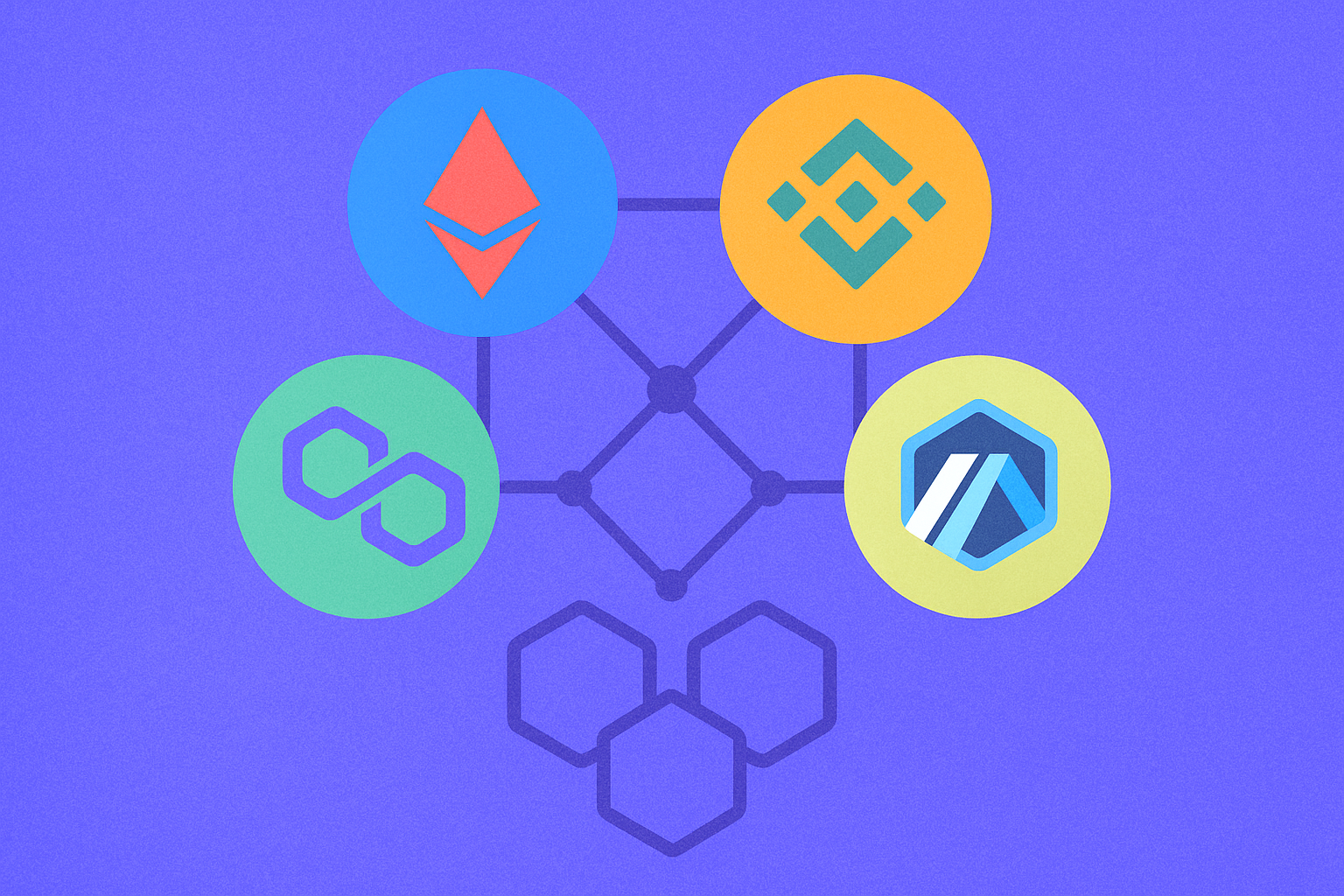
Unlocking Cross-Chain Interoperability with Solana Bridges


How to bridge to Solana
Solana is a popular blockchain platform known for its high performance and fast transaction speeds. This article will guide you through the process of bridging assets from other chains, particularly Ethereum, to Solana.
Preparing for bridging: wallet and asset selection
Before initiating the bridging process, it's crucial to select the right wallet and assets. A multi-chain Web3 Wallet is recommended as it supports both Ethereum and Solana networks. When choosing assets for bridging, ensure they are compatible with both chains. USDT is a common choice for bridging from Ethereum to Solana.
Exploring bridge services
There are two main types of bridge services: decentralized and centralized. Decentralized options offer direct chain-to-chain transfers, while centralized exchanges provide an intermediary step. Each has its advantages, with centralized options often being simpler and potentially more secure for beginners.
Bridging process: a step-by-step guide
The bridging process typically involves connecting your wallet to a bridge service and then initiating the transfer. Using a decentralized swap as an example, users need to connect their wallet, select the source and destination chains, specify the amount to bridge, and confirm the transaction. It's important to pay attention to details such as network fees and slippage during this process.
Understanding fees and timelines
Bridging involves several types of fees, including gas fees on both chains, bridge fees, and potentially conversion fees if switching between different assets. Transaction times can vary depending on network congestion and the specific bridge used. Generally, the process involves confirmation on the source chain, processing by the bridge, and final confirmation on the destination chain.
Security measures and best practices
Security is paramount when bridging assets. Users should only use reputable bridges, keep their main assets in a separate cold wallet, and revoke access to their wallet after bridging. It's also advisable to double-check all transaction details before confirming and be aware of potential issues like high slippage or liquidity problems.
Troubleshooting and support
Common issues in bridging include stuck transactions and cross-chain compatibility problems. Most issues resolve themselves given time, but users can seek help from official support channels of the platforms they're using if problems persist.
Conclusion
Bridging to Solana opens up new opportunities in the blockchain ecosystem. While the process may seem complex, following the steps outlined in this guide and adhering to best practices can make it a smooth and secure experience. As the blockchain landscape continues to evolve, bridging between chains will likely become increasingly important and user-friendly.
FAQ
What is the best bridge for Solana?
Wormhole is widely considered the best bridge for Solana, offering fast, secure, and cost-effective cross-chain transfers with support for multiple blockchains.
How to bridge from Solana to Base?
Use a cross-chain bridge like Wormhole or Allbridge. Connect your Solana wallet, select Base as the destination, choose the asset to bridge, and follow the prompts to complete the transfer.
Can Solana reach $1000 in 2025?
Yes, Solana could potentially reach $1000 in 2025. With its high-speed blockchain and growing ecosystem, SOL has strong upside potential in the next bull market.
Can you bridge on Phantom wallet?
Yes, you can bridge on Phantom wallet. Phantom supports bridging assets between Solana and other blockchains, making it convenient for users to transfer tokens across different networks.
Effective Tools for Detecting Honeypots on the Solana Blockchain

Exploring Advanced Bridge Solutions in Solana Network

Effortless Cross-Chain Transfers with Solana Bridge Solutions

Unlock Seamless Cross-Chain Transactions with Solana Bridge
Enhancing Blockchain Connectivity with Solana Solutions
A Beginner's Guide to Solana Blockchain Technology
Actively Validated Services (AVS): Boosting Security for Blockchains
What Is $CAR Coin? How to Buy the Central African Republic's Meme Coin Experiment
Explained: What Do the Ethereum Merge and Fork Entail?

Bubblemaps (BMT) Listing Guide: Launch Date, Key Details, and Price Prediction
How to Create and Deposit Funds in Your BWB Wallet