What is Token Economics Model: CRV's 3.03 Billion Supply Allocation, Inflation Design & Governance Mechanism Explained

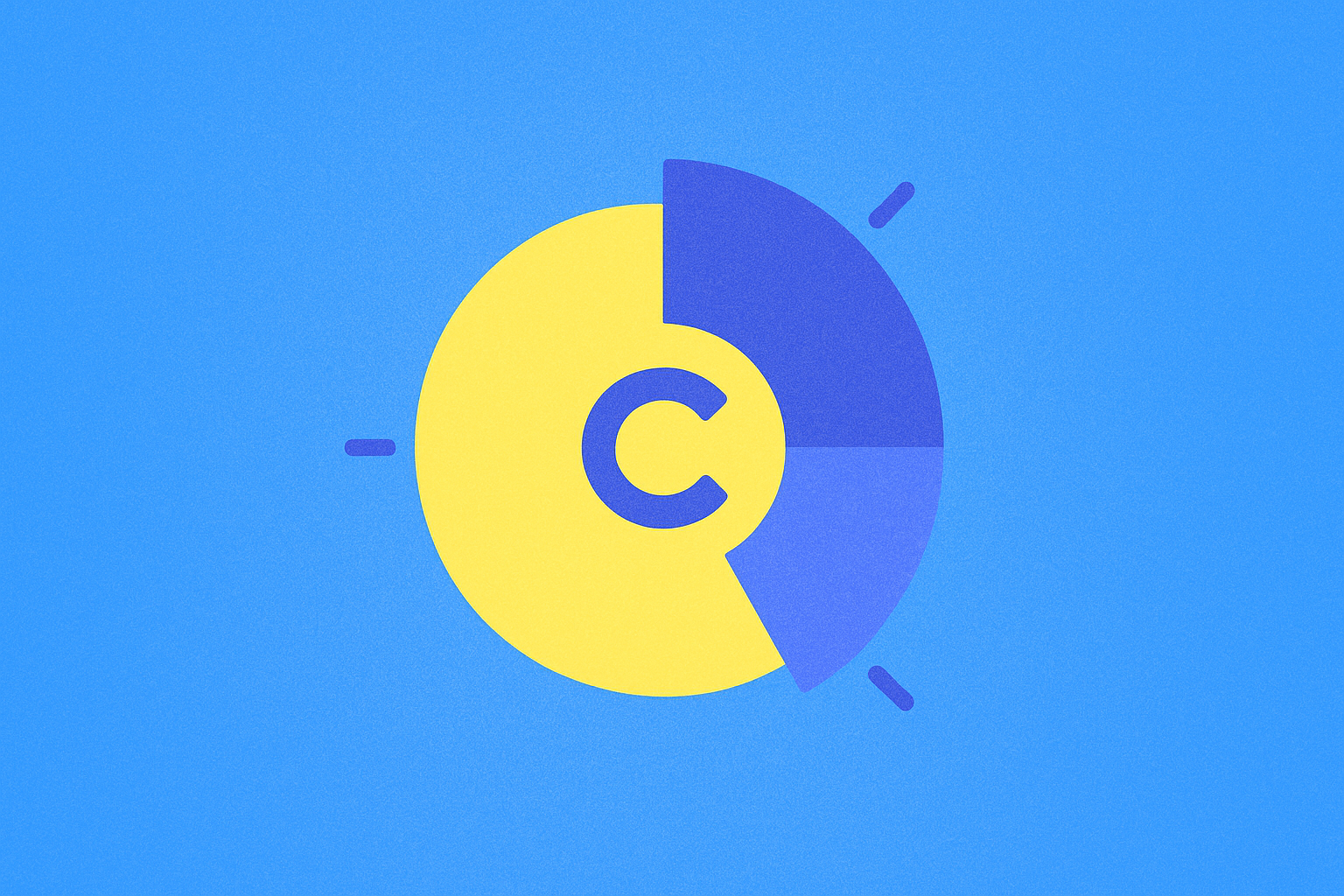
CRV's 30.3 Billion Token Supply: 62% Community Liquidity Providers, 30% Shareholders, 3% Team Allocation
The CRV token supply allocation reflects a deliberate design to balance community participation, investor returns, and operational sustainability. The distribution framework allocates the majority portion to community liquidity providers, recognizing that decentralized exchanges require substantial liquidity to function effectively. This 62% community allocation ensures that users providing liquidity to Curve pools receive meaningful token rewards, incentivizing deeper market participation and protocol growth. The remaining allocations serve complementary functions: the 30% shareholder allocation compensates early investors and stakeholders who supported Curve's development, while the 3% team allocation provides resources for core contributors to maintain and evolve the protocol. This tri-part token distribution model demonstrates how modern DeFi protocols structure incentives to align community, investor, and operational interests. The emission schedule spans decades, with initial annual releases of approximately 275 million tokens declining by roughly 16% yearly, creating a controlled inflation mechanism that rewards early adopters while managing long-term supply dynamics. This gradual distribution until 2376 reflects Curve's commitment to sustainable tokenomics, where governance power gradually concentrates among active community members who locked their tokens for voting rights, creating a self-reinforcing cycle of engagement and protocol stewardship through the CRV governance mechanism.
Inflation Design and Ve-Token Mechanism: Long-Term Locking Strategy to Reduce Circulating Supply and Align Stakeholder Incentives
Curve's inflation design pairs a structured emission schedule with an innovative ve-token mechanism to create sustainable long-term token economics. The protocol began with annual community emissions of approximately 274 million CRV tokens in 2020, declining by roughly 16% each year—a deflationary trajectory that gradually reduces new supply entering the market while rewarding early ecosystem participants.
The veCRV mechanism transforms how holders interact with this inflation. Rather than tokens flooding the market, users can lock their CRV for periods ranging from one week to four years, receiving vote-escrowed CRV in return. This locking strategy effectively reduces circulating supply without requiring token burning. Currently, approximately 930 million CRV tokens remain locked as veCRV, representing a substantial portion of total supply removed from market circulation.
This design brilliantly aligns stakeholder incentives across multiple dimensions. Token holders who lock their CRV gain three distinct utilities: the ability to boost liquidity provider rewards up to 2.5x, direct governance participation in protocol decisions, and weight voting power over CRV emissions allocation to different pools. These incentives encourage long-term commitment rather than short-term speculation.
The mechanism creates a virtuous cycle where protocols and sophisticated participants willing to maintain multi-year locks—averaging 3.65 years across the ecosystem—obtain amplified governance influence and reward multipliers. This rewards patient capital while naturally controlling circulating supply pressure, enabling Curve's inflation model to function sustainably without destroying value. The ve-token approach thus makes token economics self-reinforcing through aligned incentive structures.
Governance-Driven Value Capture: veCRV Holders Control Weekly CRV Distribution and Protocol Fee Revenue Through Gauge Weight Voting
The veCRV voting mechanism represents a sophisticated approach to aligning governance participation with long-term protocol commitment. Each week, veCRV holders participate in a democratic process determining how freshly minted CRV emissions distribute across network gauges—the mechanisms directing liquidity provider rewards. Those securing higher gauge weight votes receive proportionally larger weekly emission allocations, directly influencing protocol incentive structures and LP profitability across different trading pairs.
This time-weighted voting system extends beyond emission governance to encompass protocol fee revenue distribution, enabling veCRV holders to capture sustainable income streams beyond initial token emissions. By locking CRV tokens for specified periods, users obtain voting power that fundamentally shapes resource allocation. The incentive design proves remarkably effective: protocols and sophisticated participants routinely lock tokens for extended durations—averaging approximately 3.65 years—demonstrating strong confidence in Curve's long-term viability. This commitment mechanism creates a powerful feedback loop where governance influence directly correlates with demonstrated faith in the protocol's future, while simultaneously ensuring that those most invested in success maintain decision-making authority over critical distribution parameters affecting the entire ecosystem's economic sustainability.
FAQ
How is CRV token's 3.03 billion total supply allocated? What are the purposes of each portion?
CRV's 3.03 billion tokens are allocated as follows: 62% to liquidity providers, 30% to shareholders, 5% to community reserves, and 3% to employees. Shareholder and employee allocations are subject to 2-4 year vesting schedules.
What is CRV's inflation design? How are tokens released gradually and what is the annual inflation rate?
CRV's initial supply is 1 billion tokens, increasing gradually to a maximum of 3.03 billion. The first-year inflation rate peaks at 59.5%, then decreases annually. Token releases follow a programmed schedule that reduces inflation over time through governance mechanisms.
How do CRV holders participate in Curve governance? What are voting rights and governance mechanisms?
CRV holders lock their tokens to obtain veCRV, which grants governance voting rights through a time-weighted mechanism. veCRV holders vote on protocol changes and developments, directly influencing Curve's future direction and decisions.
How does CRV's economic incentive model encourage users to provide liquidity and participate in governance?
CRV incentivizes liquidity provision through LP token rewards and fee sharing. Users lock CRV to obtain veCRV, gaining voting power, enhanced rewards, and 50% protocol fee distribution. Longer lock periods yield higher rewards and greater governance influence.
What are the main differences in economic models between CRV and other DeFi governance tokens such as UNI and AAVE?
CRV features ve-tokenomics incentivizing long-term liquidity locking with protocol fee sharing, while UNI lacks direct protocol profits and AAVE focuses on lending governance. CRV's model ties LP interests directly to protocol success through veCRV voting power and fee capture mechanisms.
What is Curve's fee distribution mechanism? How do CRV holders benefit from protocol revenues?
Curve distributes 50% of trading fees to CRV holders through its dividend mechanism. CRV holders lock tokens to earn governance rights (veCRV) and receive protocol revenues proportionally. Additionally, liquidity providers in Curve pools earn trading fees, creating multiple revenue streams for token holders.
How will CRV's inflation affect token price and long-term investment value?
CRV's inflation reduces scarcity, potentially pressuring near-term prices. However, with a fixed 3.03 billion supply cap, deflationary mechanisms and governance-driven value creation can offset inflationary effects, supporting long-term price appreciation and sustained investment returns.
2025 Token Unlock Timeline: Key Dates to Know

Understanding Sybil Attacks: Enhancing Security in Blockchain Networks

Top DAO Crypto Initiatives for New Enthusiasts

Exploring the Three Layers of Avalanche Blockchain Architecture

What Is Token Economics Model: Complete Guide to Token Distribution, Inflation Design, and Governance Utility
What is BIO Protocol and How Does it Revolutionize Decentralized Science?
How Much Bitcoin Does BlackRock Own: Latest Data & Insights
How Much Bitcoin Does Elon Musk Own? Elon Musk's Bitcoin Holdings, Tweets & Investment Strategy

How to Recover Telegram Account Without Verification Code

How Much Is 10 Pounds of Gold Worth: Latest Market Insights

What is Gala Games: Whitepaper Logic, Use Cases, and Team Background Analysis