What is USDT Wallet Address: A Comprehensive Guide
Understanding USDT: A Stablecoin
Before exploring the specifics of a USDT wallet address, it is essential to understand what USDT represents in the cryptocurrency ecosystem. USDT, commonly known as Tether, is a stablecoin—a specialized type of cryptocurrency engineered to maintain price stability in the volatile crypto market.
Unlike traditional cryptocurrencies such as Bitcoin or Ethereum, whose values can experience dramatic fluctuations within short timeframes, Tether is pegged to the US dollar at a consistent 1:1 ratio. This pegging mechanism works through a reserve system where each USDT token is theoretically backed by one US dollar held in reserve. This fundamental design makes USDT an attractive option for traders and investors seeking to preserve value during uncertain market conditions or to quickly move between different cryptocurrency positions without converting back to fiat currency.
The practical applications of USDT extend across various sectors of the digital economy. In trading, USDT serves as a stable base pair for cryptocurrency exchanges, allowing traders to lock in profits or minimize exposure to market volatility. For international remittances, USDT offers a faster and often more cost-effective alternative to traditional banking systems. Additionally, its large market capitalization and high liquidity across major exchanges make it an essential instrument for both institutional and retail participants in the digital asset space.
What is a Wallet Address?
A wallet address in the cryptocurrency ecosystem functions similarly to an email address in conventional internet communications, but with critical differences that impact security and functionality. It serves as a unique identifier on the blockchain network, designating a specific location where cryptocurrencies, including USDT, can be sent or received. When you create a cryptocurrency wallet—whether through mainstream crypto wallets or other reputable platforms—you are assigned a unique set of addresses, each corresponding to specific types of digital assets.
Each wallet address comprises a complex string of alphanumeric characters, typically ranging from 26 to 35 characters in length. For example, a typical USDT wallet address might appear as:
1PnMfRF2enSZnR6JSexxBHuQnxG8Vo5FVK
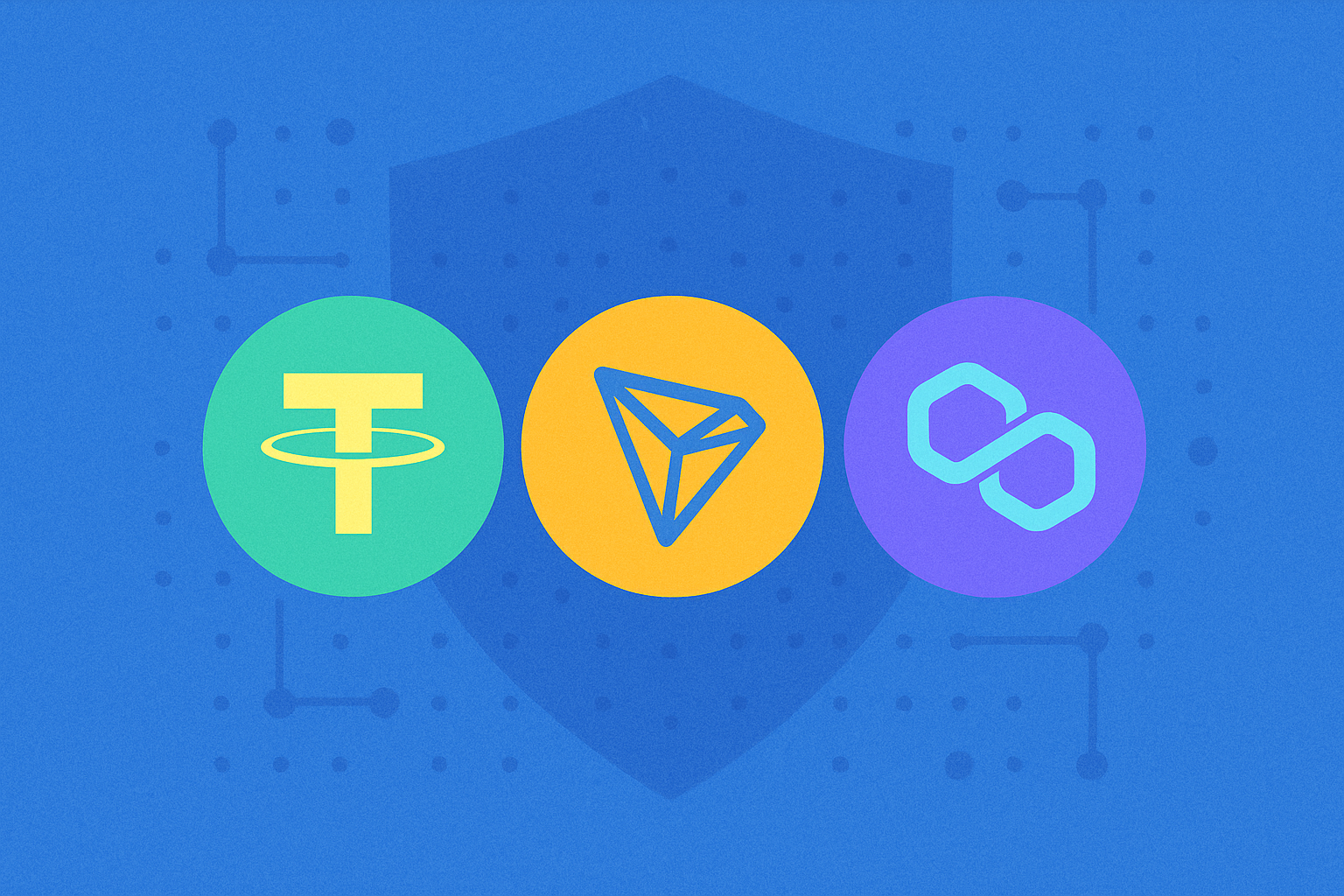
These addresses are generated through cryptographic algorithms that ensure uniqueness and security. The structure of a wallet address varies depending on the blockchain network it operates on. USDT, being a multi-chain token, can exist on different blockchains including Ethereum (ERC-20), Tron (TRC-20), and others, each with distinct address formats.
Understanding wallet addresses is crucial because blockchain transactions are irreversible by design. Once USDT is sent to an address, the transaction cannot be undone or reversed. Sending funds to an incorrect address would result in permanent loss, as there is no central authority to reverse or refund the transaction. This immutability underscores the importance of address verification before initiating any transfer.
How to Obtain a USDT Wallet Address
Acquiring a USDT wallet address is a straightforward process that can be completed in several steps. Most cryptocurrency wallets, including popular options available in the market, support USDT and automatically generate a wallet address upon account creation. Here's a comprehensive guide to obtaining your own USDT wallet address:
Step 1: Choose a Wallet Begin by selecting a reputable cryptocurrency wallet that supports USDT. Consider factors such as security features, user interface, customer support, and whether you prefer a custodial or non-custodial solution. Research user reviews and security track records before making your decision.
Step 2: Create an Account Sign up for your chosen wallet service. This process typically involves providing an email address, creating a strong password with a combination of letters, numbers, and special characters, and completing identity verification procedures. Some wallets may require additional verification steps depending on regulatory requirements in your jurisdiction.
Step 3: Access Your Wallet Dashboard Once your account is established and verified, log into your wallet to access the main dashboard. Familiarize yourself with the interface and available features, including security settings and backup options.
Step 4: Select USDT and Blockchain Network Navigate to the section of your wallet that lists supported cryptocurrencies and select USDT. Importantly, you may need to choose which blockchain network you want to use (such as ERC-20, TRC-20, or others), as each network will generate a different address format. Ensure you select the network that matches your intended use case, as sending USDT on the wrong network can result in loss of funds.
Step 5: Find and Copy Your Address Within the USDT section, locate the option to receive USDT. Clicking this option will display your unique USDT wallet address, often accompanied by a QR code for convenient mobile transactions. Copy this address carefully, and consider using the QR code feature to minimize the risk of manual entry errors.
The Role of USDT Wallet Addresses in Transactions
USDT wallet addresses serve as the fundamental infrastructure for transferring value on blockchain networks. Understanding their role in different transaction scenarios is essential for safe and efficient cryptocurrency operations.
Receiving USDT When you want to receive USDT from another party, you need to provide them with your USDT wallet address. The sender will enter this address into their wallet application, specify the amount to send, and confirm the transaction. Once broadcast to the blockchain network, the transaction typically takes several minutes to be confirmed, depending on network congestion and the specific blockchain being used. You can monitor incoming transactions through your wallet interface or by using blockchain explorers.
Sending USDT To send USDT to another party, you must obtain their wallet address. Exercise extreme caution when entering recipient addresses—double-check every character, as even a single error can result in irretrievable loss of funds. Many modern wallets include address book features that allow you to save frequently used addresses, reducing the risk of errors. Before confirming large transactions, consider sending a small test amount first to verify the address is correct.
Transaction Speed and Costs Transactions involving USDT generally process faster than traditional banking systems, with confirmation times ranging from a few minutes to under an hour depending on the blockchain network. Transaction fees, known as gas fees on networks like Ethereum, vary based on network congestion and the chosen blockchain. TRC-20 USDT transactions on the Tron network, for example, often feature lower fees compared to ERC-20 transactions on Ethereum. These efficiency advantages make USDT a preferable option for both large institutional transfers and smaller peer-to-peer transactions.
Security Considerations for Wallet Addresses
While USDT wallet addresses are designed with security protocols, users must adopt proactive measures to protect their digital assets. Understanding the distinction between public addresses and private keys is fundamental to cryptocurrency security.
Never Share Your Private Key A common misconception among newcomers is confusing wallet addresses with private keys. Your wallet address is public information that you can freely share to receive funds—it functions like your bank account number. However, your private key is the cryptographic password that grants access to your funds and must be kept absolutely confidential. Never share your private key with anyone, including customer support representatives from wallet providers, as legitimate services will never ask for this information.
Verify Against Phishing Attempts Phishing attacks targeting cryptocurrency users have become increasingly sophisticated. Always ensure you are accessing the genuine wallet provider's website by manually typing the URL or using verified bookmarks. Be wary of emails or messages claiming to be from your wallet provider, especially those requesting sensitive information or urging immediate action. Check for secure connections (HTTPS) and verify website certificates before entering any credentials.
Implement Strong Security Measures Enable two-factor authentication (2FA) using authenticator apps rather than SMS when possible, as SMS-based 2FA can be vulnerable to SIM-swapping attacks. Consider using hardware wallets for storing large amounts of USDT, as these devices keep your private keys offline and protected from online threats. Regularly update your wallet software to benefit from the latest security patches, and maintain secure backups of your recovery phrases in multiple physical locations.
Practice Address Verification Before confirming any transaction, verify the recipient address through multiple methods. Some malware can replace copied addresses with attacker-controlled addresses, so always double-check the address after pasting. For large transactions, consider using the address verification features provided by some wallets, or communicate with the recipient through alternative channels to confirm the address.
The Importance of Custodial and Non-Custodial Wallets
Understanding the distinction between custodial and non-custodial wallets is crucial for making informed decisions about how to manage your USDT and other digital assets. Each wallet type offers different advantages and trade-offs regarding security, convenience, and control.
Custodial Wallets In custodial wallet arrangements, a third-party service provider manages and stores your private keys on your behalf. This model resembles traditional banking relationships, where the institution holds your assets. Custodial wallets offer several advantages, including user-friendly interfaces, password recovery options, and customer support services. They are often preferred by beginners who may feel overwhelmed by the responsibility of managing private keys independently.
However, custodial solutions require trust in the service provider. Users must rely on trusted wallet providers to implement robust security measures and maintain the integrity of their systems. The provider's security practices, regulatory compliance, and financial stability become critical factors in protecting your assets. Additionally, custodial wallets may be subject to regulatory actions, account freezes, or service interruptions that could temporarily or permanently affect access to your funds.
Non-Custodial Wallets Non-custodial wallets grant users complete control over their private keys, embodying the cryptocurrency principle of "not your keys, not your coins." With this wallet type, you maintain sole responsibility for securing your private keys and recovery phrases. This arrangement offers maximum security and privacy, as no third party can access, freeze, or control your funds.
The primary advantage of non-custodial wallets is sovereignty—you have absolute control over your assets without dependence on any external entity. However, this independence comes with significant responsibility. If you lose your private keys or recovery phrase, there is no customer support team that can help you regain access to your funds. Users must implement their own security measures and backup strategies.
Choosing the Right Wallet Type The choice between custodial and non-custodial wallets depends on your technical proficiency, security preferences, and intended use case. Many experienced cryptocurrency users employ a hybrid approach, using custodial wallets for smaller amounts and active trading while storing larger holdings in non-custodial solutions for enhanced security. Consider your comfort level with technology, the amounts you plan to store, and your ability to maintain secure backups when making this decision.
The Future of USDT and Wallet Addresses
The cryptocurrency ecosystem continues to evolve rapidly, bringing innovations that will shape the future role of USDT and its associated wallet addresses. Several trends and developments are emerging that promise to enhance usability, security, and integration across the digital financial landscape.
Enhanced Usability Improvements Developers are working on solutions to make wallet addresses more user-friendly. Human-readable address systems, similar to domain names, are being implemented across various blockchain networks. These systems allow users to replace complex alphanumeric addresses with simple, memorable names, significantly reducing the risk of transaction errors. Additionally, cross-chain compatibility solutions are being developed to enable seamless transfers of USDT across different blockchain networks without requiring multiple wallet addresses.
Integration with Decentralized Finance (DeFi) USDT's integration with DeFi platforms continues to expand, offering users opportunities to earn yields through lending protocols, liquidity provision, and other financial instruments. Wallet addresses are becoming gateways not just for storing and transferring value, but for participating in complex financial ecosystems. Smart contract interactions directly from wallet interfaces are becoming more sophisticated, allowing users to engage with DeFi applications without leaving their wallet environment.
Advanced Security Protocols Emerging security technologies promise to make wallet addresses and cryptocurrency transactions even safer. Multi-signature wallet solutions, which require multiple private keys to authorize transactions, are becoming more accessible to average users. Biometric authentication, hardware security modules, and advanced encryption methods are being integrated into wallet applications to provide additional layers of protection against unauthorized access.
Regulatory Evolution As regulatory frameworks for cryptocurrencies mature globally, wallet providers are implementing enhanced compliance features while striving to maintain user privacy. Know Your Customer (KYC) and Anti-Money Laundering (AML) procedures are becoming standard for many wallet services, particularly those offering custodial solutions. These developments aim to provide legitimacy and protection for users while maintaining the core benefits of cryptocurrency technology.
Conclusion Being informed about USDT wallet addresses equips you to engage confidently with the cryptocurrency market. Whether you're sending, receiving, or holding USDT, understanding the technical and security aspects of wallet addresses is fundamental to protecting your digital assets while enabling efficient transactions. As the technology continues to advance, staying informed about best practices and emerging innovations will help you navigate the evolving landscape of digital finance. The cryptocurrency ecosystem offers significant opportunities for those who approach it with knowledge, caution, and a commitment to ongoing education.
FAQ
What is a USDT Wallet Address?
A USDT wallet address is a unique alphanumeric identifier that allows you to receive, send, and store Tether (USDT) tokens on blockchain networks like Ethereum, Tron, or Polygon. Each address functions as a digital account for managing your USDT assets securely.
How to obtain and create a USDT wallet address?
Download a crypto wallet app supporting USDT(such as MetaMask or Trust Wallet), create an account, complete verification, and generate a new wallet address. Your USDT address will be displayed in the wallet's receive section for transactions.
What are the differences in USDT wallet addresses across different blockchains (such as Ethereum, TRON, Polygon, etc.)?
USDT wallet addresses differ by blockchain network. Ethereum uses ERC-20 format starting with 0x, TRON uses TRC-20 format starting with T, and Polygon uses ERC-20 format similar to Ethereum. Each address is network-specific and non-interchangeable. Sending USDT to the wrong network results in loss of funds.
Is a USDT wallet address secure? How do I protect my USDT address and private key?
USDT wallet addresses are secure if properly managed. Protect your private key by storing it offline in hardware wallets, enabling two-factor authentication, and never sharing it publicly. Use official wallet providers and verify addresses before transactions to prevent theft or phishing attacks.
How to verify if a USDT wallet address is correct?
Verify USDT wallet addresses by checking the format matches your blockchain network(Ethereum, Tron, etc.),confirming the address length is 42 characters with 0x prefix, using blockchain explorers to validate active status, and always testing with small amounts first before major transfers.
What should I pay attention to when transferring to a USDT wallet address?
Ensure the wallet address is correct and on the same blockchain network(such as Ethereum, Tron, or Polygon). Verify the address format matches your network. Confirm gas fees or network fees before sending. Double-check the receiving address to avoid irreversible losses from sending to wrong addresses.
USDT钱包地址和比特币地址有什么区别?
USDT是基于区块链的稳定币,可部署在多条公链(以太坊、Tron等),不同链的USDT地址格式各异。比特币地址仅限比特币网络使用,以1、3或bc1开头。关键区别:USDT地址取决于所在公链,比特币地址专属比特币网络。
What should I do if I forget or lose my USDT wallet address?
You can recover your USDT wallet address by accessing your wallet application with your private key or seed phrase. If you have backup files or recovery codes, import them to restore access. Contact your wallet provider's support team for additional assistance with recovery options.
How to Transfer USDT to Another Wallet

TRC20 Address Explained: A Beginner's Guide
Understanding the TRC20 Token Standard: A Comprehensive Guide

Understanding TRC20 Address: A Comprehensive Guide

Exploring the Basics of TRC20 Tokens

Understanding TRC 20: A Comprehensive Guide to Token Standards
In Which Platform Pi Coin is Available

What is the impact of crypto regulation and compliance risks on token value in 2026
What Is Confluence in Crypto Trading

What Are Crypto Derivatives Market Signals and How to Read Futures Open Interest, Funding Rates, and Liquidation Data
How does Federal Reserve policy and inflation data affect crypto prices