

In Which Platform Pi Coin is Available


What Is Pi Coin and How Does It Work?
Pi Coin is a decentralized cryptocurrency created by the Pi Network project, which aims to allow anyone to mine cryptocurrencies using their mobile phones. Unlike traditional cryptocurrencies that require powerful mining rigs and substantial energy consumption, Pi Network offers a user-friendly application where members can participate in mining activities by simply checking into the app daily.
 This innovative approach has attracted millions of users worldwide who are interested in cryptocurrency mining without the technical barriers typically associated with blockchain technology.
The fundamental mechanism behind Pi Coin revolves around a mobile-first mining strategy. Users download the Pi Network application, create an account, and begin their mining journey by tapping a button once every 24 hours. This process validates their active participation in the network and contributes to the distributed consensus mechanism that secures the blockchain. The mining rate can be increased by inviting trusted contacts to join the network, creating a security circle that enhances both individual mining efficiency and overall network integrity.
Key Facts about Pi Coin:
- Launch: Pi Network started its journey in 2019, initiated by a team of Stanford graduates who envisioned making cryptocurrency mining accessible to everyday mobile phone users.
- Mining: Users mine Pi by interacting with the mobile app daily, which requires minimal battery consumption and does not interfere with device performance.
- Mainnet Status: Pi is currently in its "enclosed mainnet" phase, limiting external transfers and exchange trading until the open mainnet launch is completed.
- Ecosystem Development: The project has been building a comprehensive ecosystem including peer-to-peer marketplaces, decentralized applications, and merchant integration tools.
The vision behind Pi Network extends beyond creating just another cryptocurrency. The development team aims to build a widely accessible cryptocurrency ecosystem where users can not only mine tokens but also utilize them for real-world transactions, peer-to-peer exchanges, and decentralized application interactions. However, there's often confusion among crypto beginners about where Pi Coin can be traded or cashed out, primarily because the project is still in its developmental phase with restricted external accessibility.
Current Status of Pi Coin Exchange Listings
One of the most common questions among Pi Network participants is whether Pi Coin can be bought or sold on major crypto exchanges. Understanding the current status requires examining the project's development timeline and official statements regarding exchange listings.
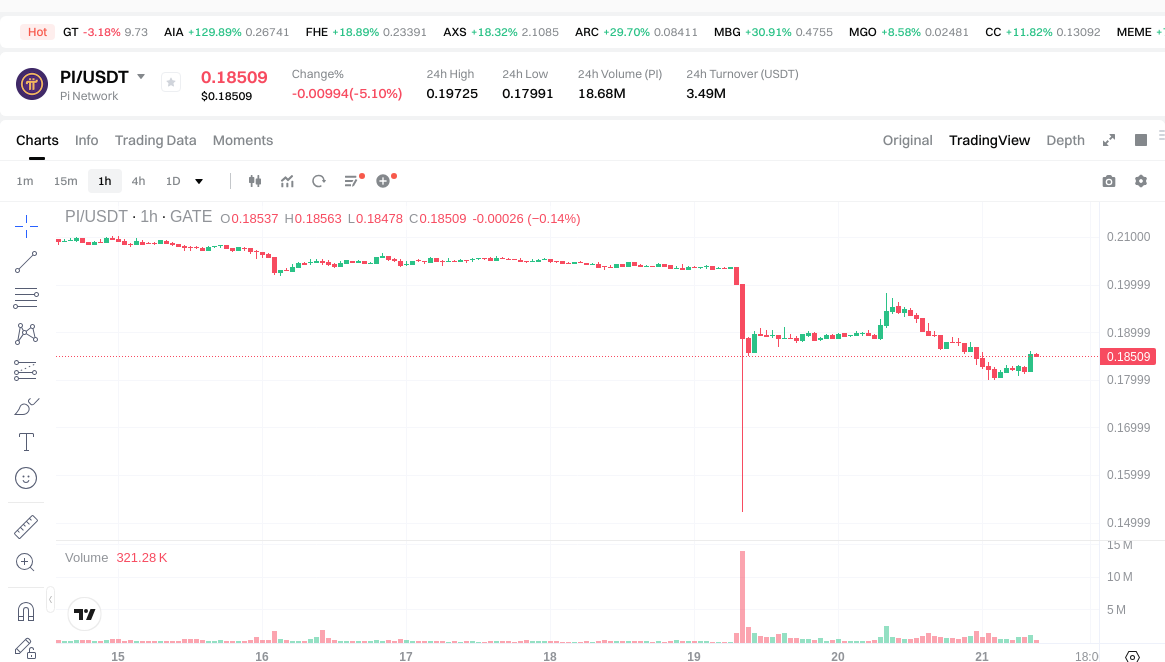
Enclosed Mainnet Phase: According to the Pi Network official website and community updates, Pi Coin remains in its enclosed mainnet phase during recent periods. This developmental stage means that real-time trading or withdrawal to external wallets remains restricted until the open mainnet launch is officially completed. The enclosed mainnet serves as a controlled environment where the development team can conduct security audits, test network stability, and ensure regulatory compliance before opening the network to external interactions.
No Official Exchange Listings: Pi Network has not officially listed its coin on any major cryptocurrency exchanges. The core development team has consistently emphasized that any trading activity claiming to offer Pi Coin on external platforms does not represent authentic Pi tokens mined through the official Pi Network application. This cautious approach reflects the team's commitment to ensuring network security and user protection before enabling widespread trading.
Unofficial Listings: Some third-party platforms have attempted to launch Pi coin trading pairs, often presenting them as futures contracts or IOU (I Owe You) tokens. However, the Pi Network Core Team has issued multiple warnings cautioning users against using these platforms. The tokens traded on such platforms are either speculative futures contracts or placeholder tokens that do not represent the actual Pi tokens from the Pi Network blockchain. Engaging with these unofficial platforms exposes users to significant risks including fraud, price manipulation, and potential loss of funds.
Table: Current Status of Pi Coin on Popular Platforms
| Platform Type | Listing Status | Notes |
|---|---|---|
| Leading Exchanges | Not officially listed | Will support if Pi mainnet is publicly launched |
| Major Platforms | Not listed | Pi Network cautions users about unofficial tokens |
| Certain Platforms | Unofficial IOU/futures | Not connected to real Pi tokens; users should avoid for mainnet Pi |
| Cryptocurrency Wallets | Not supported | Awaiting open mainnet and network integration |
| Third-party Attempts | Unofficial attempts | Pi Network has issued warnings about exchanges listing Pi prematurely |
The safest approach for potential Pi Coin traders is to wait for an official announcement from the Pi Network team regarding exchange listings. When the open mainnet launches and official exchange support becomes available, users should prioritize reputable platforms with established security protocols, comprehensive regulatory compliance, and transparent operational practices. These mainstream platforms typically offer robust security measures including cold storage solutions, multi-signature wallets, and insurance protection for user assets.
Steps to Prepare for Pi Coin Exchange Listings
If you're a Pi Network miner or holder anticipating the eventual trading availability of Pi Coin, preparing in advance can help ensure a smooth transition when the open mainnet launches and exchange listings become official. Here's a comprehensive step-by-step checklist to get ready for eventual trading opportunities:
1. Stay Updated: Monitor the Pi Network application and official announcement channels regularly for updates regarding the open mainnet launch and exchange listing confirmations. The official Pi Network website, verified social media accounts, and in-app notifications serve as the most reliable sources of information. Be cautious of unofficial channels or third-party websites claiming to have exclusive information about Pi Coin listings, as these may be phishing attempts or scam operations.
2. KYC Completion: Finish the in-app Know Your Customer (KYC) process as soon as you become eligible. The KYC verification is essential for mainnet migration and ensures that your mined Pi tokens will be transferable when the open mainnet launches. The verification process typically involves submitting identity documents and completing facial recognition procedures to comply with regulatory requirements and prevent fraudulent activities within the network.
3. Use Trusted Platforms: Plan to use well-established cryptocurrency exchanges for your first trades when Pi Coin receives official listings. Research multiple platforms, compare their fee structures, security features, and user reviews. Prioritize exchanges that offer comprehensive security measures such as two-factor authentication, withdrawal whitelisting, and cold storage for the majority of user funds.
4. Research Wallets: Once officially supported by the blockchain infrastructure, use a reputable cryptocurrency wallet for safe storage of your Pi tokens. Consider both hot wallets for convenient trading access and cold storage solutions for long-term holding. Evaluate wallet options based on security features, user interface, backup procedures, and compatibility with the Pi Network blockchain.
5. Never Share Private Information: Beware of scams or phishing attempts promising early access to Pi trading, exclusive exchange listings, or guaranteed returns on Pi investments. Legitimate exchanges and the Pi Network team will never request your private keys, seed phrases, or account passwords through unsolicited communications. Always verify the authenticity of any communication claiming to be from official sources before taking action.
6. Educate Yourself: Take time to understand basic cryptocurrency trading concepts including order types, market volatility, risk management strategies, and tax implications. Familiarize yourself with technical analysis fundamentals and market indicators that can help inform your trading decisions when Pi Coin becomes tradable.
Pi Coin remains one of the most anticipated cryptocurrency projects due to its unique mobile mining method and large community of participants. At the present stage, Pi Coin is not officially available on any trading platform or exchange. All "Pi trading" activities you may encounter on various platforms involve contractual or speculative tokens and not the real Pi tokens mined through the Pi Network application. If you're interested in trading or storing Pi Coin, the recommended approach is to wait for clear, official listings from trustworthy cryptocurrency exchanges and secure storage solutions upon mainnet launch. Stay informed through official sources to avoid scams and fraudulent schemes, and prepare now so you're ready when the open mainnet becomes accessible to the public. The development team's cautious approach prioritizes network security and user protection, which ultimately benefits the long-term viability and value proposition of the Pi Network ecosystem.
FAQ
Pi币可以在哪些交易所或平台上交易?
Pi coin is primarily available on decentralized platforms and peer-to-peer exchanges. Users can trade Pi through official Pi Network ecosystem platforms and selected third-party trading venues that support the network.
Which digital wallets support Pi Coin storage?
Pi Coin can be stored in Pi Network's official wallet app available on iOS and Android. Users can also utilize compatible web3 wallets that support Pi blockchain once mainnet integration is complete. Always ensure you use secure, verified wallet solutions.
How to acquire and manage Pi coins in the official Pi Network application?
Download the Pi Network app, complete KYC verification, and mine Pi daily by tapping the mining button. Manage your Pi in the built-in wallet, transfer between accounts, or hold for future ecosystem transactions within the app's secure environment.
Has Pi Coin been listed on mainstream trading platforms such as Binance and Coinbase?
Pi Coin is not yet available on major mainstream exchanges. It remains primarily accessible through the Pi Network app and community-based trading channels as the project continues its mainnet development phase.
Are there other ways to buy or exchange Pi coins besides exchanges?
Yes, you can acquire Pi coins through peer-to-peer transactions, mining rewards in the Pi Network ecosystem, or community trading channels. Additionally, some platforms offer direct purchase options and payment gateway integrations for Pi coin acquisition outside traditional exchange platforms.
Are there geographical restrictions on Pi Coin availability across different countries and regions?
Pi Coin availability varies by region due to regulatory differences. Most countries allow Pi holdings, but some restrict trading or mining activities. Users should verify local regulations before participating in the Pi network ecosystem.
Pi Network Launch Insights: Availability, Price Forecast, and Purchasing Guide

Pi Network Launch Date: Complete Guide to February 2025 Mainnet Launch
Pi Network Launch and Future Price: Key Dates and How to Acquire PI

Ultimate Guide to Trading Pi Network Coins: Top Platforms of 2024
What Is Pi (Pi Network)? │ Features, How It Works, and Future Outlook
Pi Coin Launch Date in India: What to Expect

What is the Current Crypto Market Overview: Market Cap Rankings, Trading Volume, and Liquidity Analysis 2026

What is on-chain data analysis and how does it predict crypto price movements

How to Use MACD, RSI, and Bollinger Bands Indicators to Trade Crypto Successfully
What causes crypto price volatility and how do support resistance levels predict market movements in 2026
How do Federal Reserve policies and inflation data impact crypto prices in 2026
