Arbitrum Airdrop Guide: Cross-Chain Bridge Tutorial

Introduction to Arbitrum Airdrop Opportunities
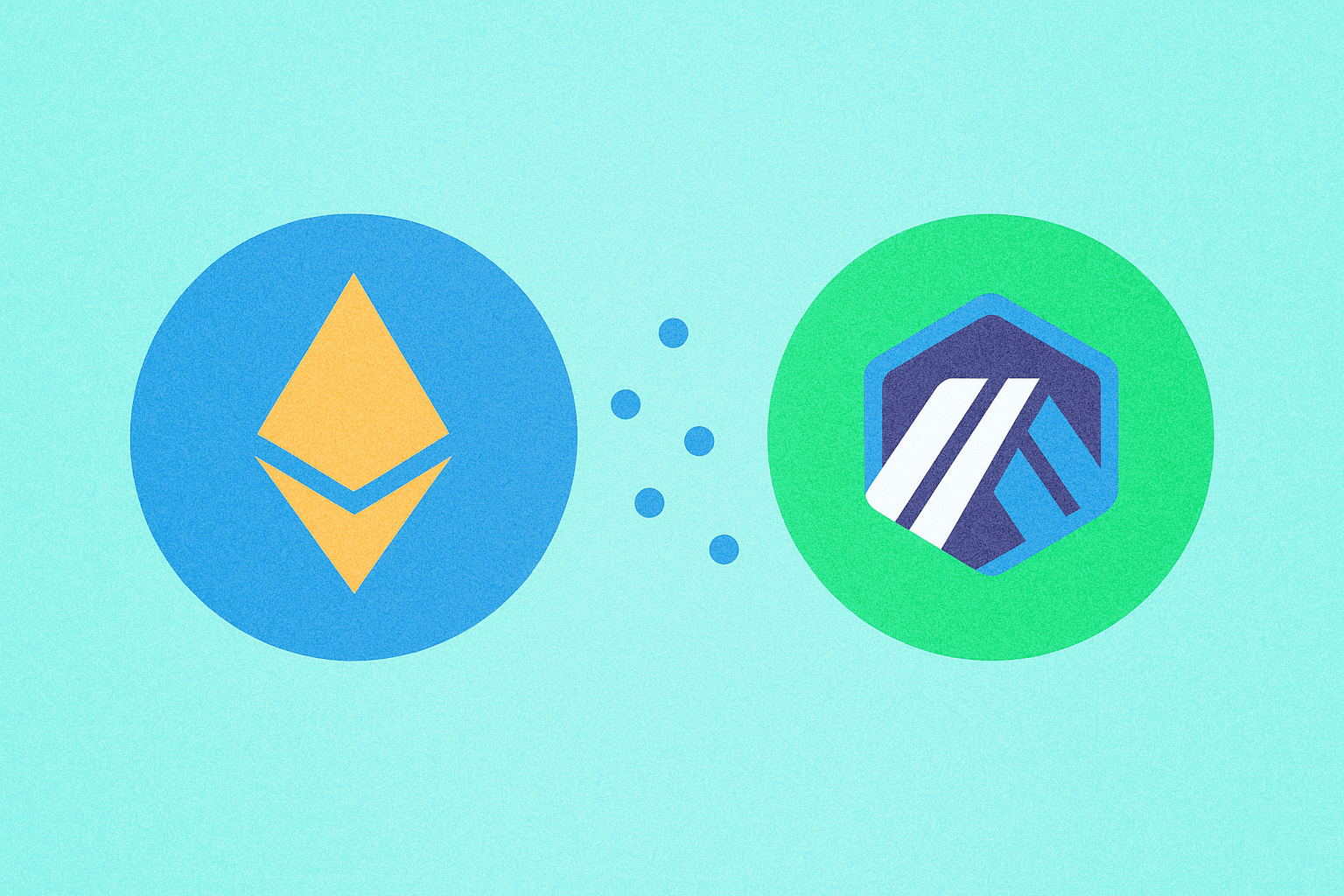
In recent years, the cryptocurrency ecosystem has experienced significant developments, with Layer 2 solutions emerging as a focal point for blockchain scalability. Among these innovations, Arbitrum has garnered substantial attention from the crypto community, particularly regarding potential airdrop opportunities.
The crypto space has witnessed several successful airdrop campaigns, including notable examples from various Layer 2 networks. These distributions have rewarded early adopters and active participants who engaged with the platforms through various on-chain activities. The pattern observed in previous airdrops suggests that users who actively participate in swapping, bridging, donating, and voting on-chain tend to have higher chances of receiving token distributions.
Arbitrum operates two distinct mainnets: Arbitrum One and Arbitrum Nova. Each serves specific use cases within the ecosystem. Arbitrum One primarily focuses on decentralized finance (DeFi) and non-fungible token (NFT) projects, making it the preferred choice for users seeking to maximize their interaction with financial protocols. Meanwhile, Arbitrum Nova is optimized for gaming and social applications, offering lower transaction costs for high-frequency interactions.
For users aiming to position themselves for potential airdrops, understanding the importance of on-chain activity is crucial. Historical data from similar Layer 2 networks indicates that transaction frequency, protocol diversity, and sustained engagement are key factors that platforms consider when determining airdrop eligibility.
Preparing for Cross-Chain Bridge Operations
Before engaging with the Arbitrum ecosystem, users must first transfer their assets from Ethereum mainnet or other blockchain networks to Arbitrum One. This process, known as bridging, is an essential prerequisite for participating in the Arbitrum ecosystem and potentially qualifying for future token distributions.
The bridging process involves locking assets on the source chain and minting equivalent tokens on the destination chain. For Arbitrum specifically, users need to have Ether (ETH) on the Arbitrum mainnet to pay for transaction fees and interact with various protocols. Understanding the different bridging options available can help users choose the most suitable method based on their specific needs, considering factors such as transaction speed, cost, and security.
It's important to note that the choice of bridge can impact both the user experience and the overall cost of the operation. Some bridges offer faster transaction times but may charge higher fees, while others prioritize cost-effectiveness over speed. Additionally, users should be aware of the security considerations associated with different bridging solutions, as the bridge infrastructure plays a critical role in safeguarding assets during the transfer process.
Bridge ETH from Ethereum Mainnet to Arbitrum One
Transferring ETH from Ethereum mainnet to Arbitrum One can be accomplished through several methods, each offering distinct advantages:
Official Arbitrum Bridge
The official Arbitrum bridge provides a direct and secure method for transferring assets. This bridge is maintained by the Arbitrum team and offers native integration with the protocol. Users can expect reliable performance and strong security guarantees when using the official bridge, though transaction times may vary depending on network congestion.
Mainstream Wallet Applications
Many leading crypto wallets have integrated cross-chain swap functionality, allowing users to bridge assets directly within the application interface. These solutions often aggregate multiple bridge protocols to offer users the best available rates and fastest transaction times. The integrated approach simplifies the bridging process by eliminating the need to navigate multiple platforms.
Alternative Bridge Solutions
Several third-party bridges have established themselves as reliable options for cross-chain transfers:
Multichain: A decentralized cross-chain router protocol that supports transfers between numerous blockchain networks. Multichain offers competitive fees and has built a strong reputation for security and reliability in the cross-chain bridge space.
SWFT Bridge: This bridge solution focuses on providing fast and efficient cross-chain swaps. SWFT Bridge supports a wide range of tokens and chains, making it a versatile option for users who need to bridge various assets.
Synapse Protocol: A cross-chain liquidity network that enables seamless asset transfers between different blockchain ecosystems. Synapse Protocol is known for its user-friendly interface and efficient bridging mechanism.
When selecting a bridge, users should consider factors such as transaction fees, processing time, supported tokens, and the bridge's security track record. It's advisable to start with smaller amounts to familiarize yourself with the bridging process before transferring larger sums.
Bridge Tokens from Other Mainnets to Arbitrum One
For users holding assets on blockchain networks other than Ethereum mainnet, the process of bridging to Arbitrum One may require additional steps. Many modern wallet applications and bridge protocols support direct transfers from various Layer 1 and Layer 2 networks to Arbitrum.
The key consideration when bridging from alternative mainnets is ensuring that the bridge protocol supports both the source chain and Arbitrum One. Users should verify token compatibility before initiating a transfer, as not all tokens may be available on Arbitrum or supported by every bridge.
Cross-chain swap functionality has become increasingly sophisticated, with many platforms now offering one-click solutions that automatically route transactions through the most efficient path. These aggregated solutions can save users both time and money by identifying the optimal bridge and route for their specific transfer.
When bridging tokens other than ETH, users should be aware of potential liquidity constraints and slippage. Some tokens may have limited liquidity on Arbitrum, which could affect the exchange rate during the bridging process. It's recommended to check the available liquidity for your specific token before initiating a large transfer.
Bridge ETH from Ethereum Mainnet to Arbitrum Nova
While Arbitrum One serves as the primary network for DeFi activities, Arbitrum Nova offers unique advantages for specific use cases, particularly gaming and social applications. The process of bridging ETH to Arbitrum Nova follows similar principles to bridging to Arbitrum One, but users should be aware of the distinct characteristics of each network.
Arbitrum Nova utilizes a different consensus mechanism optimized for high-throughput, low-cost transactions. This makes it particularly suitable for applications that require frequent microtransactions, such as gaming platforms and social media applications. Users interested in exploring these types of applications may benefit from maintaining a presence on Arbitrum Nova in addition to Arbitrum One.
The official Arbitrum bridge supports transfers to both Arbitrum One and Arbitrum Nova, allowing users to easily move assets between networks based on their specific needs. When deciding which network to use, consider the types of applications you plan to interact with and the transaction patterns you expect to follow.
For users seeking to maximize their potential airdrop eligibility, maintaining activity across both Arbitrum networks may be beneficial, as it demonstrates broader ecosystem engagement. However, users should balance this consideration against the practical utility of each network for their intended use cases and the additional costs associated with maintaining assets across multiple networks.
FAQ
What is Arbitrum? How does it differ from Ethereum mainnet?
Arbitrum is an Ethereum Layer 2 scaling solution using optimistic rollup technology. It offers faster transactions, lower fees, and maintains Ethereum security while processing transactions off-chain, then batching them to mainnet for finality.
How to participate in Arbitrum Airdrop? What conditions must be met?
Arbitrum airdrop has concluded. Eligibility was based on historical Arbitrum usage, bridging activity, and governance participation. Check official channels for current incentive programs and opportunities.
What is cross-chain bridging? How to transfer assets from Ethereum to Arbitrum using the official Arbitrum bridge?
Cross-chain bridging transfers assets between blockchains. Use Arbitrum's official bridge: connect wallet, select Ethereum network, deposit tokens, confirm transaction, then claim on Arbitrum. Assets arrive in minutes.
What risks should I be aware of when using cross-chain bridges? How can I ensure transaction safety?
Use reputable bridge protocols with strong security audits. Verify contract addresses carefully, start with small amounts, enable multi-signature wallets, and monitor gas prices. Double-check destination chain details before confirming transactions to prevent permanent fund loss.
What are the advantages of Arbitrum compared to other Layer 2 solutions like Optimism?
Arbitrum offers superior scalability with higher transaction throughput, lower fees, and faster finality. Its Nitro upgrade enhanced performance significantly. Arbitrum also features robust ecosystem support, stronger developer adoption, and greater transaction volume, making it a leading Layer 2 solution.
How much gas fees do I need to pay for transactions on the Arbitrum network?
Arbitrum transactions typically cost significantly less than Ethereum mainnet, usually $0.10-$2 depending on network congestion and transaction complexity. Gas prices fluctuate based on demand, making Arbitrum one of the most cost-effective Layer 2 solutions.
How to claim and manage airdrop tokens on Arbitrum?
Connect your wallet to Arbitrum network, visit the official airdrop portal, verify eligibility, claim tokens to your wallet address. Manage tokens through your wallet interface or Arbitrum dApps for staking, trading, or transfers.
How long does cross-chain bridging take to complete? Why is it sometimes slow?
Cross-chain bridging typically takes 10-30 minutes depending on network congestion and transaction volume. Delays occur due to block confirmation times, validator processing speeds, and peak network traffic periods. Higher transaction volumes can slow verification processes.

Secure Your Digital Assets with Innovative Integration Solutions
Layer 2 Scaling Made Easy: Bridging Ethereum to Enhanced Solutions

Exploring Cross-Chain Solutions with Polygon Bridge
Discover the Top Wallets for Polygon Integration

Guide to Using Ethereum to Arbitrum Cross-Chain Bridges

Guide to Uni Token Distribution Events

What is the WR Indicator?

What is Athene Network: The Blockchain Powering AI, Copyright Protection, and the Future of Digital Art
How to Download and Use a Web3 Wallet Browser Extension

UniFarm (UFARM): Multi-Token Rewards DeFi Staking Platform

Understanding Gas Fees and Optimizing Trades