LCP_hide_placeholder
fomox
MarketsPerpsSpotSwapMeme Referral
More
Smart Money Recruitment
Search Token/Wallet
/

Asynchronous

2026-01-20 20:19:10
Blockchain
Crypto Tutorial
Web 3.0
Web3 wallet
Article Rating : 3
115 ratings
This comprehensive guide explores asynchronous programming, a fundamental concept enabling independent, non-blocking operations crucial for modern blockchain and distributed systems. Asynchronous processes operate at their own pace without requiring synchronized coordination, making them ideal for decentralized networks spanning multiple geographic regions. The article outlines key advantages including enhanced scalability, improved resilience, and faster transaction processing compared to synchronous alternatives. Through the Hedera Hashgraph example, it demonstrates how asynchronous consensus mechanisms achieve high throughput and low-latency performance. The guide also covers practical implementation details using JavaScript callbacks, Promises, and async/await, while addressing common pitfalls and best practices. Whether you're exploring blockchain technology or building distributed applications, understanding asynchronous programming is essential for achieving optimal network performance and reliability
Asynchronous

What Does Asynchronous Mean?

Asynchronous is a term used to describe processes that operate independently, without requiring simultaneous action or coordination. This concept is particularly important in technology and computer science, as it allows different parts of a system to function at their own pace without having to wait for a synchronized signal or event. In the context of blockchain technology, asynchronous refers to the ability of network nodes to process transactions and communicate with each other at different times, rather than depending on a single unified timing mechanism.

In asynchronous blockchain systems, each node operates according to its own schedule, allowing operations such as transactions and data exchanges to be handled at different times within the network. This stands in stark contrast to synchronous systems, where all operations must be aligned and occur simultaneously, often causing inefficiencies and bottlenecks. Asynchronous operations are fundamental to maintaining high throughput in blockchain networks, as they promote continuous data processing without waiting for consensus from all participants.

The strength of asynchronous systems lies in their flexibility and resilience. They are well-suited for environments where communication delays are unpredictable and frequent, such as in decentralized networks distributed across multiple geographic locations. Asynchronous blockchains are particularly robust because they can continue to function smoothly even if some parts of the network are slow or temporarily offline. This independence from a central timing source allows the blockchain to remain operational and efficient under a wide variety of conditions.

For example, in a traditional synchronous blockchain, if one node experiences a delay, it can slow down the entire network's ability to process transactions. However, in an asynchronous blockchain, other nodes can continue processing transactions independently, ensuring that the network maintains its performance level. This architectural advantage makes asynchronous blockchains especially valuable for global applications where network latency varies significantly across different regions.

Advantages of Asynchronous Blockchain Technology

Asynchronous blockchain technology offers significant advantages in terms of scalability, resilience, and processing speed. By decentralizing the transaction verification process, it allows networks to scale more effectively, handling a greater volume of transactions without a corresponding increase in delays or congestion. This is because each node processes transactions independently, thus distributing the workload more evenly across the entire network.

The scalability benefits are particularly evident when comparing asynchronous blockchains to their synchronous counterparts. In synchronous systems, the network's throughput is often limited by the slowest node, as all nodes must reach consensus simultaneously. Asynchronous systems eliminate this bottleneck by allowing faster nodes to process transactions without waiting for slower ones, significantly increasing the overall transaction capacity of the network.

Moreover, asynchronous blockchains are highly resistant to failures. Since nodes do not operate simultaneously, the failure or delay of one node does not hinder the functionality of others. This makes the network more robust against faults and capable of sustaining operations even under non-ideal conditions. This resilience is crucial for mission-critical applications where downtime can result in significant losses or disruptions.

Finally, asynchronous blockchains often achieve faster transaction processing times. Without the need for all nodes to reach consensus simultaneously, transactions can be completed more quickly, improving the network's ability to support dynamic and high-volume applications. This efficiency is fundamental for industries that require rapid processing capabilities, making asynchronous blockchain the preferred choice for many sectors seeking to leverage decentralized technology. Industries such as financial services, supply chain management, and real-time data verification particularly benefit from these performance characteristics.

Example of Asynchronous Blockchain Technology

Hedera Hashgraph exemplifies asynchronous blockchain technology, employing a unique consensus mechanism known as hashgraph, which allows it to operate without traditional blockchain structures. It utilizes a system of "gossip about gossip" and "virtual voting," where nodes rapidly and efficiently disseminate information throughout the network, achieving high throughput and low-latency consensus. image_url This configuration allows Hedera to process multiple transactions simultaneously, significantly increasing their speed and volume while maintaining security through asynchronous Byzantine Fault Tolerance (aBFT).
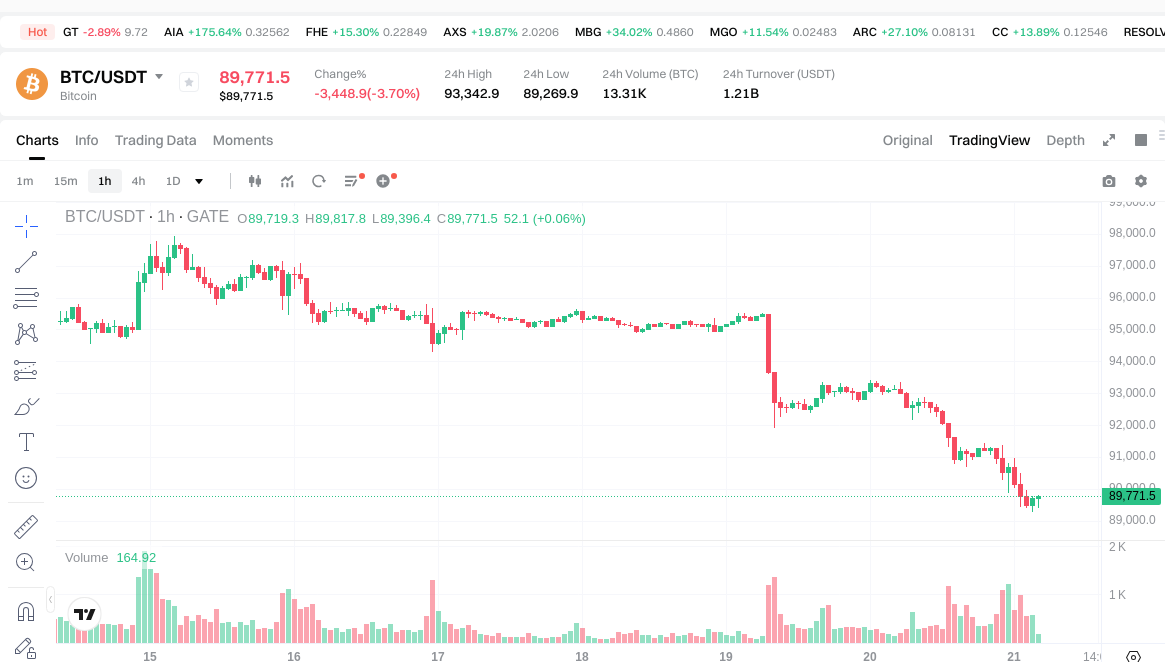
The gossip protocol works by having each node randomly share information with other nodes, which then share that information with additional nodes, creating an exponential spread of data across the network. This approach is highly efficient because it doesn't require a centralized coordination mechanism, and information propagates through the network at remarkable speed. The virtual voting mechanism then allows nodes to determine consensus without actually casting votes, instead calculating what each node would have voted based on the information they've received through gossip.

Furthermore, Hedera's architecture ensures fairness by recording transactions in the order they are received, making it suitable for applications that require rapid processing and high integrity, such as financial services and identity verification. The platform's ability to handle thousands of transactions per second while maintaining low fees and energy efficiency demonstrates the practical advantages of asynchronous blockchain technology in real-world applications. This makes Hedera particularly attractive for enterprise use cases where performance, security, and cost-effectiveness are all critical requirements.

FAQ

What is Asynchronous Programming? How does it differ from Synchronous Programming?

Asynchronous programming allows tasks to execute independently without blocking subsequent operations. Synchronous programming executes tasks sequentially, waiting for each to complete. Async enables better performance and responsiveness by handling multiple operations concurrently, while sync processes linearly and can cause delays.

What are the main application scenarios for asynchronous programming? Why use asynchronous instead of synchronous?

Asynchronous programming handles concurrent tasks efficiently in I/O operations, real-time data processing, and high-throughput transactions. It prevents blocking, improves system responsiveness, and maximizes resource utilization compared to synchronous approaches.

What are the main ways to implement asynchronous operations in JavaScript (callbacks, Promise, async/await)?

JavaScript offers three main async approaches: Callbacks execute functions after operations complete; Promises provide better control flow with .then() and .catch() methods; Async/await offers cleaner, more readable syntax by pausing execution until promises resolve, making code appear synchronous while remaining non-blocking.

What is Event Loop? How does it support asynchronous operations?

Event Loop is a mechanism that manages asynchronous tasks in JavaScript. It continuously checks for completed callbacks and executes them, allowing non-blocking operations. This enables crypto transactions and data processing to run concurrently without freezing the application interface.

What is the difference between Promise and async/await? When should each be used?

Promise is a foundation for asynchronous operations, returning a value eventually. Async/await is syntactic sugar built on Promises, offering cleaner, more readable code. Use async/await for modern, sequential async flows; use Promises for complex chaining or legacy compatibility.

What are common errors and pitfalls in asynchronous programming? How to avoid them?

Common async pitfalls include callback hell, unhandled promise rejections, and race conditions. Avoid them by using async/await syntax, proper error handling with try/catch, and careful state management. Always await promises and handle errors explicitly to prevent silent failures.

* The information is not intended to be and does not constitute financial advice or any other recommendation of any sort offered or endorsed by Gate.

Share

Content

What Does Asynchronous Mean?

Advantages of Asynchronous Blockchain Technology

Example of Asynchronous Blockchain Technology

FAQ

Related Articles
What is OpenSea? Complete Guide to the Leading NFT Marketplace
What is OpenSea? Complete Guide to the Leading NFT Marketplace

# Comprehensive Guide to Understanding NFT Marketplaces OpenSea stands as the world's largest decentralized NFT marketplace, enabling users to buy, sell, and trade unique digital assets across multiple blockchain networks including Ethereum, Polygon, and Solana. This comprehensive guide equips beginners and experienced traders with essential knowledge about OpenSea's features, fee structure, security protocols, and practical trading strategies. From wallet setup and NFT purchasing to creating collections and navigating competitive advantages, the article addresses key questions for collectors, creators, and investors entering the digital asset space. With multi-blockchain support, user-friendly interfaces, and a thriving community of three million active users, OpenSea provides the infrastructure for exploring blockchain-based ownership and monetization opportunities. Whether you're an artist seeking new revenue streams, a collector building digital portfolios, or a curious investor, this guide delivers acti
2026-01-01 05:28:04
What is OpenSea? Complete Guide to the Leading NFT Marketplace

What is OpenSea? Complete Guide to the Leading NFT Marketplace

# Understanding OpenSea: Comprehensive Insights into NFT Marketplaces OpenSea stands as the leading decentralized NFT marketplace, enabling users to buy, sell, and trade digital assets across 19 blockchains including Ethereum, Polygon, and Solana. This comprehensive guide addresses critical questions for artists, collectors, and traders seeking to navigate the NFT ecosystem safely and effectively. From wallet setup and transaction mechanics to security protocols and cost optimization, the article provides actionable insights for beginners and experienced users alike. Explore OpenSea's multi-blockchain infrastructure, competitive advantages, and evolving features like OS2, while understanding fee structures and risk mitigation strategies. Whether monetizing creative work, building digital collections, or entering Web3 commerce, this resource equips you with essential knowledge for successful NFT marketplace participation.
2026-01-02 05:18:21
Exploring MetaMask's Compatibility with Different Blockchain Networks

Exploring MetaMask's Compatibility with Different Blockchain Networks

Discover MetaMask's capabilities as a leading crypto wallet, designed to support Ethereum and EVM-compatible networks like Polygon, Arbitrum, and Binance Smart Chain. This article explores MetaMask's setup process, key features, pros, and cons, providing insights into its multi-network support for decentralized applications (dApps). It addresses the needs of crypto enthusiasts seeking a secure and versatile tool for managing digital assets. With straightforward instructions on wallet setup and use, the article is ideal for both beginners and seasoned crypto users to navigate Web3 applications effortlessly.
2025-11-29 08:23:44
Exploring Account Abstraction: What EIP 4337 Brings to the Table
Exploring Account Abstraction: What EIP 4337 Brings to the Table

Explore the groundbreaking concept of account abstraction and its implementation through EIP-4337. This innovation transforms Ethereum's account management by enabling smart contract wallets, enhancing security, and reducing entry barriers for mainstream users. The article delves into the evolution and comparison of AA solutions, highlights the technical framework of EIP-4337, and outlines significant security advancements. Perfect for developers, crypto enthusiasts, and businesses eager to leverage Ethereum's flexible, secure, and user-friendly infrastructure. Dive into Ethereum's account abstraction journey, ensuring a detailed understanding of its mechanics and potential.
2025-12-04 08:12:41
How to Create an NFT: Step-by-Step Guide for Beginners

How to Create an NFT: Step-by-Step Guide for Beginners

Discover how to create your first NFT image in a few easy steps. This comprehensive beginner's guide covers selecting a blockchain, setting up your wallet, using relevant platforms, and selling NFTs on Gate and other marketplaces.
2026-01-05 01:14:01
Mastering the Basics: A Comprehensive Guide to Private Keys

Mastering the Basics: A Comprehensive Guide to Private Keys

Explore the essentials of private keys in cryptocurrency with this comprehensive guide. Understand why "not your keys, not your coins" defines crypto ownership and security. Learn how private keys work, how to safeguard them, and their importance in protecting your digital assets. Discover different storage options, like hardware wallets, and get practical tips on maintaining key security. This article serves crypto enthusiasts and investors seeking to secure their assets effectively, ensuring they maintain control over their investments. Keyword focus: private keys, cryptocurrency security, digital asset protection.
2025-11-02 10:59:27
Recommended for You
What Is Volume and Market Cap in Crypto: A Comprehensive Guide

What Is Volume and Market Cap in Crypto: A Comprehensive Guide

This comprehensive guide demystifies two essential cryptocurrency metrics: trading volume and market capitalization. Trading volume measures total cryptocurrency transactions within 24 hours, reflecting market liquidity and investor activity. High volume indicates strong interest, tighter bid-ask spreads, and resistance to price manipulation. Market cap represents a cryptocurrency's total value by multiplying coin price by circulating supply, categorizing assets as large-cap, mid-cap, or small-cap investments. While market cap indicates size and stability, volume reveals real-time market dynamics and trading interest. Understanding both metrics empowers investors to assess liquidity conditions, identify price trends, and evaluate cryptocurrency health. Large-cap assets offer lower volatility and institutional adoption, while low-volume coins present higher manipulation risks and slippage challenges. This article equips investors with analytical frameworks combining volume and market cap analysis with fundamen
2026-01-20 21:27:46
Centralized Exchange

Centralized Exchange

This comprehensive guide explores centralized exchanges (CEXs), the dominant platforms bridging traditional finance and cryptocurrency trading. CEXs operate as trusted intermediaries, providing intuitive interfaces, high liquidity, and advanced trading tools that make crypto accessible to millions worldwide. The article examines how these platforms function through centralized order matching and custodial asset management, then outlines key advantages including rapid transaction processing and fiat-to-crypto conversion capabilities. It also addresses critical risks such as cybersecurity vulnerabilities, privacy concerns from KYC requirements, and regulatory restrictions. Whether you're a beginner seeking market entry or an experienced trader evaluating exchange platforms, this guide on Gate and other CEX fundamentals equips you with essential knowledge about their mechanisms, benefits, and protective measures for secure trading.
2026-01-20 21:26:16
What is USDT Wallet Address: A Comprehensive Guide
What is USDT Wallet Address: A Comprehensive Guide

This comprehensive guide explores USDT wallet addresses, essential tools for managing Tether stablecoins across blockchain networks. The article covers foundational concepts including USDT's 1:1 US dollar peg, wallet address structure, and their critical role in cryptocurrency transactions. It provides step-by-step instructions for obtaining wallet addresses through reputable crypto wallets while emphasizing the irreversible nature of blockchain transactions. The guide addresses key security considerations, distinguishing between private keys and public addresses, and implements protection strategies against phishing attacks. It compares custodial and non-custodial wallet options, enabling readers to choose solutions matching their needs. Perfect for traders, investors, and crypto newcomers seeking secure USDT management across platforms like Ethereum, Tron, and Polygon networks.
2026-01-20 21:24:42
Why is Doge Going Up: Everything You Need to Know

Why is Doge Going Up: Everything You Need to Know

This comprehensive guide explores the multifaceted reasons driving Dogecoin's price surge in the cryptocurrency market. The article examines five critical factors: celebrity endorsements from influential figures creating viral momentum, speculative trading opportunities attracting both retail and institutional investors, passionate community support fostering long-term adoption, media coverage expanding mainstream awareness, and future development potential. Whether you're a seasoned crypto trader or emerging investor, understanding these interconnected dynamics—from social proof mechanisms to technological advancement—is essential for navigating Dogecoin's volatility and making informed investment decisions on Gate and other platforms. The guide also addresses investor concerns through its comprehensive FAQ section, providing clarity on risks, advantages, and long-term prospects to help you evaluate Dogecoin's investment viability in today's evolving digital asset landscape.
2026-01-20 21:20:51
What Is a Sybil Attack in Crypto?

What Is a Sybil Attack in Crypto?

This article provides a comprehensive guide to Sybil attacks and their implications for blockchain security. It explains how attackers create multiple fraudulent identities to gain disproportionate network control, potentially compromising transaction integrity and enabling 51% attacks. The article examines attack mechanics, devastating consequences including double-spending and privacy breaches, and explores defense mechanisms such as Proof of Work and Proof of Stake consensus algorithms. Real-world incidents demonstrate vulnerabilities in smaller networks, while reputation systems and identity verification offer additional protection layers. Understanding Sybil attack strategies is essential for developers, users, and cryptocurrency investors seeking to assess blockchain security and make informed decisions when trading on platforms like Gate or participating in decentralized networks.
2026-01-20 21:17:58
Buy Telegram Members Crypto: Guide & Strategies

Buy Telegram Members Crypto: Guide & Strategies

This comprehensive guide empowers Web3 and cryptocurrency projects to strategically boost Telegram community visibility through cryptocurrency-funded member acquisition. It addresses the critical challenge of standing out in Telegram's competitive landscape by exploring both real and bot member options, vetting reliable service providers, and securing payments via Bitcoin, Ethereum, USDT on Gate, and other digital assets. The article delivers actionable insights on package selection, transaction execution, and delivery monitoring while thoroughly examining potential risks including platform policy violations and community trust erosion. Beyond paid strategies, it presents organic growth alternatives like referral programs, strategic partnerships, and content virality. By balancing paid acquisition with authentic engagement, projects can build credible, engaged communities that drive sustainable success in the dynamic cryptocurrency ecosystem.
2026-01-20 21:16:08