Blockchain Innovation: Exploring Mainchain and Sidechain Technologies

What Is Layer-0: Redefining Blockchains with Mainchains and Sidechains
The blockchain ecosystem is intricate, built on multiple layers of technology that power its transformative capabilities. While terms like layer-1 and layer-2 are now commonplace, a new category has entered the spotlight: layer-0. This blockchain protocol forms the foundational infrastructure for many of the digital assets and tokens traded today.
Blockchain Overview
Before exploring layer-0, it's important to understand the fundamentals of blockchain technology. At its core, a blockchain is a public, distributed digital ledger that records transactions securely using cryptography. The blockchain stack typically consists of five layers: hardware infrastructure, data, network, consensus, and application.
Understanding Blockchain Protocols
When learning about blockchain, you'll encounter terms like layer-1 and layer-2, which classify different types of blockchain protocols with distinct roles in the overall ecosystem. Layer-0 is gaining traction for its emphasis on scalability and interoperability across blockchains.
How Does Layer-0 Work?
Layer-0 blockchain protocols use a sidechain-based architecture, comprised of three elements:
- The mainchain, which facilitates data transfer between multiple layer-1s built on layer-0.
- Sidechains—application-specific layer-1s connected to the mainchain.
- An interchain communication protocol that standardizes data exchange among layer-1s.
Advantages of Layer-0 Blockchain Protocols
- Scalability: By distributing transactions across various layers, layer-0 increases network efficiency and supports higher throughput without compromising security.
- Customization: Developers can create specialized layer-1 chains tailored to distinct use cases.
- Innovation: Layer-0’s modular design accelerates development and experimentation, fueling new functionalities and applications within the blockchain sector.
Layer-0 vs. Layer-1: Key Differences
Layer-0 and layer-1 both deliver core benefits such as decentralization, security, and transparency, but they diverge in several critical areas:
- Primary Function: Layer-0 provides the foundational infrastructure for building blockchains, while layer-1 manages transaction processing and consensus protocols directly.
- Scalability: Layer-0 enhances scalability by fostering interoperability among various layer-1 blockchains.
- Flexibility: Layer-0’s flexible architecture enables the creation of diverse layer-1 blockchains with unique features.
Leading Layer-0 Examples
Notable layer-0 protocols include:
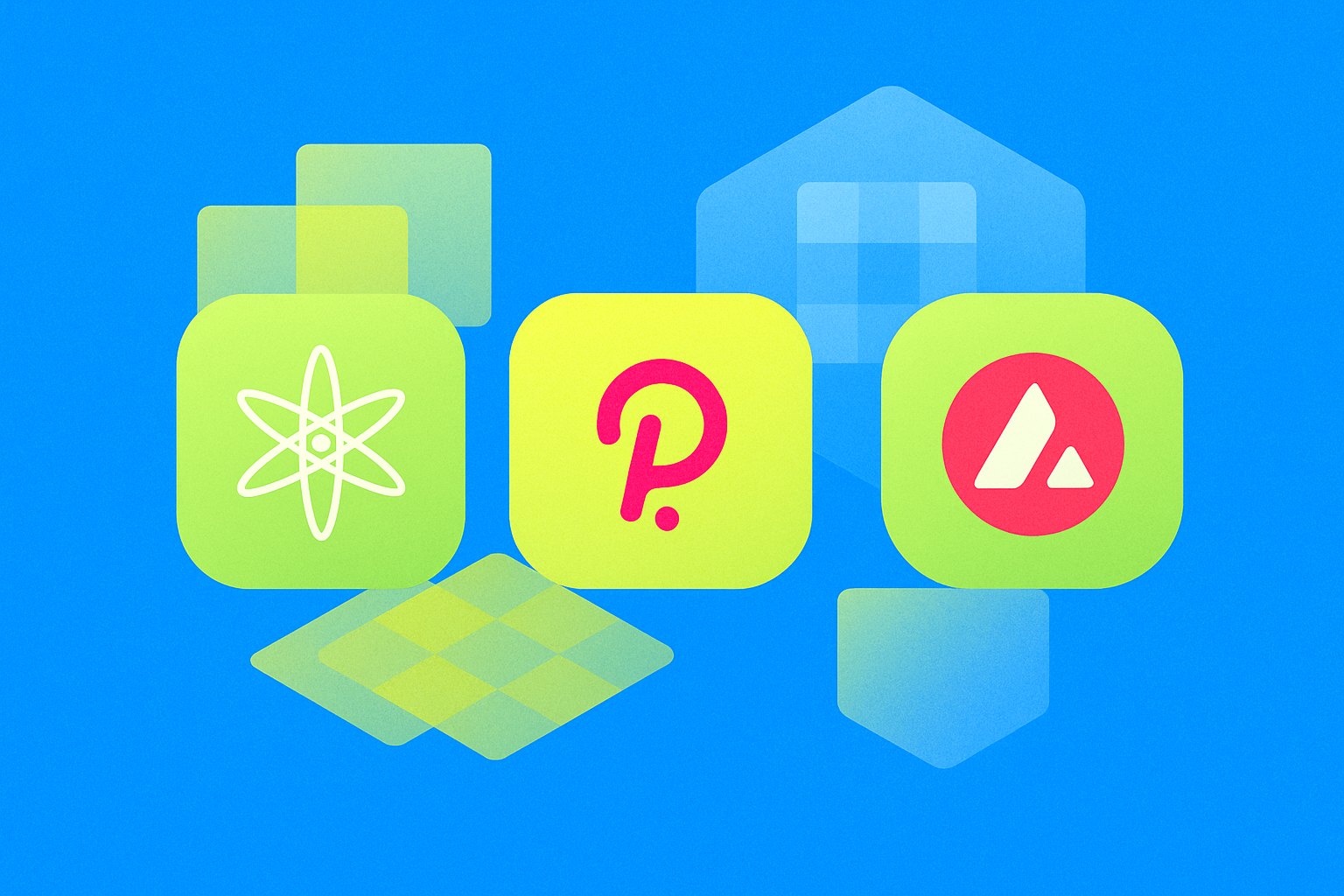
- Avalanche (AVAX)
- Cosmos (ATOM)
- Polkadot (DOT)
Each protocol presents distinct models for blockchain interoperability and scalability.
Conclusion
The success of layer-0 protocols such as Cosmos, Polkadot, and Avalanche marks a significant evolution in blockchain architecture. By addressing the scalability and interoperability limitations found in leading layer-1 blockchains, layer-0 protocols act as the core infrastructure, enabling modular sidechains and specialized communication standards. This unlocks a more dynamic, interconnected blockchain ecosystem, where customizable layer-1s built atop robust layer-0 foundations serve specific market needs and pave the way for a future defined by seamless blockchain integration.
FAQ
Which Cryptocurrencies Are Layer-0?
Polkadot (DOT), Cosmos (ATOM), and Avalanche (AVAX) are prominent layer-0 cryptocurrencies providing infrastructure for interoperable blockchains.
Is Bitcoin a Layer-0 or Layer-1 Blockchain?
Bitcoin is classified as a layer-1 blockchain. It is the primary blockchain that directly processes and validates transactions on its main network.
What Is Layer-Zero Crypto?
Layer-zero crypto refers to blockchain infrastructure that securely connects multiple networks, enabling efficient communication and asset transfers across different chains.
What Is the Difference Between Layer-1, Layer-2, and Layer-0?
Layer-0 is the foundational infrastructure, Layer-1 represents the primary blockchain, and Layer-2 encompasses scalability solutions built on top of Layer-1.
Understanding Layer 0 in Blockchain Technology
Innovative Blockchain Solutions: Enhancing Scalability with Main and Side Chains

Fundamentals of Blockchain Architecture: Layer 0

Blockchain Layer 0 Fundamentals: Everything You Should Know

Exploring the Foundation of Blockchain Technology: Understanding Layer 0
Roam Listing Details: Launch Date, Price Predictions, and How to Buy $ROAM

DePIN: Hardware Set to Transform Web3
MACD指標是什麼?

Bitget Wallet Valued at $300 Million After Investment from Mainstream Exchange, Boasts 10 Million Users
How to Buy $LUNA Coin and What is the Lynk's Cat Token?