Understanding Layer 0 in Blockchain Technology

What is Layer-0: Redefining Blockchains with Mainchains and Sidechains
Layer-0 represents a groundbreaking evolution in blockchain architecture, serving as the foundational infrastructure upon which multiple layer-1 blockchains are built. As blockchain technology continues to mature, understanding what is layer-0 and the role of layer-0 protocols becomes essential for grasping how modern blockchain ecosystems achieve scalability, interoperability, and customization. This article explores the concept of layer-0 blockchain protocols, their relationship with other blockchain layers, and their transformative impact on the decentralized technology landscape.
A Blockchain Refresher
To understand what is layer-0 and its significance, it's crucial to first comprehend the fundamental structure of blockchain technology. A blockchain functions as a public digital ledger that records transactions in a distributed manner, secured through advanced cryptography. The blockchain architecture consists of five essential layers: the hardware infrastructure layer, which provides the physical foundation; the data layer, responsible for storing transaction information; the network layer, which facilitates communication between nodes; the consensus layer, ensuring all participants agree on the state of the blockchain; and the application layer, where users interact with blockchain-based services. Each layer performs specialized functions that collectively enable the blockchain to operate securely and efficiently. For instance, the data layer maintains the immutable record of all transactions, while the consensus layer employs mechanisms like Proof of Work or Proof of Stake to validate new blocks. This multi-layered approach ensures that blockchains can maintain their core properties of decentralization, security, and transparency.
Understanding the Different Blockchain Protocols
The blockchain ecosystem is structured around distinct protocol layers, each serving specific purposes within the technological stack. When exploring what is layer-0, it's important to understand how layer-1, layer-2, and layer-0 protocols represent different approaches to solving blockchain's fundamental challenges. Layer-1 blockchain protocols, such as Bitcoin and Ethereum, are independent networks that handle core functions including transaction processing, network security through cryptography, and block creation. These mainchains form the base layer of blockchain infrastructure but often face scalability challenges as user demand increases, resulting in network congestion, slower transaction speeds, and elevated gas fees. Layer-2 blockchain protocols address these limitations by building solutions on top of existing layer-1 chains, specializing in scalability improvements. Like additional lanes on a congested highway, layer-2 solutions process transactions off-chain, reducing bottlenecks on the main layer-1 network and providing users with faster, more cost-effective transactions. Layer-0 blockchain protocols represent the foundational infrastructure upon which entire layer-1 chains are constructed. These protocols establish the core architecture and communication standards between different blockchains, enabling seamless interaction and data sharing. By addressing fundamental issues like interoperability gaps and scalability constraints inherent in monolithic layer-1 architectures, layer-0 protocols enable the creation of modular, purpose-specific blockchains that can be customized to meet diverse community needs.
How Does Layer-0 Work?
Understanding what is layer-0 requires examining how these protocols operate through a sophisticated sidechain-based architecture comprising three essential components. First, a mainchain serves as the central hub for transferring data between various layer-1 blockchains built atop the layer-0 foundation. Second, sidechains function as application-specific layer-1 blockchains connected to the mainchain, each tailored for particular use cases or functionalities. Third, an interchain communication protocol establishes standardized methods for data exchange among the different layer-1 chains. To illustrate this architecture, consider Polkadot, a prominent layer-0 blockchain. Polkadot implements a relay chain as its mainchain, which coordinates the entire network. Connected to this relay chain are parachains—parallel chains that operate as application-specific layer-1 sidechains, each optimized for different purposes. Polkadot's Cross-Consensus Message Passing (XCMP) protocol serves as the network-layer standard, enabling interoperability and seamless communication between these various consensus systems. This architecture allows different blockchains to maintain their unique characteristics while benefiting from shared security and the ability to exchange information, creating a truly interconnected blockchain ecosystem.
Benefits of a Layer-0 Blockchain Protocol
When considering what is layer-0, it's essential to understand that layer-0 protocols deliver several transformative advantages to the blockchain ecosystem. Scalability is significantly enhanced as layer-0 architecture distributes transactions across multiple layers and chains, improving overall network efficiency and enabling the system to handle substantially larger transaction volumes without compromising security or decentralization. This approach effectively addresses one of blockchain's most persistent challenges. Customization capabilities represent another major benefit, as developers can build specialized layer-1 chains precisely tailored to specific requirements while leveraging the interoperability framework provided by layer-0. For example, some layer-1 chains might specialize in GameFi applications, while others focus on decentralized applications (DApps) or decentralized finance (DeFi) solutions. Innovation flourishes within layer-0 ecosystems due to their inherent modularity, which fosters rapid development and experimentation. This environment encourages the creation of new functionalities and applications within the blockchain space. A concrete example is the Venom blockchain, which employs dynamic sharding technology to automatically adjust the number and size of shard chains based on current network load, demonstrating how layer-0's flexible foundation enables creative solutions to scalability challenges.
Layer-0 vs Layer-1: How Different Are They?
To fully grasp what is layer-0, it's valuable to compare it with layer-1 protocols. While layer-0 and layer-1 protocols share fundamental blockchain goals, they differ significantly in their roles and approaches. Both layers share several core similarities: they prioritize decentralization by distributing network governance and operations among multiple nodes, preventing any single entity from controlling the network. Both employ robust cryptographic techniques to maintain security, protecting blockchain integrity and preventing data tampering. Scalability remains a focus for both, as they strive to maximize transaction throughput and efficiently handle increasing user numbers. Additionally, both operate with full transparency, allowing users to track transactions and verify blockchain states through blockchain explorers. However, the differences between layer-0 and layer-1 are substantial. Their fundamental utility diverges significantly—layer-0 targets the underlying infrastructure for building blockchains and facilitating interoperability, while layer-1 directly handles transaction processing and consensus mechanisms. Despite these different roles, they complement each other: layer-0's interoperability facilitates the creation of interconnected blockchain networks, while layer-1's core operations ensure the security and efficiency of individual blockchains. Their approaches to scalability also differ markedly. Layer-1 blockchains, built monolithically, often face scalability bottlenecks. Layer-0 protocols address this by encouraging interoperability between different layer-1 blockchains, allowing transactions to be routed across multiple chains and effectively increasing overall transaction throughput without requiring traditional sharding or sidechain solutions. Flexibility represents another key distinction. Layer-1 blockchains tend to be more rigid due to their specific consensus mechanisms and data storage structures. In contrast, layer-0 blockchains thrive on flexibility, enabling the creation of diverse layer-1 blockchains with varying features and capabilities, all while leveraging layer-0's adaptable foundation and interoperability standards.
Examples of Popular Layer-0s
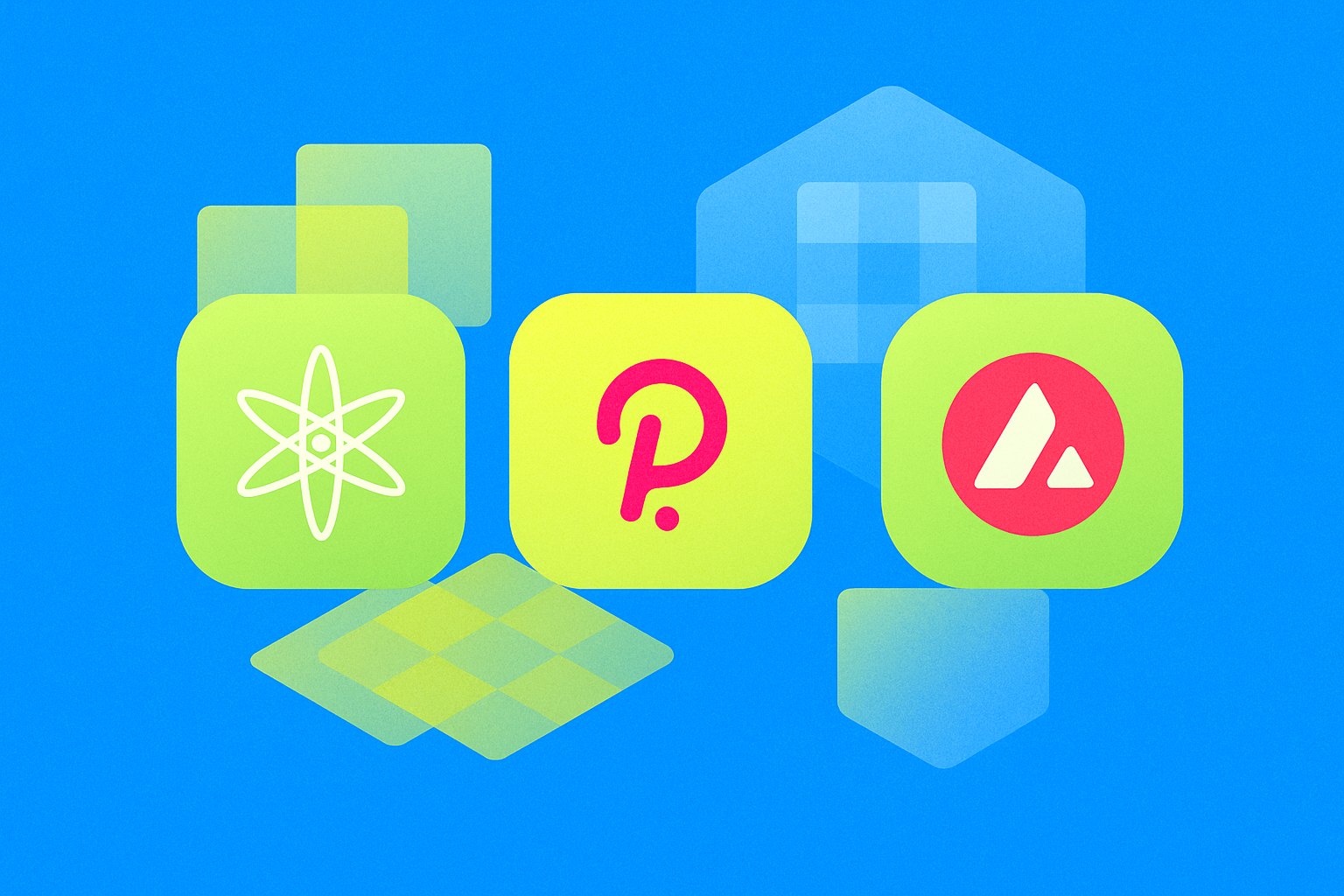
When exploring what is layer-0, examining real-world implementations provides valuable insights. Several layer-0 protocols have emerged as industry leaders, each offering unique approaches to blockchain infrastructure. Avalanche, powered by its AVAX coin, operates multiple layer-1 chains through three specialized mainchains: the P-chain (Platform chain), X-chain (Exchange chain), and C-chain (Contract chain). Each mainchain handles specific tasks, optimizing performance for different user needs. The P-chain coordinates validators and subnet creation, the X-chain facilitates asset creation and trading, and the C-chain supports smart contracts. Avalanche's high transaction speeds, low fees, strong security, and developer-friendly tools have made it an ideal platform for building and deploying GameFi projects. Cosmos, often called the "internet of blockchains," focuses on modularity and developer flexibility, powered by its ATOM coin. The Cosmos Hub serves as the mainchain, providing a template for building interconnected blockchains within the Cosmos ecosystem. Through its Inter-Blockchain Communication (IBC) protocol, Cosmos enables seamless interaction between independent blockchains. This interconnected ecosystem has given rise to popular layer-1 blockchains like BNB Chain and Cronos. Polkadot, powered by its DOT coin, enables diverse blockchains to operate collaboratively through its Relay Chain mainchain. Polkadot emphasizes passing on the security benefits of the relay chain's Nominated Proof-of-Stake consensus mechanism to all connected parachains. Its mission centers on providing a secure and scalable platform for building specialized blockchains for specific use cases. Notable projects built on Polkadot include Moonbeam and Acala. Each layer-0 protocol offers distinct advantages: Avalanche excels in speed, security, and scalability for specific applications; Cosmos provides flexible blockchain creation catering to diverse needs; and Polkadot specializes in interoperability and specialized parachains for complex solutions.
Conclusion
Understanding what is layer-0 reveals that layer-0 blockchain protocols represent a significant paradigm shift in how we conceptualize and construct blockchain infrastructure. The remarkable success of platforms like Cosmos, Polkadot, and Avalanche demonstrates layer-0's transformative potential in addressing the fundamental challenges facing blockchain technology today. By providing the foundational infrastructure that enables interoperability and scalability through modular sidechains and specialized communication protocols, layer-0 addresses the scalability and interoperability limitations that have constrained some of today's popular layer-1 blockchains. This architectural approach fosters a more dynamic and interconnected blockchain ecosystem, where diverse, customizable layer-1 blockchains built atop foundational layer-0 protocols can be precisely tailored to specific needs and use cases. As the blockchain industry continues to evolve, layer-0 protocols lay the essential groundwork for a future characterized by interconnected blockchains that can seamlessly share data and functionality while maintaining their unique characteristics and specializations. This evolution promises to unlock new possibilities for blockchain applications, from decentralized finance to gaming, enterprise solutions, and beyond, ultimately realizing the full potential of decentralized technology. For anyone seeking to understand what is layer-0, it's clear that these protocols represent the future foundation of blockchain interoperability and scalability.
FAQ
What does layer 0 mean?
Layer 0 is the foundational level in blockchain architecture that enables data transfer and communication across different networks, providing essential infrastructure for blockchain operations.
What is layer 0 in crypto?
Layer 0 is the foundational infrastructure of blockchain networks, including protocols, hardware, and connections. It enables scalability and interoperability without altering existing blockchain protocols.
What is the layer zero?
LayerZero is an omnichain messaging protocol that enables secure cross-chain communication and asset transfers. It uses a five-layer architecture for adaptable and composable cross-chain interactions.
What is an example of a layer 0?
A common example of a layer 0 blockchain is Polkadot (DOT) or Cosmos. These networks serve as interfaces for connecting multiple blockchains, enabling interoperability and cross-chain communication.
Innovative Blockchain Solutions: Enhancing Scalability with Main and Side Chains

Fundamentals of Blockchain Architecture: Layer 0

Blockchain Layer 0 Fundamentals: Everything You Should Know

Blockchain Innovation: Exploring Mainchain and Sidechain Technologies

Exploring the Foundation of Blockchain Technology: Understanding Layer 0
Metaplanet Stock Price Prediction 2025: What Bitcoin Investors Should Know?
Arbitrum Airdrop Guide: Cross-Chain Bridge Tutorial
Fhenix Airdrop Guide: How to Participate and Claim FHE Rewards
Base Chain: An Ethereum Layer-2 Scaling Solution
How do you use a crypto card for everyday transactions?