
fomox
MarketsPerpsSpotSwap
Meme
Referral
More
Search Token/Wallet
/

Comprehensive Tutorial for Cross-Chain Trading on Blockchain Networks

2025-12-24 16:12:45
Blockchain
Crypto Tutorial
DeFi
Layer 2
Web 3.0
Article Rating : 4.5
half-star
148 ratings
The article provides a comprehensive tutorial on cross-chain trading through AnySwap, a decentralized exchange protocol on Binance Smart Chain. It highlights AnySwap's innovative cross-chain bridge technology and its seamless asset exchanges across multiple blockchain networks including BTC, ETH, BNB, USDT, XRP, LTC, and FSN. The content explains strategic advantages of building on Binance Smart Chain like lower fees and efficient transaction processing. The tutorial covers the migration experience, integration into exchange ecosystems like Gate, and outlines AnySwap's role in the DeFi sector with robust community support. Keywords like cross-chain, decentralized finance, and Binance Smart Chain are optimized for readability.
Comprehensive Tutorial for Cross-Chain Trading on Blockchain Networks

BSC Project Spotlight: AnySwap

AnySwap - CrossChain DEX on BSC

AnySwap represents a significant development in the decentralized finance landscape, introducing an innovative cross-chain swap protocol that leverages blockchain technology to facilitate seamless asset exchanges across multiple blockchain networks.

Project Overview and Core Technology

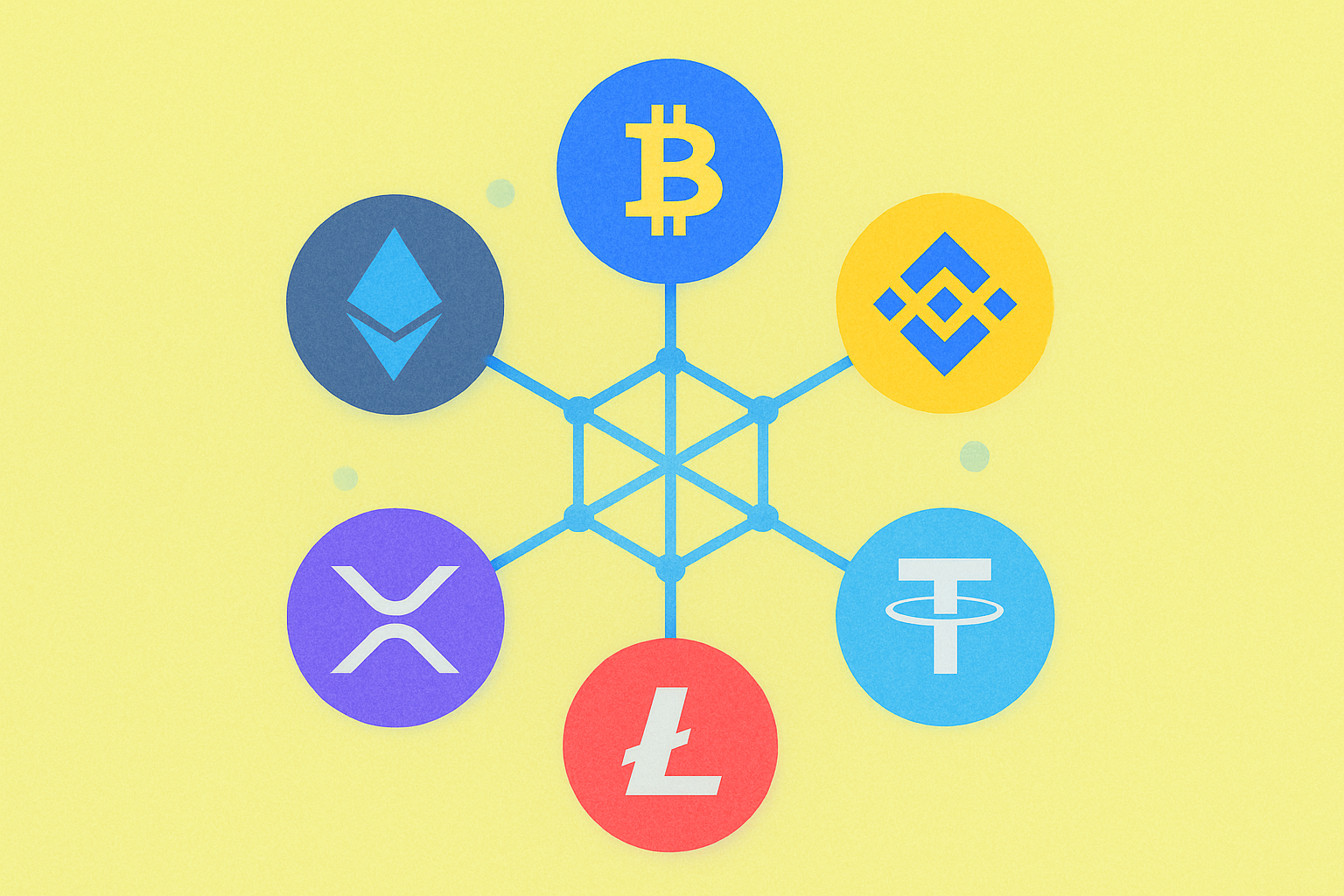
AnySwap is a fully decentralized cross-chain swap protocol equipped with an automated pricing and liquidity system. The protocol enables swaps between any coins on any blockchain that utilizes ECDSA or EDDSA as signature algorithms, supporting major cryptocurrencies including BTC, ETH, BNB, USDT, XRP, LTC, and FSN. This comprehensive support demonstrates the AnySwap protocol's flexibility and broad market applicability.

The technical foundation of AnySwap rests on its innovative Cross-Chain Bridge, which implements a secure multi-party computation combined with threshold signature solutions. This architecture comprises two key components: an SMPC network based on distributed control rights management and Cross-Chain Bridge smart contracts. This design ensures both security and decentralization in AnySwap operations, preventing any single point of failure while maintaining the integrity of cross-chain transactions.

Why Build on Binance Smart Chain

The decision to build AnySwap on Binance Smart Chain was driven by multiple strategic considerations. First, BSC's transaction efficiency is remarkable, with a block time of only 3 seconds and a throughput exceeding 100 transactions per second (TPS), while transaction fees remain substantially lower than competing networks. This contrasts sharply with other major chains' congestion issues, where gas fees for swaps can be considerably high, creating a significantly better user experience and lower operational costs for AnySwap users.

Second, BSC's EVM-compatible smart contract development environment substantially reduces development and migration costs for AnySwap and similar projects. Developers can rapidly transfer DeFi applications to BSC without extensive modifications, and infrastructure deployment occurs at unprecedented speed. This technical compatibility accelerates time-to-market and reduces resource expenditure for AnySwap development.

Third, the Binance ecosystem provides AnySwap access to a vast user base and substantial cryptocurrency liquidity reserves. The ecosystem's community support creates tremendous growth opportunities for projects like AnySwap, facilitating user acquisition and market expansion.

Advantages of BSC Over Other Blockchains

Binance Smart Chain demonstrates clear advantages when compared to Ethereum and other major public chains. For end users, BSC offers significantly lower transaction gas fees combined with superior performance metrics, while maintaining compatibility with established wallet infrastructure including Metamask and Ledger hardware wallets.

Development advantages are equally compelling for AnySwap and similar protocols. BSC supports established development environments such as Solidity, Remix, and Truffle without requiring secondary development or extensive modifications. This compatibility dramatically lowers barriers to entry for developers transitioning from other chains.

Practically, BSC's direct integration with major exchange deposit and withdrawal systems provides AnySwap users with seamless cryptocurrency conversion capabilities, enhancing platform usability and accessibility.

Migration Experience and Deployment Process

The migration of AnySwap to Binance Smart Chain exemplifies the platform's developer-friendly architecture. Remarkably, the AnySwap development team completed the entire migration efficiently, with minimal modifications to existing smart contract code. The entire project compiled successfully under standard Remix and Truffle development environments.

BSC's infrastructure eliminated the need for the AnySwap team to operate and maintain full nodes independently, significantly reducing deployment costs and complexity. The comprehensive testing and deployment environment provided by BSC enabled a smooth transition for AnySwap, with no significant technical obstacles encountered throughout the process.

Benefits Within the Major Exchange Ecosystem

AnySwap's integration into the broader blockchain and exchange ecosystem generated substantial benefits for the project's development and market success. The ecosystem encompasses a substantial cryptocurrency user community and significant cryptocurrency liquidity pools, providing extensive market reach for AnySwap operations.

BSC's rapid growth in the DeFi sector expanded the influence and relevance of AnySwap across the cryptocurrency market. Following AnySwap's integration into this ecosystem, the project received support through various DeFi initiatives, bringing increased visibility, user acquisition opportunities, and enhanced competitive positioning. This support structure demonstrates the ecosystem's commitment to fostering successful DeFi projects like AnySwap.

Vision for the Future

AnySwap and the broader BSC community envision substantial growth and development in the coming years. The project anticipates continued support regarding liquidity provision, marketing initiatives, and listing opportunities. Additionally, the community expects BSC will continue attracting developer talent through conferences, hackathons, and community-building activities, fostering innovation around cross-chain protocols like AnySwap and ecosystem expansion.

Looking ahead, stakeholders believe the DeFi market will experience significant growth and expansion. AnySwap is positioned to play an important role in the decentralized finance sector, with Binance Smart Chain supporting development of cross-chain infrastructure, reflecting confidence in both BSC's technical capabilities and market potential.

Conclusion

AnySwap represents a paradigmatic example of successful blockchain project development, demonstrating how strategic infrastructure choices and ecosystem alignment can drive innovation and market adoption. Through its fully decentralized cross-chain swap protocol and secure multi-party computation technology, AnySwap addresses critical challenges in cryptocurrency interoperability. Binance Smart Chain's technical advantages—including rapid transaction processing, low fees, and EVM compatibility—combined with its access to extensive user base and liquidity, created an ideal environment for AnySwap's deployment and growth. The project's successful migration to BSC, coupled with continued ecosystem support and community vision for expansion, positions AnySwap at the forefront of DeFi development, exemplifying the transformative potential of well-architected blockchain infrastructure and community-driven innovation.

FAQ

What is anyswap?

Anyswap is a decentralized cross-chain protocol enabling seamless token transfers and swaps between multiple blockchains. It functions as a bridge connecting different blockchain networks for efficient asset movement.

What are the risks of anyswap?

Anyswap carries contract and infrastructure risks, including potential vulnerabilities or compromised signers that could impact multiple blockchains. Bridge protocols have historically been targeted by hackers.

Are there fees for using AnySwap?

Yes, AnySwap charges minimal fees based on on-chain gas costs. These fees are transparent and competitive, with no additional platform fees applied beyond gas expenses.

* The information is not intended to be and does not constitute financial advice or any other recommendation of any sort offered or endorsed by Gate.

Share

Content

AnySwap - CrossChain DEX on BSC

Project Overview and Core Technology

Why Build on Binance Smart Chain

Advantages of BSC Over Other Blockchains

Migration Experience and Deployment Process

Benefits Within the Major Exchange Ecosystem

Vision for the Future

Conclusion

FAQ

Related Articles
Effortless Cross-Chain Bridging with Avalanche's Secure Solution
Effortless Cross-Chain Bridging with Avalanche's Secure Solution

This article provides a comprehensive guide to seamless cross-chain asset bridging using Avalanche's efficient and cost-effective blockchain infrastructure. It highlights challenges users face when transferring assets across different chains and offers detailed instructions on using Avalanche's unique multi-chain system. The guide addresses the selection of wallets, compatible assets, and bridging services, catering to users seeking speed, affordability, and security in cross-chain transactions. With sections detailing preparation, bridging steps, fee structures, security measures, and troubleshooting, the article serves as a valuable resource for anyone looking to leverage Avalanche's high-performance DeFi ecosystem efficiently.
2025-12-06 13:17:55
Efficient Cross-Chain Asset Transfers with Blockchain Bridges

Efficient Cross-Chain Asset Transfers with Blockchain Bridges

This article delves into the fundamentals of cross-chain asset transfers, focusing on bridging assets to Avalanche via blockchain bridges. It offers guidance on wallet selection, understanding Avalanche's architecture, and choosing assets for bridging, featuring comparisons between decentralized and centralized bridge services such as Gate. Key topics include step-by-step bridging processes, fee structures, security best practices, and troubleshooting. The article is a must-read for crypto enthusiasts aiming to optimize their cross-chain transactions securely and effectively.
2025-12-06 12:51:27
Understanding Automated Market Makers: How They Work Explained

Understanding Automated Market Makers: How They Work Explained

This article delves into Automated Market Makers (AMMs) in decentralized finance, detailing their operation, advantages, and challenges. AMMs enable trading through liquidity pools and protocols, providing continuous liquidity, permissionless access, and earning opportunities. Despite benefits, risks like impermanent loss and smart contract vulnerabilities persist. The coverage is ideal for DeFi traders and liquidity providers seeking efficient and transparent markets. With sections on AMM models and future advancements, this piece offers insightful analysis on AMM's growing role in decentralized finance.
2025-12-21 15:40:17
Optimizing Gas Fees on Avalanche: Tips and Techniques

Optimizing Gas Fees on Avalanche: Tips and Techniques

The article examines the Avalanche Octane upgrade, which optimizes C-Chain fees and enhances gas target capacity, reducing AVAX transaction costs. It discusses improvements to the dynamic fee mechanism for better predictability and efficiency. The upgrade allows validators to dynamically adjust gas targets, ensuring scalability and alignment with community needs. By addressing unpredictable transaction costs and enabling flexibility in gas consumption, Avalanche strengthens its position as a cost-effective platform for decentralized applications. Key themes include AVAX gas use, fee calculation methods, and comparison to Ethereum gas fees.
2025-12-24 06:32:27
Strategies to Minimize Blockchain Transaction Costs
Strategies to Minimize Blockchain Transaction Costs

This article delves into practical strategies for minimizing blockchain transaction costs, focusing on understanding and managing crypto gas fees. It explains gas fees' role in compensating validators, explores calculation methods, and compares costs across different blockchains and exchanges. Readers will learn to monitor network congestion, avoid peak times, set gas limits, and explore alternative solutions like layer 2 protocols and PoS chains. Designed for cryptocurrency traders, it provides key insights for improving trading efficiency and reducing costs. Keywords: blockchain transaction costs, crypto gas fees, validators, layer 2 solutions, PoS chains.
2025-12-20 02:15:02
Beginner's Guide to Understanding Blockchain Technology

Beginner's Guide to Understanding Blockchain Technology

# Beginner's Guide to Understanding Blockchain Technology This comprehensive guide demystifies blockchain technology for beginners, exploring how this revolutionary distributed ledger system secures transactions without intermediaries. From blockchain fundamentals and historical evolution to major platforms like Bitcoin, Ethereum, and Solana, the article examines core mechanisms, real-world applications across finance, supply chain, and healthcare, plus technical challenges. Designed for anyone seeking blockchain literacy, it covers key characteristics, clarifies blockchain versus cryptocurrency distinctions, and outlines emerging solutions addressing scalability and sustainability. Whether you're exploring cryptocurrency trading on Gate, understanding decentralized finance, or evaluating enterprise blockchain adoption, this resource provides essential knowledge for navigating the evolving blockchain ecosystem effectively.
2025-12-27 16:14:39
Recommended for You
What Causes Crypto Price Volatility and How to Analyze Support and Resistance Levels

What Causes Crypto Price Volatility and How to Analyze Support and Resistance Levels

This comprehensive guide explores cryptocurrency price volatility and technical analysis fundamentals essential for traders. The article identifies core volatility drivers including macroeconomic conditions, regulatory shifts, and blockchain ecosystem developments, then demonstrates how to identify support and resistance levels through historical price patterns. Readers learn to analyze volatility metrics like ATR and Bollinger Bands alongside BTC/ETH correlation patterns to understand market behavior. The guide provides practical trading strategies that synchronize support/resistance zones with volatility indicators for optimized entry and exit timing. Designed for traders on platforms like Gate, this content combines theoretical frameworks with real-world examples, including position sizing strategies and alert systems. Whether you're analyzing price bounces at support levels or breakouts at resistance, this resource equips you with actionable technical analysis skills to navigate crypto market volatility e
2026-01-12 03:23:33
Altcoin Season Coming: How to Spot the Next Altcoin Bull Market?

Altcoin Season Coming: How to Spot the Next Altcoin Bull Market?

This comprehensive guide identifies key indicators signaling the upcoming altcoin surge, featuring the Altcoin Season Index (ASI), declining Bitcoin dominance below 60%, and institutional capital inflows driving the current bull market. The article examines how capital systematically rotates from Bitcoin through Ethereum into smaller altcoins, examining leading tokens like XRP, Solana, and meme coins as important momentum signals. Key sections cover risk management strategies, profit-taking frameworks, and practical tools including TradingView and DeFiLlama for tracking real-time market shifts. Investors learn optimal portfolio allocation methods combining blue-chip assets with growth-oriented altcoins and controlled speculative positions, supported by multi-chain wallet platforms for efficient asset management across blockchain networks. The guide balances opportunity identification with critical risk warnings about liquidation, rug pulls, and late-cycle entry dangers, providing actionable frameworks for nav
2026-01-12 03:23:13
What are the key differences between competing cryptocurrencies in the same market segment
What are the key differences between competing cryptocurrencies in the same market segment

This comprehensive guide examines key differences between competing cryptocurrencies within the same market segment across four critical dimensions. First, it analyzes performance metrics including transaction speed, scalability, and energy efficiency—essential factors determining user adoption and network utility. Second, it compares market valuation trends and active user bases during 2025-2026, using real data to illustrate how market cap fluctuations correlate with genuine adoption momentum. Third, it explores differentiation strategies through technological innovations and competitive advantages, demonstrating how multichain architecture and automated optimization create compounding benefits. Finally, it tracks market share dynamics between dominant players and emerging challengers, showing how tokenomics scarcity models and governance mechanisms reshape competitive positioning. Whether evaluating DeFi tokens on Gate or Layer 1 blockchains, this framework enables investors and developers to identify sust
2026-01-12 03:21:29
How does Fed policy and inflation data affect cryptocurrency prices
How does Fed policy and inflation data affect cryptocurrency prices

This article explores how Federal Reserve policy decisions and inflation data directly shape cryptocurrency market dynamics. When the Fed raises rates, borrowing costs increase and Bitcoin and Ethereum typically experience downward pressure as investors shift away from risk assets. CPI report releases trigger immediate price swings within 24-48 hours, with higher inflation readings strengthening rate-hike expectations while lower data sparks rallies. The article also examines traditional market spillover effects, where S&P 500 corrections and gold rallies serve as leading indicators for cryptocurrency sentiment shifts. For traders monitoring crypto markets on Gate, understanding these macroeconomic relationships provides critical frameworks for anticipating price movements and optimizing portfolio positioning around major economic announcements and Fed decisions.
2026-01-12 03:19:26
What is the fundamental analysis of crypto projects: whitepaper logic, use cases, and team background explained
What is the fundamental analysis of crypto projects: whitepaper logic, use cases, and team background explained

This comprehensive guide to crypto project fundamental analysis equips investors with essential evaluation frameworks across four critical dimensions. First, understand whitepaper core logic by analyzing problem-solving mechanisms and economic models—how projects address real inefficiencies and sustain participation through tokenomics. Second, assess real-world use cases by examining practical applications, market demand, and adoption metrics across industry verticals, ensuring genuine utility beyond speculation. Third, evaluate technical innovation and roadmap execution through GitHub activity, audit reports, and milestone achievement rates to gauge team capability. Finally, scrutinize team background and track records by verifying founder experience, previous successful launches, exchange listings, and regulatory compliance. The guide demonstrates analysis through DeXe.network's sophisticated token economy and multi-exchange presence. Includes practical FAQ addressing whitepaper interpretation, team evaluat
2026-01-12 03:17:48
What is crypto exchange net flow and how does it affect token price movements?

What is crypto exchange net flow and how does it affect token price movements?

This article explores crypto exchange net flow as a critical metric for predicting token price movements. Exchange net flow measures capital movement between exchanges and external wallets, serving as a leading indicator of market sentiment and selling pressure. The guide covers three core dynamics: how inflow and outflow trends reveal institutional positioning before price shifts, how whale accumulation patterns and holding concentration metrics influence volatility, and how on-chain staking lockups create artificial scarcity affecting liquidity constraints. Using NEAR Protocol as a case study, the article demonstrates real-world applications where 24-48 hour price movements can be anticipated by monitoring these metrics on platforms like Gate. Traders and investors gain practical insights into distinguishing organic price discovery from whale-driven volatility, while understanding the inverse relationship between locked token volumes and exchange net flows. The comprehensive FAQ section addresses calculatio
2026-01-12 03:16:03