Cross-chain interoperability in blockchain with Layer Zero

What Is Layer-0? Redefining Blockchains with Mainchains and Sidechains
The blockchain landscape features intricate layers of technology that power its transformative capabilities. While industry professionals are familiar with layer-1 and layer-2, a new foundational protocol—layer-0—has emerged. Layer-0 serves as the underlying infrastructure for many of the coins and tokens currently traded in the market.
Blockchain Basics
Before exploring layer-0, it’s important to review the core principles of blockchain. For newcomers, a blockchain functions as a public, distributed digital ledger that records transactions secured by cryptography. The blockchain stack typically includes five layers: hardware infrastructure, data, network, consensus, and application. Each layer executes distinct tasks, from transaction data storage to facilitating network-wide consensus prior to validating transactions. Understanding this architecture is key to grasping layer-0’s unique position within the blockchain ecosystem.
Understanding Blockchain Protocol Layers
As you delve into blockchain technology, you’ll encounter terms like layer-1 and layer-2. These denote different protocol types, each fulfilling specific roles within the overall system. Layer-1 and layer-2 have become staples in the blockchain community, with projects such as Ethereum and Polygon leading the way. Layer-0, however, is rapidly gaining traction due to its emphasis on scalability and cross-chain interoperability.
Layer-1 refers to primary blockchain protocols that most users recognize, with coins acting as a major driver of crypto market interest. Blockchains like Bitcoin and Ethereum regularly attract headlines. As standalone networks, layer-1 blockchains process transactions, secure their networks with advanced cryptography, and generate blocks. However, increasing user demand can congest these chains, resulting in slower transactions and higher fees.
Layer-2 solutions are built atop layer-1 chains to enhance scalability and relieve the load on primary blockchains. By handling transactions off-chain, layer-2 protocols reduce bottlenecks on layer-1, enabling smoother and faster user experiences.
Layer-0 protocols form the essential infrastructure beneath layer-1 chains. They establish base architecture and communication rules for blockchain interoperability, allowing networks to exchange data seamlessly. Layer-0 addresses persistent layer-1 limitations such as siloed architectures and scalability constraints, fostering a new era of innovation within the blockchain sector.
How Does Layer-0 Work?
Layer-0 protocols leverage a sidechain-based architecture, composed of three main components: the mainchain, which enables data transfer across layer-1 blockchains built on layer-0; sidechains, which are application-specific layer-1 networks connected to the mainchain; and a cross-chain communication protocol that standardizes data exchange among layer-1s.
For example, Polkadot—a leading layer-0—uses a relay chain as its mainchain. Its parallel chains, or parachains, function as specialized layer-1 sidechains operating on the relay chain. The Cross-Consensus Messaging Protocol (XCMP) serves as its network layer, delivering seamless interoperability between different consensus systems. This multi-chain architecture allows layer-0 to efficiently connect disparate blockchains.
Advantages of Layer-0 Blockchain Protocols
Layer-0 protocols deliver several key benefits to the blockchain ecosystem:
Scalability: By distributing transactions across multiple layers, layer-0 dramatically improves network throughput and processes high transaction volumes without sacrificing security. Its architecture enables exceptional scalability, which is vital as user and transaction counts continue to rise.
Customization: Developers use layer-0 interoperability to build application-specific layer-1 chains tailored to unique requirements—from GameFi-focused blockchains to those designed for decentralized applications (DApps). Layer-0’s adaptability unlocks virtually limitless opportunities for customization.
Innovation: Layer-0’s modular design accelerates development and experimentation, driving new functionalities and expanding blockchain use cases. For instance, Venom blockchain employs dynamic sharding to adjust the number and size of shards in response to real-time load demands. Layer-0 protocols are a catalyst for industry-wide innovation.
Layer-0 vs. Layer-1: Key Differences
Blockchain professionals routinely compare layer-0 and layer-1 to evaluate their respective advantages.
Similarities: At their core, both layer-0 and layer-1 protocols aim to maximize the benefits of decentralized networks while navigating the blockchain trilemma. They prevent centralized control by distributing network management across nodes, safeguard integrity and data using robust cryptographic techniques, and focus on throughput by processing transactions, storing data, and reaching consensus.
Differences: Beyond these shared goals, their functions diverge. Layer-0 provides foundational infrastructure for blockchain creation, whereas layer-1 is responsible for transaction processing and consensus mechanisms. Layer-0’s interoperability facilitates interconnected blockchain networks, while layer-1 delivers security and operational efficiency for individual chains.
Layer-0 and layer-1 blockchains also address scalability differently. Layer-1 protocols, limited by their monolithic designs, have struggled with bottlenecks. Layer-0 enables cross-chain routing of transactions, mitigating these constraints and streamlining network performance.
Layer-0 blockchains stand out for their flexibility, in contrast to the rigid consensus and data storage structures of layer-1. This versatility empowers the development of diverse layer-1 chains, each leveraging layer-0’s adaptive features and capabilities.
Leading Layer-0 Protocols
Prominent layer-0 protocols include:
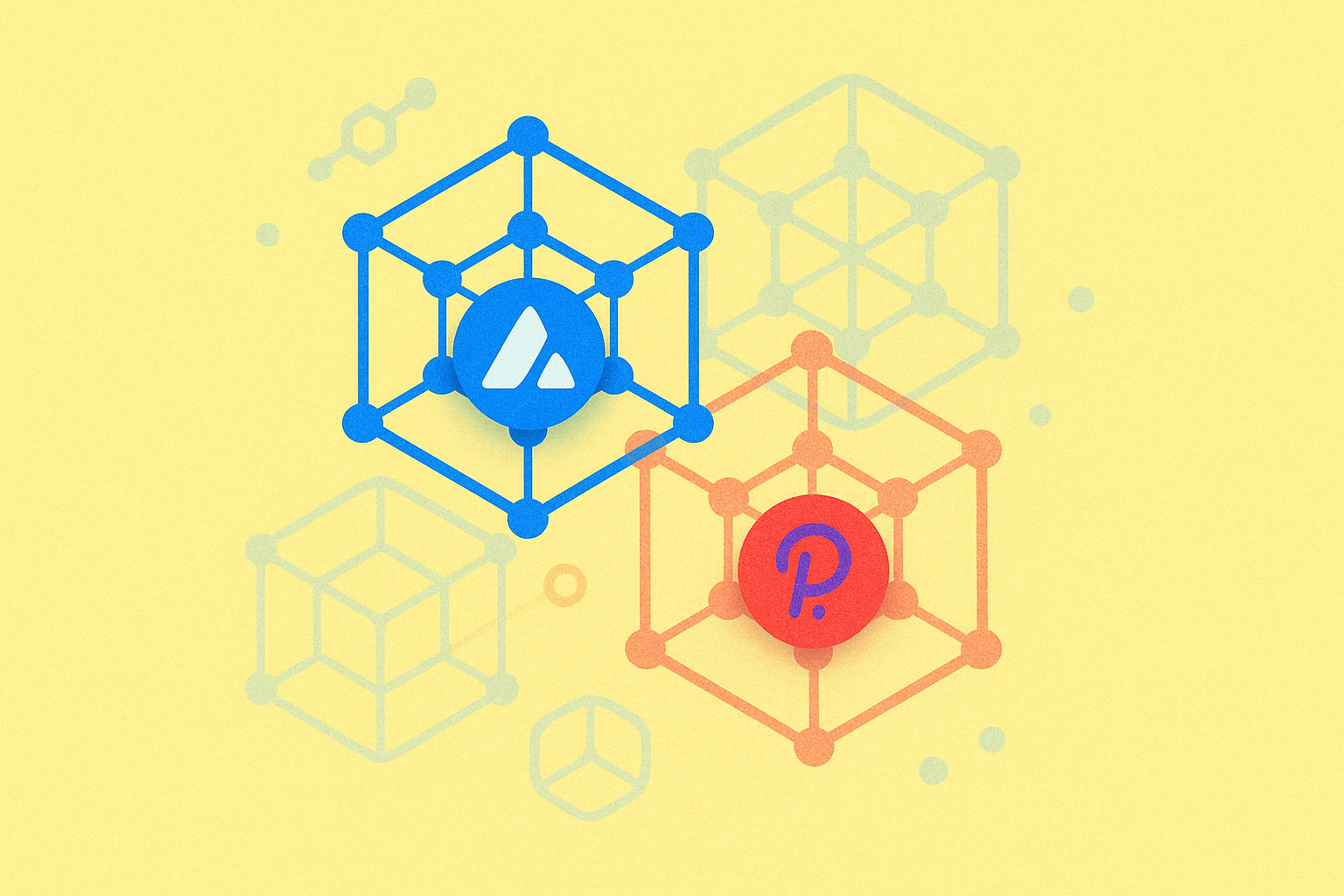
Avalanche (AVAX): Avalanche supports several layer-1 chains via its core P-Chain, X-Chain, and C-Chain. Each chain specializes in distinct tasks, optimizing platform performance and meeting varied user needs. With fast transactions, low fees, strong security, and developer-friendly tools, Avalanche is a top choice for GameFi projects. Its layer-0 protocol consistently delivers strong results across the ecosystem.
Cosmos (ATOM): Known as the "Internet of Blockchains," Cosmos is a layer-0 focused on modularity and developer flexibility. The Cosmos Hub serves as a blueprint for blockchain creation within its ecosystem, fostering interoperability among specialized layer-1s. Cosmos remains a driving force in layer-0 innovation.
Polkadot (DOT): Polkadot enables cross-chain collaboration via its Relay Chain mainchain. Its Nominated Proof-of-Stake consensus mechanism provides security and scalability for custom blockchains tailored to specific use cases. As a layer-0 protocol, Polkadot excels in enabling cross-chain interoperability.
Conclusion
With the rapid rise of layer-0 protocols such as Cosmos, Polkadot, and Avalanche, many blockchain professionals regard layer-0 as a paradigm shift in blockchain design and deployment.
Layer-0 protocols overcome the scalability and interoperability limitations of established layer-1 blockchains, acting as a foundational infrastructure supporting modular sidechains and specialized communication standards. This leads to a dynamic, interconnected blockchain ecosystem, where customizable layer-1s built atop layer-0 infrastructure meet diverse needs and pave the way for next-generation blockchain networks.
Layer-0 technology marks an essential milestone in blockchain evolution, resolving critical scalability and interoperability challenges and unlocking new avenues for decentralized innovation. As these protocols advance, they provide the backbone for future blockchain applications and services. Layer-0 is becoming indispensable for building scalable, interconnected infrastructures as the industry continues to expand.
FAQ
What Does LayerZero Do?
LayerZero enables secure cross-chain data transfer, supporting permissionless development and seamless interoperability. It relies on smart contracts to facilitate movement of data and tokens between blockchains.
Is LayerZero a Good Company?
Yes. LayerZero is a trusted organization known for strong leadership and a dynamic work culture. Employees value its flexibility and effective management. The company enjoys an excellent local reputation.
Which Coins Use Layer-0?
Layer-0 coins include Polkadot, Internet Computer, and Cosmos Hub—foundational blockchain networks. Their combined market capitalization is currently $7.09 billion.
What Is Layer-0 Used For?
Layer-0 is a foundational blockchain protocol that enables seamless connections between disparate blockchain networks, resolves scalability challenges, and supports the development of blockchain-based applications and businesses.

Level 0 Blockchain Technologies: Fundamentals and Future Outlook

Exploring SEI Blockchain Enhancement: V2 Update Benefits and Features

Exploring Interoperability in Blockchain Ecosystems
Exploring Layer 0 Blockchain Technology: A Revolution Driven by Mainchains and Sidechains

Innovations in the Blockchain Ecosystem: Exploring Berachain
The Crypto Meme Phenomenon: A Unique Trend in the Digital Investment World

What Happens When You Get Liquidated in Crypto
Can I Send Bitcoin from Venmo to Another Wallet?
How Long is the Cooldown for Security Contracts

Do I Have to Verify My Identity on Cash App?
Why is Cash App Asking Me to Verify My Identity?