Exploring Layer 0 Blockchain Technology: A Revolution Driven by Mainchains and Sidechains

What Is Layer-0? Redefining Blockchains with Mainchains and Sidechains
The blockchain sector is rapidly evolving, powered by multiple technology layers that underpin its innovation. While terms like layer-1 and layer-2 have become standard in the crypto ecosystem, a new category—layer-0 blockchains—has emerged. This protocol serves as the foundation for many of the coins and tokens traded today, marking a significant leap in decentralized architecture.
Blockchain Overview
Before diving into the concept of layer-0, it's important to revisit blockchain fundamentals. For newcomers, a blockchain is a public digital ledger of transactions, distributed and secured using advanced cryptography.
Blockchains consist of five critical layers: hardware infrastructure, data, network, consensus, and application. These layers must work in harmony, each fulfilling a unique role. This includes storing transaction details and ensuring that all network nodes reach consensus before transaction validation, thus safeguarding the integrity and security of the entire system.
Understanding Blockchain Protocols
In blockchain technology, you'll encounter terms like layer-1 and layer-2, which define distinct protocol types serving specific roles within the broader ecosystem. Layer-1 and layer-2 are well-known thanks to examples like Ethereum and Polygon, but layer-0 is gaining traction for its focus on scalability and interoperability across blockchains.
Layer-1 Blockchain Protocols
Layer-1 is the most familiar protocol, largely due to its role in powering cryptocurrencies and driving market interest. Blockchains like Bitcoin and Ethereum often make headlines for events like halvings and major upgrades. Layer-1 blockchains operate as independent networks, handling transaction processing, robust cryptography, and block creation. As user demand rises, these mainchains can become congested, resulting in slower transaction speeds and higher gas fees.
Layer-2 Blockchain Protocols
Layer-2 solutions are built atop existing layer-1 chains, specializing in scalability to ease congestion on layer-1. If layer-1 is a busy highway, layer-2 adds extra lanes to reduce bottlenecks. By processing transactions off-chain, layer-2 minimizes bottlenecks on layer-1, delivering a faster and smoother blockchain experience.
Layer-0 Blockchain Protocols
Layer-0 protocols provide the infrastructure for building entire layer-1 blockchains. They define the core architecture and communication standards that allow different blockchains to interact and share data seamlessly. Layer-0 addresses the limitations of monolithic layer-1 networks, such as lack of interoperability and scalability. Its modular design enables purpose-built blockchains to be customized for specific community needs.
How Layer-0 Blockchain Works
Layer-0 protocols use a sidechain-based architecture consisting of three key components:
- A mainchain that facilitates data transfer between multiple layer-1s built on the layer-0 protocol.
- Sidechains, which are application-specific layer-1s connected to the mainchain.
- An interchain communication protocol that standardizes data exchange among layer-1s.
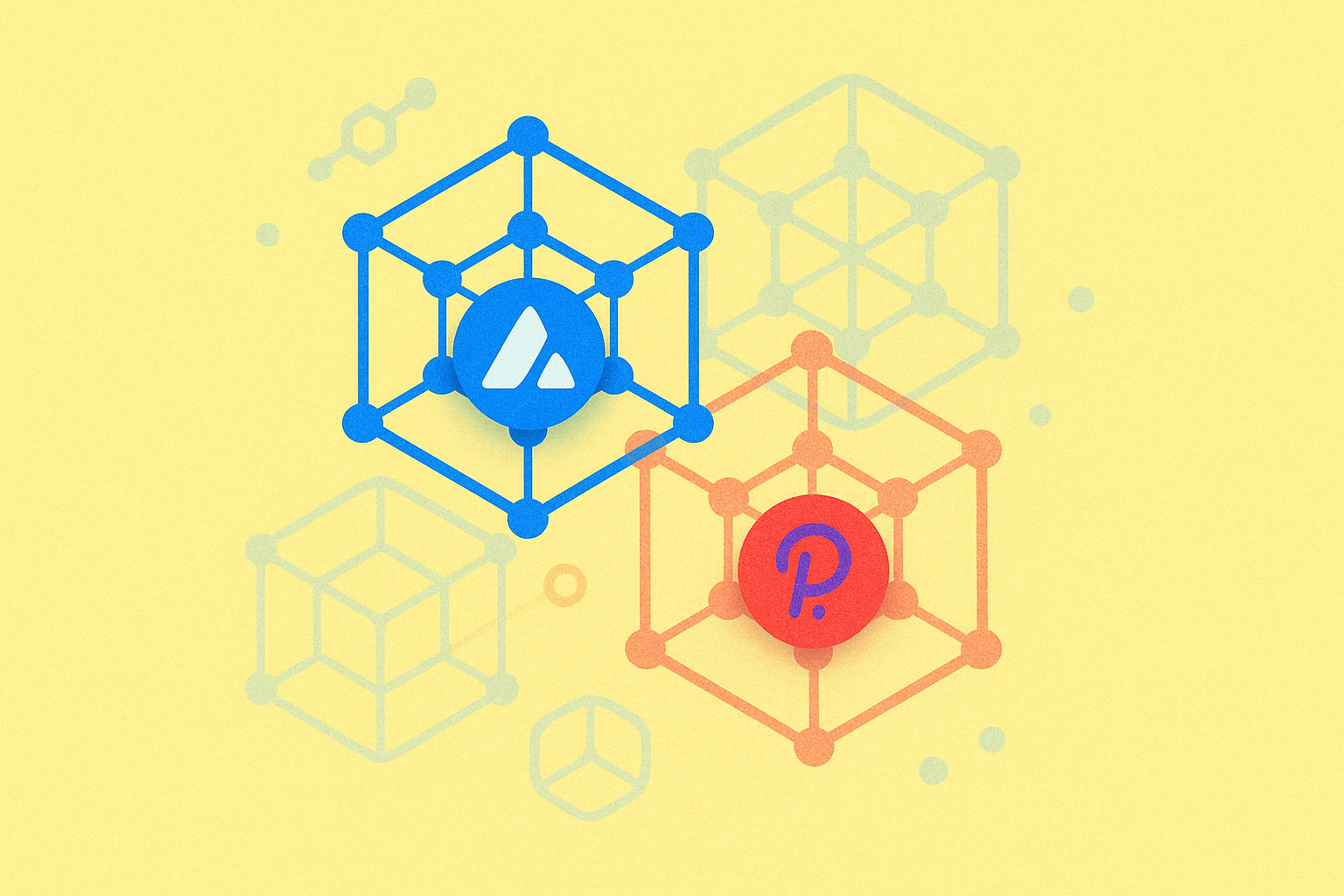
To illustrate, consider Polkadot, a leading layer-0 blockchain. Polkadot's relay chain functions as its mainchain, while its parachains (parallel chains) serve as application-specific layer-1 sidechains. Polkadot's cross-consensus message passing (XCMP) is a network layer protocol enabling interoperability and communication between consensus systems.
Benefits of Layer-0 Blockchain Protocols
Layer-0 protocols deliver key advantages for blockchain ecosystems:
Scalability: Offloading transactions across multiple layers boosts network efficiency, handling higher volumes without compromising security. This enables sustainable ecosystem growth as user and transaction numbers rise.
Customization: Developers can create specialized layer-1 chains tailored to unique needs, leveraging layer-0’s interoperability. This fosters diversity, whether for GameFi-focused blockchains or those optimized for DApps.
Innovation: Layer-0’s modularity accelerates development and experimentation, enabling new features and applications. For example, Venom blockchain uses dynamic sharding to adjust the number and size of shard chains based on current load.
Layer-0 vs. Layer-1 Blockchains: Key Differences
Blockchain enthusiasts often compare layer-0 and layer-1 protocols.
Similarities
At the core, both layer-0 and layer-1 are blockchain solutions designed to harness the benefits of decentralization while navigating the blockchain trilemma. Common aspects include:
Decentralization: Both distribute governance and network operations across multiple nodes, preventing centralized control.
Security: Each employs advanced cryptography to ensure data integrity and overall network safety.
Scalability: Both aim to maximize throughput by efficiently processing transactions, storing data, and reaching consensus as user participation grows.
Transparency: Anyone with a blockchain explorer can monitor transactions and verify network status.
Differences
However, their roles diverge in several key areas:
Core Function: Layer-0 is the underlying infrastructure for building blockchains, while layer-1 focuses on transaction processing and consensus. Their functions are complementary—layer-0 enables interconnected networks, and layer-1 ensures security and efficiency for each individual chain.
Scalability: Layer-1 faces scalability challenges due to its monolithic design, which creates bottlenecks. Layer-0 encourages interoperability, allowing transactions to route across multiple layer-1 chains, increasing overall ecosystem throughput.
Flexibility: Layer-0 offers greater design flexibility than layer-1, which is limited by consensus mechanisms and data storage structures. This adaptability supports the creation of diverse layer-1 blockchains with unique features and capabilities.
Popular Layer-0 Blockchain Examples
Leading layer-0 protocols include:
Avalanche and AVAX: Avalanche supports multiple layer-1 chains via its mainchains—the P-chain, X-chain, and C-chain—each designed for specific tasks. This optimizes performance and supports a wide range of user needs, making Avalanche a robust and dynamic blockchain platform ideal for GameFi projects, thanks to high speed, low fees, strong security, and developer-friendly tools.
Cosmos and ATOM: Known as the “internet of blockchains,” Cosmos delivers modularity and flexibility for developers. Its mainchain, Cosmos Hub, serves as a blueprint for building blockchains within the Cosmos ecosystem. The interconnected Cosmos network powers popular layer-1s and leading smart contract platforms.
Polkadot and DOT: Polkadot enables diverse blockchains to collaborate through its Relay Chain mainchain. Using Nominated Proof-of-Stake for consensus, Polkadot provides a secure, scalable platform for building specialized blockchains tailored to distinct use cases.
Conclusion
With the rise of Cosmos, Polkadot, and Avalanche, layer-0 blockchains are being recognized as a paradigm shift in blockchain design and development.
By tackling scalability and interoperability challenges in mainstream layer-1 blockchains, layer-0 protocols deliver foundational infrastructure that empowers modular sidechains and specialized communication standards. This drives a more dynamic, interconnected ecosystem, where customizable layer-1s built atop layer-0 platforms serve diverse needs and set the stage for a future of seamlessly connected blockchains. The innovative approach of layer-0 not only overcomes technical limitations but also unlocks new opportunities for sophisticated, efficient decentralized applications.
FAQ
What Is an Example of Layer-0?
Polkadot and Cosmos are layer-0 protocols that connect multiple blockchain networks through unique consensus methods. They form the foundational infrastructure of the blockchain ecosystem.
Is Bitcoin Layer-1 or Layer-0?
Bitcoin is a Layer-1 blockchain. Layer-1 refers to the primary blockchain network, and Ethereum is also a Layer-1 chain.
What Is Layer Zero in Crypto?
Layer zero is an omnichain protocol enabling secure communication and asset transfer between different blockchains. It provides a framework for decentralized applications to interact across networks, using proprietary token standards for secure cross-chain transactions.
Where Can I Buy Layer Zero Cryptocurrencies?
You can purchase layer zero cryptocurrencies on decentralized exchanges (DEXs) and DeFi platforms. Always check available trading pairs and liquidity before buying.

Level 0 Blockchain Technologies: Fundamentals and Future Outlook

Exploring SEI Blockchain Enhancement: V2 Update Benefits and Features

Cross-chain interoperability in blockchain with Layer Zero
Exploring Interoperability in Blockchain Ecosystems

Innovations in the Blockchain Ecosystem: Exploring Berachain

The Crypto Meme Phenomenon: A Unique Trend in the Digital Investment World

What Happens When You Get Liquidated in Crypto
Can I Send Bitcoin from Venmo to Another Wallet?
How Long is the Cooldown for Security Contracts
Do I Have to Verify My Identity on Cash App?
Why is Cash App Asking Me to Verify My Identity?