Does France have a Bitcoin ATM?
The Strategic Importance of Bitcoin ATMs in France
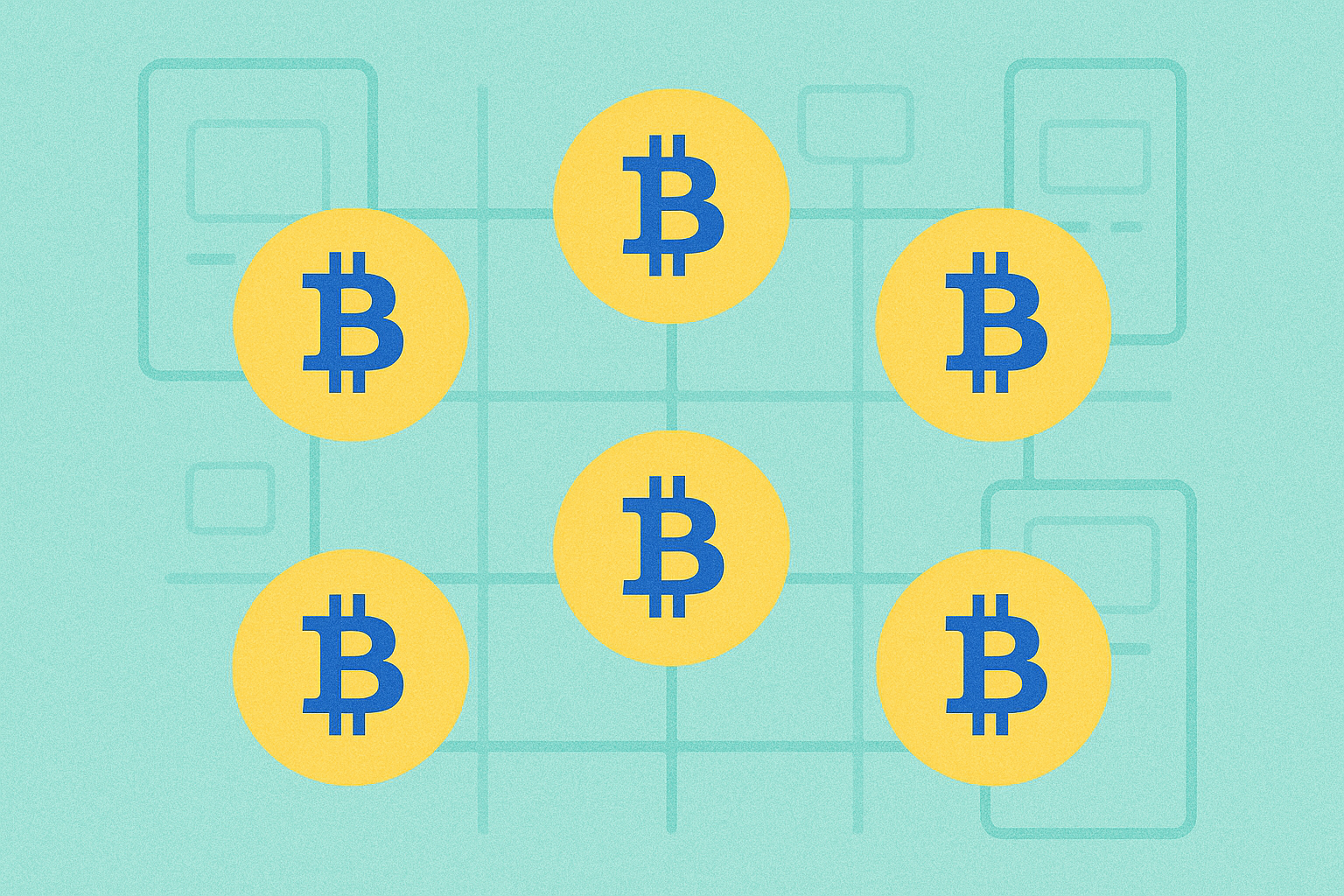
Bitcoin ATMs have become a strategic asset in France’s cryptocurrency ecosystem. These devices go beyond simple transaction facilitation—they serve as critical connectors between the traditional financial sector and the digital currency landscape.
For investors and traders, Bitcoin ATMs deliver unmatched flexibility. They enable rapid conversion between cash and Bitcoin, allowing real-time portfolio adjustments as markets fluctuate. This immediate liquidity is invaluable during volatile market conditions, where every minute can impact returns.
For everyday users, Bitcoin ATMs simplify cryptocurrency acquisition. Unlike online platforms that may be daunting for newcomers, ATMs provide a familiar, bank-like interface. This physical accessibility fosters widespread Bitcoin adoption—including among those less comfortable with digital technology.
The growing number of physical access points further signals the gradual integration of cryptocurrencies into France’s financial system. It also reflects a maturing market and increasing regulatory confidence in innovative financial technologies.
Real-World Examples and Future Outlook
France’s Bitcoin ATM infrastructure highlights the nation’s commitment to broadening cryptocurrency access. Strategically located in tourist hotspots, business districts, and shopping centers, these machines cater to both local residents and international visitors.
One standout example is the ATM at La Maison du Bitcoin in Paris. Beyond transactional services, this site functions as an educational hub, offering personalized guidance, workshops, and blockchain instruction. This educational focus helps lower the psychological barriers often associated with crypto adoption.
In recent years, leading global operators have rapidly expanded their networks in France. State-of-the-art ATMs now feature advanced security, including biometric verification, facial recognition, and robust encryption. User interfaces have been redesigned for clarity, with multilingual instructions and visual step-by-step guides.
A notable trend is the integration of Bitcoin ATMs into traditional bank branches. Some French banks are piloting this convergence, allowing clients to manage both conventional accounts and digital assets at a single service point. This hybrid approach hints at the future of banking, where lines between traditional and decentralized finance continue to blur.
The user experience has also been streamlined. Typically, users scan a QR code from their digital wallet, insert cash, and complete transactions within minutes. Some ATMs offer additional options, such as purchasing other leading cryptocurrencies (Ethereum, Litecoin) or printing paper wallets for secure offline storage.
French Market Data and Key Statistics
Bitcoin ATM networks in France have grown rapidly. The country now boasts more than 100 operational ATMs—a dramatic rise from just a handful a few years ago. This growth parallels a broader European surge, with the continent seeing a 50% increase in crypto ATMs over the past five years.
Distribution centers around major cities: Paris accounts for about 40% of national ATMs, followed by Lyon and Marseille with 15% and 12%, respectively. Cities like Toulouse, Nice, and Bordeaux are steadily filling out the network, ensuring broader nationwide coverage.
Bidirectional functionality is a crucial feature. Approximately 75% of ATMs support both buying and selling Bitcoin, ensuring market liquidity and enabling users to acquire or quickly convert cryptocurrencies into cash as needed.
Adoption is accelerating. Transaction volumes have nearly doubled year-on-year, driven by rising Bitcoin prices, a diversifying user base (from students to retirees), and better user experiences.
User demographics are shifting. While early adopters were mostly tech enthusiasts, today’s users are far more diverse. Tourists account for around 30% of transactions, attracted by fast currency exchange. Regular investors make up 45%, using ATMs for recurring purchases and programmed investment strategies (Dollar Cost Averaging). The remaining 25% are occasional users exploring the crypto space.
Average transaction amounts range from €200 to €500, with machines generally supporting transactions from €20 to several thousand (subject to ID verification for higher amounts, in line with anti-money laundering rules).
Regulatory Framework and Security
France maintains a progressive, balanced regulatory stance on crypto ATMs. Operators must comply with European anti-money laundering directives (AML/CFT) and register with the Autorité des Marchés Financiers (AMF).
Regulations require identity verification (KYC) for transactions above certain limits. Purchases below €1,000 may only require phone verification; larger transactions need ID and sometimes proof of address. These measures reassure users and legitimize the sector.
Physical security has improved substantially. Modern ATMs feature video surveillance, anti-tampering alarms, and protection against manipulation. Cash is collected regularly to minimize risk, and private keys are stored offline in secure environments (cold storage).
Conclusion and Key Takeaways
France’s Bitcoin ATM network is a cornerstone of the national crypto infrastructure. These machines are pivotal for accessibility and mass adoption, providing a tangible bridge between the physical and digital worlds of decentralized assets.
For investors and traders, ATMs offer a strategic solution for fast, secure, and relatively anonymous transactions (within regulatory boundaries). They support dynamic portfolio management and serve as a valuable alternative to online exchanges, especially in volatile markets.
For the general public, ATMs democratize crypto access by eliminating technical barriers. Familiar interfaces, clear instructions, and on-site assistance help users overcome apprehension around blockchain technology.
France is emerging as a European leader in crypto, backed by a clear regulatory framework, expanding infrastructure, and a population embracing financial innovation. The steady growth in ATMs reflects strong demand and rising consumer trust in digital currencies.
Looking ahead, deeper integration with traditional financial services, expanded crypto offerings, and enhanced features (instant transactions, lower fees, loyalty programs) are expected. Geographic coverage will likely grow, reaching more mid-sized cities and suburban areas.
Ultimately, Bitcoin ATMs are not just practical—they signify the maturing crypto ecosystem and the gradual convergence of traditional and decentralized finance. Their ongoing role will be central to the crypto economy in France and beyond, driving the shift toward a more inclusive, transparent, and accessible financial system for all.
FAQ
How many Bitcoin ATMs are there in France, and where are they located?
France hosts numerous Bitcoin ATMs, mainly in major cities like Paris, Lyon, and Marseille. Since 2025, the number has consistently grown to meet rising demand from crypto users.
How do you buy Bitcoin at a French ATM, and what identity checks are required?
KYC identity verification is usually mandatory for Bitcoin ATMs in France. Most require a valid ID, though a few non-KYC machines exist but are rare and limited.
Do Bitcoin ATMs in France charge different fees and exchange rates than online platforms?
Bitcoin ATMs generally charge fees of 9–17%, which are much higher than standard online exchanges. This reflects higher ATM operating costs, but offers the benefits of speed and relative anonymity for buyers.
Can you withdraw bitcoins to a wallet from ATMs in France? What is the process?
Yes, Bitcoin ATMs in France support wallet withdrawals. Simply enter your wallet address, confirm the transaction, and the bitcoins are sent directly to your digital wallet.
What legal restrictions and risks should users consider with Bitcoin ATMs in France?
Bitcoin ATMs in France must follow anti-money laundering rules, with transaction limits per day and per operation. Requirements include identity verification (KYC) and compliance with regulatory standards. The main risks involve restricted access and personal data protection.

Understanding Bitcoin ATMs: A Comprehensive Guide

Unlocking the Power of Bitcoin: A Guide to Cryptocurrency Payment Methods
Utilizing Digital Currency for Seamless Transactions

Exploring Secure Digital Payment Solutions
Secure & Simple Solutions for Digital Currency Transactions

Exploring Efficient Bitcoin Payment Solutions

What are crypto derivatives market signals and how do funding rates, open interest, and liquidation data predict price movements?
What is token economics model: how do token distribution, inflation mechanisms, and governance utility work?

How to use MACD, RSI, and KDJ technical indicators for crypto trading analysis in 2026

What is the current market cap and 24-hour trading volume of CYS token in 2026?
How does Fed policy and inflation data impact cryptocurrency prices in 2026?